P
Stachyose Product Introduction
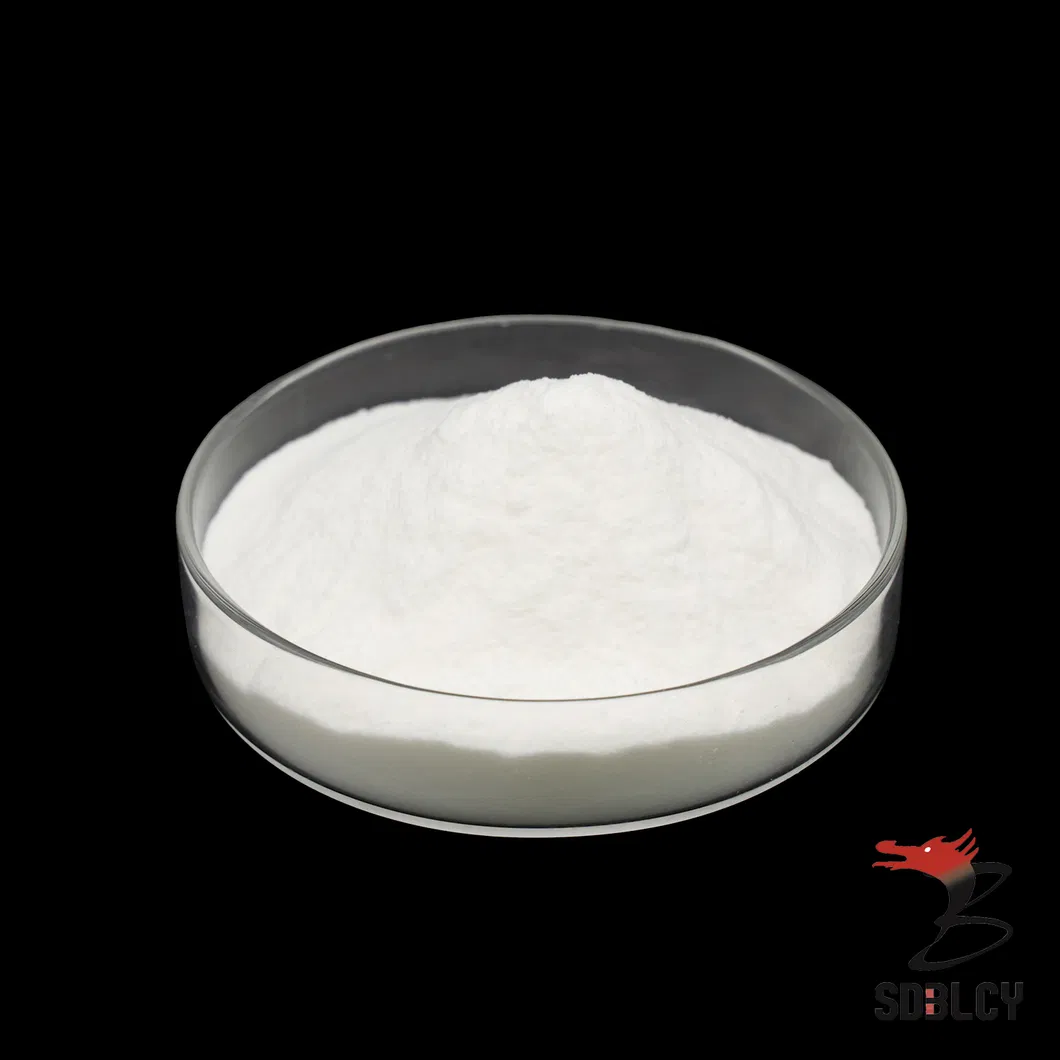
Stachyose is a naturally occurring tetrasaccharide with the molecular formula C24H42O21. The relative molecular weight is 666.59. Its structure consists of two galactose, one glucose, and one fructose. It is a non-reducing functional oligosaccharide. Stachyose is not decomposed by human gastrointestinal digestive juice and belongs to soluble dietary fiber.
F
Physiological Characteristics
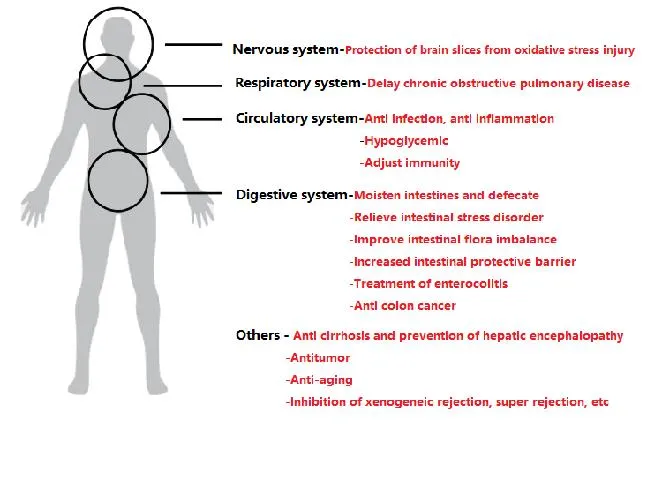
1. Proliferate Bifidobacteria: Stachyose effectively regulates intestinal flora balance. Bifidobacteria preferentially consume stachyose over other sugars, promoting direct proliferation.
2. Relieve Constipation & Diarrhea: As a water-soluble dietary fiber, it helps produce short-chain fatty acids in the large intestine. Its hydroxyl groups assist in water absorption to alleviate diarrhea while enhancing intestinal function to prevent constipation.
3. Liver Protection: By inhibiting harmful bacteria and promoting beneficial ones, it reduces ammonia production from amino acid decomposition, preventing ammonia poisoning and supporting liver health.
4. Immunomodulatory Function: The α-1,6-galactose structure helps prevent pathogen infection and neutralizes toxins. It improves human immunity by generating immune function factors via bifidobacteria action.
5. Lead Removal: It reduces the residence time of food residues and expels lead through the intestine. It also promotes B-vitamin synthesis to decrease lead absorption.
6. Metabolic Regulation: Studies suggest stachyose can improve glucose and lipid metabolism, reducing fasting blood glucose and cholesterol levels.
?
Frequently Asked Questions
Q1: What exactly is Stachyose?
Stachyose is a natural tetrasaccharide (oligosaccharide) consisting of two galactose, one glucose, and one fructose. It acts as a powerful prebiotic and soluble dietary fiber.
Q2: How does Stachyose benefit the digestive system?
It promotes the growth of beneficial bifidobacteria in the gut, helps balance intestinal flora, and effectively manages both constipation and diarrhea by regulating water absorption and intestinal motility.
Q3: Is Stachyose safe for diabetic patients?
Yes, studies indicate it may help regulate blood glucose and lipid metabolism, and it has a much lower sweetness (22%) compared to sucrose.
Q4: Can Stachyose be used in animal nutrition?
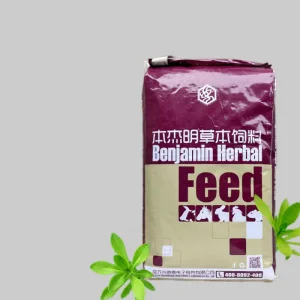
Absolutely. It is widely used in poultry, pig, and aquaculture feed at concentrations ranging from 0.5% to 1.25% to improve animal gut health and immunity.
Q5: What is the shelf life and storage requirement?
Stachyose has a shelf life of over 12 months when stored under normal, dry conditions. It is stable and less hygroscopic than sucrose.
 Lenavax Nutrition