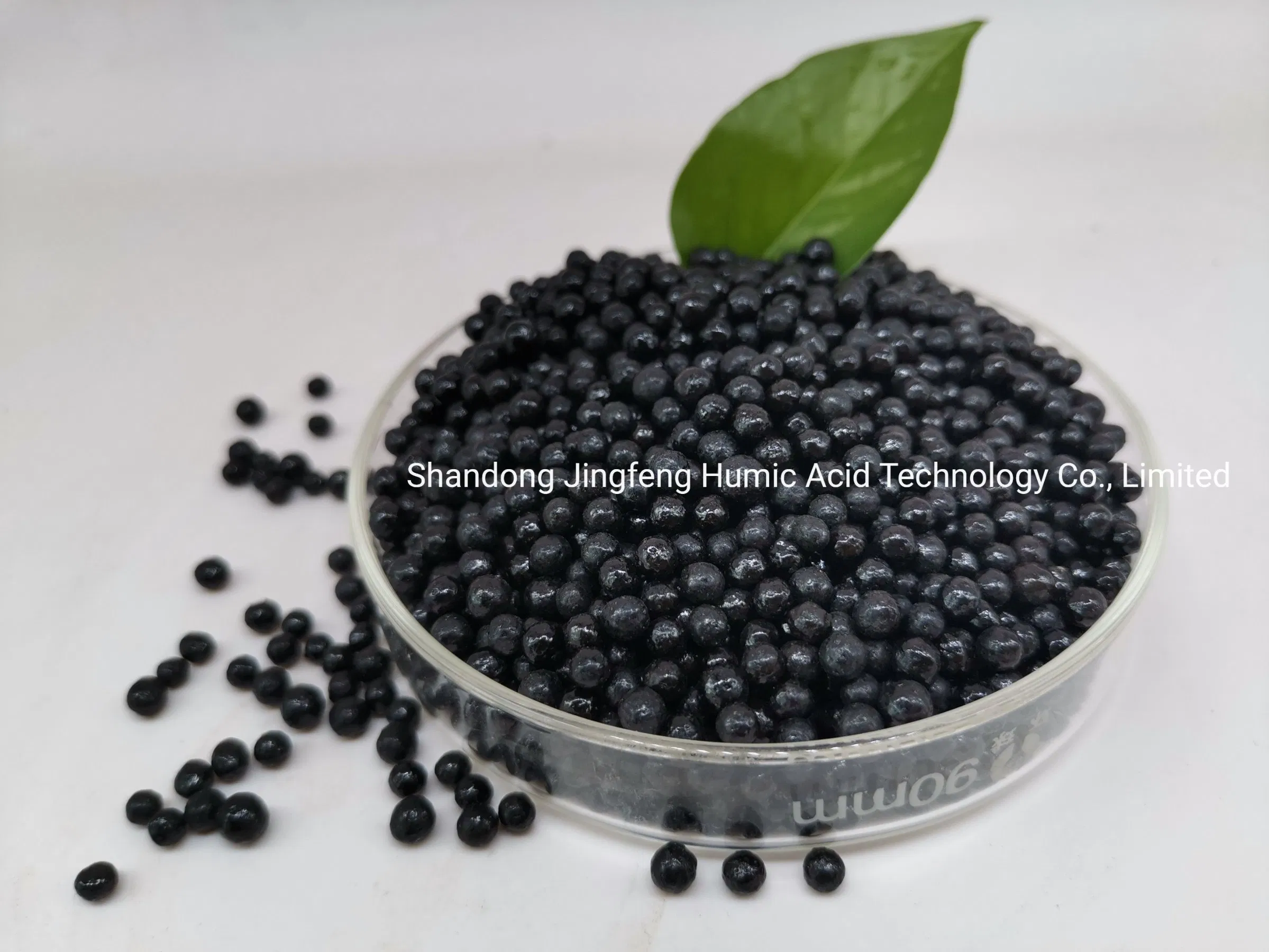
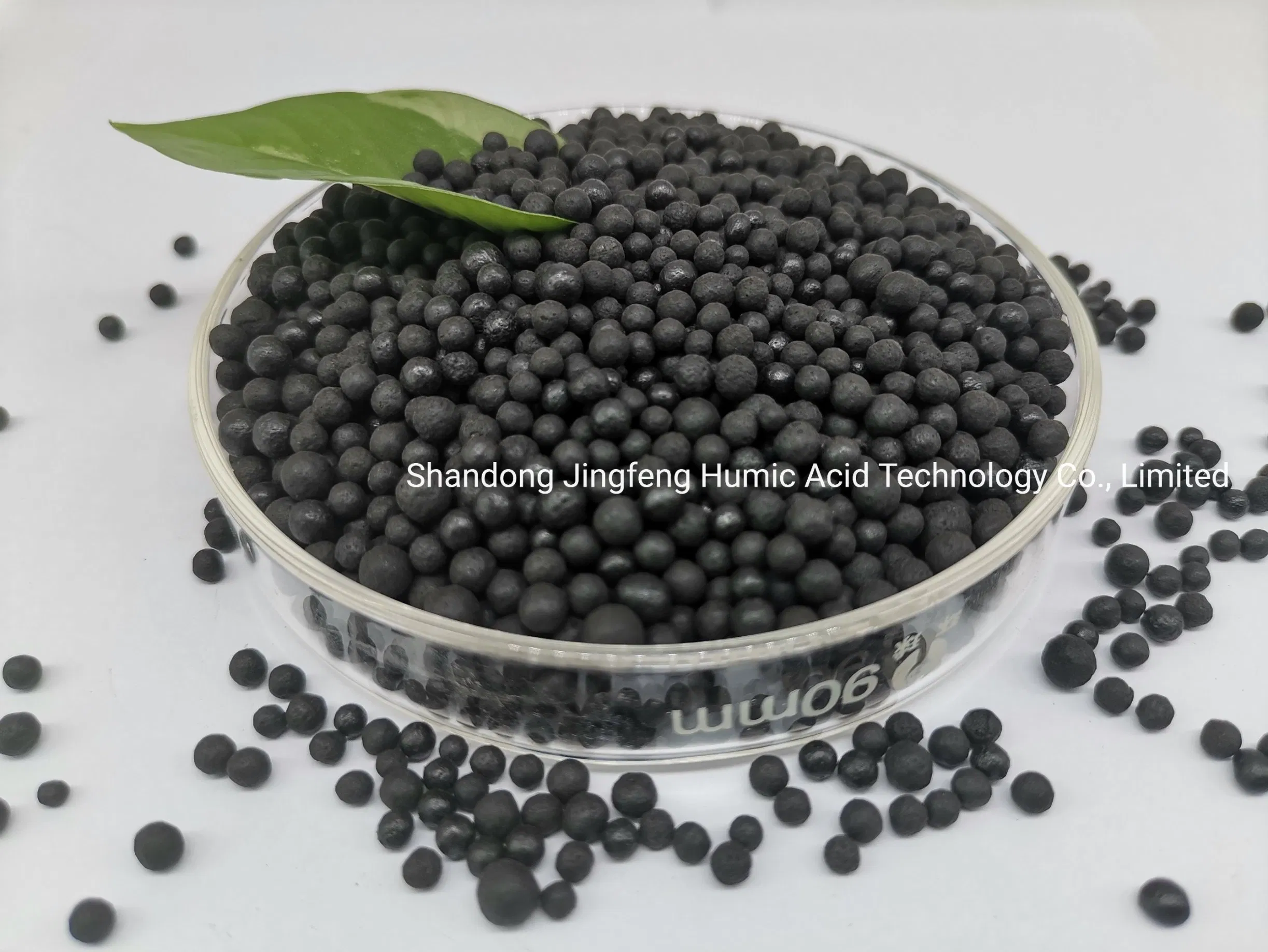
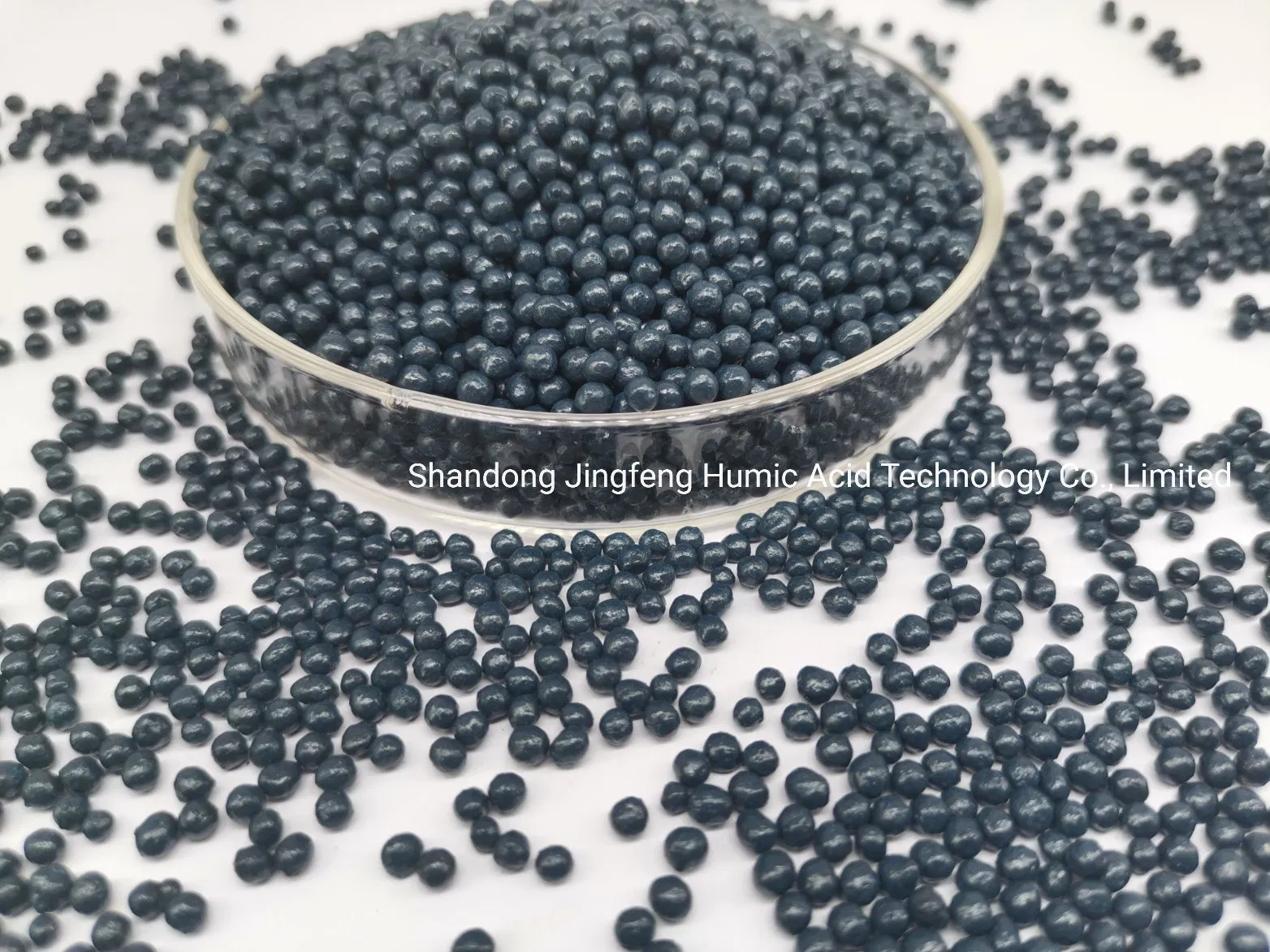
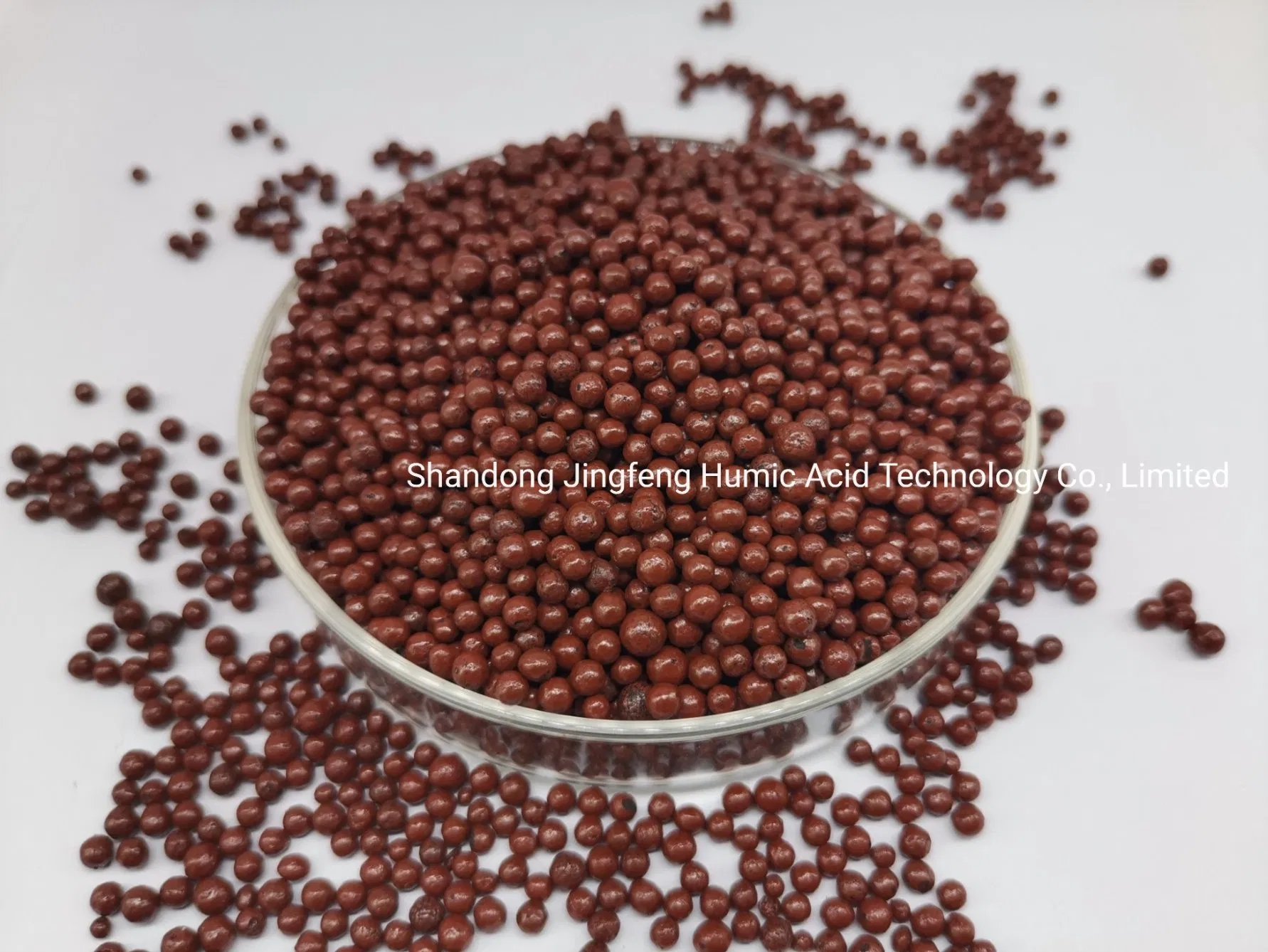
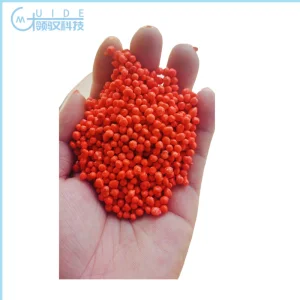
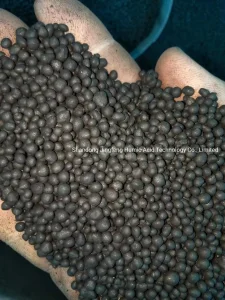
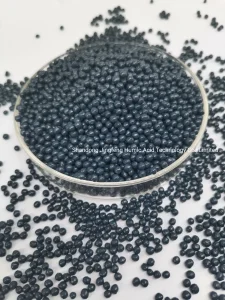
Agriculture Organic Fertilizer Compound Granule Agriculture Soil Conditioner Amino Humic Ball

Still deciding? Get samples of $ !
Request Sample

Product Description

Basic Information
Model NO.JFHA-HA-1-P/G/C
ApplicationVegetables, Flowers, Fruit, Plant Growth Stimulator
StateGranular
ValiditySlow-acting
Physics StateSolid
Infection On SoilPhysiological Alkaline
Chemical CharacterChemical Alkaline
Raw MaterialLeonardite and Lignite Extract
TypeCommercial Organic Fertilizer
Product NameHumic Acid Granule
Water SolubilityNo
Humic Acid (Dry Basis)15%/50%/60%
Organic Matter70%/80%/85%
GradeOrganic Inputs for Materials Used in Organic Agriculture
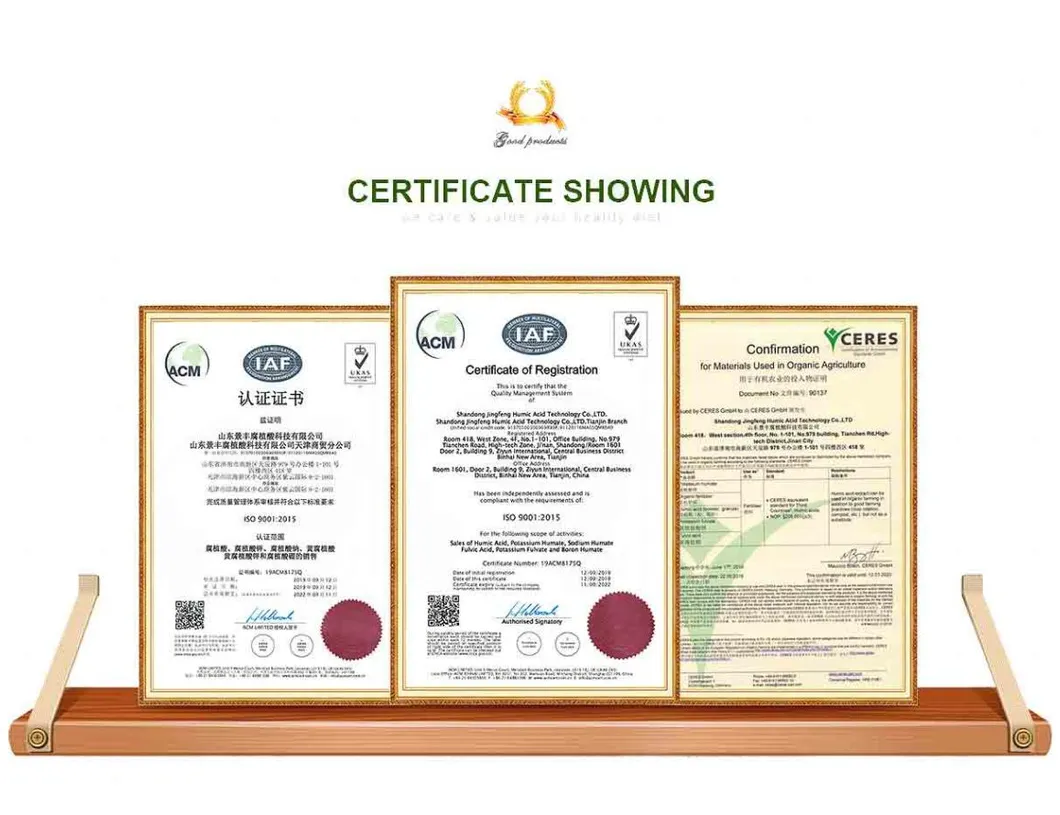
CertificateCeres/ISO9001/COA/MSDS/Coo/Registration
pH3.0-6.0
Size2-4mm/2-6mm
Feature100% Natural Minerals Leonardite
Moisture15%Max
Container Capacity20FCL 10-25t, 40hc 22-29t
Export PortsTianjin/Dalian/Qingdao/Shanghai/Qinzhou
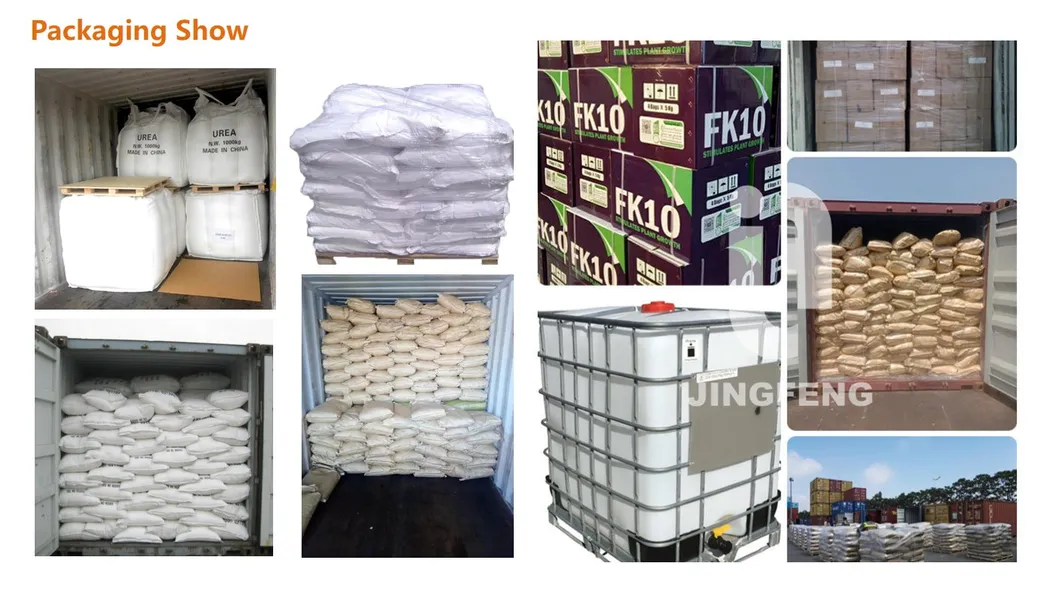
Transport Package20kgs/25kg Woven/Paper Bags with Inner Liner
SpecificationNPK 14-0-1
HS Code38249999
Production Capacity7500 Mt/Month
Product Description
Organic Fertilizer Granule
Soil Conditioner Ball
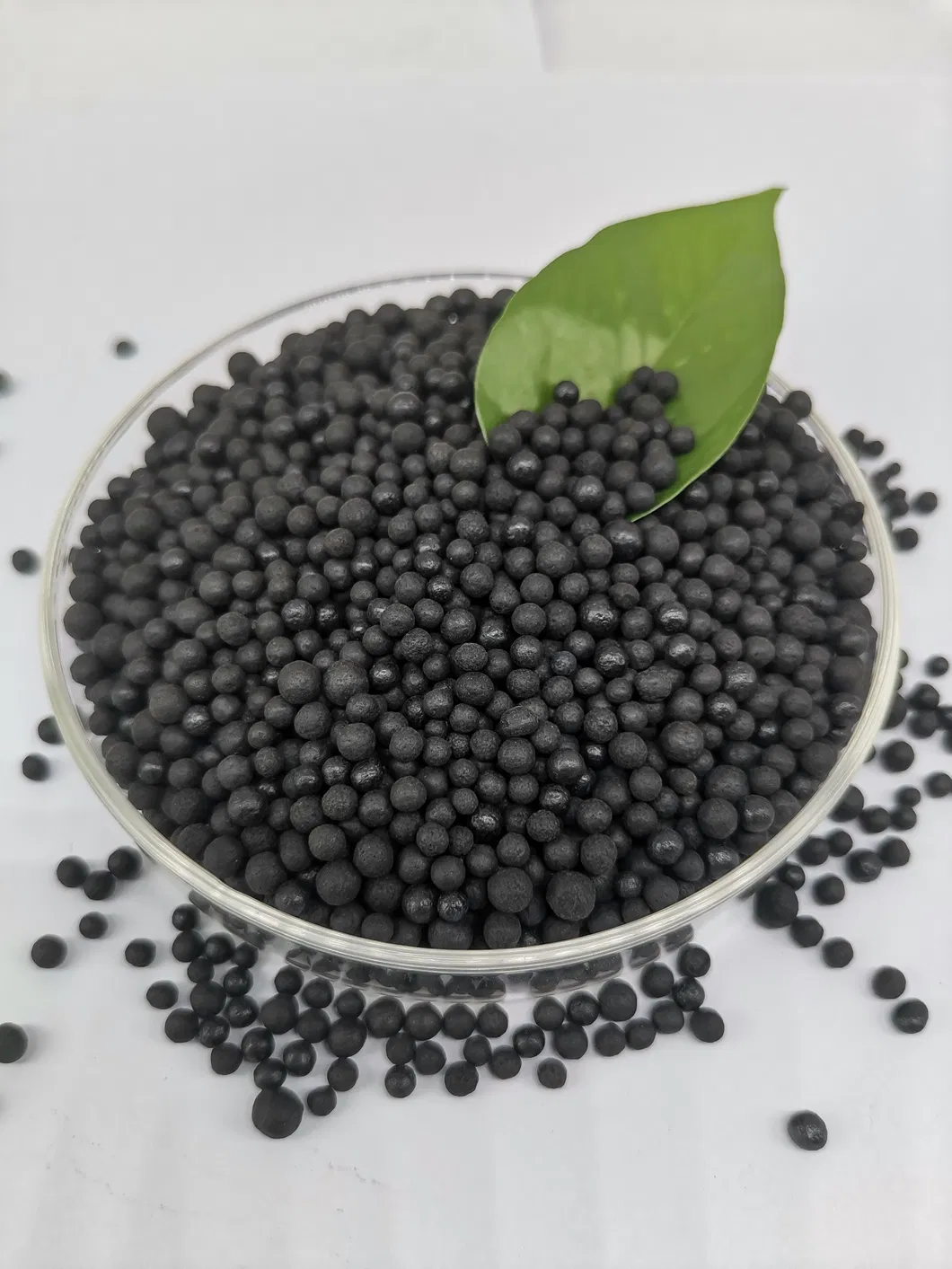
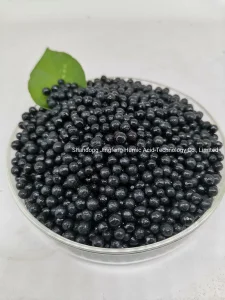
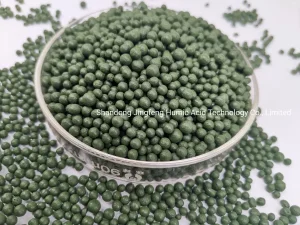
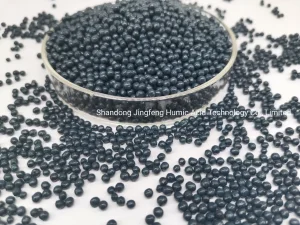
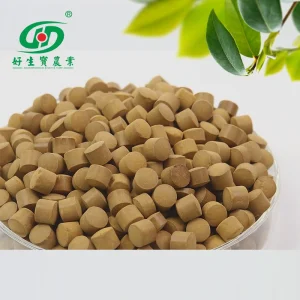
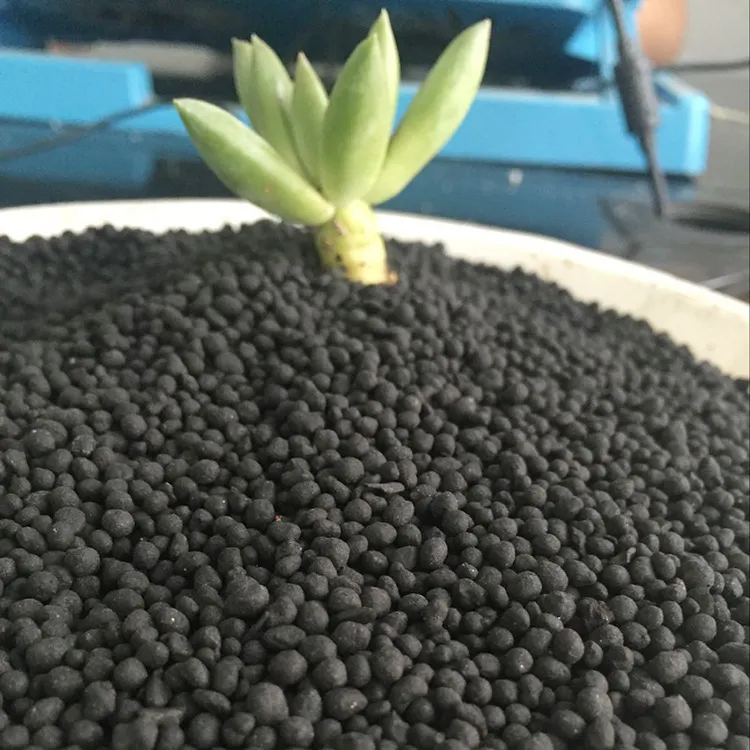
Insoluble Humic Acid Round Granule Prill: Formed by microbial degradation of biological substances (Leonardite). It consists of Humic Acid (HA), Fulvic Acid (FA), and Humin (HM).

Key Benefits:
  • Improves soil carbon source and microbial populations.
  • Ideal for field crops, organic farming, and horticulture.
  • Enhances root development and crop yield.
  • Provides slow and controlled release of nutrients.
Humic Acid Details
Nutrient Composition:

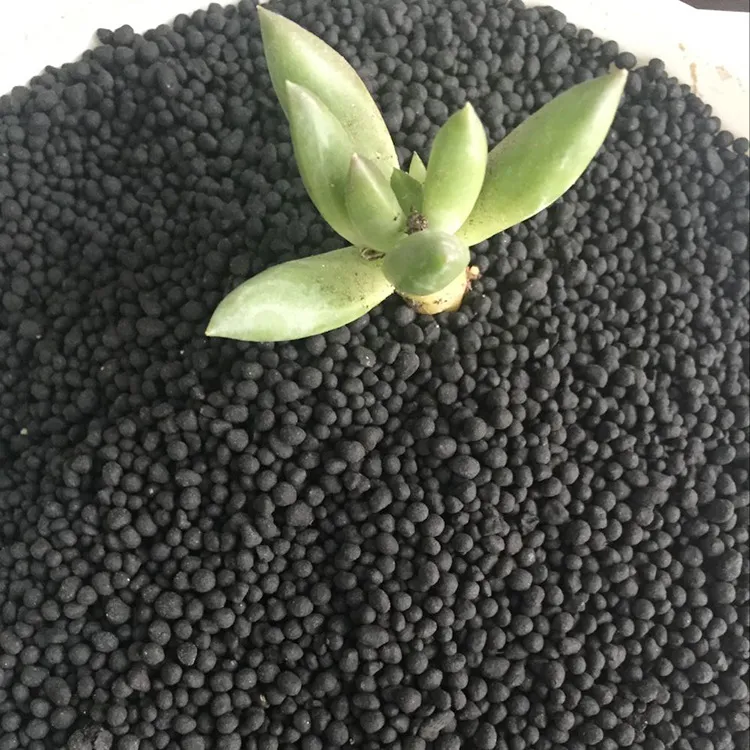
NPK + Organic Matter + Potassium + Humic Acid. Also includes Medium Trace Elements (Ca, Mg, S) and Microelements (Zn, Fe, Cu). Particle size: 2-4mm (>95%).
Available Product Series
  • Super potassium humate: K2O 12-10%min, HA 65-70%min
  • Potassium humate: K2O 8%min, HA 65-40%min
  • Potassium fulvate: FA 15%min, K2O 10%min
  • Mineral fulvic acid: FA 55%min, K2O 12%min
  • Humic acid Urea: N46
  • Biological fulvic acid: Brown powder/granular, K2O 12%min
  • Soluble & Insoluble humic acid: 40% - 70% min
  • Amino acid: Plant/Animal source, 50% - 80% min
  • Seaweed extract: Alginic acid 12-20%min
  • Sodium humate: 40% - 70% min
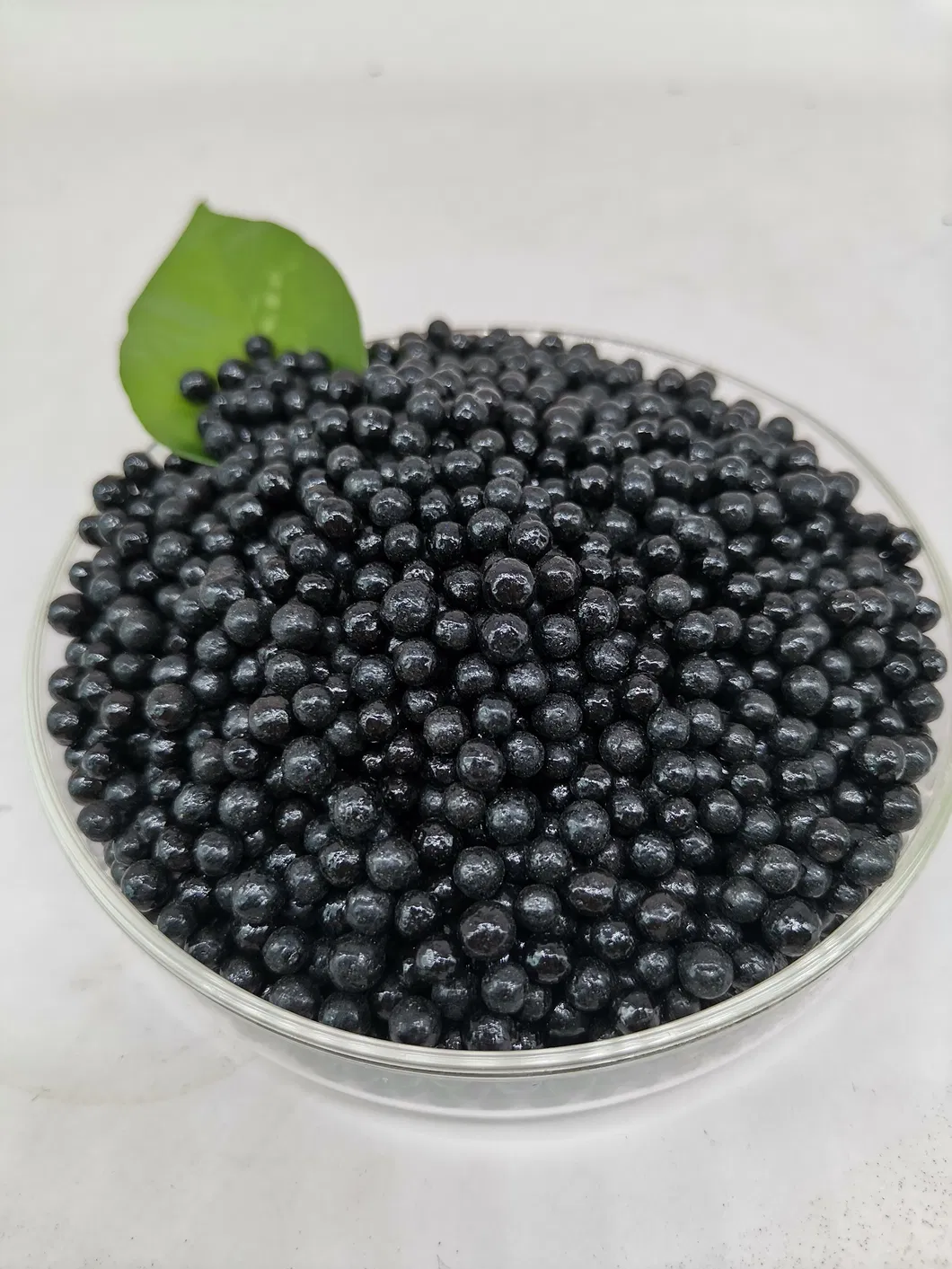
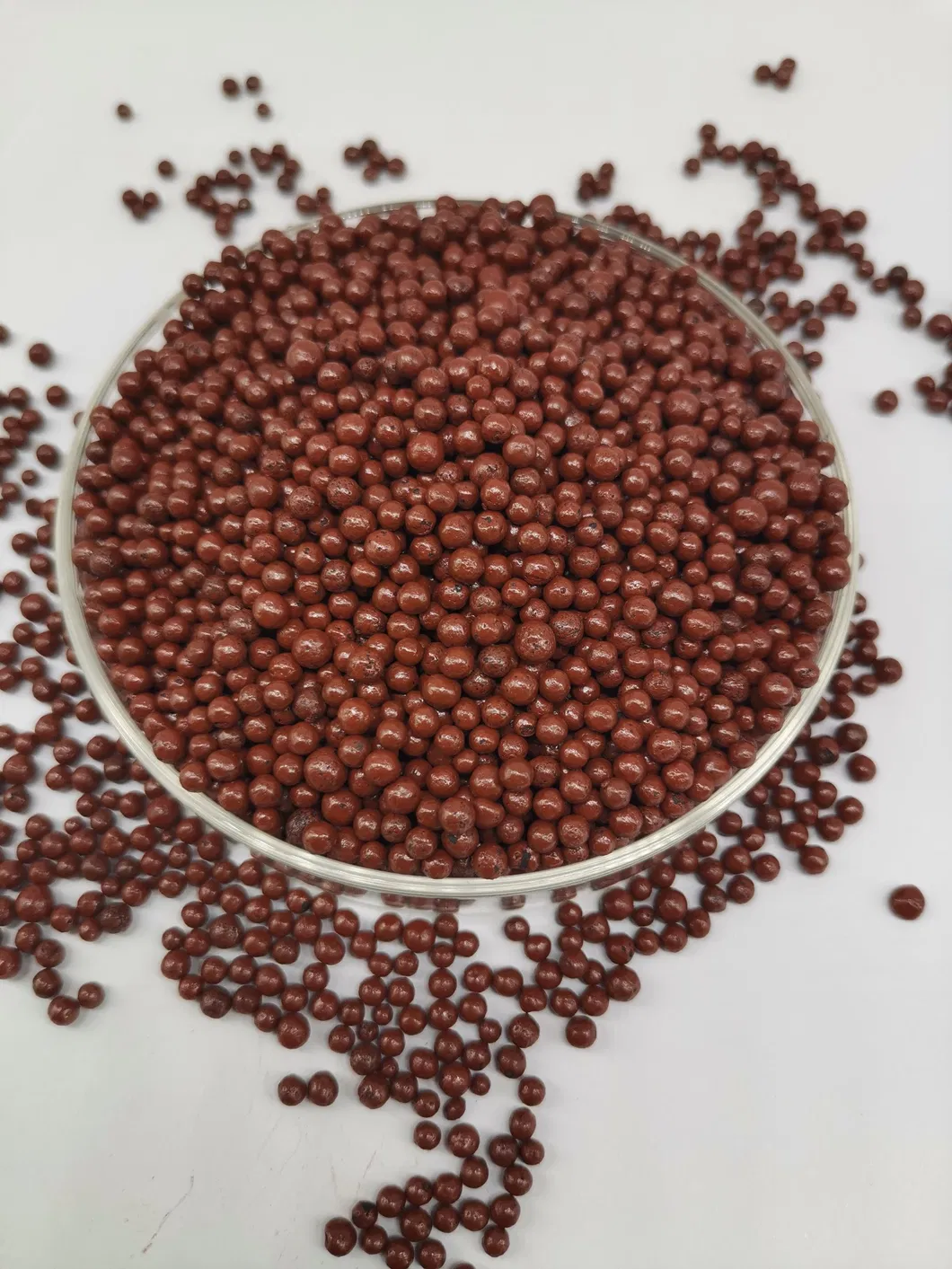
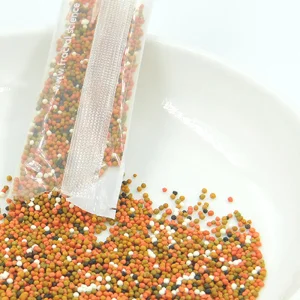
  • Humic Acid Amino Shiny Colored Granular: NPK 15-0-1
Detailed Photos
Detailed Photo 1
Detailed Photo 2
Product Parameters
Specification JFHA-HA-1-P/G/C JFHA-HA-2-P/G/C
Organic Matter (dry basis)85.0% min80.0% min
Humic Acid (dry basis)60.0% min50.0% min
SolubilityNONO
C.E.C≥200meq / 100g≥200meq / 100g
Moisture25.0% max25.0% max
Particle size2-4mm / 2-6mm2-4mm / 2-6mm
pH4-64-6
Parameter Chart
Certifications
Organic Certificates
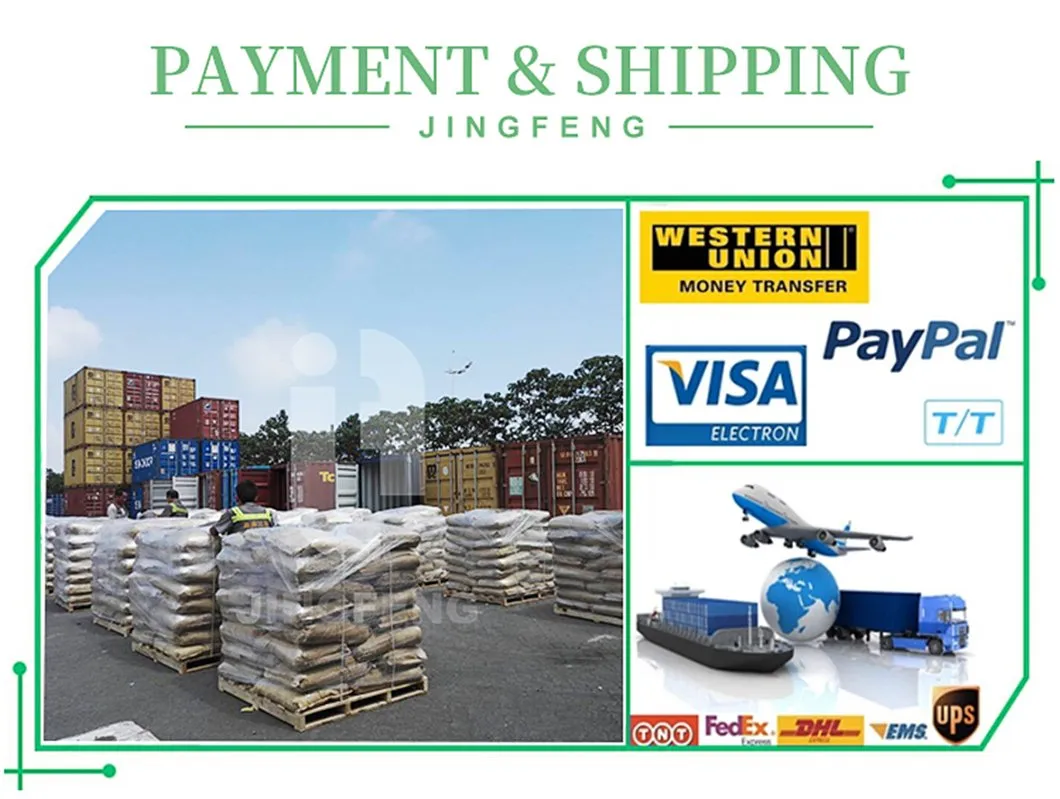
Packaging & Shipping
Packaging Box
Shipping Container
Production Excellence
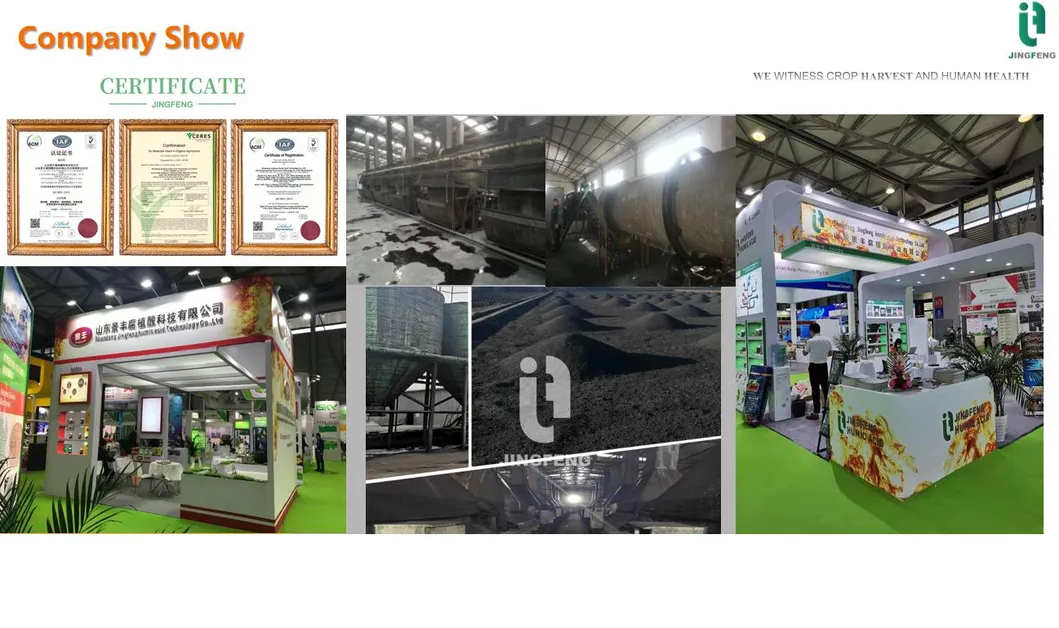
Production Facility

Specializing in green agriculture and human health, we are committed to the development and production of high-quality humic acid products. Our range covers agricultural base fertilizers, feed-grade additives, and pharmaceutical-grade materials, serving clients across Europe, America, Japan, and Southeast Asia.


Service & Support
Service Guarantee
Frequently Asked Questions
1. What exactly is Humic Acid?
Humic acid is a complex mixture of organic matter created through microbial decomposition of plant and animal remains. It is a vital component of soil humus and is essential for soil fertility.
2. How does Humic Acid improve soil structure?
For sandy soil, it helps retain water and nutrients. For heavy/compact soil, it works with fungi to create a crumb structure that allows better oxygen and water intake for roots.
3. Does it help with nutrient absorption?
Yes, humic acid has the ability to fix nitrogen, decompose phosphate, and fix potassium, significantly increasing the effectiveness and utilization rate of NPK fertilizers.
4. What is the pH adjustment function?
Humic acid acts as a buffer that can neutralize both acidic and alkaline soils, helping to reach a more balanced pH level for optimal plant growth.
5. What is the manufacturing process for Potassium Humate?
The process involves selecting high-quality Leonardite, natural oxidation for 3 months, crushing, chemical reaction with KOH under high pressure/temperature, sedimentation, filtering, and finally drying into flake, powder, or crystal form.
6. How does it protect the environment?
It reduces nitrate leaching into groundwater and helps immobilize or reduce the harmful residues of herbicides and pesticides in the soil.
Process Flow

Related Products