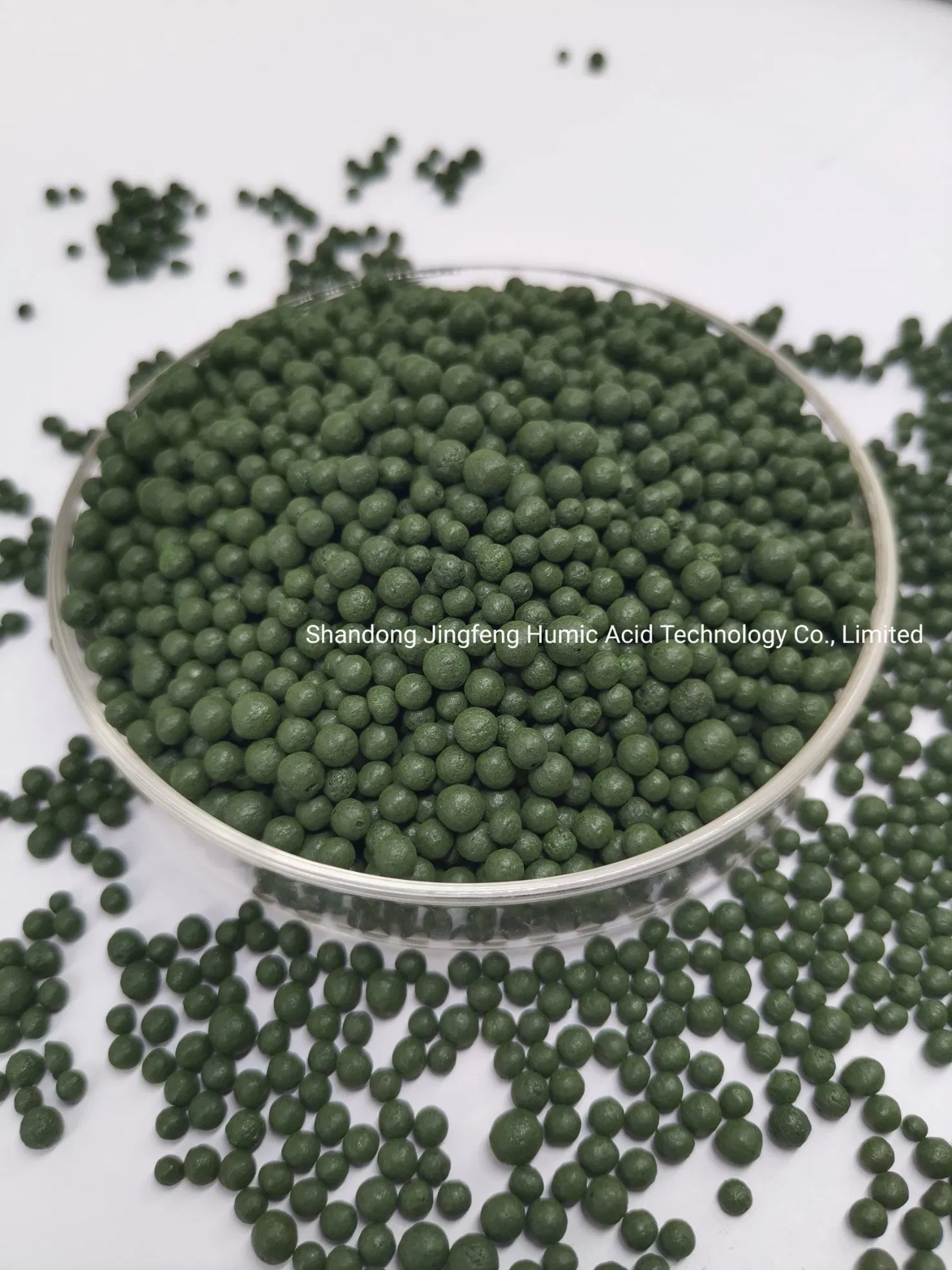
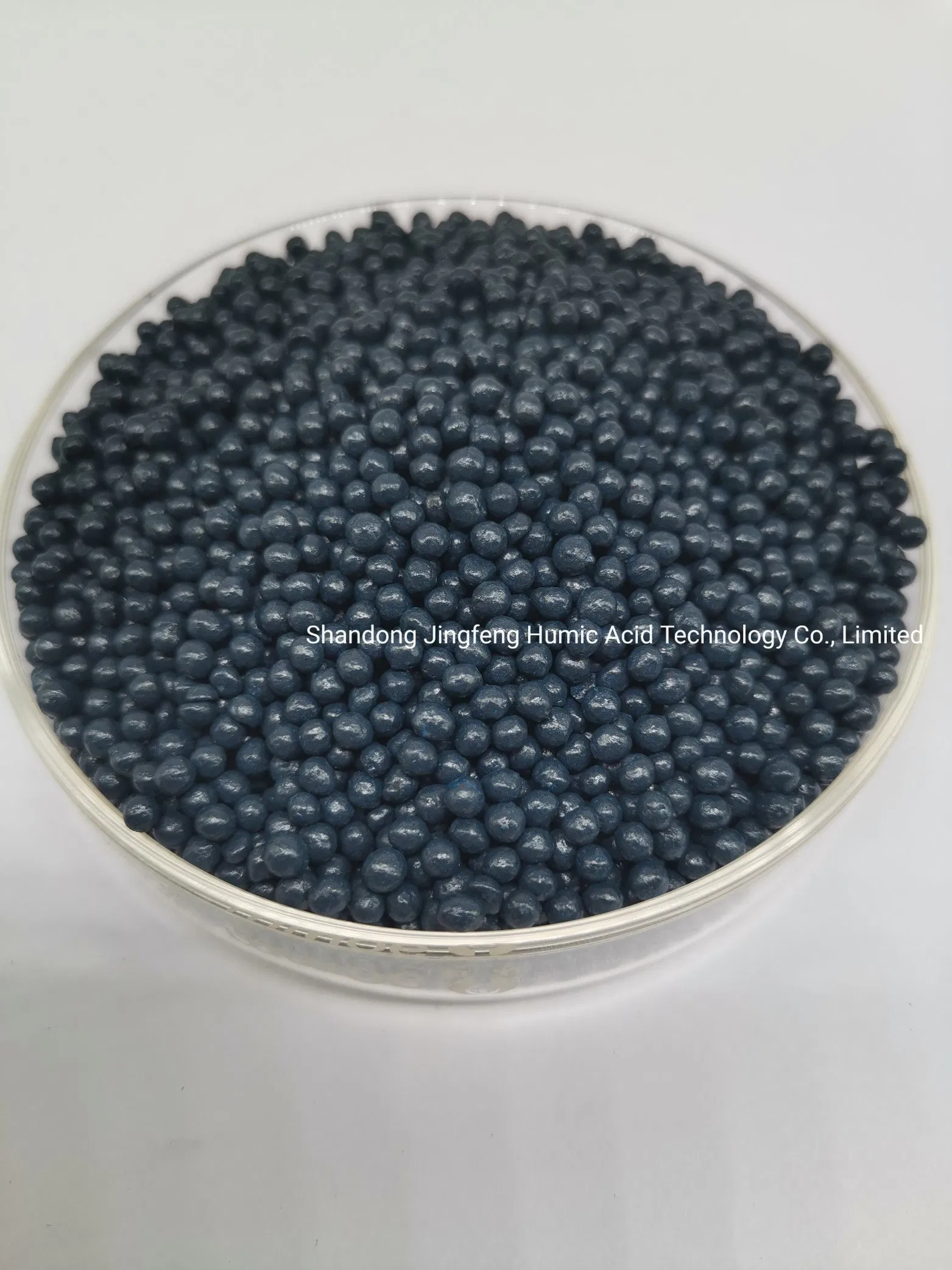
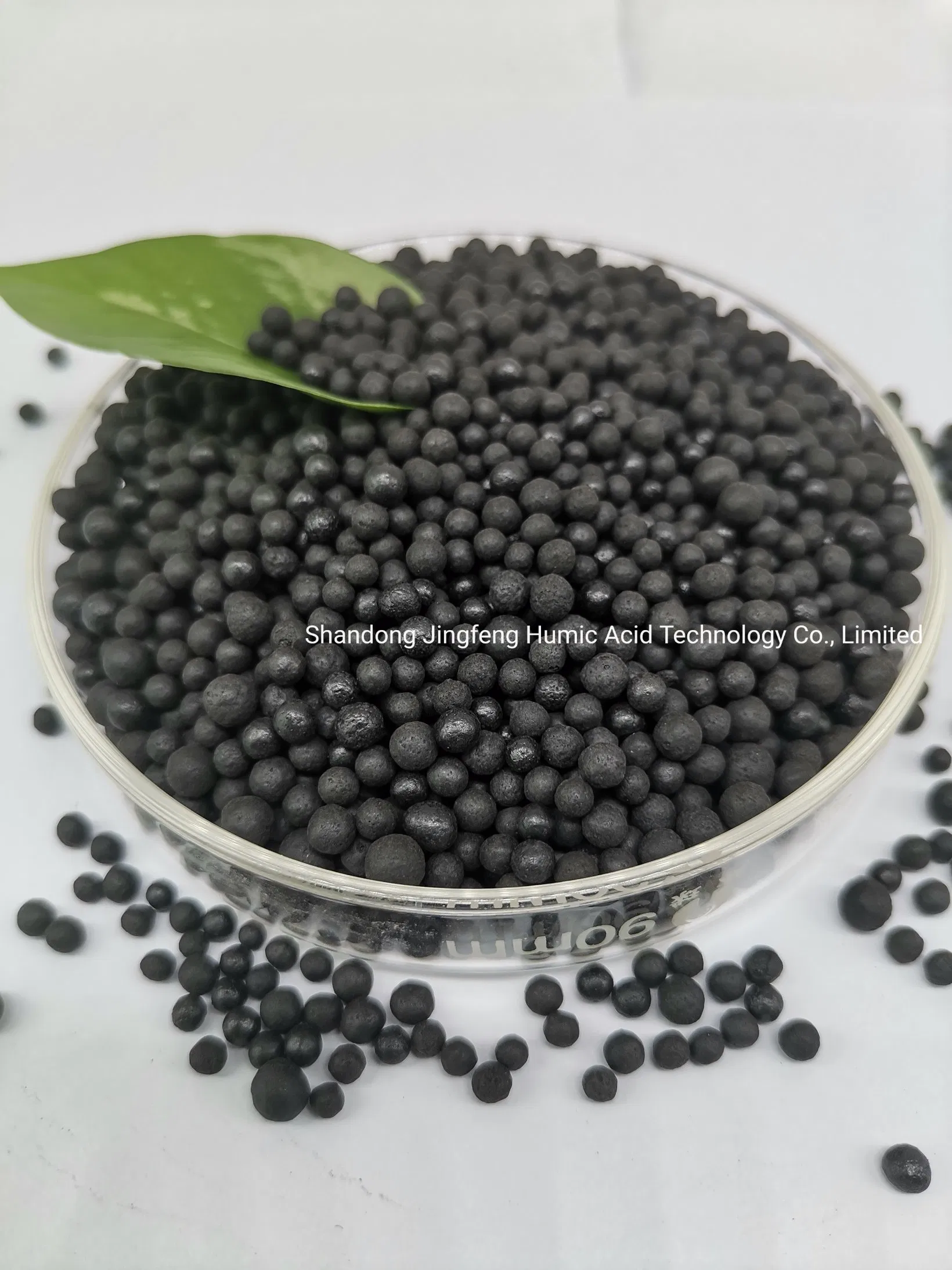
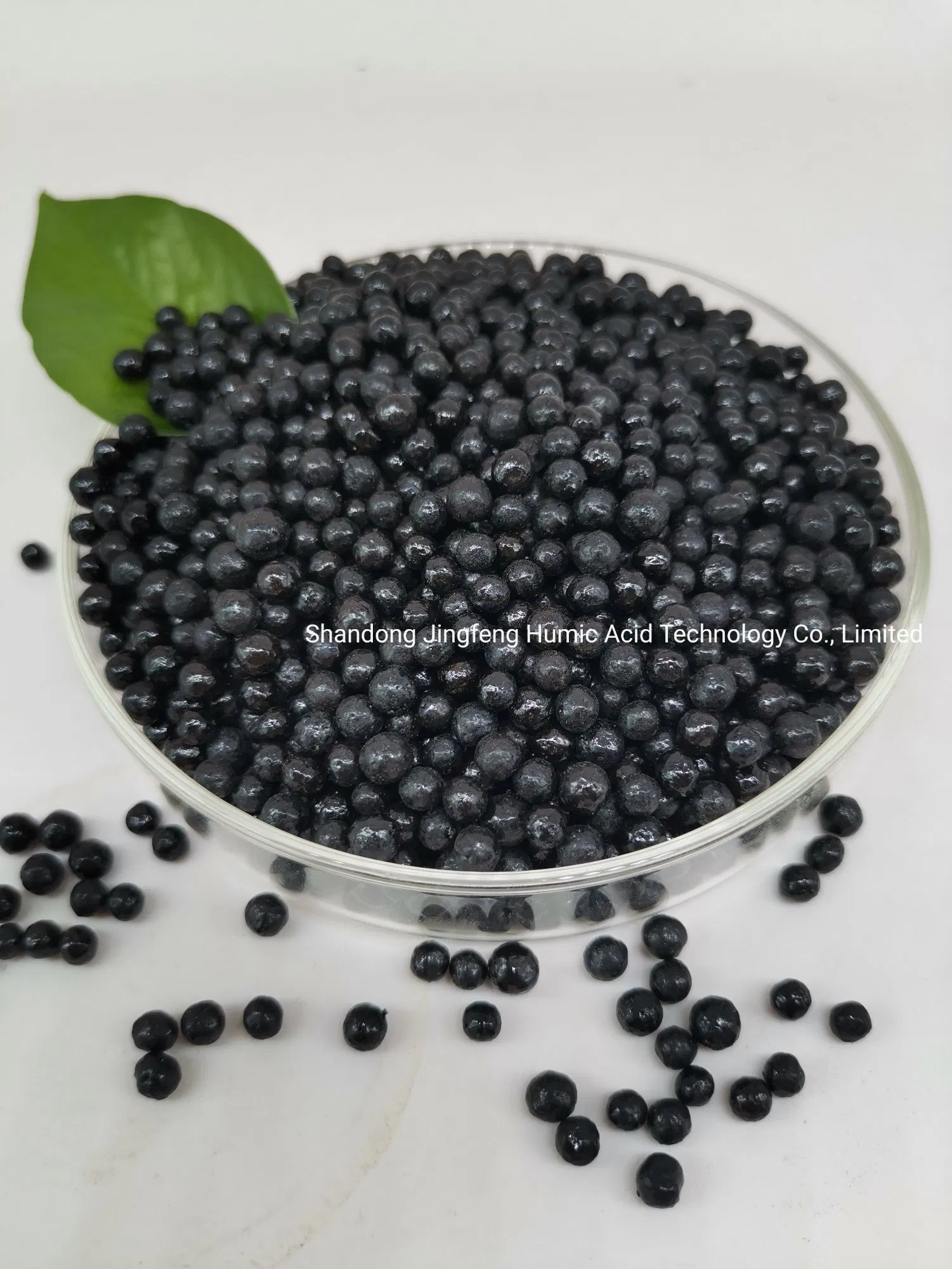
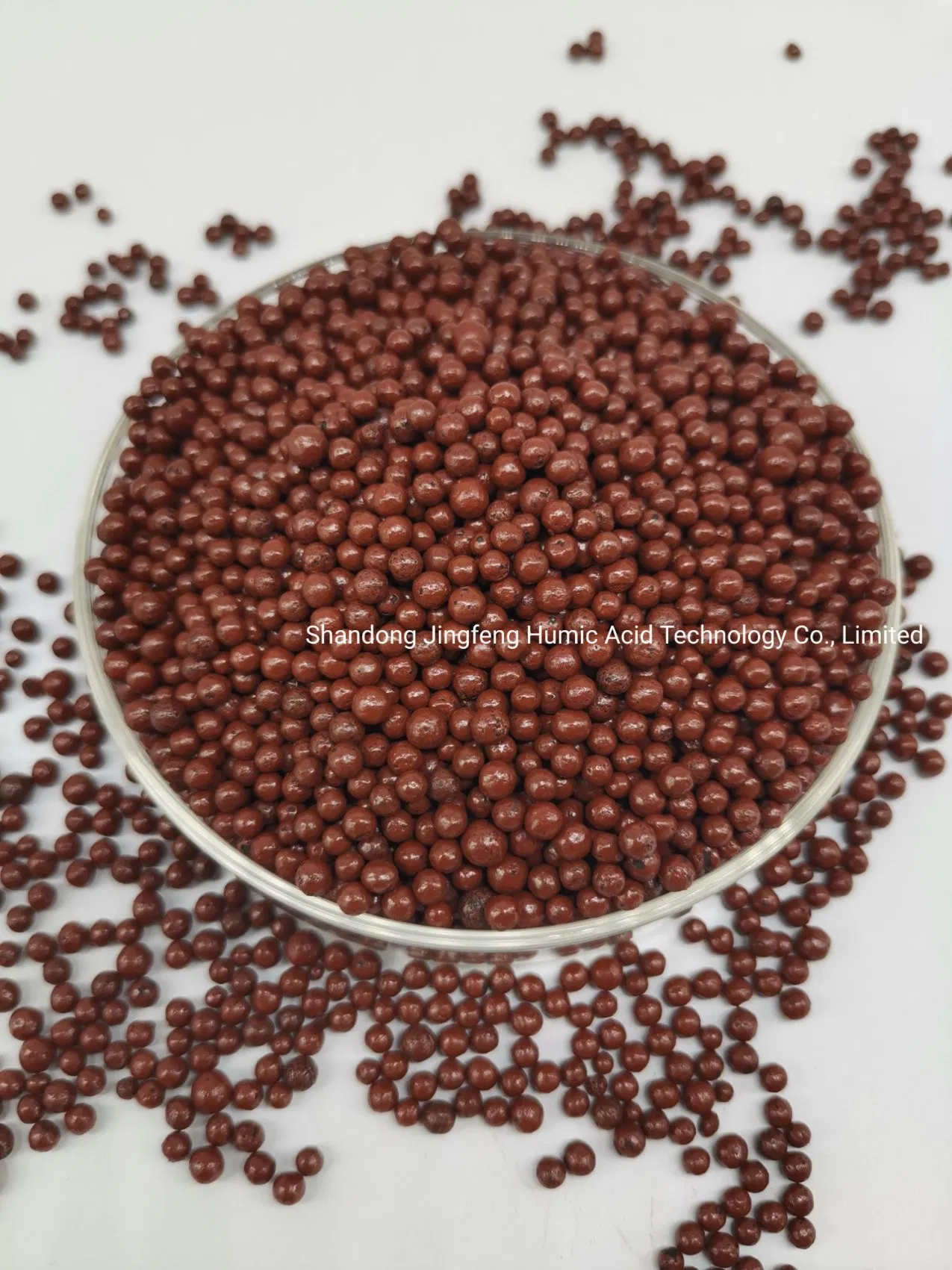
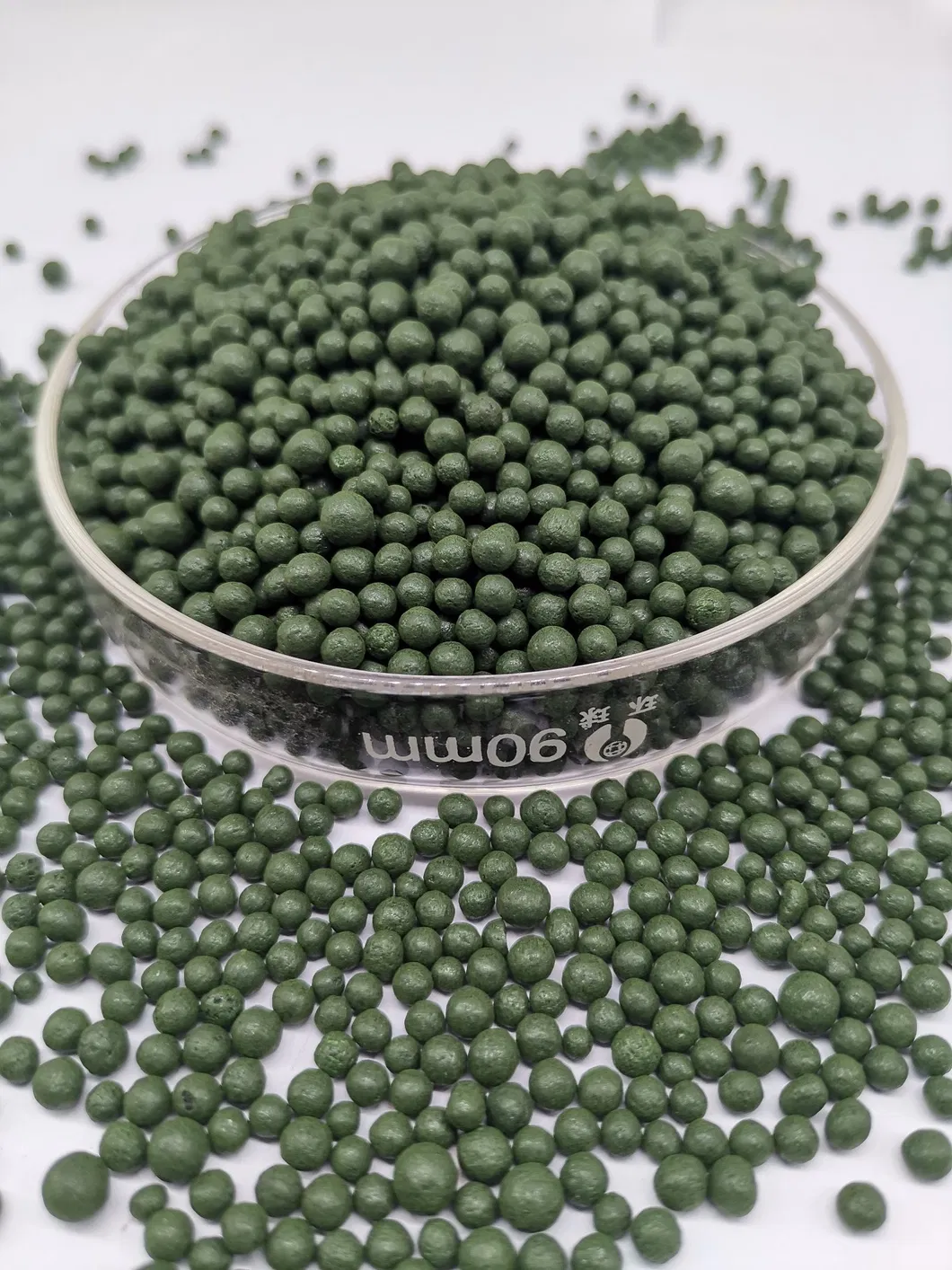
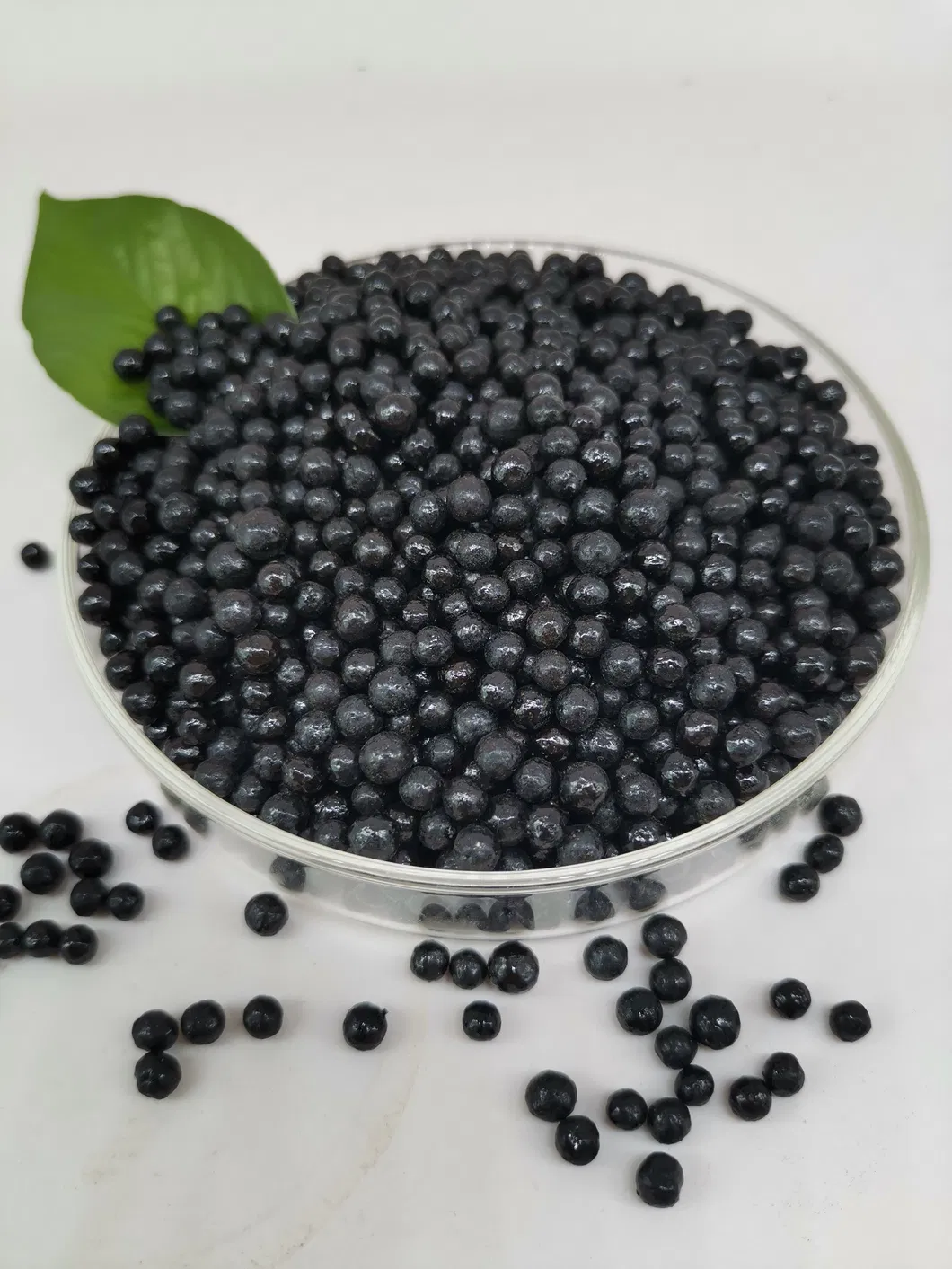
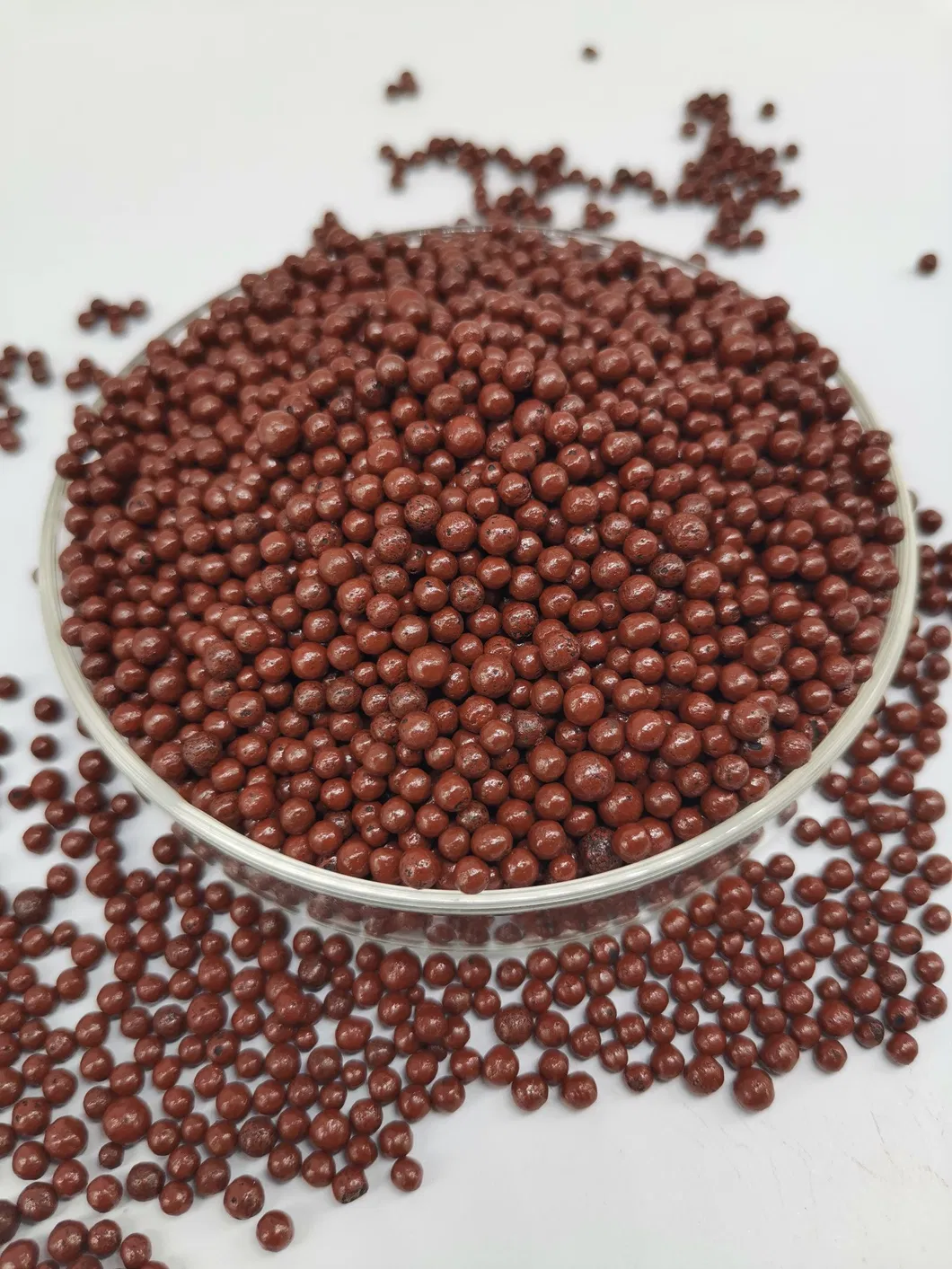
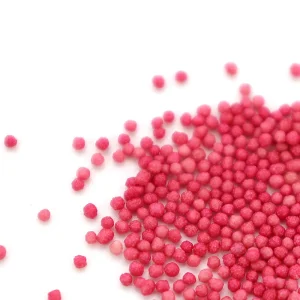
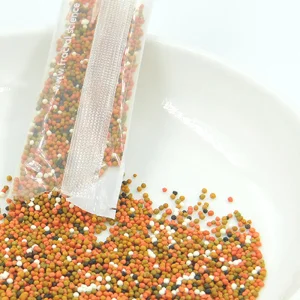
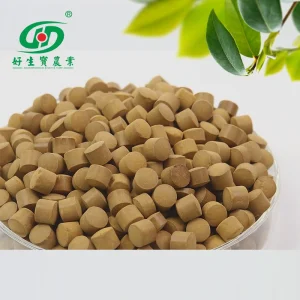
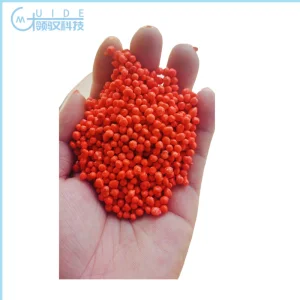
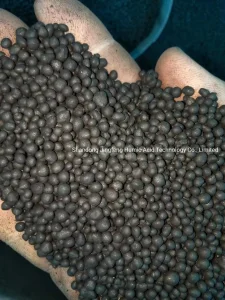
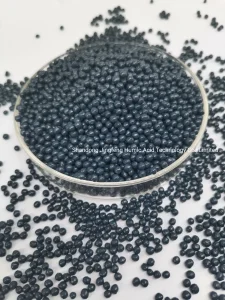
Granular Slow Release Humic Granule Organic Coated with NPK Amino Acid Shiny Ball

Still deciding? Get samples of $ !
Request Sample

Product Description

Basic Specifications

Model NO.
JFHA-NPKHA-G
Application
Vegetables, Flowers, Fruit, Plant Growth Stimulator
State
Granular
Validity
Slow-acting
Physics State
Solid
Raw Material
Leonardite and Lignite Extract
Humic Acid
15% / 50% / 60%
Organic Matter
70% / 80% / 85%
pH
3.0 - 6.0
Size
2-4mm / 2-6mm
Feature
100% Natural Minerals Leonardite
NPK Ratio
14-0-1

Product Description

Humic Granule
Organic Coated Ball

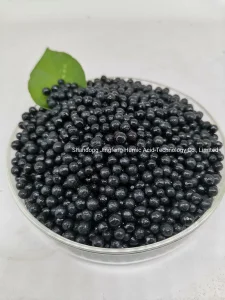
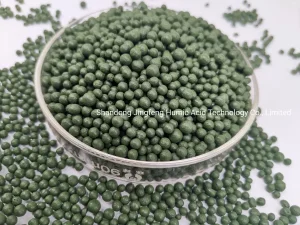
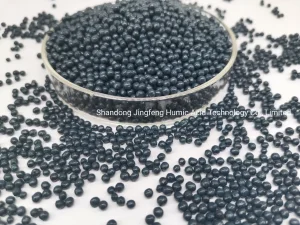
Insoluble Humic Acid Round Granule Prill. Humic acid is formed by microbial degradation of dead biological substances (Leonardite). It consists of Humic Acid (HA), Fulvic Acid (FA), and Humin (HM). This specific product features an NPK ratio of 14-0-1 and is available in various concentrations of humic acid (15%/50%/60%).

Suitable for field crops, organic farming, horticultural plants, landscape, and gardens. It functions as a slow and controlled release fertilizer that improves root development and overall crop yield.
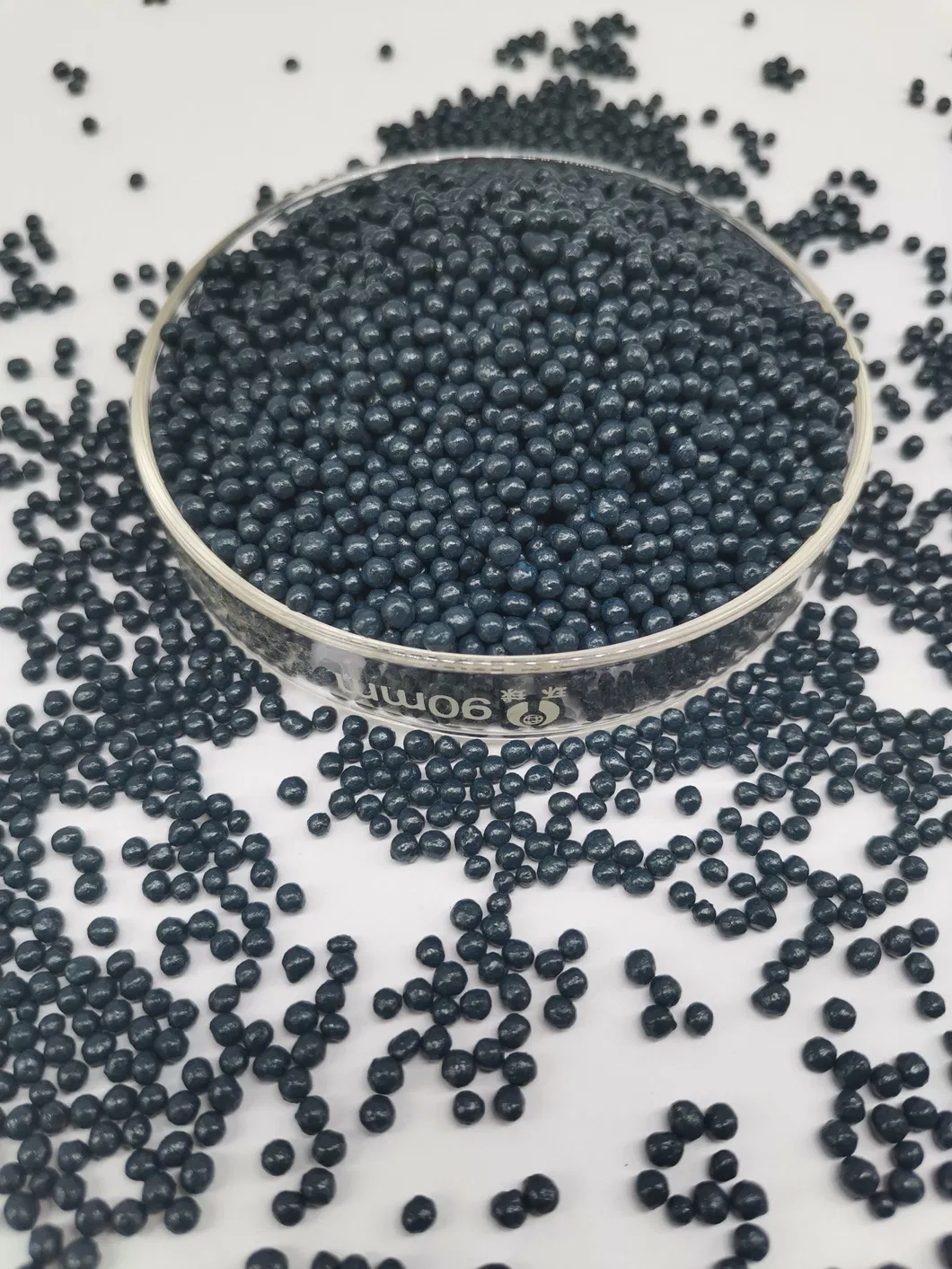
Fertilizer Granules

Comprehensive Nutrient Profile

In one granular, you receive more than 12 kinds of nutrient substances:
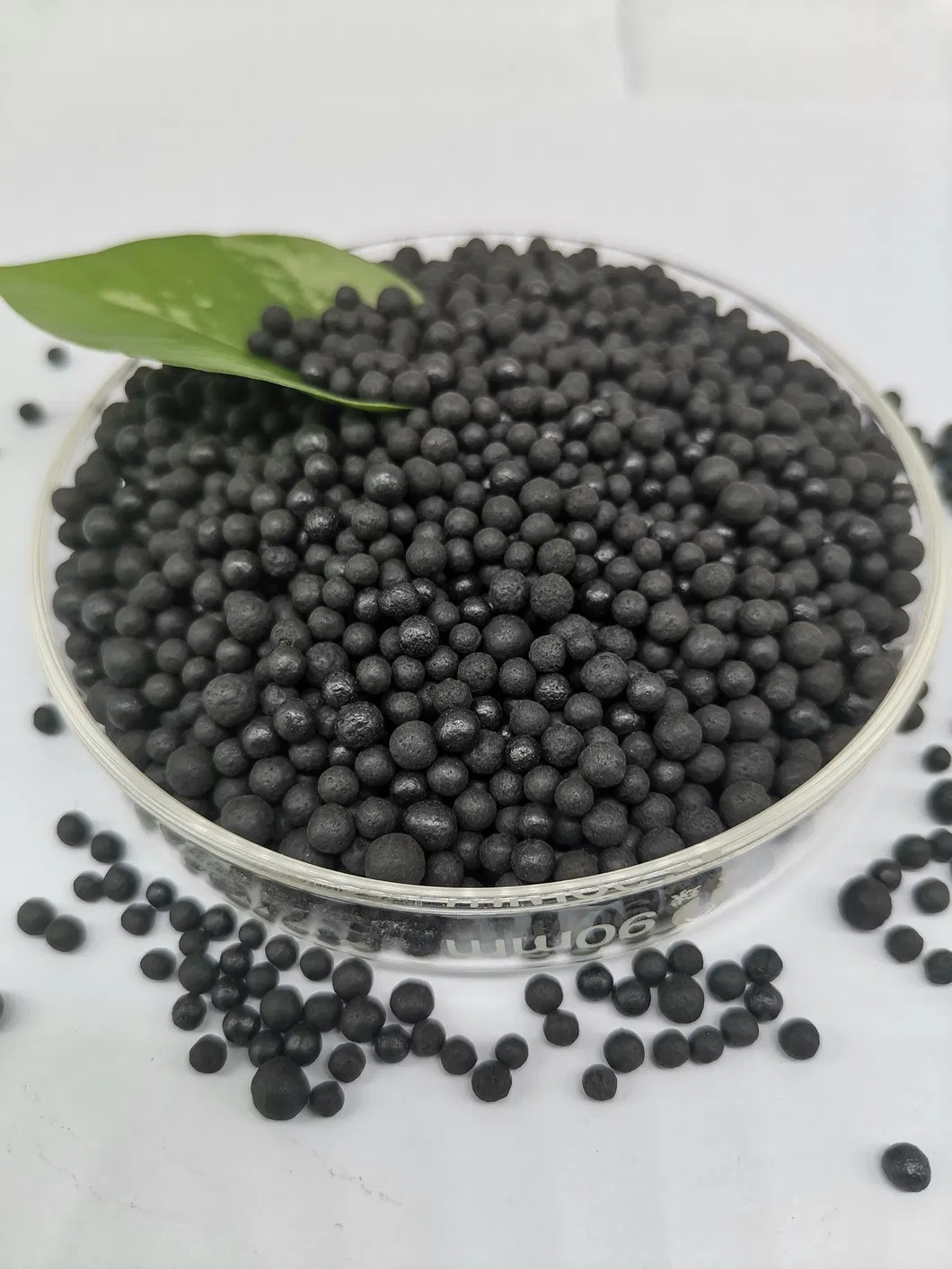
  • NPK + Organic Matter + Potassium + Humic Acid
  • Medium Trace Elements: Ca, Mg, S
  • Microelements: Zn, Fe, Cu
  • High particle hardness and uniform size (2-4mm > 95%)

Key Advantages

Detailed View 1
Detailed View 2
  • Low moisture and low dust for clean application.
  • Slow Release effect improves the utilization rate of NPK fertilizers.
  • Increases Nitrogen utilization from 15% to 20%.
  • Builds soil water holding capacity and remediates compacted or sandy soils.
  • Stimulates beneficial soil biology and microbial populations.

Technical Parameters

50% / 60% Humic Acid Granule Specification

Property JFHA-HA-1 (60%) JFHA-HA-2 (50%)
Organic Matter (dry basis)85.0% min80.0% min
Humic Acid (dry basis)60.0% min50.0% min
C.E.C≥200meq / 100g≥200meq / 100g
Particle size2-4mm / 2-6mm2-4mm / 2-6mm
pH4-64-6
Moisture25.0% max25.0% max

Humic Acid Amino NPK Granule

Property Specification
AppearanceBlack Shiny balls
Amino acid10% min
Humic acid15% min
Total NPK15-0-1
Particle Size2-5mm uniform granule
NPK Granule Spec

Certifications & Quality Control

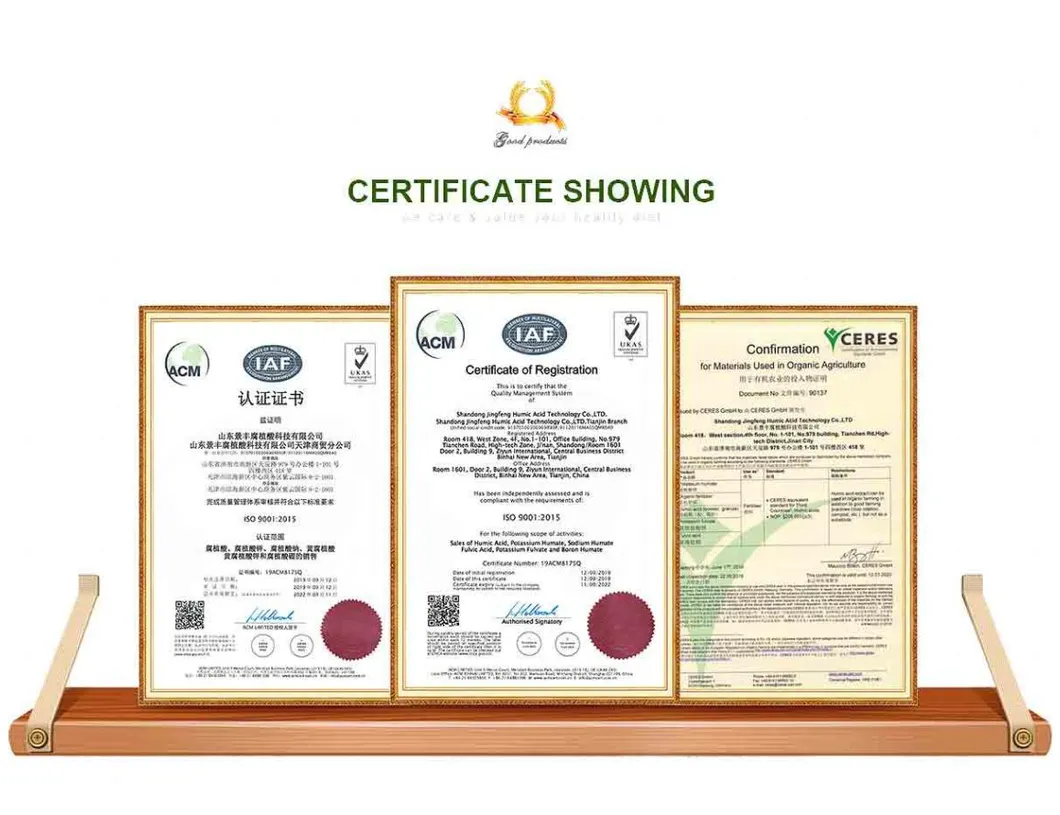
Certifications

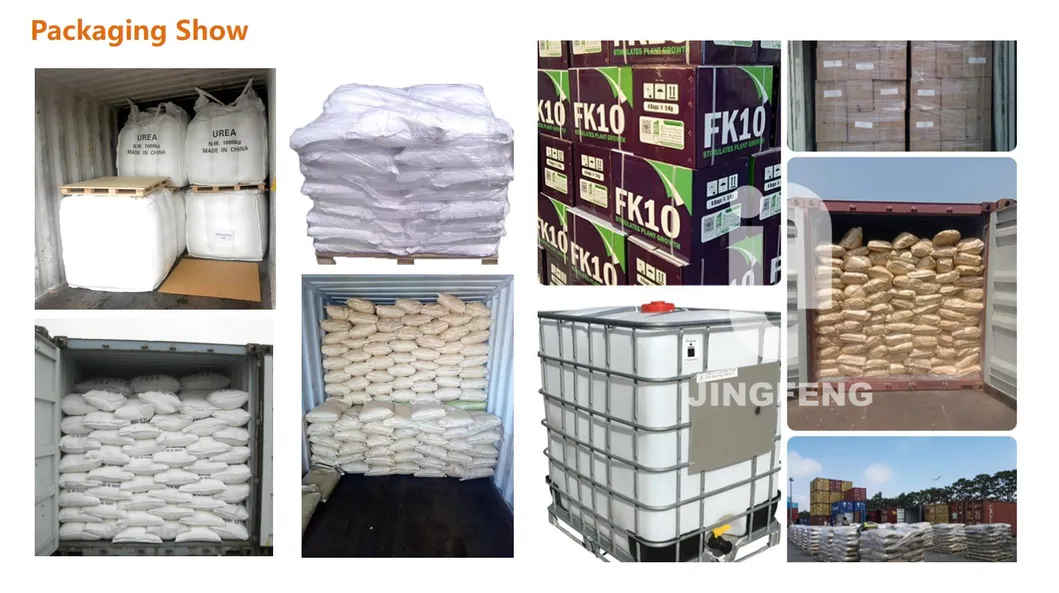
Packaging & Shipping

Packaging 1
Packaging 2

About the Manufacturer

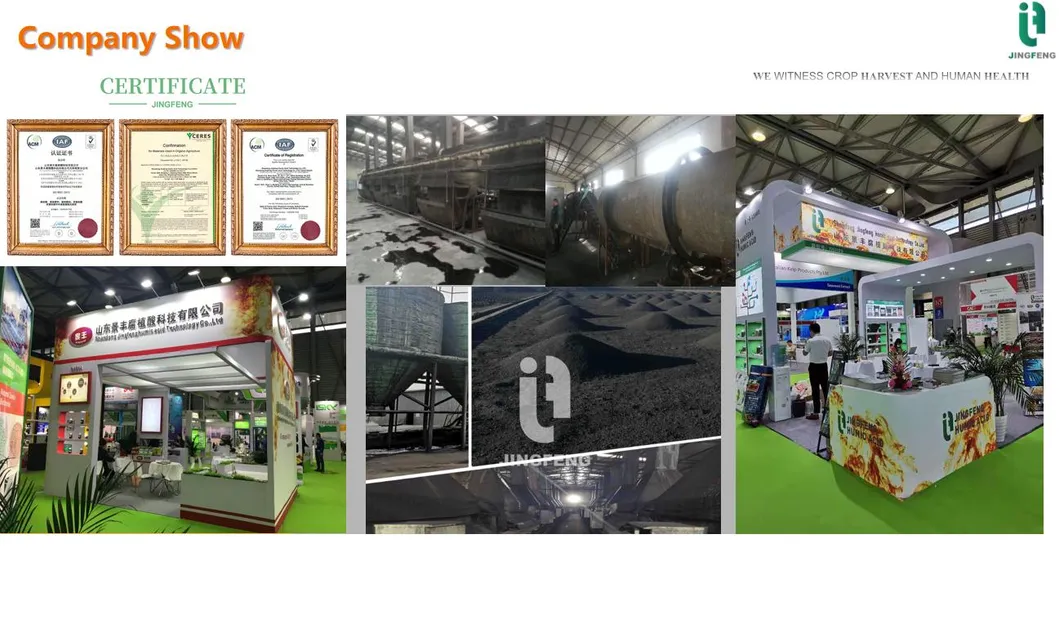
Production Facility

Our focus is on green agriculture and human health through the professional development, production, and sale of humic acid products. We offer over 30 types of products including agricultural base fertilizers, fulvic acid foliage sprays, and pharmaceutical-grade humic acid.

With products exported to Europe, America, Japan, South Korea, the Middle East, and Southeast Asia, we maintain a reputation for quality and reliability in soil remediation and plant stimulation.


Manufacturing Process

Frequently Asked Questions

1. What is the primary benefit of using humic acid granules?
Humic acid improves soil structure, increases water retention, and enhances the uptake of nutrients (NPK). It also acts as a natural microbial stimulator, improving overall soil fertility and plant health.
2. How does the slow-release mechanism help crops?
The granules release nutrients gradually over time, ensuring a steady supply of energy to the plants and reducing nutrient leaching into groundwater. This leads to higher fertilizer efficiency and long-term soil health.
3. Can these granules be used in organic farming?
Yes, our humic acid granules are extracted from natural Leonardite and are CERES certified, making them suitable for organic agricultural inputs.
4. What is the difference between Humic Acid and Fulvic Acid?
Humic Acid is soluble in alkaline solutions but not in water or acid, making it an excellent soil conditioner. Fulvic Acid is soluble in both water and acid, making it highly effective for foliar applications and rapid nutrient transport.
5. How does it improve saline-alkaline soils?
As an organic colloid, humic acid can help neutralize the pH of saline-alkaline soils and promote the formation of soil aggregates, which improves aeration and water permeability.
6. What is the recommended application method?
These granules are best used as a basal fertilizer or for topdressing. The application rate should be adjusted based on local soil conditions, crop types, and climate.
Product Summary

Related Products