Lenavax Nutrition
1 / 5
| Model NO. | JFHA-NPKHA-G |
|---|---|
| Application | Vegetables, Flowers, Fruit, Plant Growth Stimulator |
| State | Granular |
| Validity | Slow-acting |
| Physics State | Solid |
| Infection On Soil | Physiological Alkaline |
| Chemical Character | Chemical Alkaline |
| Raw Material | Leonardite and Lignite Extract |
| Type | Commercial Organic Fertilizer |
| Product Name | Humic Acid Granule |
| Water Solubility | No |
| Humic Acid (Dry Basis) | 15% / 50% / 60% |
| Organic Matter | 70% / 80% / 85% |
| Grade | Organic Inputs for Materials Used in Organic Agriculture |
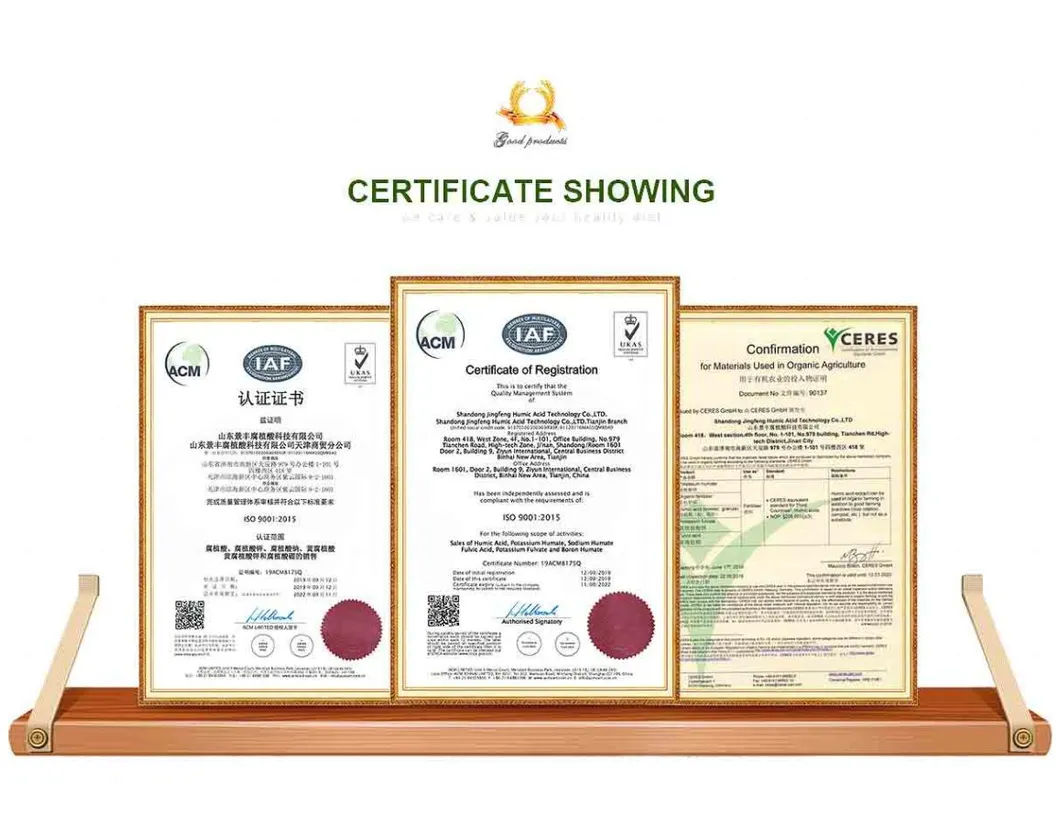
| Certificate | Ceres / ISO9001 / COA / MSDS / Registration |
| pH | 3.0 - 6.0 |
| Size | 2-4mm / 2-6mm |
| Moisture | 15% Max |
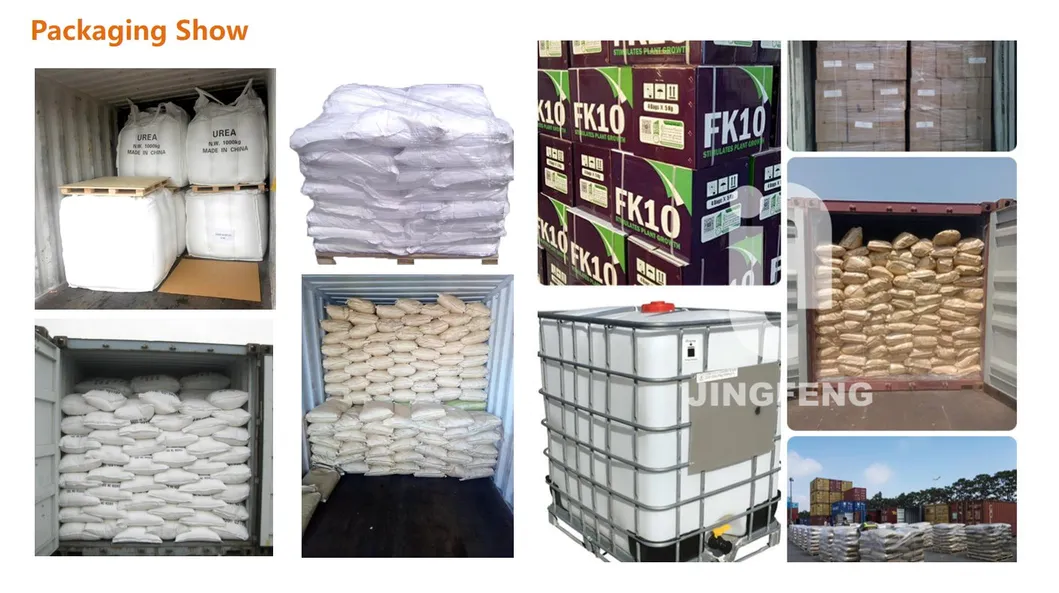
| Package | 20kgs/25kg Woven/Paper Bags with Inner Liner |
| Specification | NPK 14-0-1 |
| HS Code | 38249999 |
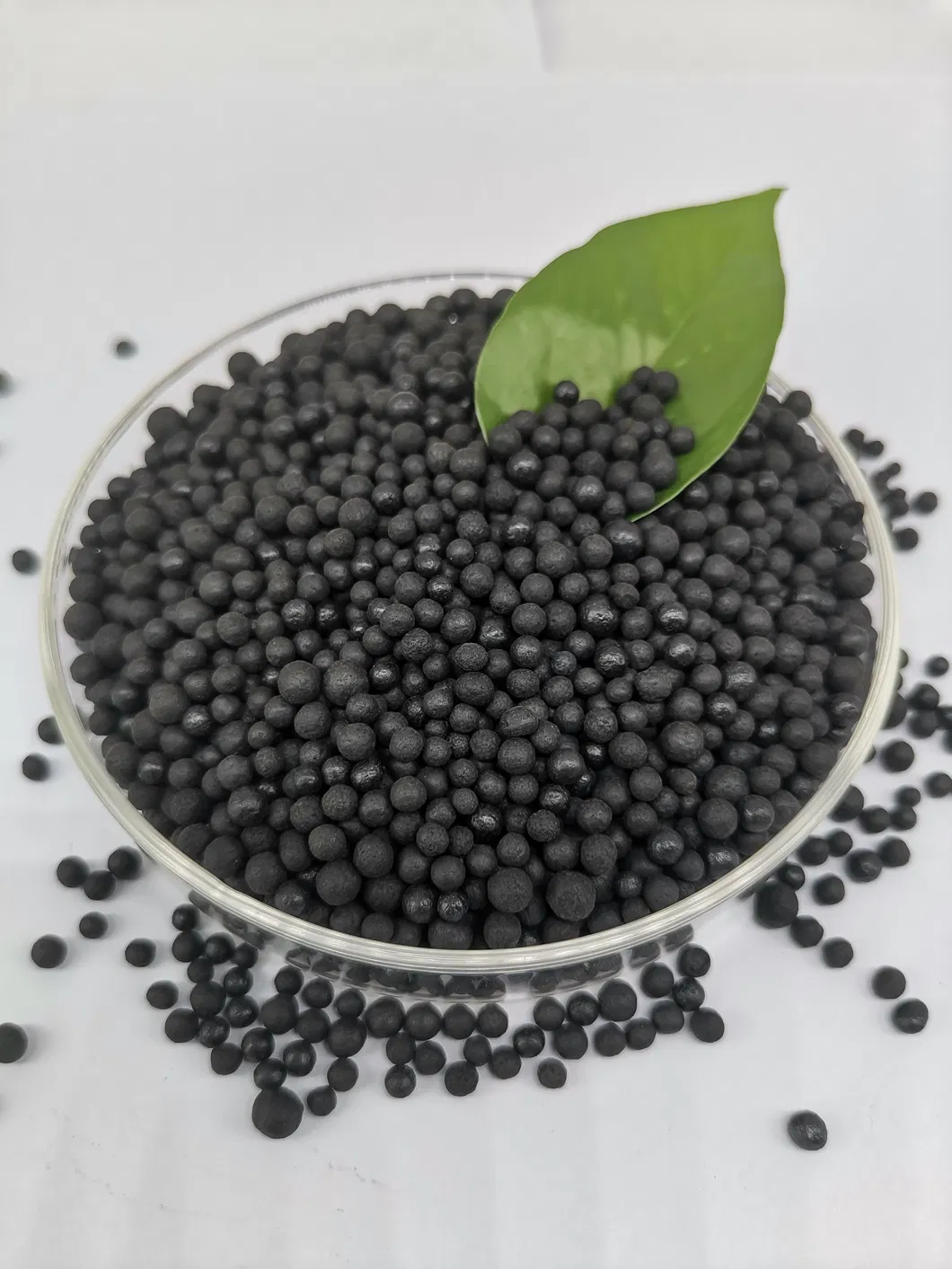
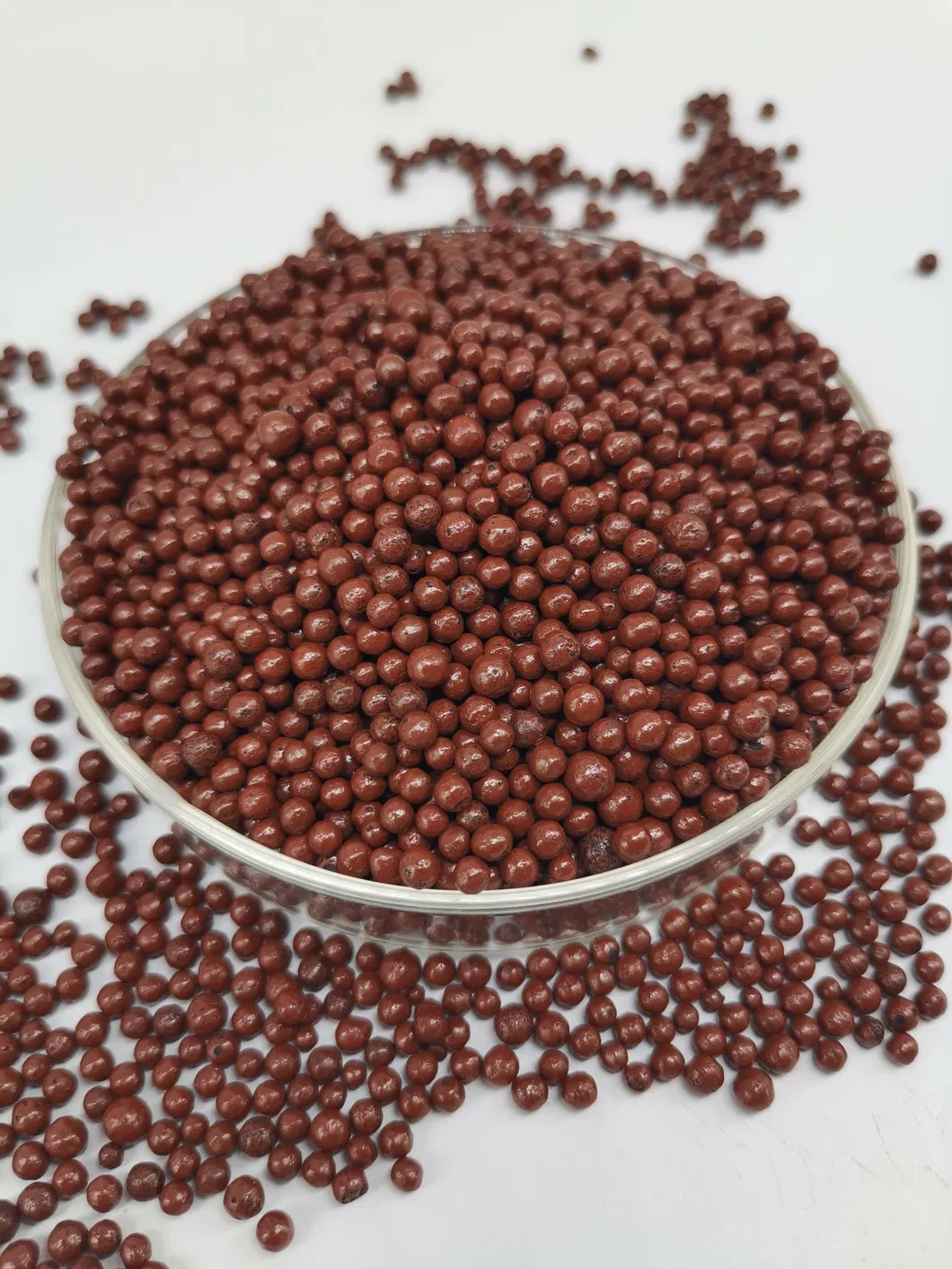
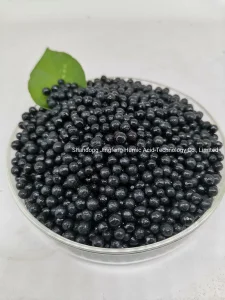
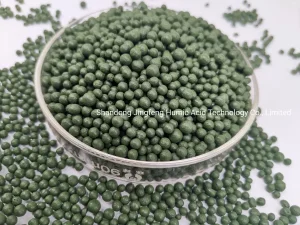
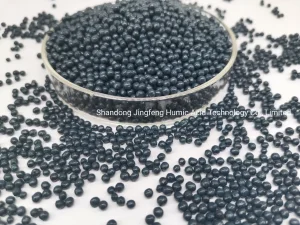
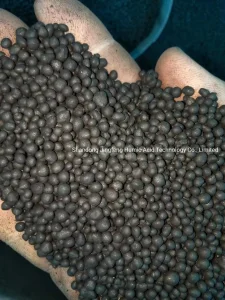
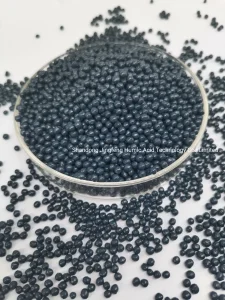
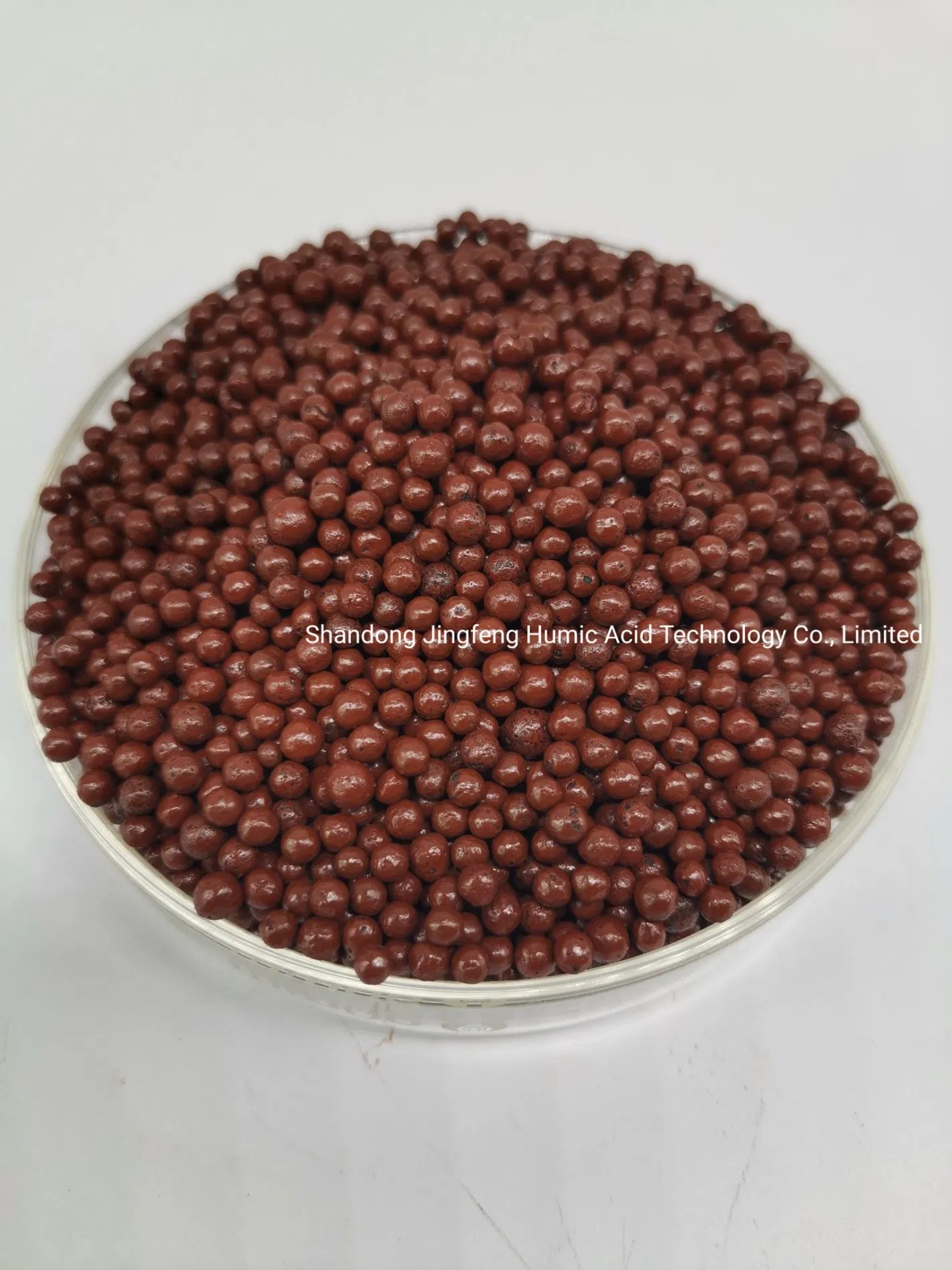
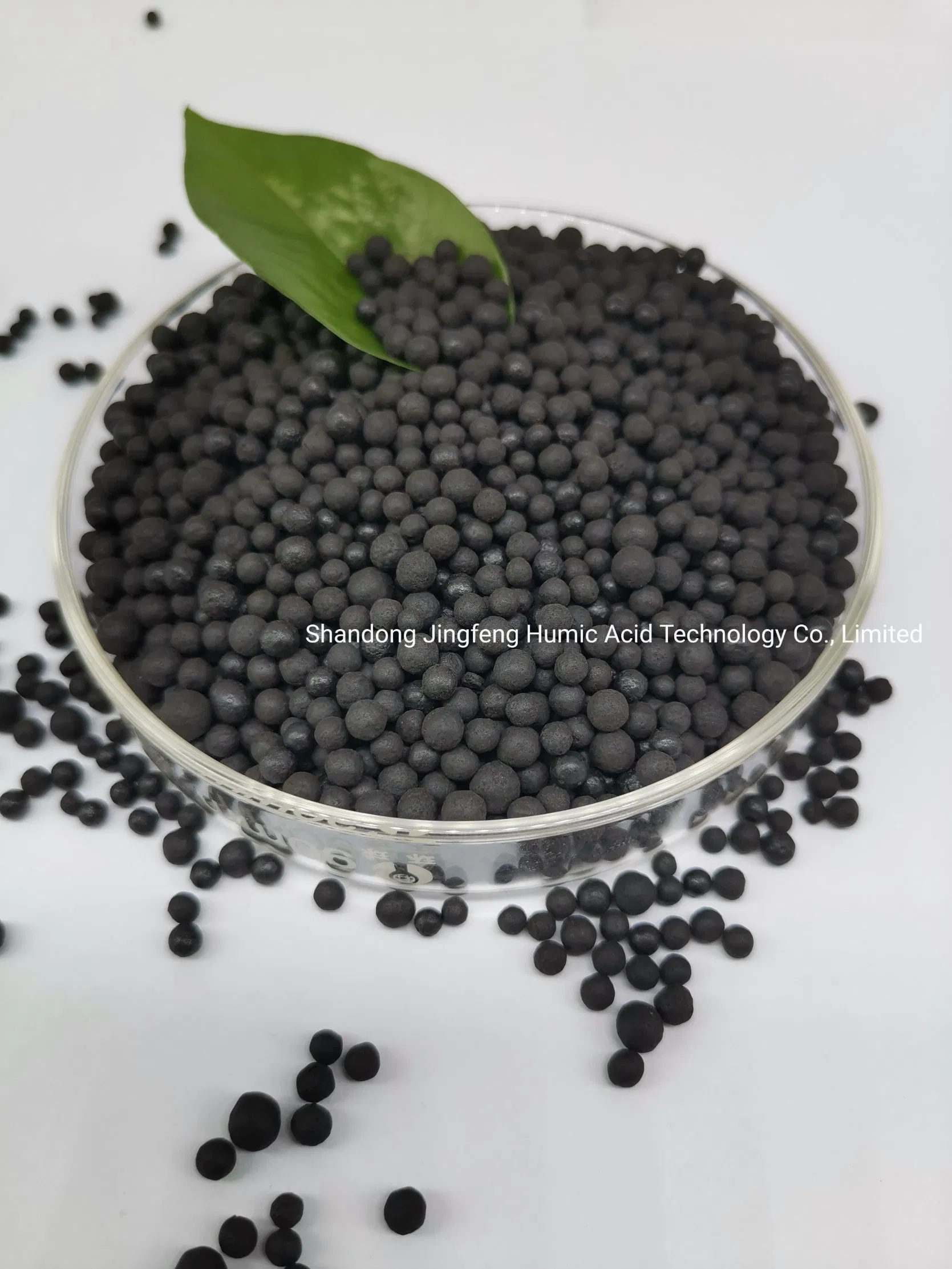
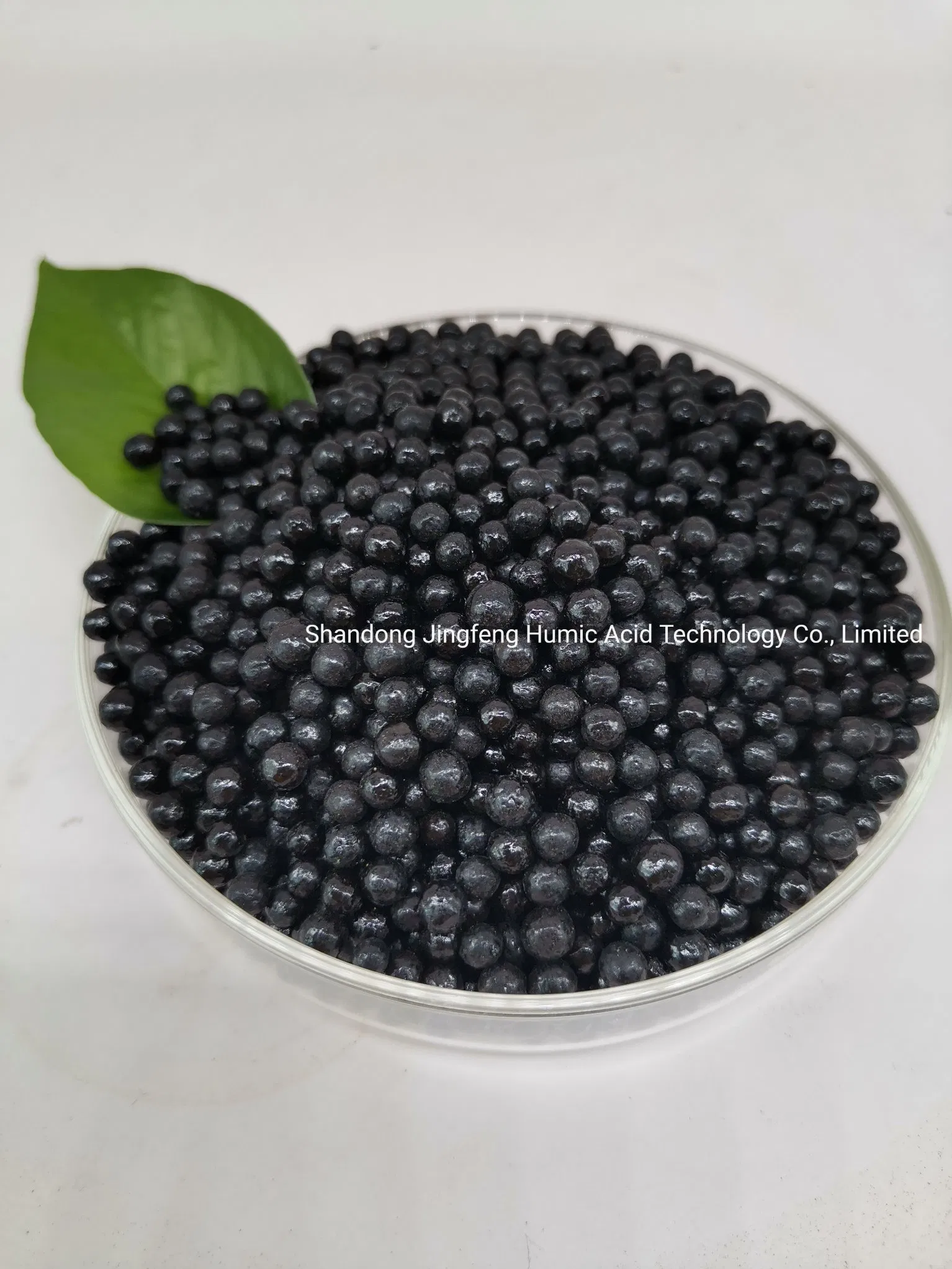
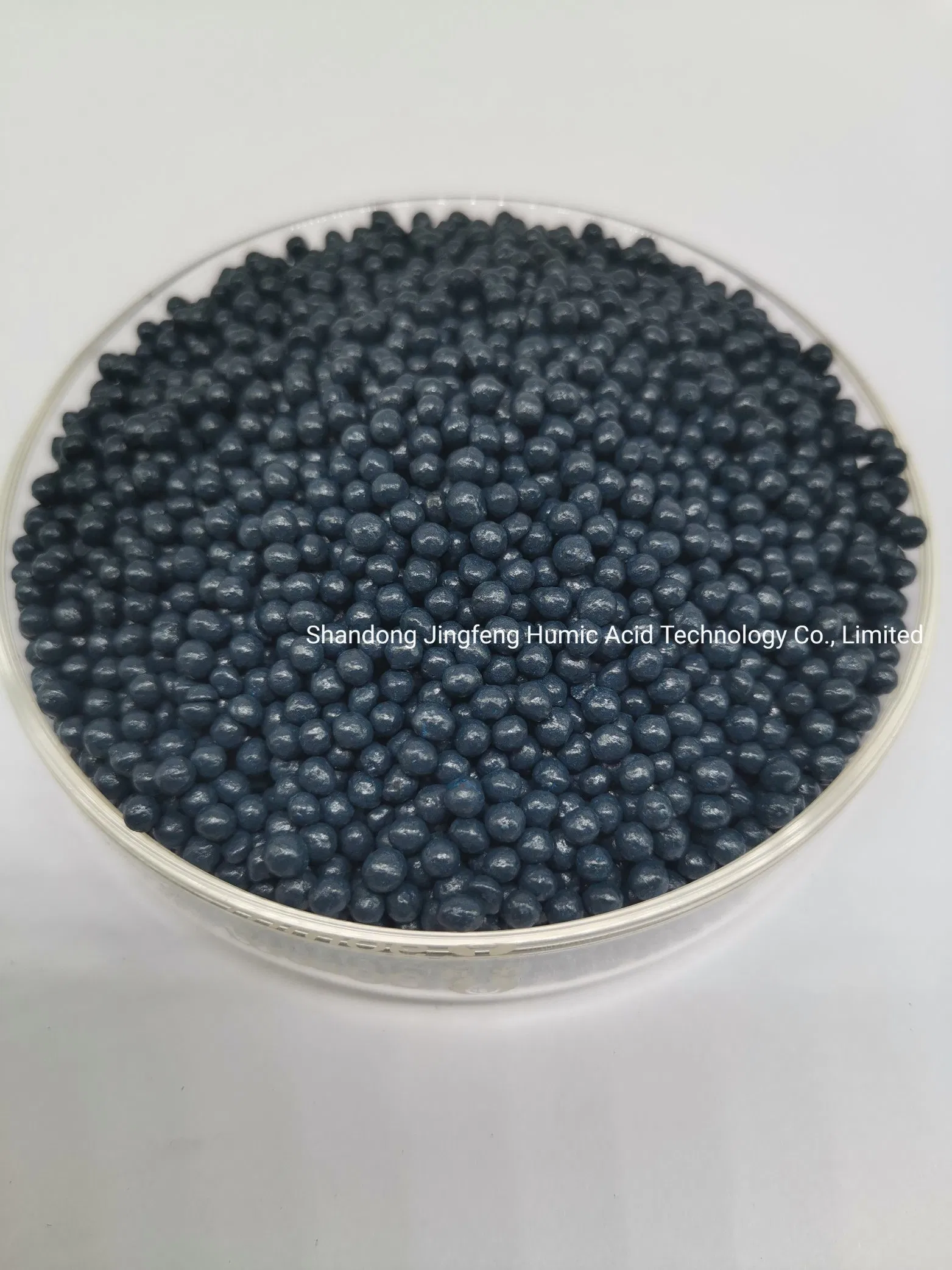
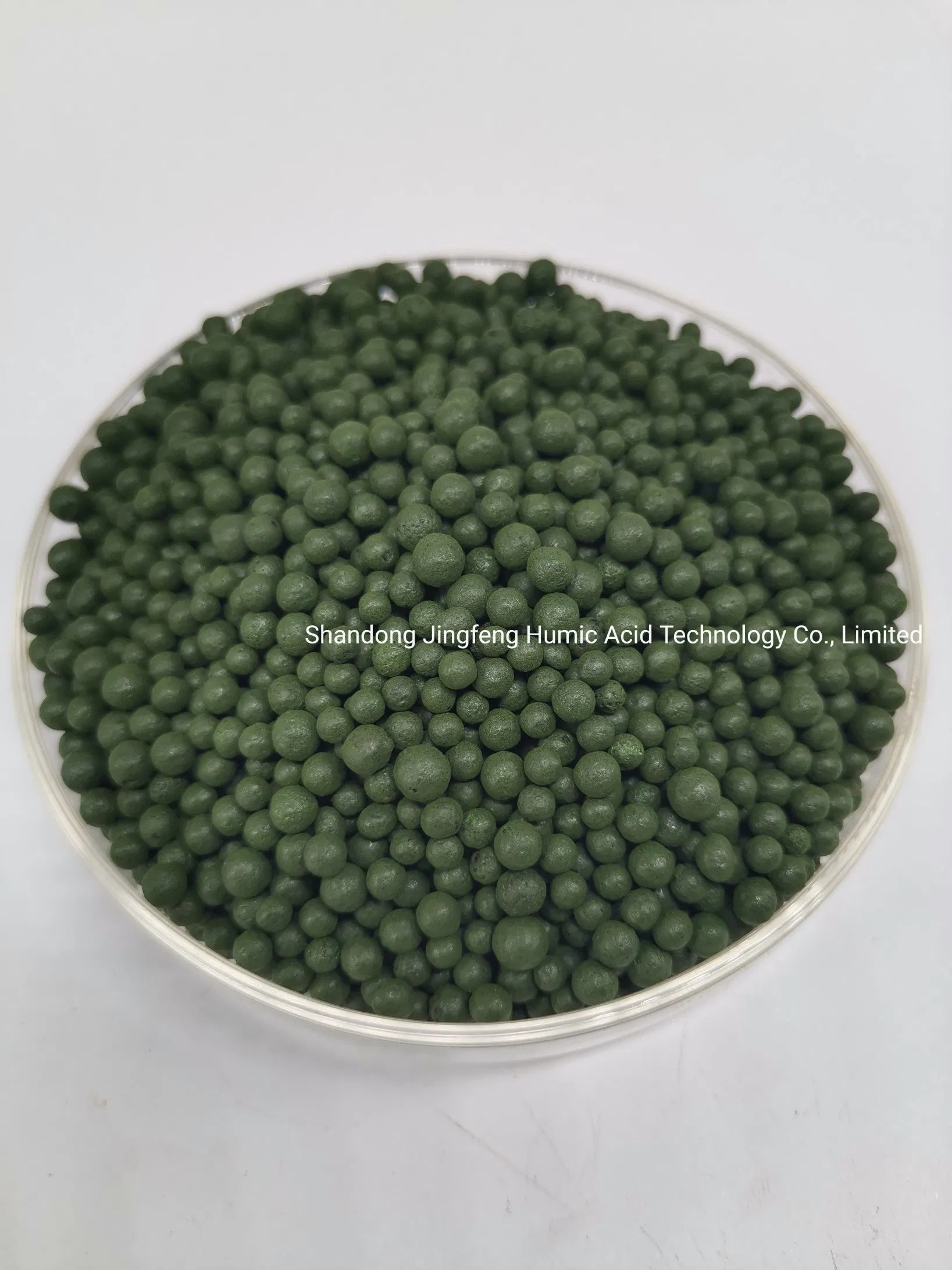
Insoluble Humic Acid Round Granule Prill. Formed by microbial degradation of dead biological substances (Leonardite). It consists of Humic Acid (HA), Fulvic Acid (FA), and Humin (HM). Available in 15%, 50%, and 60% concentrations with NPK 14-0-1.
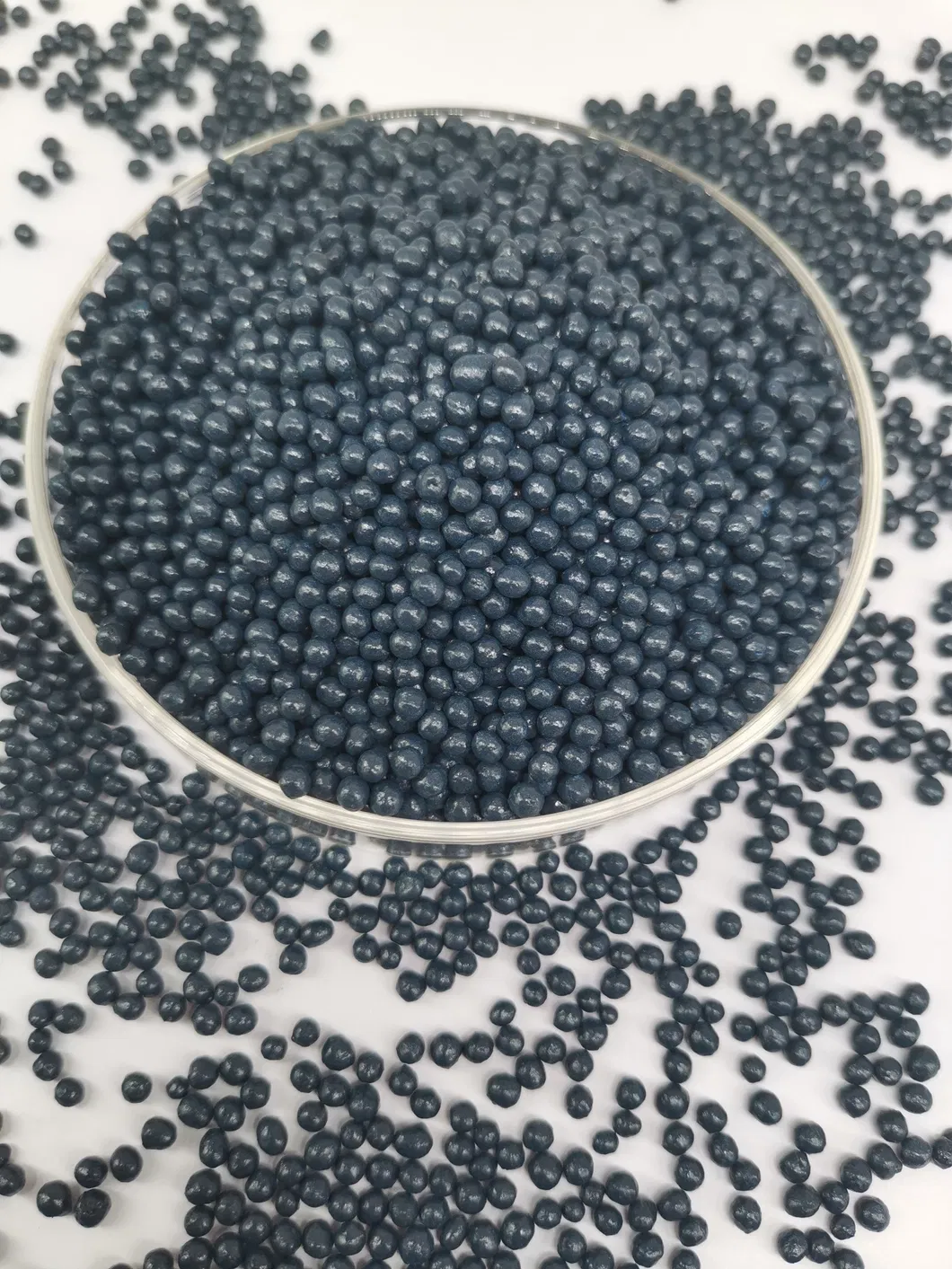
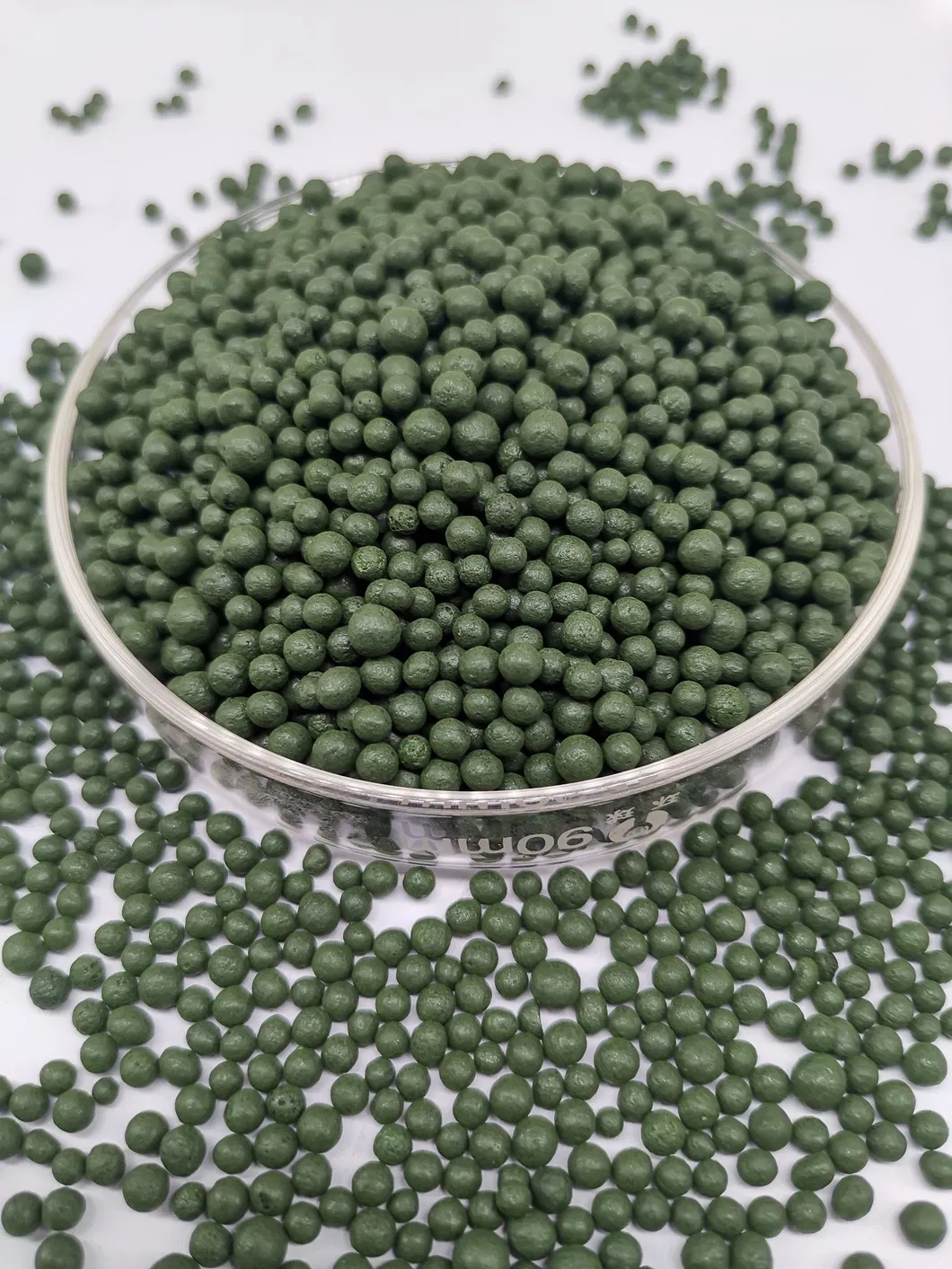
1. Low moisture and dust with high hardness.
2. Builds soil water holding capacity.
3. Remediation for low carbon, compacted, and sandy soils.
4. Increases N utilization by 15% to 20%.
| Property | JFHA-HA-1-P/G/C | JFHA-HA-2-P/G/C |
|---|---|---|
| Organic Matter | 85.0% min | 80.0% min |
| Humic Acid | 60.0% min | 50.0% min |
| C.E.C | ≥200meq / 100g | ≥200meq / 100g |
| Particle Size | 2-4mm / 2-6mm | 2-4mm / 2-6mm |
| pH | 4-6 | 4-6 |
| Appearance | Black Shiny balls |
|---|---|
| Amino acid | 10% min |
| Humic acid | 15% min |
| Total NPK | 15-0-1 |
| Particle Size | 2-5mm uniform granule |
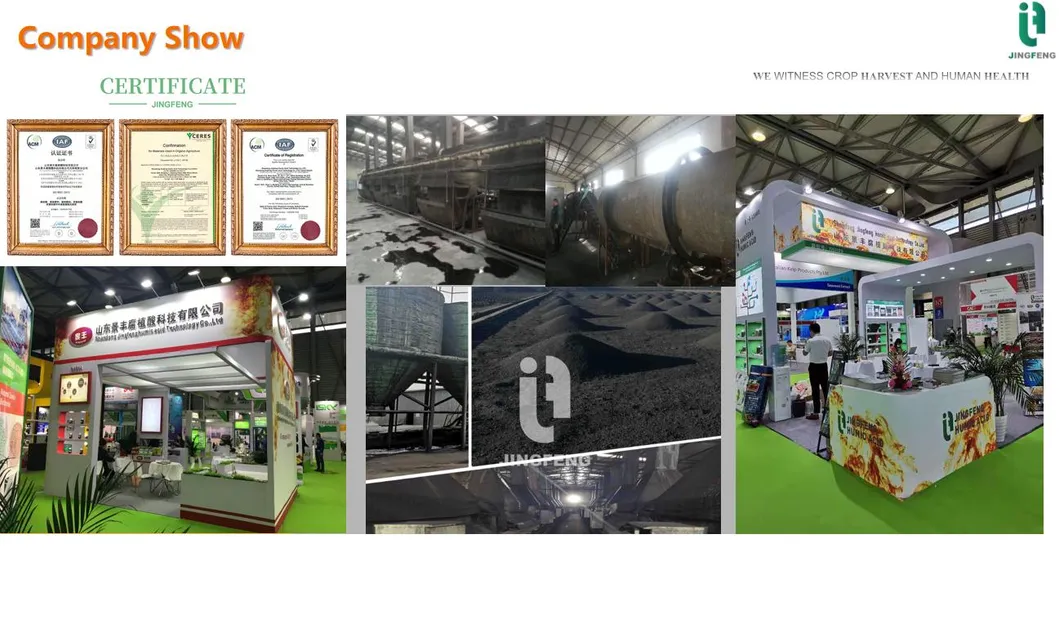
Focused on green agriculture and human health, we are committed to the development and production of humic acid series. Our range includes agricultural base fertilizers, NPK formulations, fulvic acid foliage, and pharmaceutical-grade products. With over 15 years of experience, our products are widely exported to Europe, America, Japan, South Korea, and Southeast Asia.

Humic acid is a complex mixture of organic matter created through microbial decomposition of animal and plant remains. It is a key component of humus and serves as a natural soil conditioner.
In sandy soils, it helps retain water and nutrients. In heavy, compact soils, it works with fungi to create a crumb structure that allows for better water, oxygen, and nutrient intake for roots.
Yes, humic acid has a buffering capacity that helps neutralize both acidic and alkaline soils, adjusting the pH value to a level more suitable for plant growth.
Humic acid has the ability to fix nitrogen, decompose phosphate, and fix potassium. This synergistic effect increases the utilization rate of NPK fertilizers by crops.
Potassium humate is an important humic acid salt produced by treating Leonardite or Lignite with an alkaline substance like KOH. It is highly effective as a plant growth stimulant.
The process involves selecting raw Leonardite, followed by natural oxidation, crushing into fine powder, chemical reaction with alkaline under high pressure, sedimentation, filtering, and finally drying into flakes, powder, or crystals.