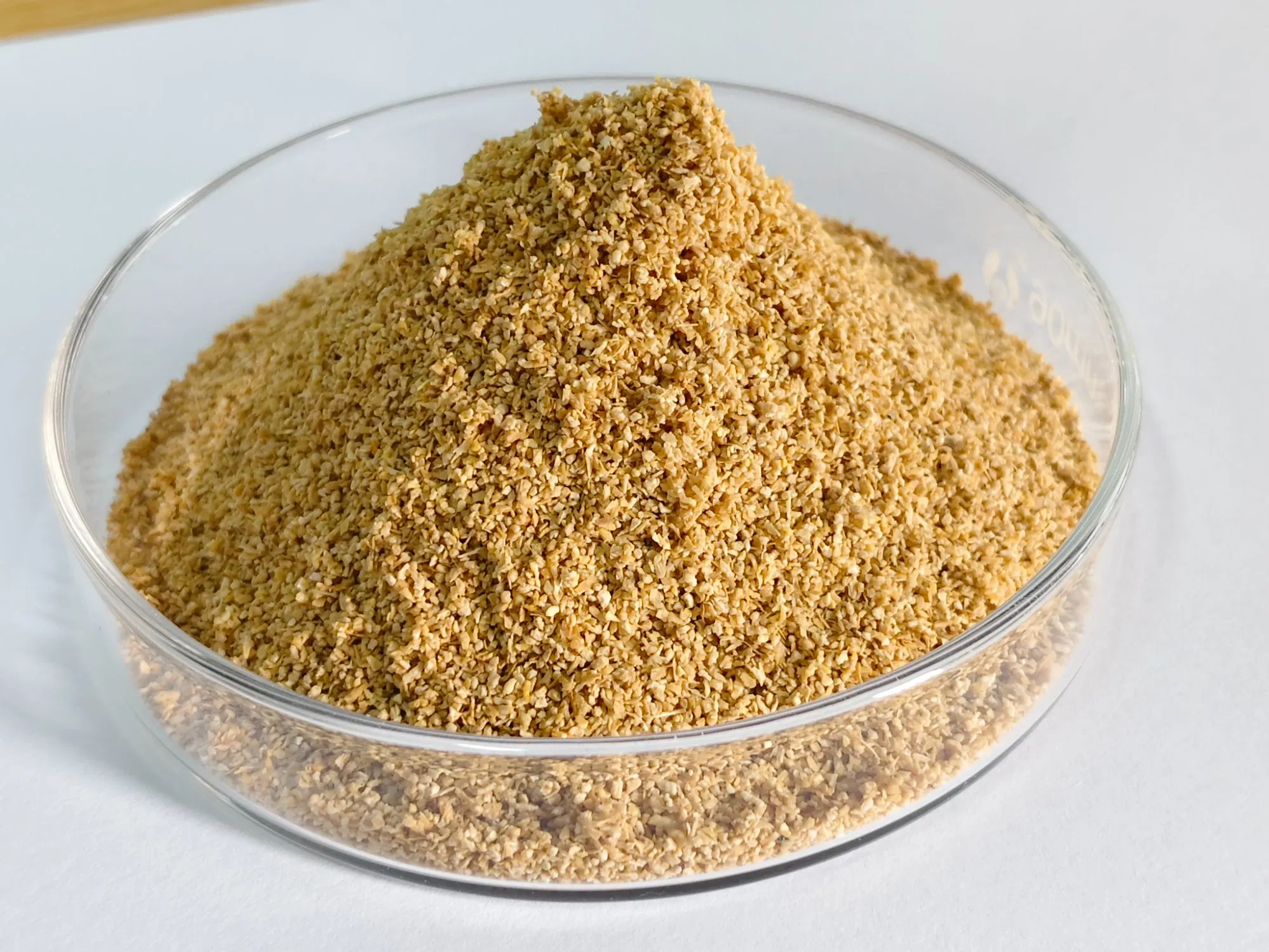
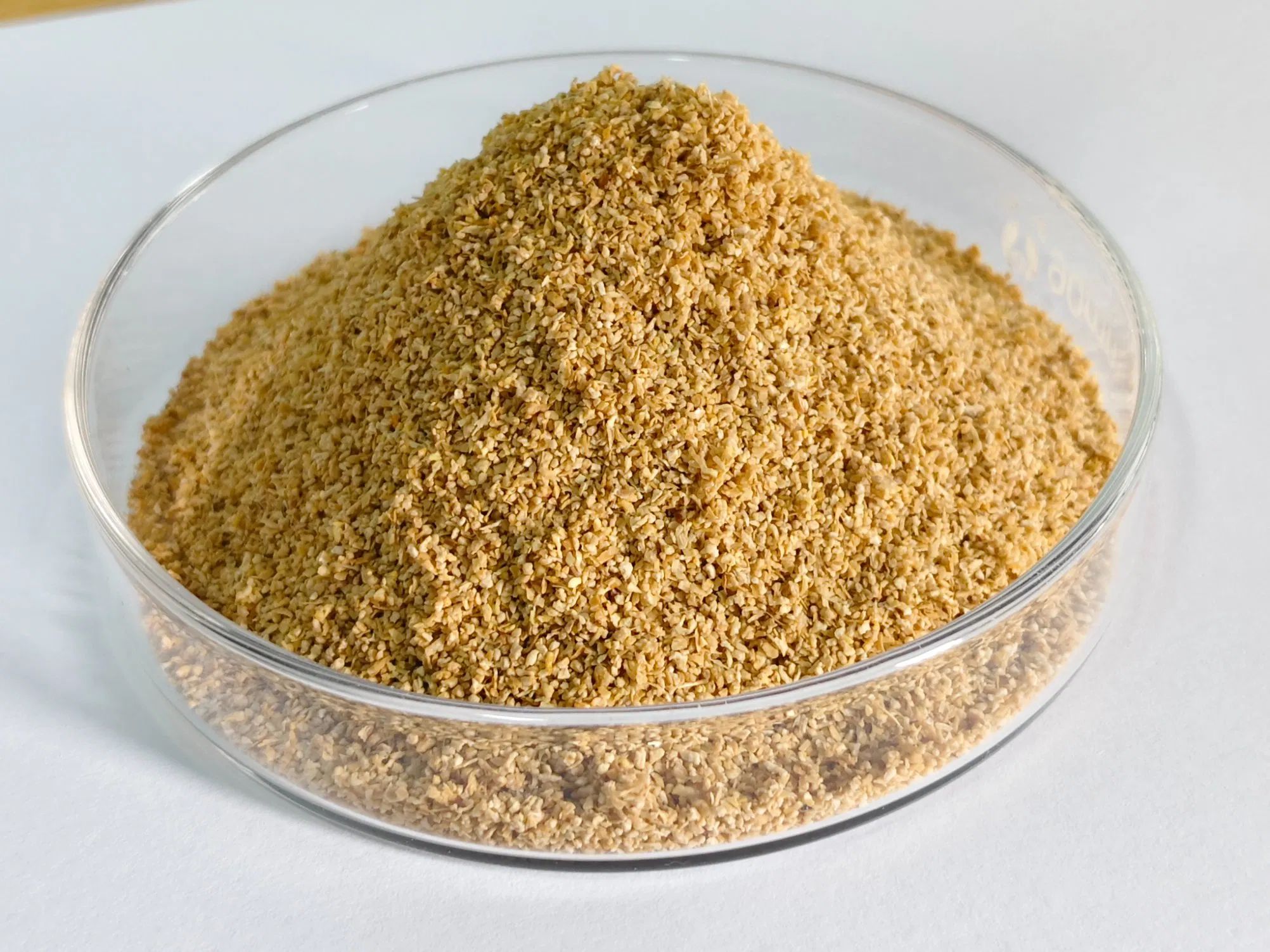
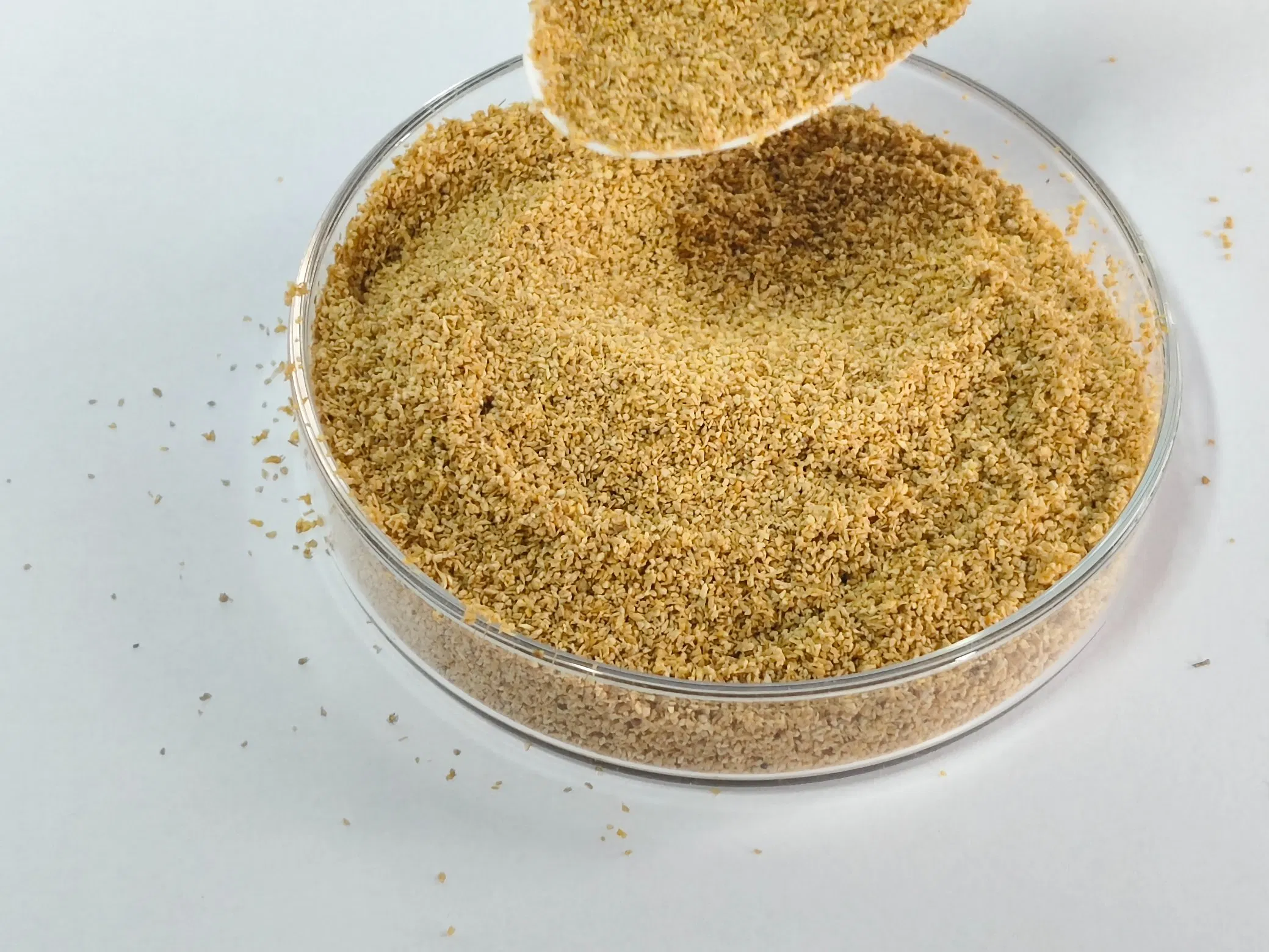
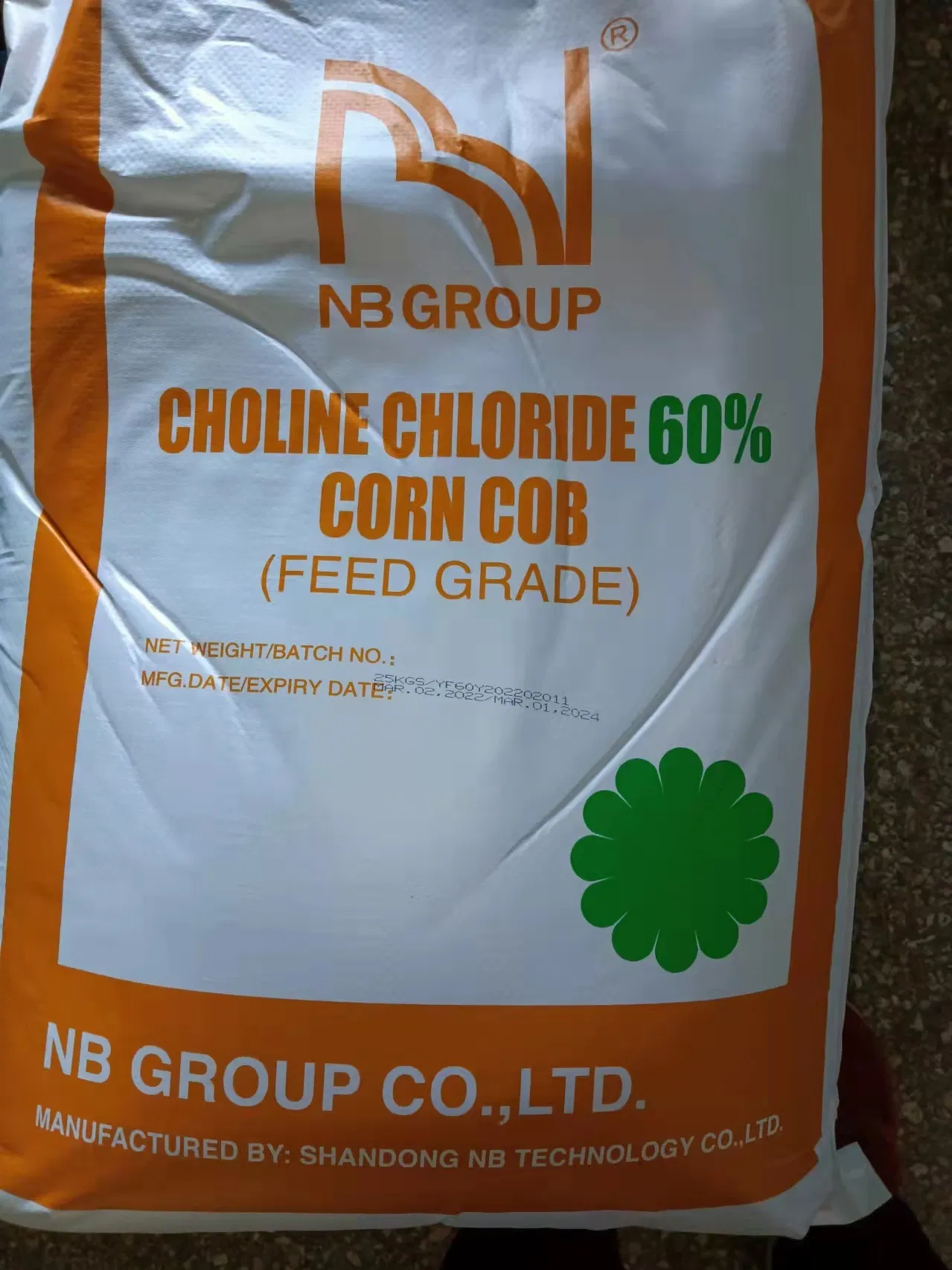
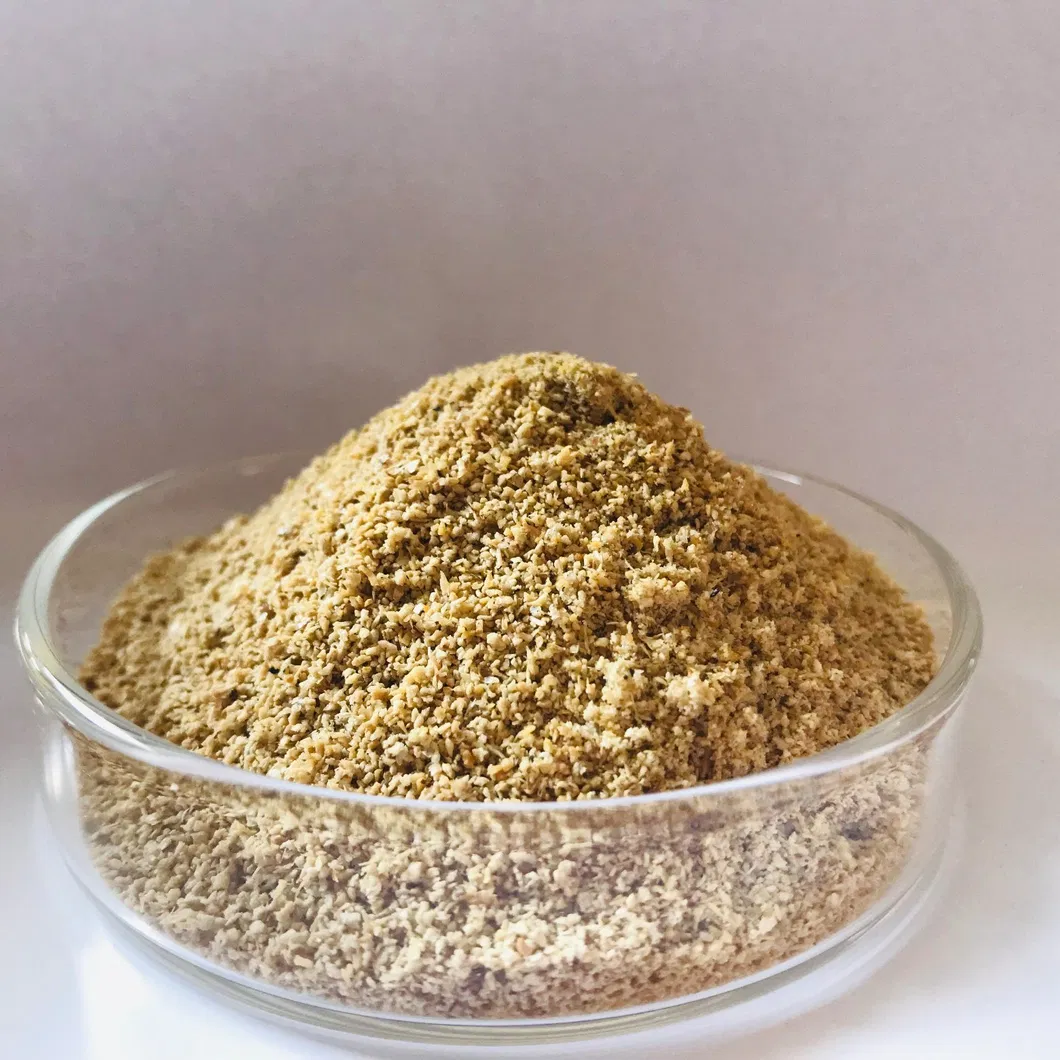
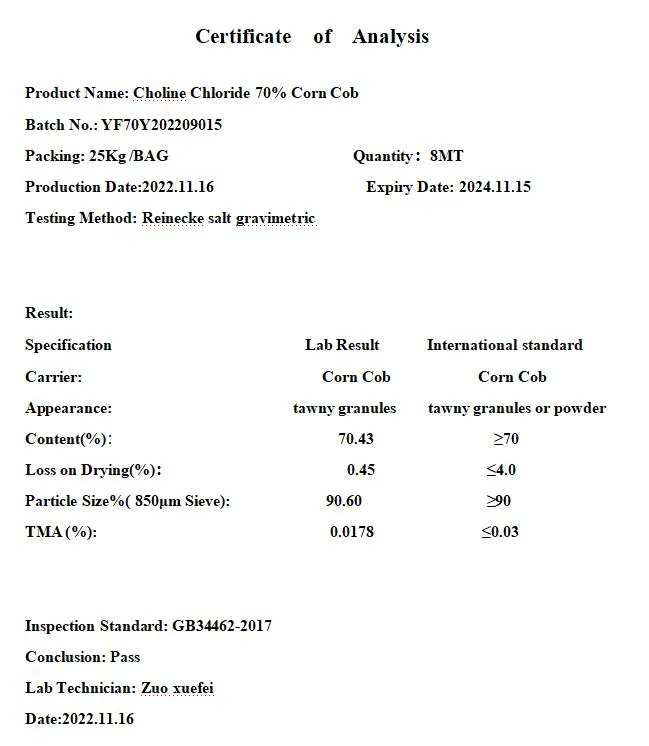
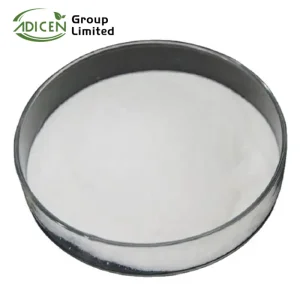
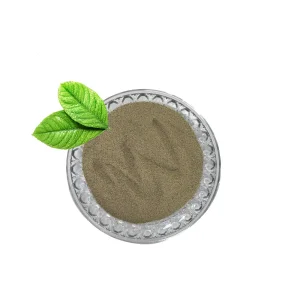
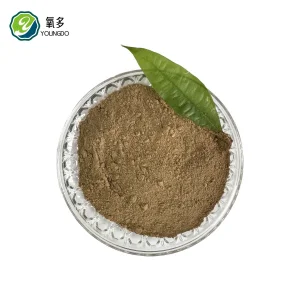
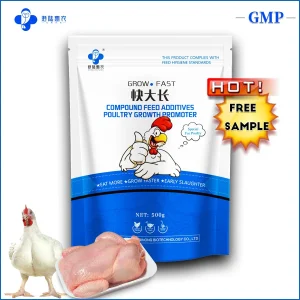
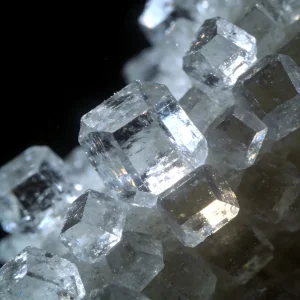
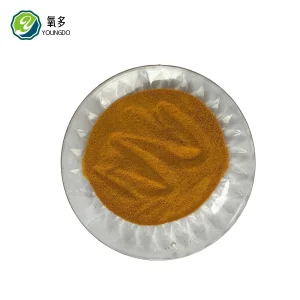
Choline chloride is an essential feed additive used to supplement choline in animal diets. Choline Chloride 60% refers to a product containing 60% choline, typically available as a solid powder or granules. It is highly soluble in water and exhibits good stability.
Main Composition & Specifications
- Choline Content: ≥60%
- Form: White or light yellow crystalline powder, highly hygroscopic.
- Packaging: Usually 25kg/bag, stored in moisture-proof, sealed conditions.
Functions & Benefits
- Fat Metabolism: Prevents fatty liver and improves feed efficiency.
- Neurotransmission: Acts as a precursor for acetylcholine, supporting nervous system function.
- Growth Performance: Enhances growth rates in poultry, swine, and aquaculture species, and improves egg production.
- Liver Protection: Reduces metabolic disorders caused by choline deficiency.
Recommended Dosage
| Animal Species |
Recommended Dosage (per ton of feed) |
| Poultry (Chickens, Ducks) | 500-1500g |
| Swine | 300-1000g |
| Aquaculture (Fish, Shrimp) | 800-1200g |
| Ruminants | 200-500g |
*(Dosage should be adjusted based on feed formulation and growth stage.)
Key Advantages
- High Efficiency: 60% choline content ensures optimal supplementation.
- Cost-Effective: Reduces inclusion rate and transportation costs.
- Safety: Complies with international feed safety standards.
Precautions
- Moisture Control: Highly hygroscopic—store in a dry, sealed environment.
- Compatibility: Avoid direct mixing with strong oxidizers or vitamin K3.
- Overdose Risk: Excessive intake may cause diarrhea or metabolic stress.
Standard Package: 25kg package
Loading Capacity: 16-18 tons per 1FCL
Frequently Asked Questions
Q1: What is the primary role of Choline Chloride 60% in animal feed?
A: It primarily assists in fat metabolism to prevent fatty liver, supports the nervous system as an acetylcholine precursor, and promotes overall growth and egg production.
Q2: How should Choline Chloride be stored to maintain its quality?
A: Due to its highly hygroscopic nature, it must be stored in a dry, well-ventilated, and shady environment within sealed containers to prevent moisture absorption.
Q3: What is the recommended dosage for poultry?
A: The standard recommended dosage for poultry such as chickens and ducks is between 500g and 1500g per ton of feed, depending on the specific growth stage.
Q4: Are there any compatibility issues with other feed additives?
A: Yes, you should avoid direct mixing of Choline Chloride with strong oxidizers or Vitamin K3 to maintain the stability of the nutrients.
Q5: What is the shelf life of this product?
A: When stored under proper conditions (dry and cool), the product has a shelf life of two years.
Q6: Is Choline Chloride 60% suitable for aquaculture?
A: Yes, it is widely used in aquaculture for fish and shrimp with a recommended dosage of 800-1200g per ton of feed to improve growth performance.
 Lenavax Nutrition