Lenavax Nutrition
1 / 5
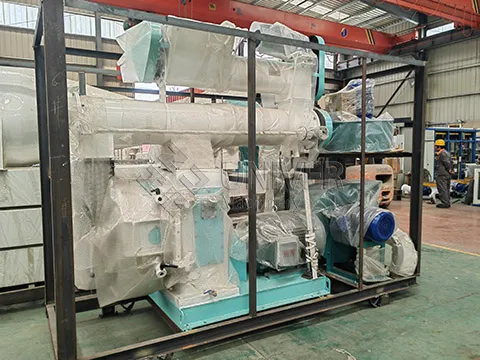
| Model NO. | Animal feed pellet machine | Processing Object | Animal-Derived Feed |
| Processing Technics | Crushing-before-Mixing | Screen Mesh | With Screen Mesh |
| Grinding Equipment Type | Feed Hammer Mill | Pellet Mill Type | Ring Die Pelleter |
| Bulking Machine Type | Twin Screw Bulking Machine | Expanding Method | Wet Expansion |
| Condition | New | Applicable Materials Shape | Granular |
| Warranty | One Year | Application | Poultry Farm Livestock Farm Fish Farm |
| Capacity | 1-50tph | Final Feed Size | 2mm-10mm |
| Feed Form | Pellet, Mash and Crumble | Material | Carbon Steel, 304 Stainless Steel |
| Motor Brand | Siemens / Weg Brand | Delivery Time | 30-50days |
| Voltage | 380V/440V/50Hz/60Hz/3pH | Installation | Send Engineers to Guide at Site |
| Certification | ISO, CE | Feature | Fully Automatic High Efficiency |
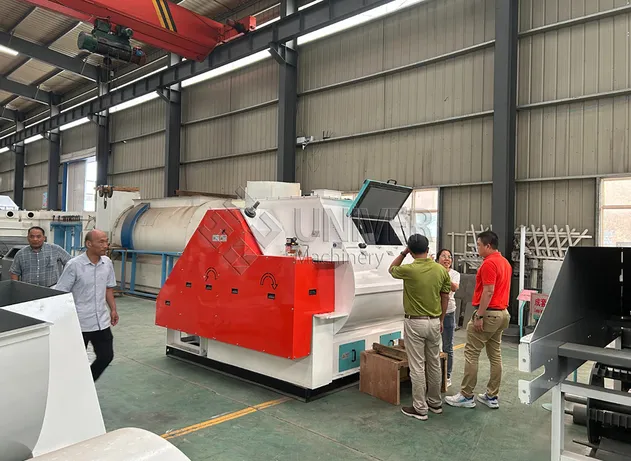
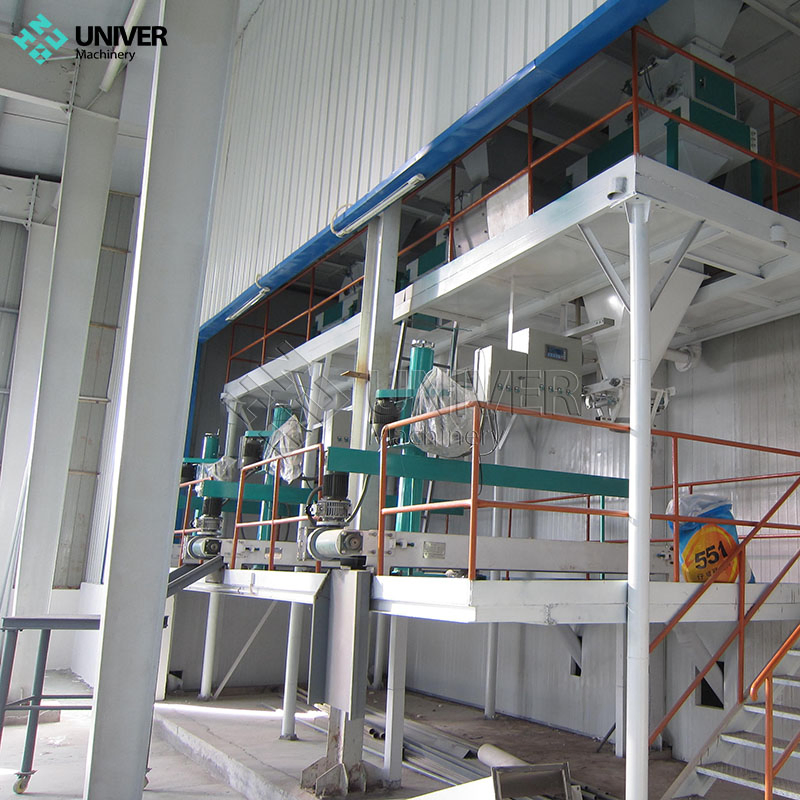
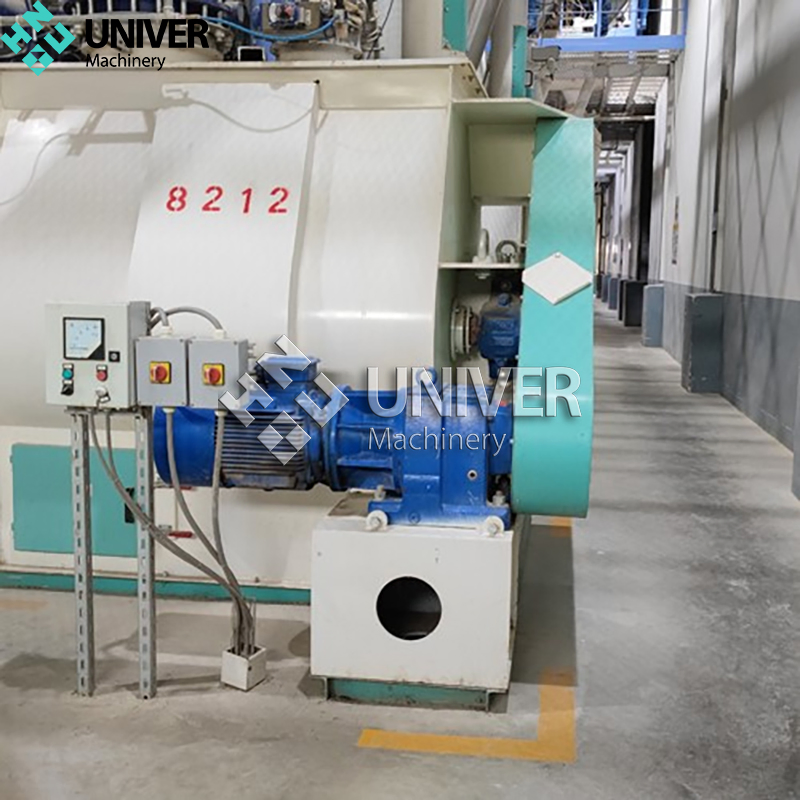
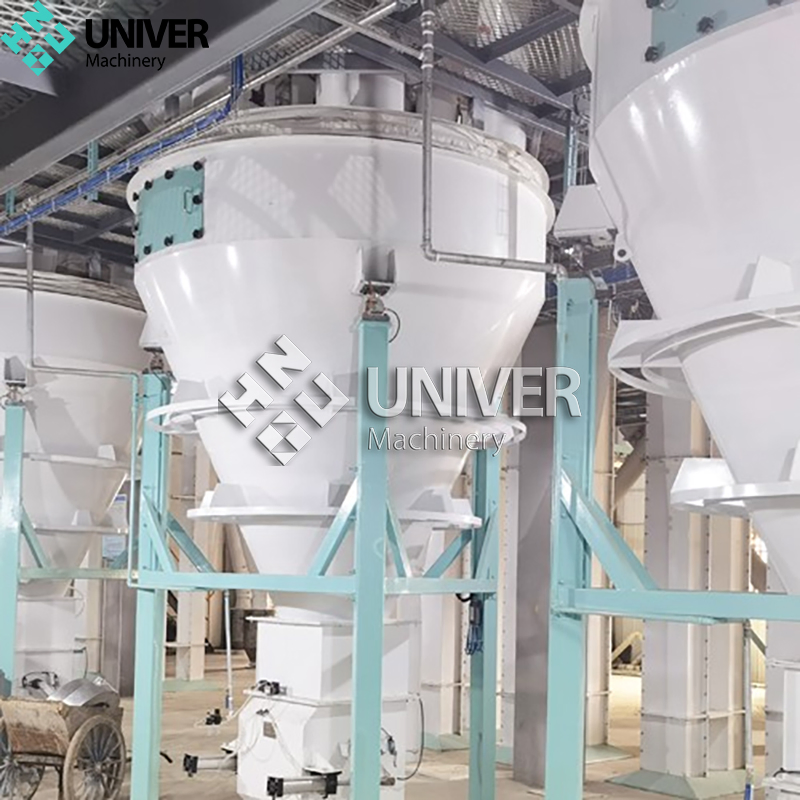
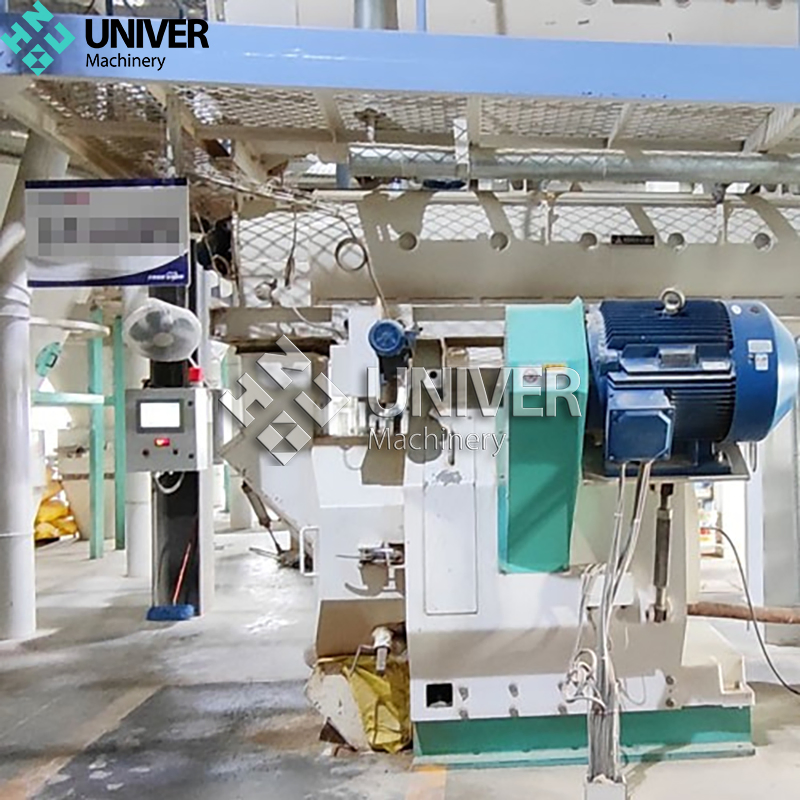
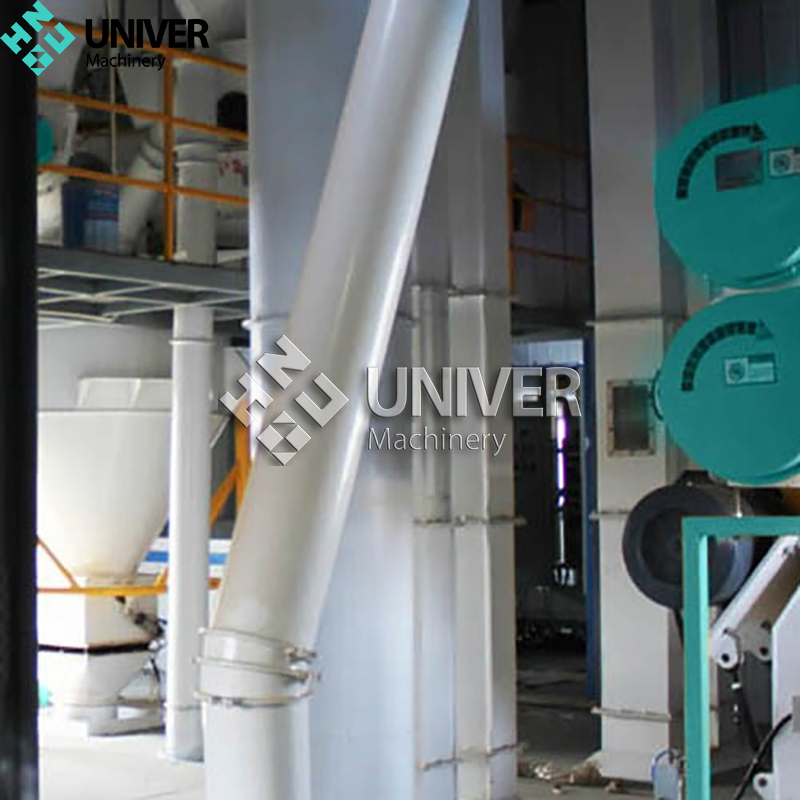
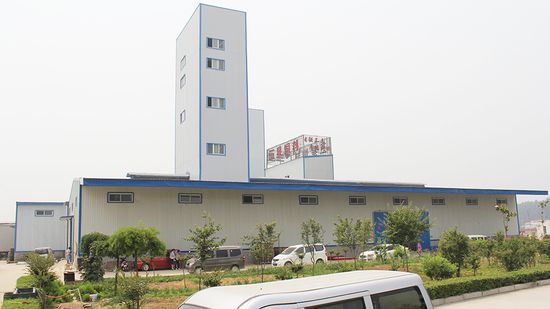
Complete poultry and livestock feed mill plant is a facility designed to produce high-quality animal feed for poultry (chickens, ducks, turkeys) and livestock (cattle, pigs, sheep, goats). These plants play a crucial role in the agriculture and animal husbandry industries by ensuring optimal nutrition for animals, improving growth rates, and enhancing overall farm productivity.
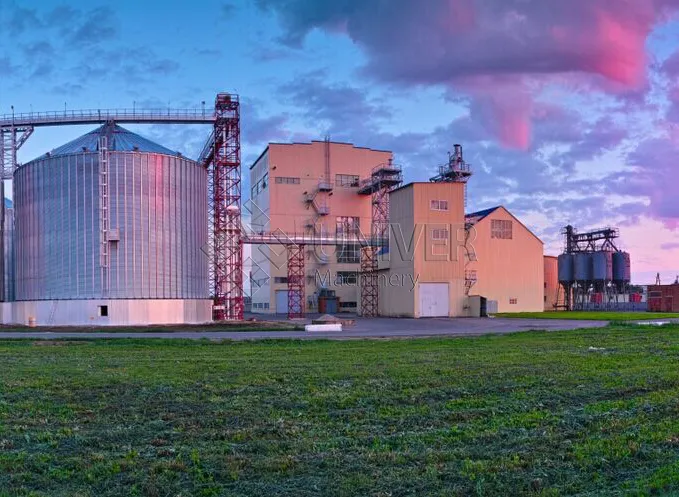
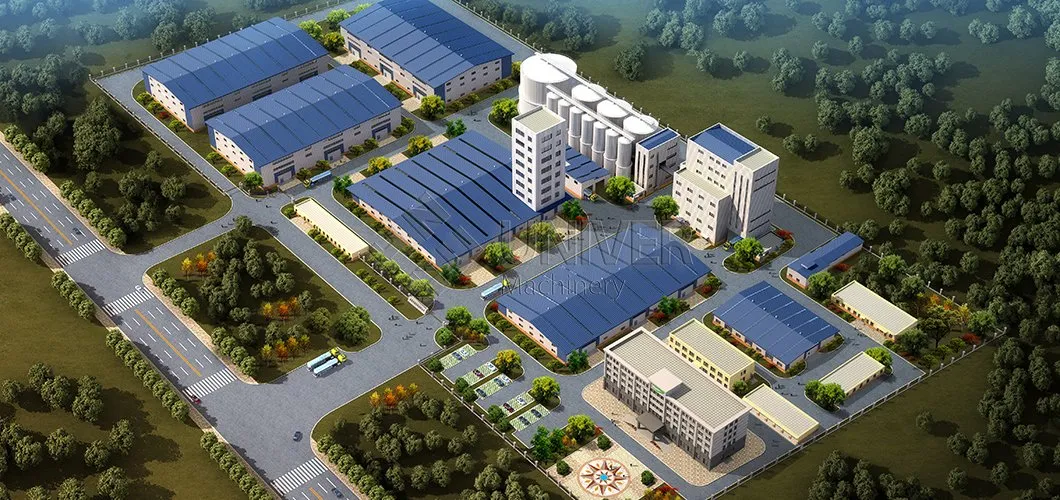
Comprehensive technical services including 1-50tph layout, process design, equipment manufacturing, and 3D digital planning.
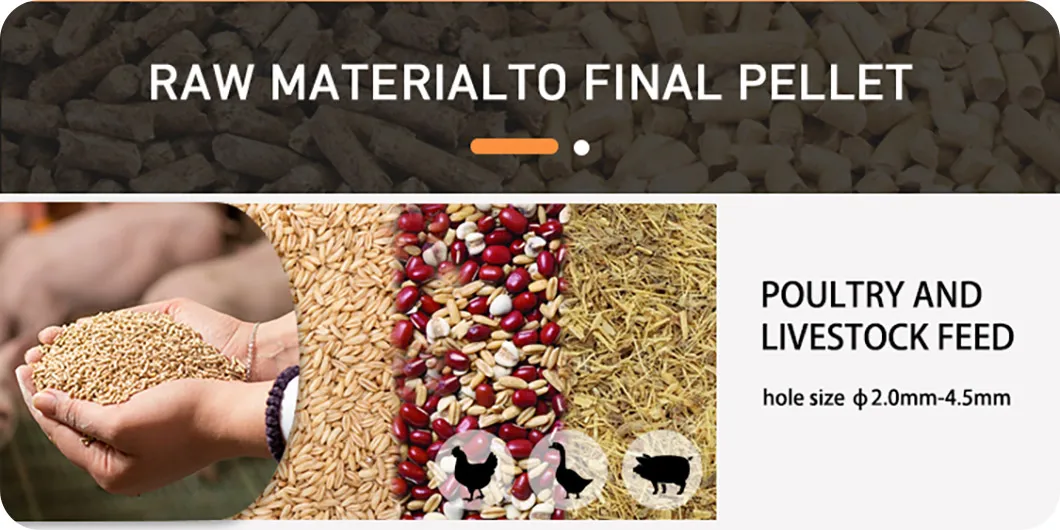
Common raw materials include corn/maize, brown rice, wheat, paddy, barley, oats, sorghum, soybean meal, wheat bran, vegetable oils, and limestone.
| Animal | Growth Stage | Ring Die hole (mm) | Compression Ratio | Grinder Screen (mm) | Intake (kg/d) |
|---|---|---|---|---|---|
| Pig | Piglet | 2.0-2.5mm | 1:4~6 | φ 1.5-2.0 | 0.1-0.3 |
| Pig | Fatten pig | 3.0-3.5mm | 1:5~8 | φ 1.5-3.0 | 2.5-3.0 |
| Chicken | Layer(mash) | - | - | φ 6.0-8.0 | 0.12 |
| Chicken | Broiler (pellet) | 3.0-4.0mm | 1:10~12 | φ 2.0-2.5 | 0.1-0.15 |
| Meat Duck | Grower | 2.0-3.0mm | 1:13~15 | φ 2.0-2.5 | 0.12-0.15 |
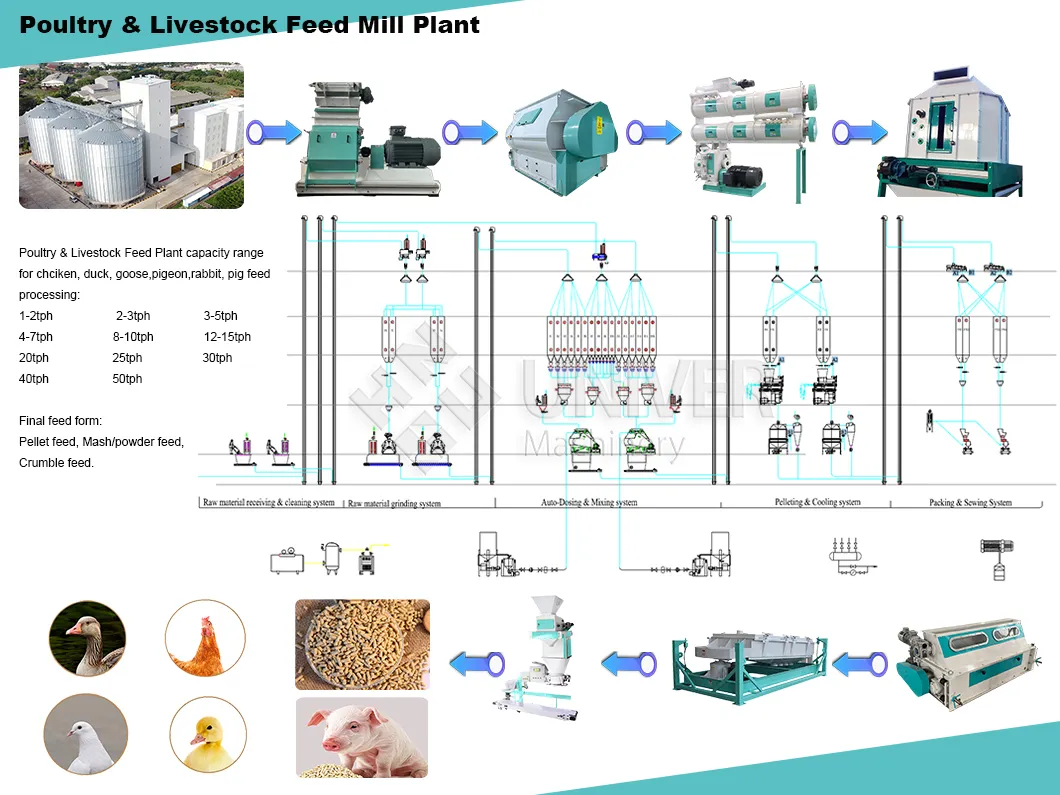
From A to Z: Raw materials receiving & cleaning → Grinding → Automatic batching & mixing → Pelletizing & Cooling → Final feed packing. Support systems include air compressors and steam supply.
| Model | SLZH250 | SLZH320 | SLZH350 | SLZH420 | SLZH508 |
|---|---|---|---|---|---|
| Pellet Mill Power (kw) | 22 | 37 | 55 | 110 | 132 |
| Capacity (tph) | 1-2 | 2-4 | 3-7 | 5-15 | 6-20 |
| Ring Die Dia (mm) | 250 | 320 | 350 | 420 | 508 |