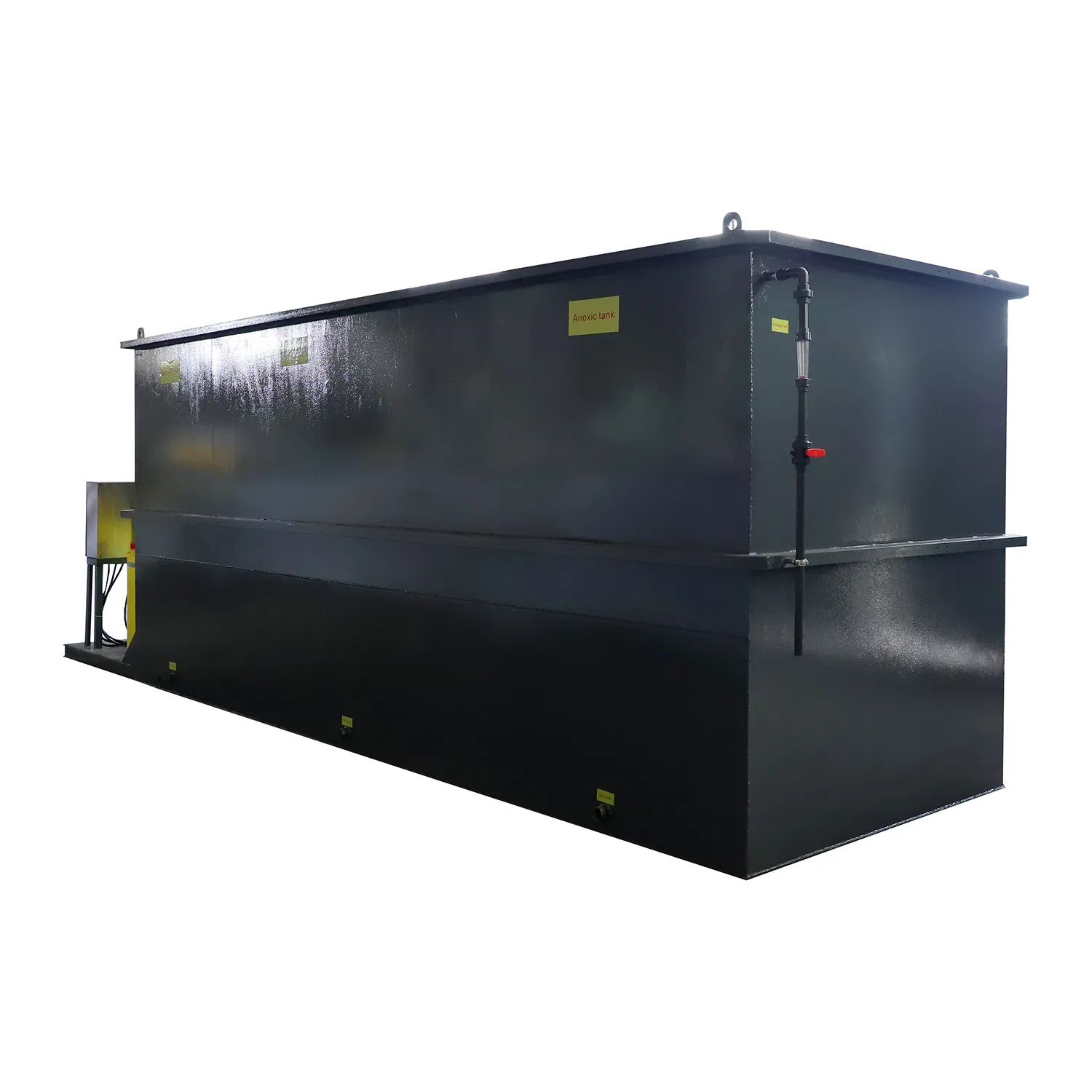
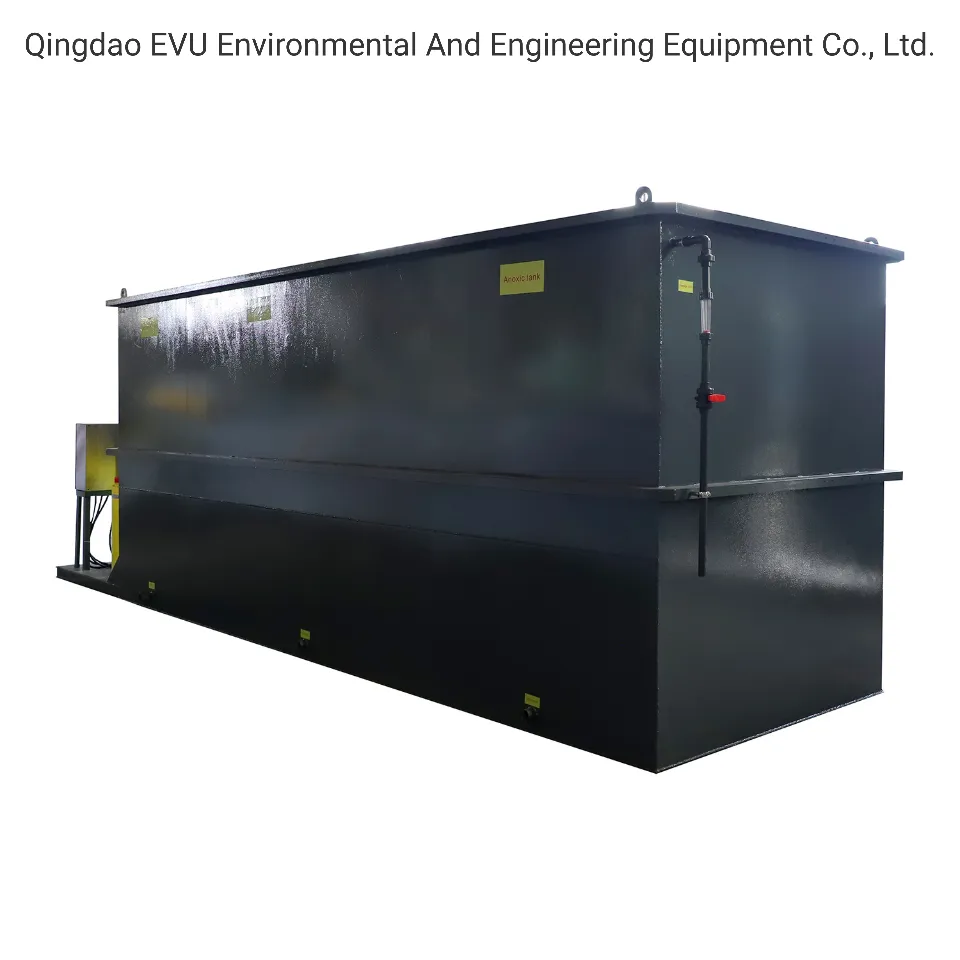
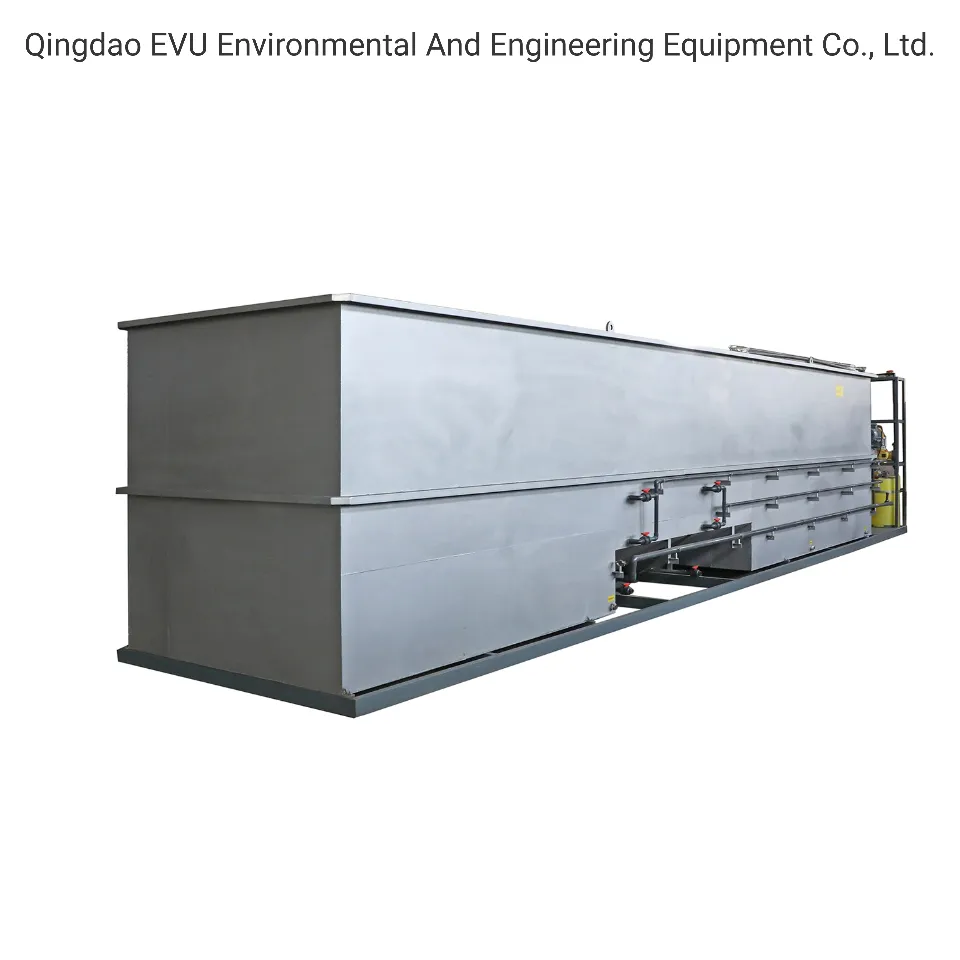
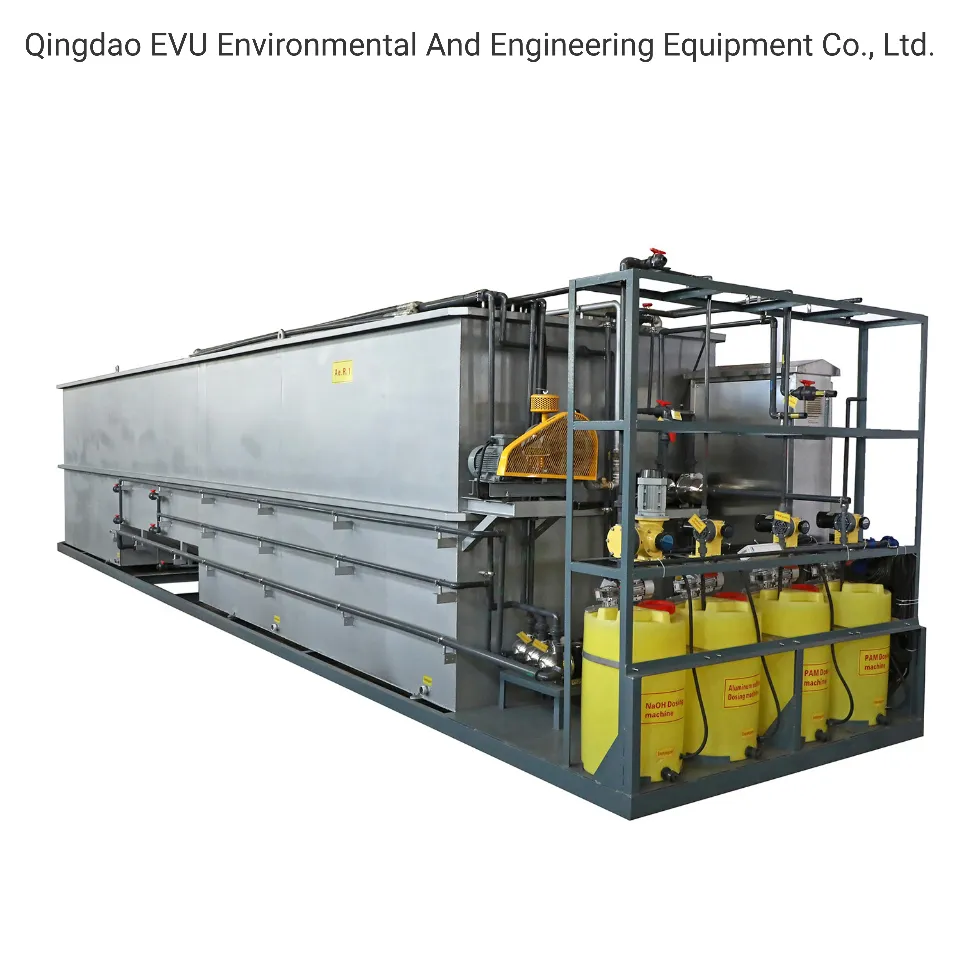
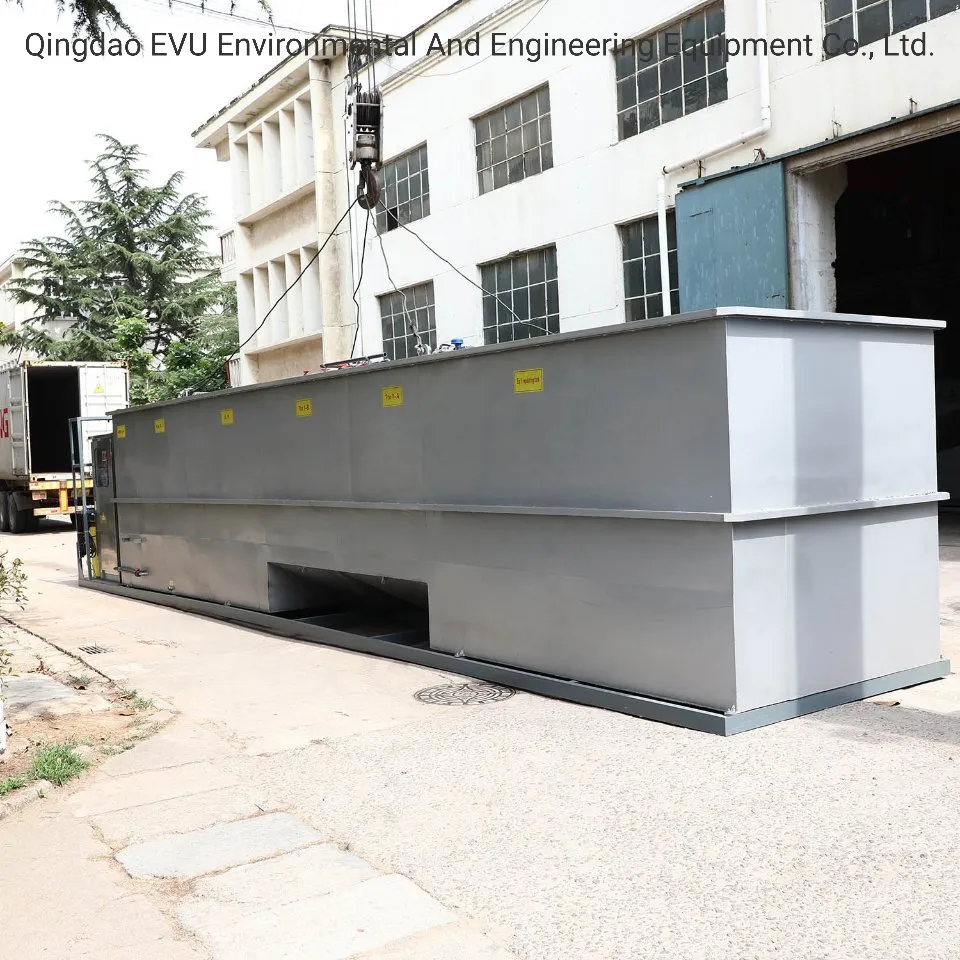
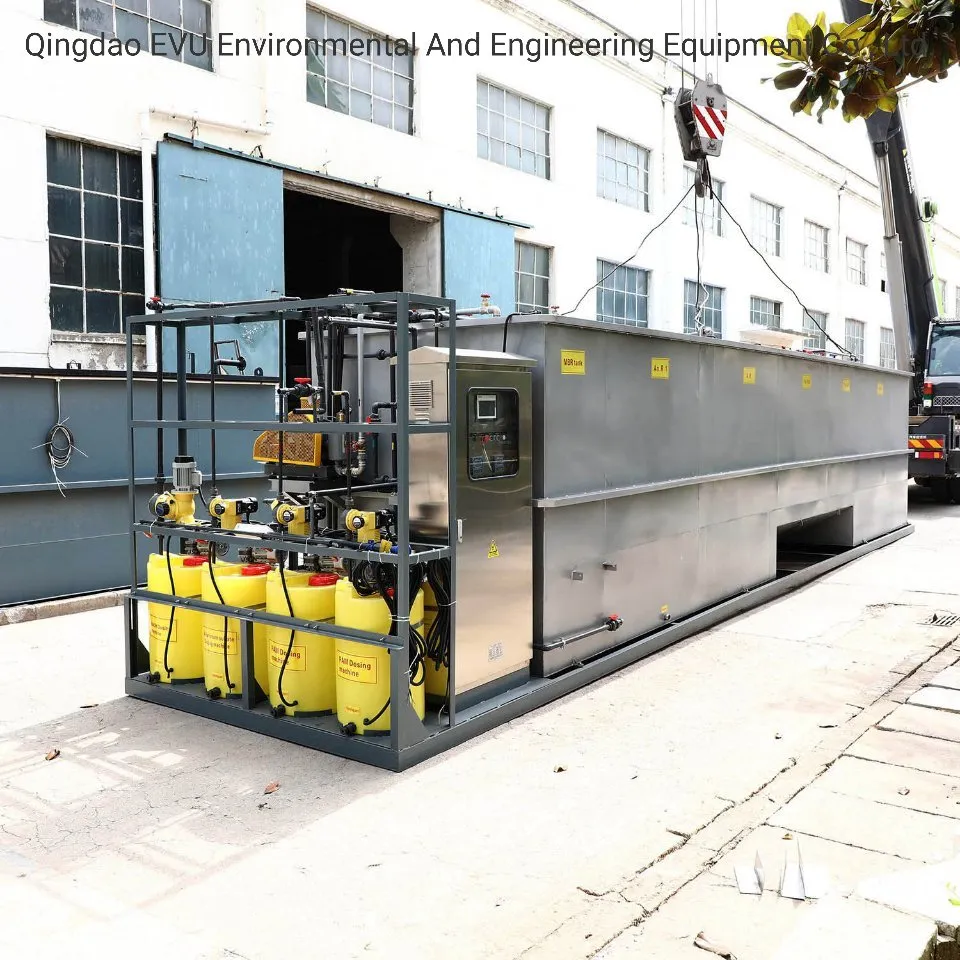
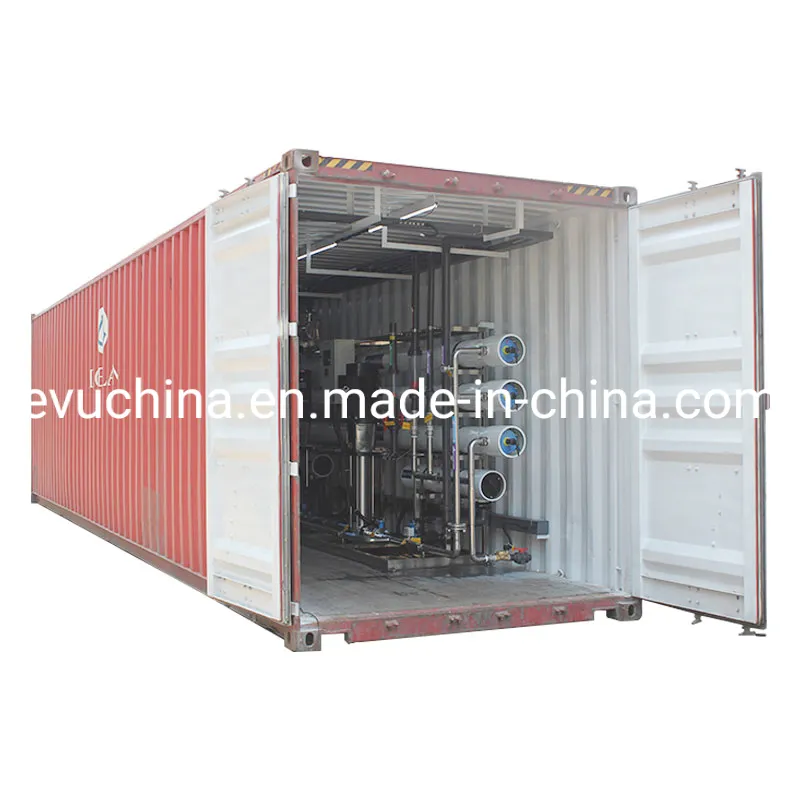
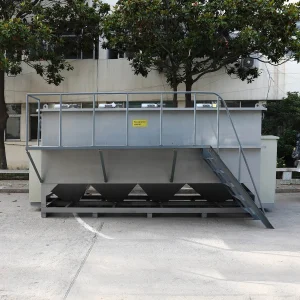
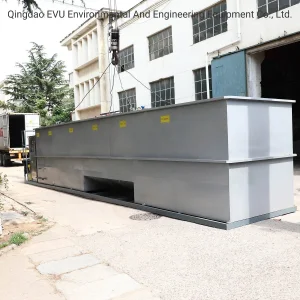
Containerized Sewage Treatment Plants
Principle of Work
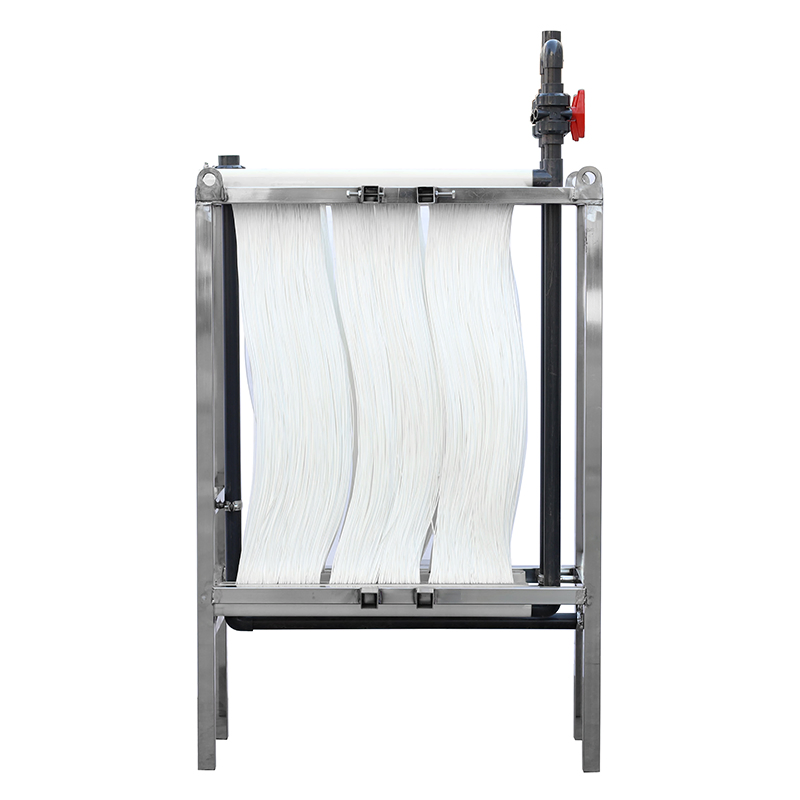
The integrated sewage treatment equipment eliminates organic matter pollutants and ammonia nitrogen mainly through the AO biological treatment process. At the 'A' level, the sewage organic matter density is very high. Microorganisms at the anoxic condition decompose organic nitrogen into transformation NH3-N, simultaneously using organic carbon as an electron donor to transform NO2-N and NH3-N into N2. This stage not only reduces the organic load for the following oxygen pond but also favors nitrification.
In the 'O' level, organic matter density is significantly reduced. Good oxygen biological contact oxidation ponds utilize nitrifying bacteria to further decompose organic matter into CO2 and H2O, effectively removing nitrogen pollution through denitrification.
Performance Features
- Advanced biological treatment processes removing BOD5, COD, and NH3-N.
- Underground installation capability, allowing surface land for greenery or other uses.
- Plug-flow biological contact oxidation for superior stability compared to mixed systems.
- Small activated sludge volume with high resistance to shock loading.
- New flexible three-dimensional packing for easy microbial film attachment and high removal rates.
- Lower sludge production, requiring removal only approximately every 90 days.
- Equipped with soil deodorization measures and high-altitude exhaust options.
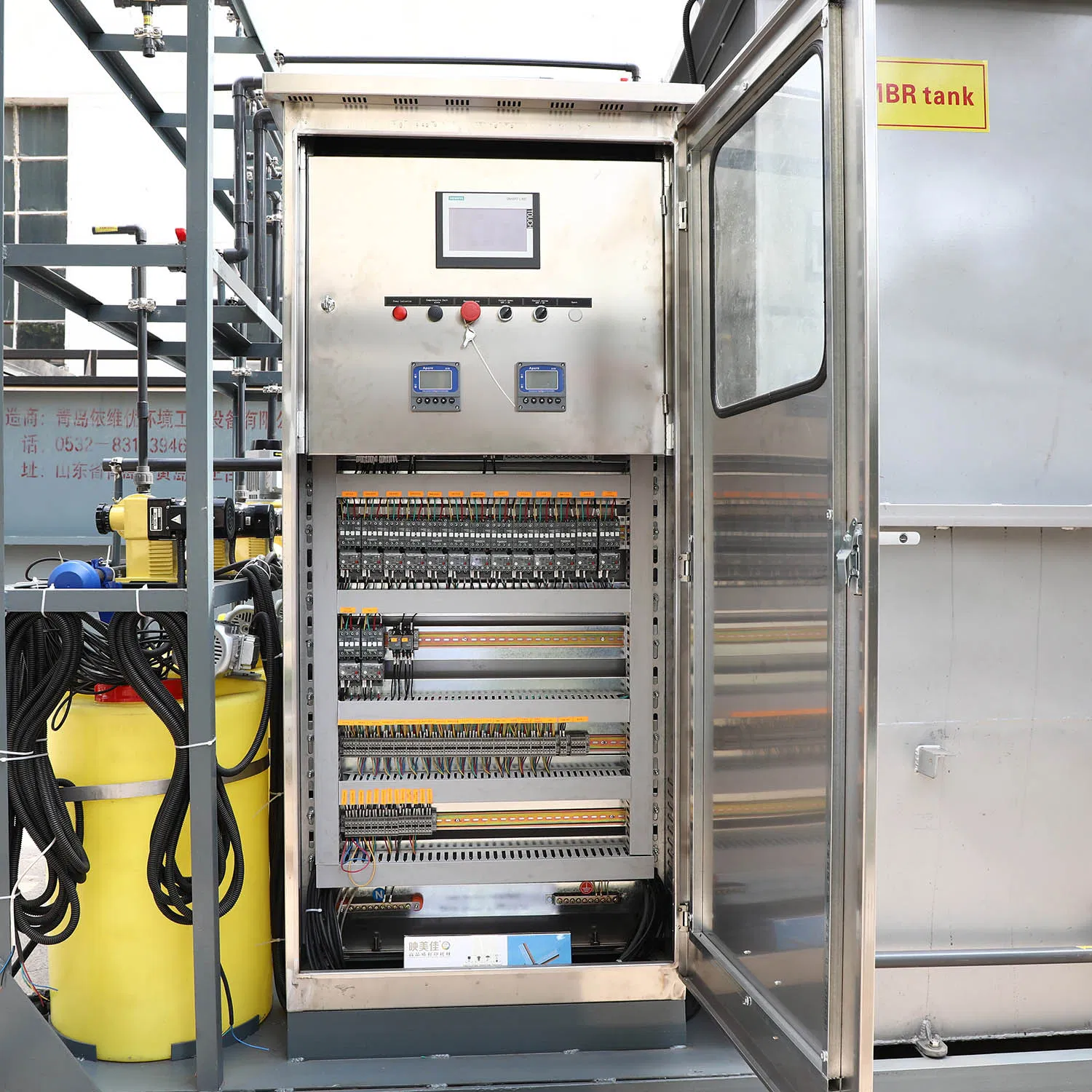
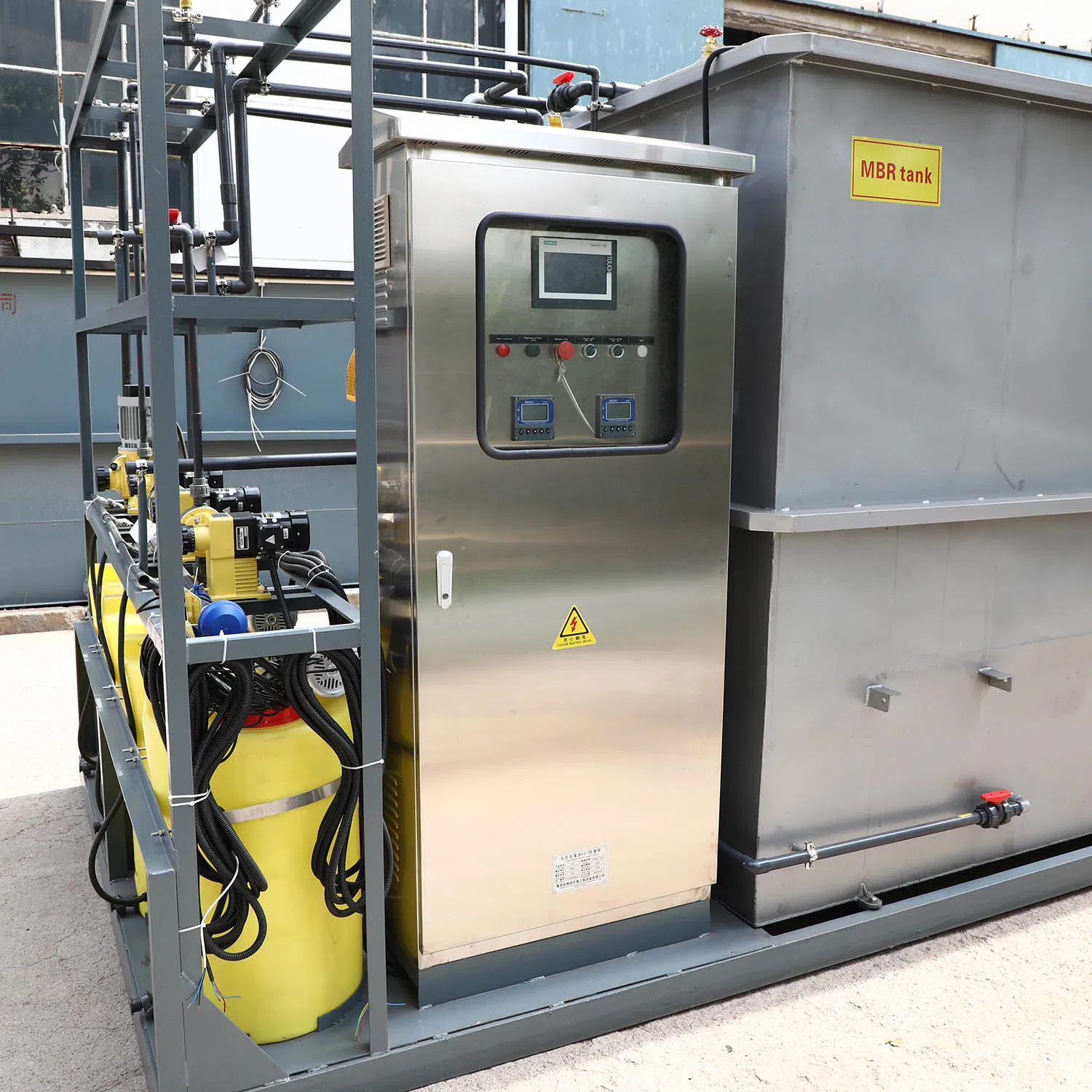
- Automatic control systems with failure alarms for safe and reliable operation.
Application Areas
The system is widely suitable for: Hotels, restaurants, nursing homes, hospitals, residential areas, villages, stations, airports, port terminals, ships, factories, mines, tourist spots, landscapes, and various industrial organic wastewater treatments.
Frequently Asked Questions
Q1: What pollutants can this sewage treatment plant remove?
A1: The system is designed to effectively remove BOD5, COD, and NH3-N using advanced biological AO treatment processes.
Q2: Can the equipment be installed underground?
A2: Yes, the equipment can be embedded in the ground. The surface above can be used for landscaping, greenery, or other land uses without requiring a housing structure.
Q3: How often does the sludge need to be removed?
A3: Due to the low filler volume loading, the system produces less sludge. Sludge removal is typically required only once every 90 days.
Q4: Does the system require constant manual supervision?
A4: No, it is equipped with an automatic control system and electrical failure alarms, ensuring safe and reliable operation with minimal management.
Q5: What materials are the treatment plants made of?
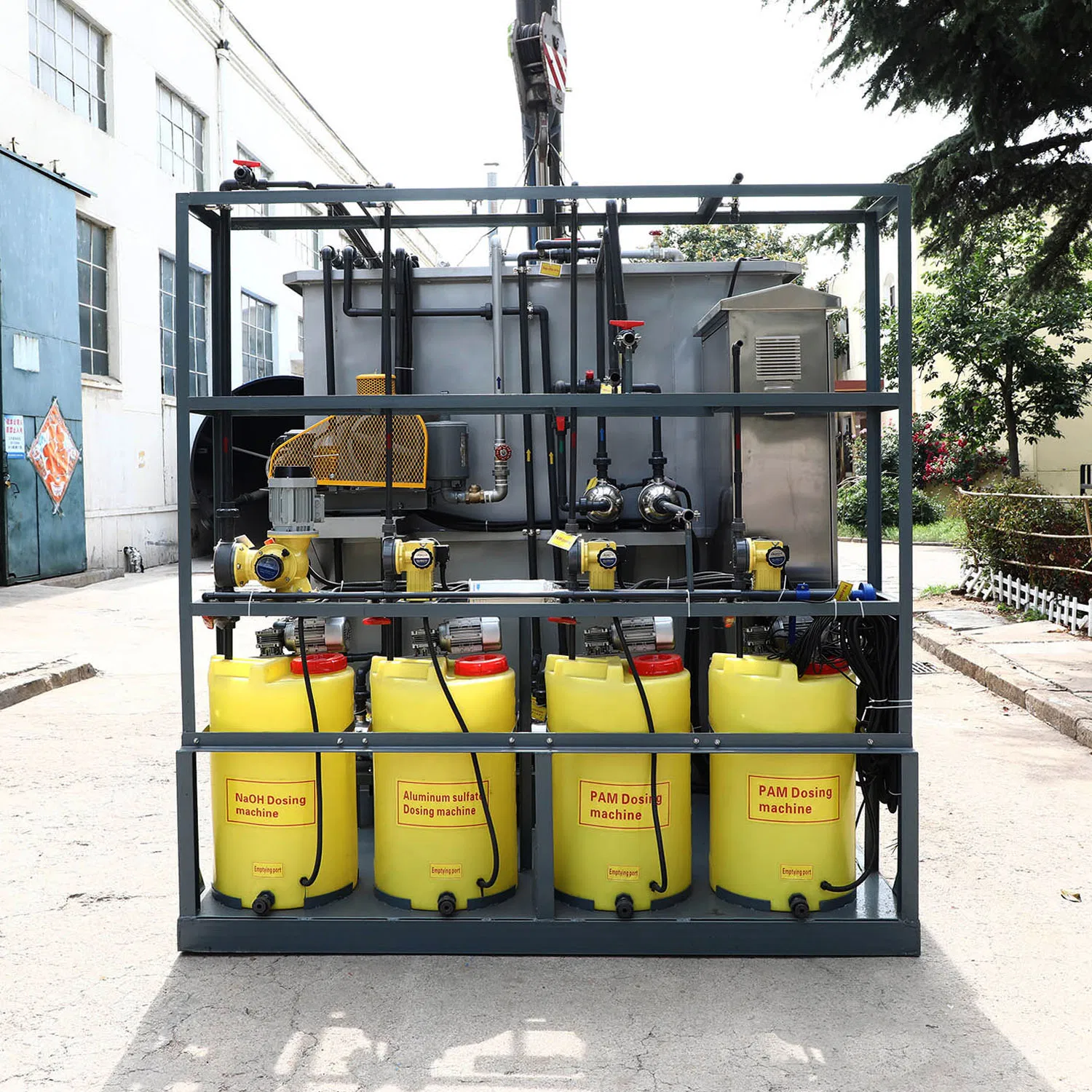
A5: We offer construction in Carbon Steel, Stainless Steel, or FRP (Fiber Reinforced Plastic), all finished with high-quality epoxy painting for durability.
Q6: What applications is this system best suited for?
A6: It is ideal for residential areas, hotels, hospitals, villages, and industrial sites where organic wastewater needs efficient treatment.
 Lenavax Nutrition