Product Description
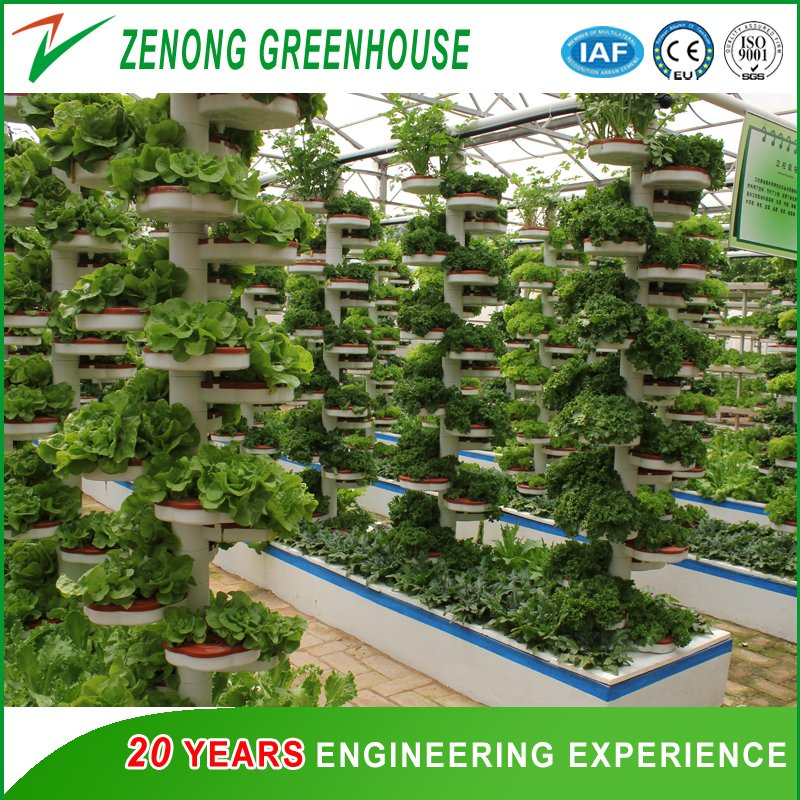
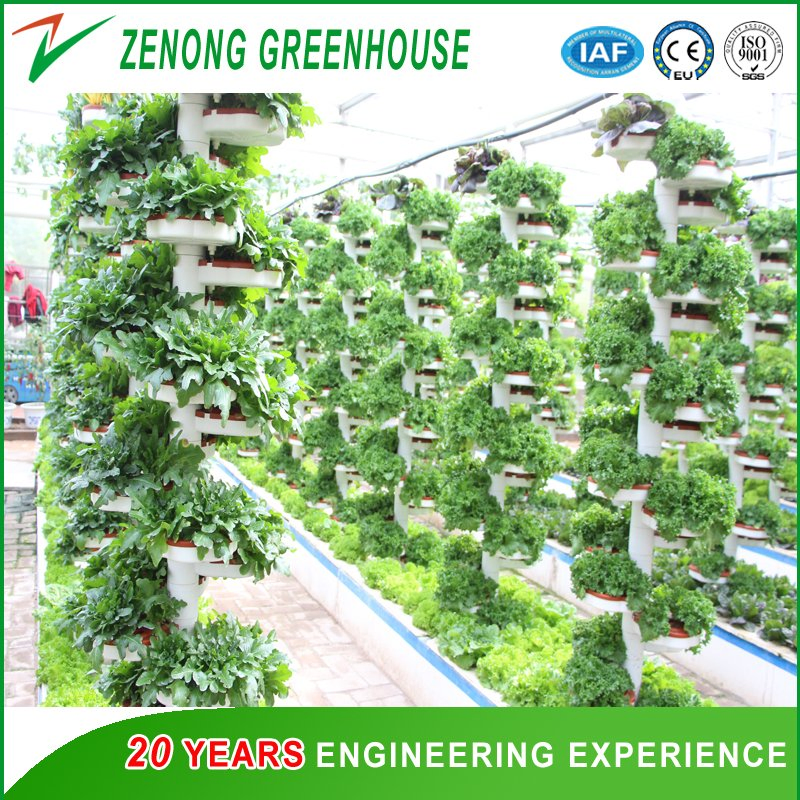
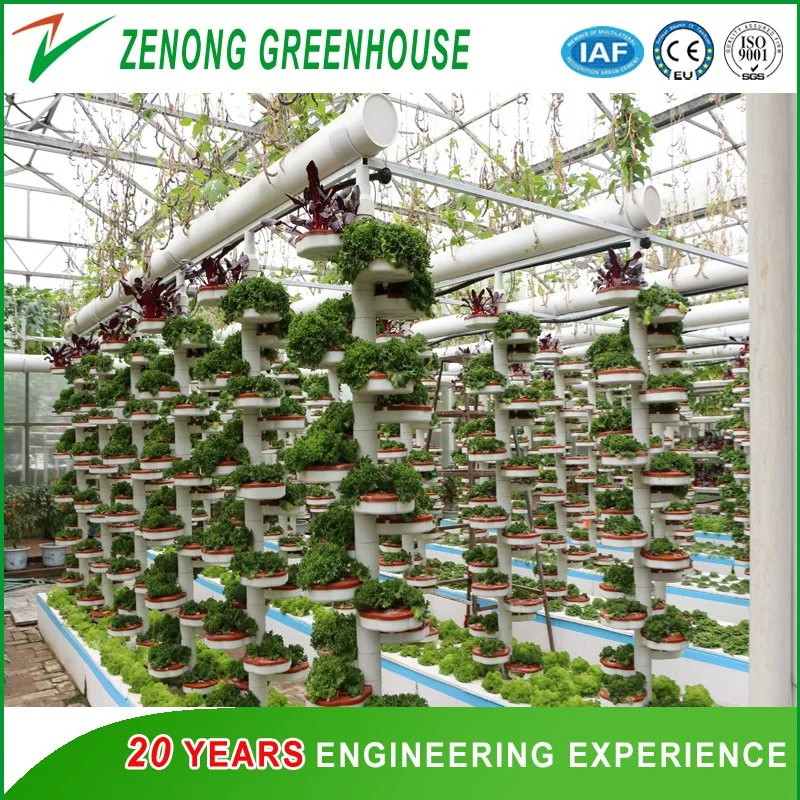
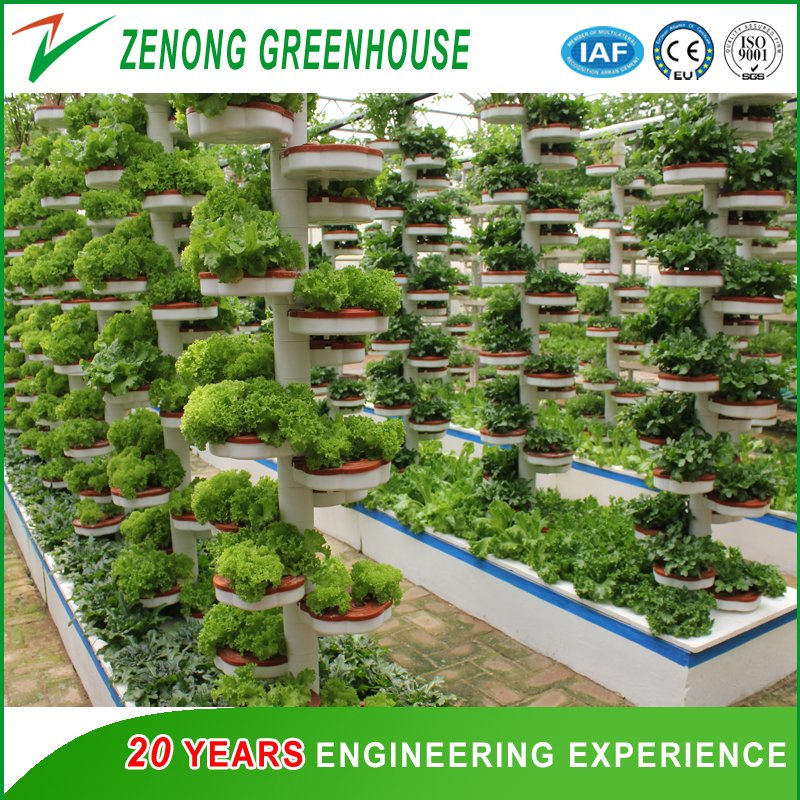
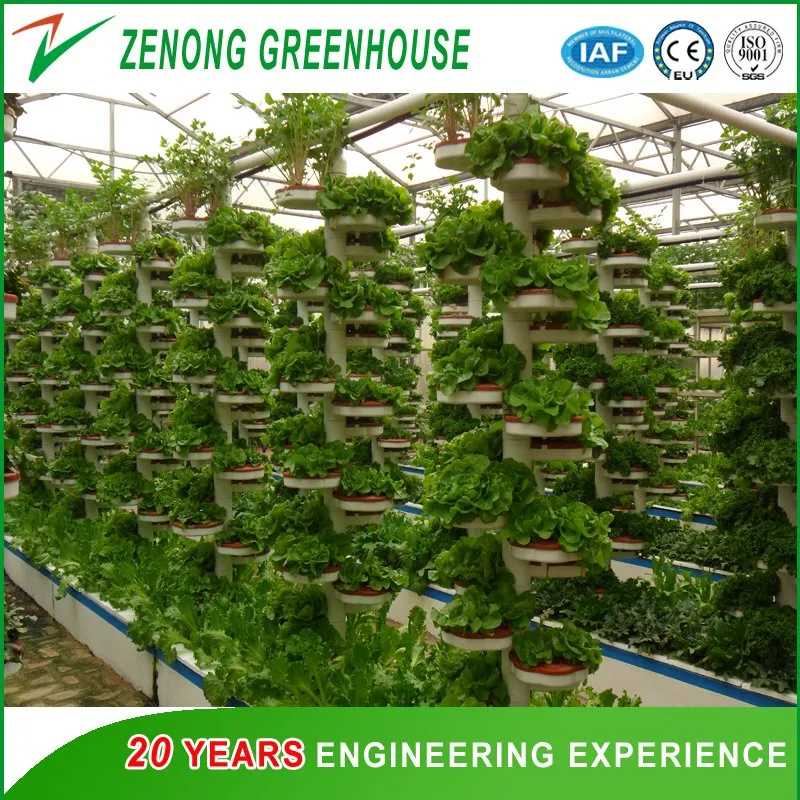
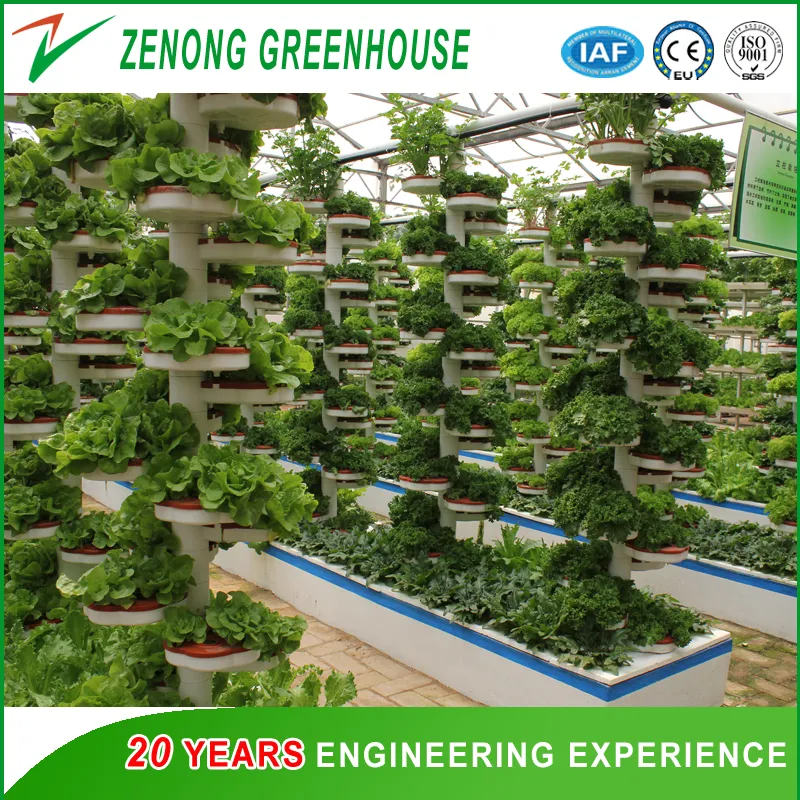
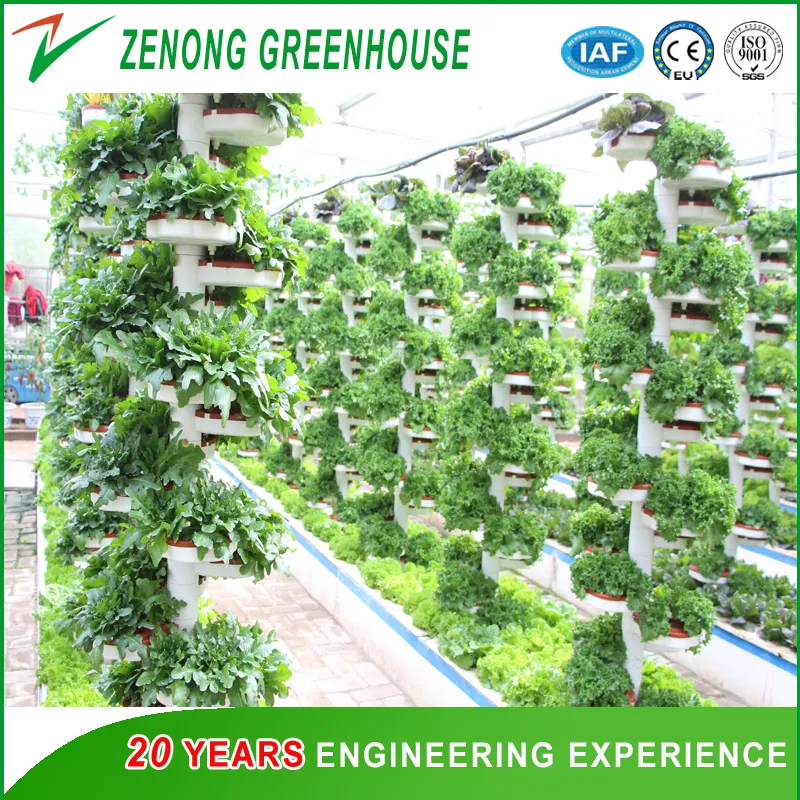
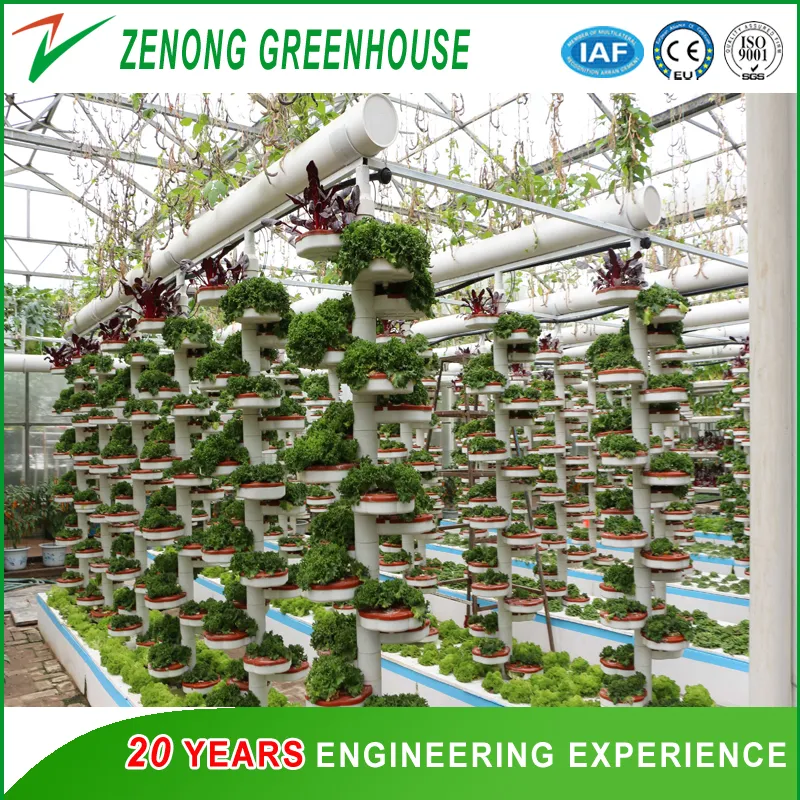
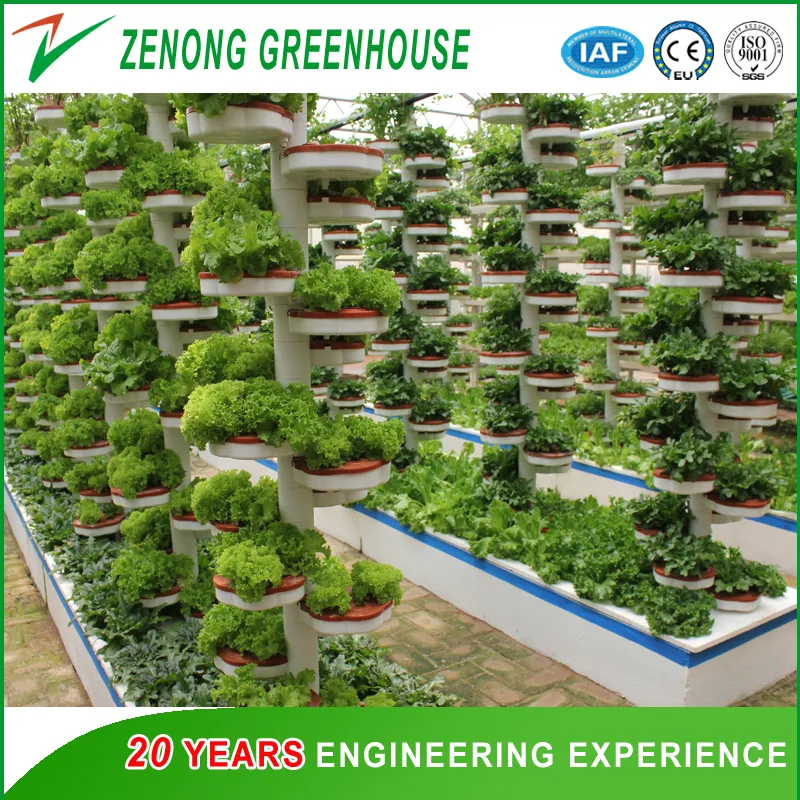
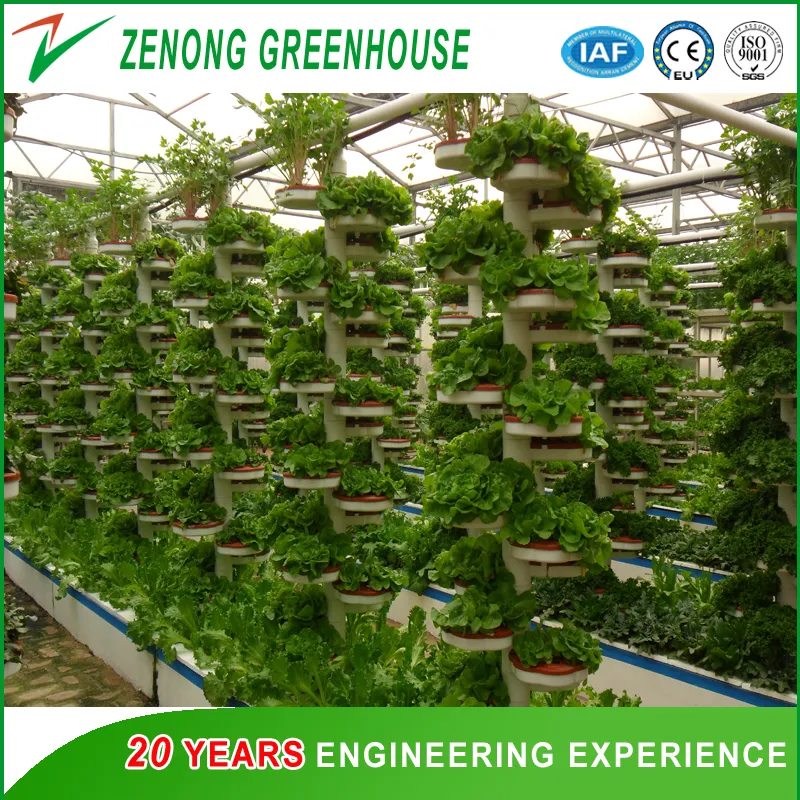
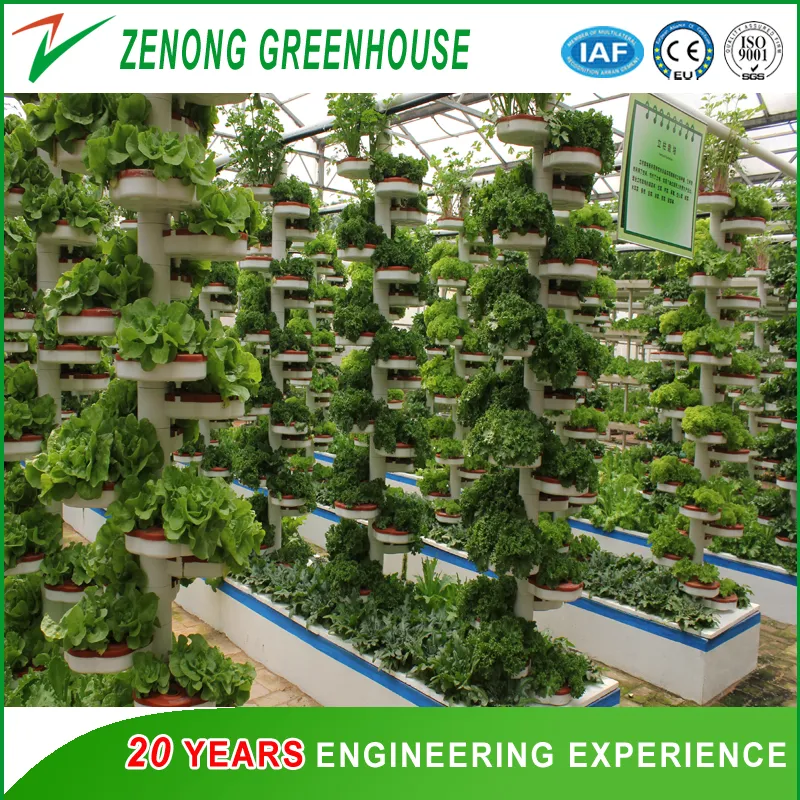
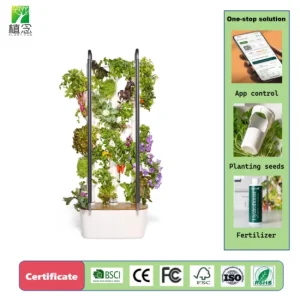
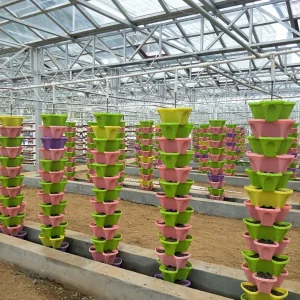
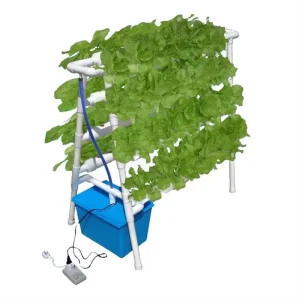
Bionic Spirally-coiling Model Hydroponics System
Basic Introduction: Soilless culture (soilless cultivation) refers to the cultivation method that uses substrates without natural soil or only when seedlings are raised, and then irrigate with nutrient solution after transplanting. Because soilless culture is able to create a good rhizosphere environment to replace the soil environment and effectively prevent soil continuous cropping diseases and physiological disorders caused by soil salt accumulation, it can fully meet crops' nutrition requirements for minerals, water, gas, and other environmental conditions.
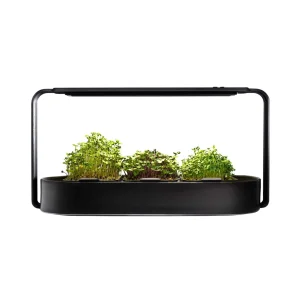
Wide Application: Nutrient liquid composition in soilless culture is easy to be controlled and can be adjusted at any time. It is suitable for places such as deserts, beaches, and desert islands, as long as fresh water is supplied. Urban suburbs and households can also grow vegetables and flowers with this technique.
Planting Advantages
-
High Yield
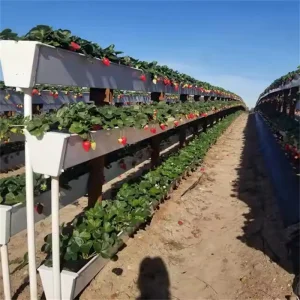
Vertical planting can give full play to the production potential of the crop, providing yields several times higher than traditional planting.
-
Make Full Use of Space
Gets rid of the shackles of the land, which is of great significance for agricultural development in areas with less arable land.
-
Cleaning and Hygiene
Effectively solves traditional cultivation issues like fertilizer and pesticide pollution, causing no environmental pollution.
-
Modern Agriculture Realization
Utilizes advanced modern agricultural technology for efficient vertical farming.
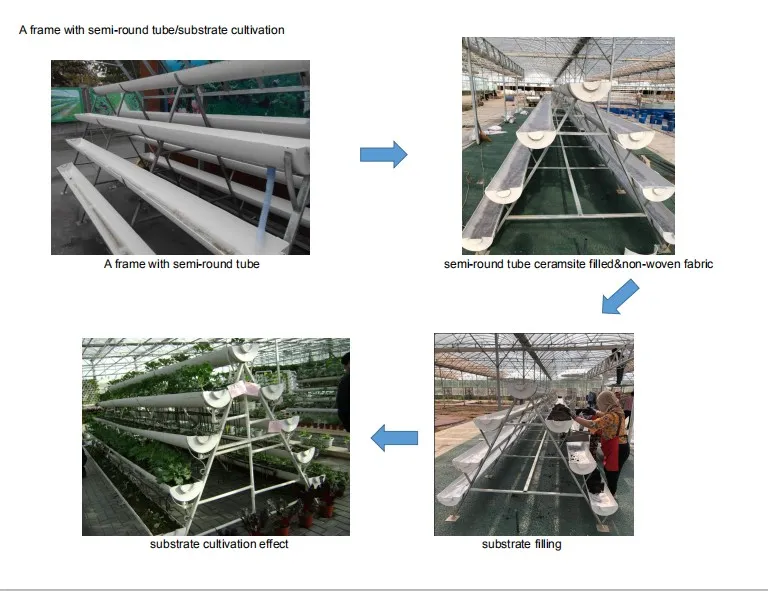
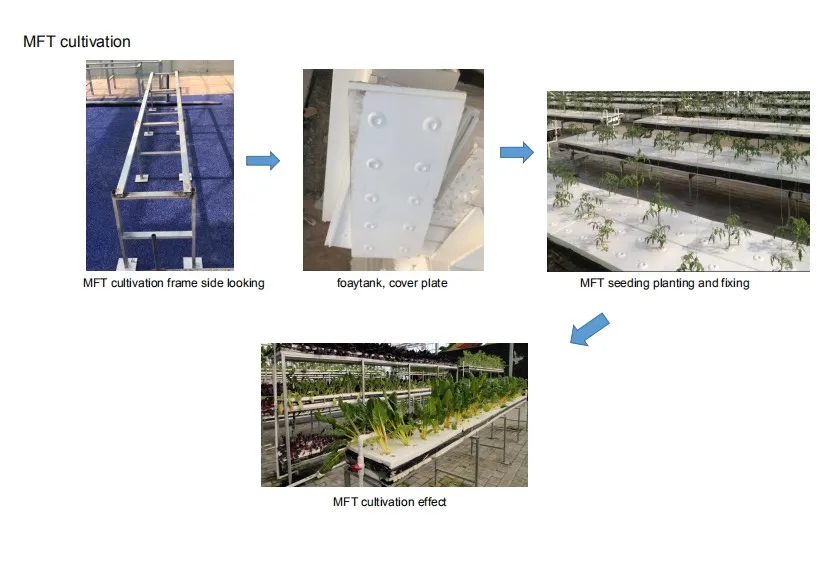
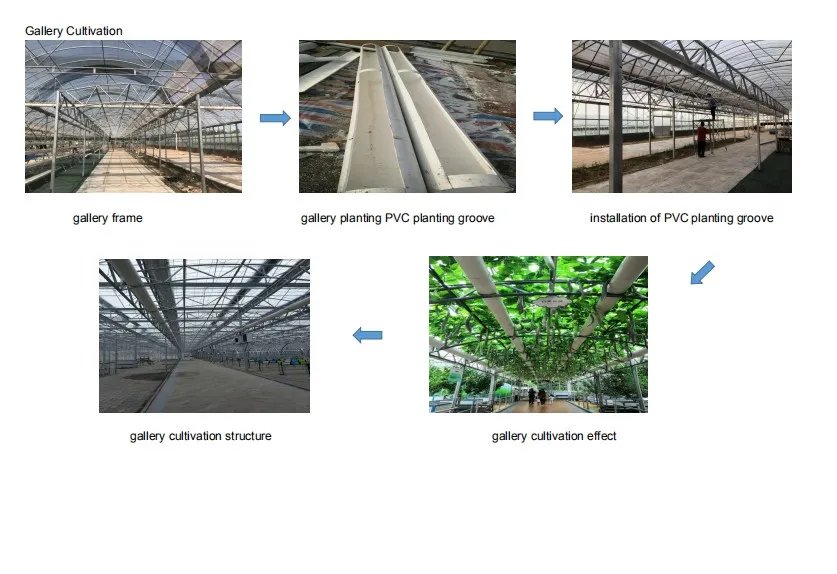
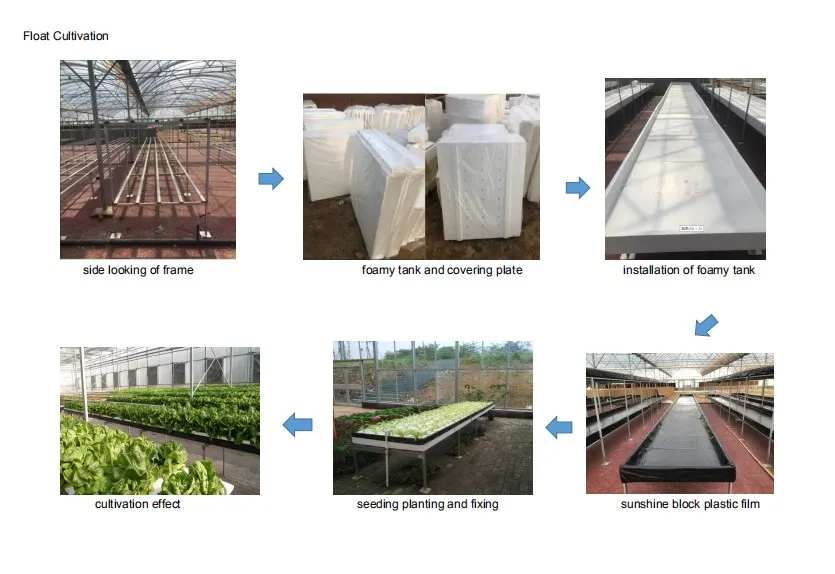
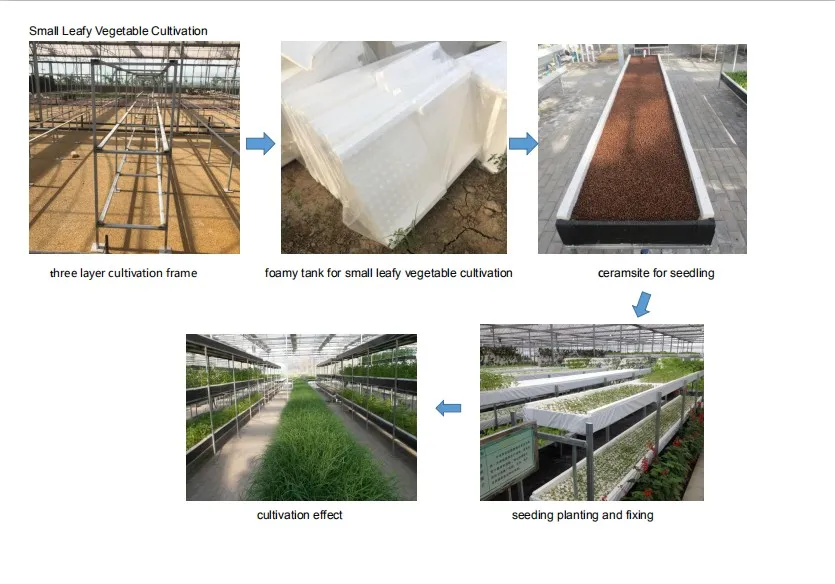
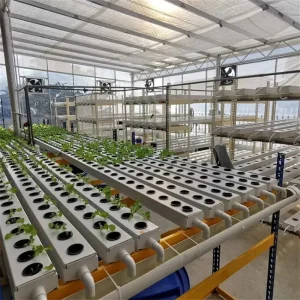
Part of Soilless Cultivation Systems Assembly Show
★ Float Cultivation System
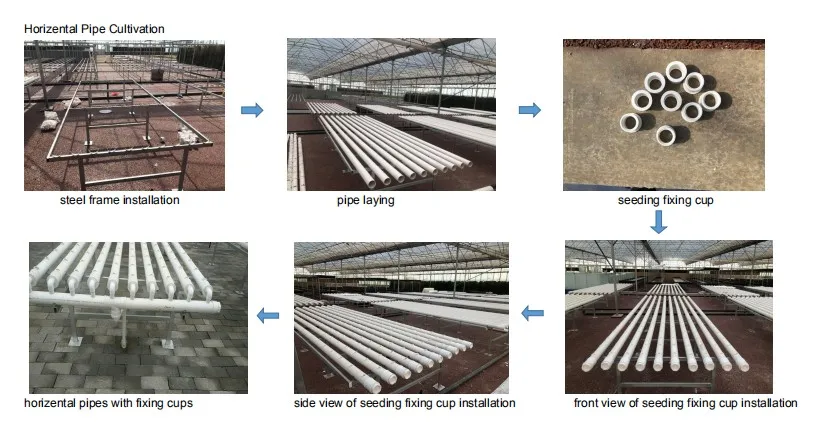
★ Horizental Pipe Cultivation System
Frequently Asked Questions
Q1: What is the main benefit of soilless culture?
A: It prevents soil-borne diseases and physiological disorders caused by salt accumulation, while saving water, fertilizer, and labor.
Q2: Can this system be used in areas with poor soil quality?
A: Yes, it is ideal for deserts, beaches, and islands, as it relies on nutrient solutions rather than natural soil.
Q3: How does vertical planting improve yield?
A: By stacking layers and making full use of vertical space, it can produce several times the yield of traditional flat planting.
Q4: What materials are used for the structure?
A: The system typically utilizes high-quality PVC, PP, foam, and a sturdy steel structure for durability.
Q5: Is the nutrient solution adjustable?
A: Yes, the liquid composition can be easily controlled and adjusted at any time to match the sunlight and temperature conditions.
Q6: Is this system suitable for household use?
A: Absolutely. It is widely used in urban suburbs and even households for growing vegetables and flowers.
 Lenavax Nutrition