Overview - Basic Info
Model NO.
Chicken feed production line
Processing Object
Mixed Feed
Processing Technics
Crushing-before-Mixing
Screen Mesh
With Screen Mesh
Grinding Equipment Type
Roll Crusher
Pellet Mill Type
Screw Granulator
Expanding Method
Dry Expansion
Product Description
Control Mode: Automatic/Manual
Capacity: 1-100T/H
Application: Chicken Feed Industry
Feed Type: Powder / 1-4mm Pellets
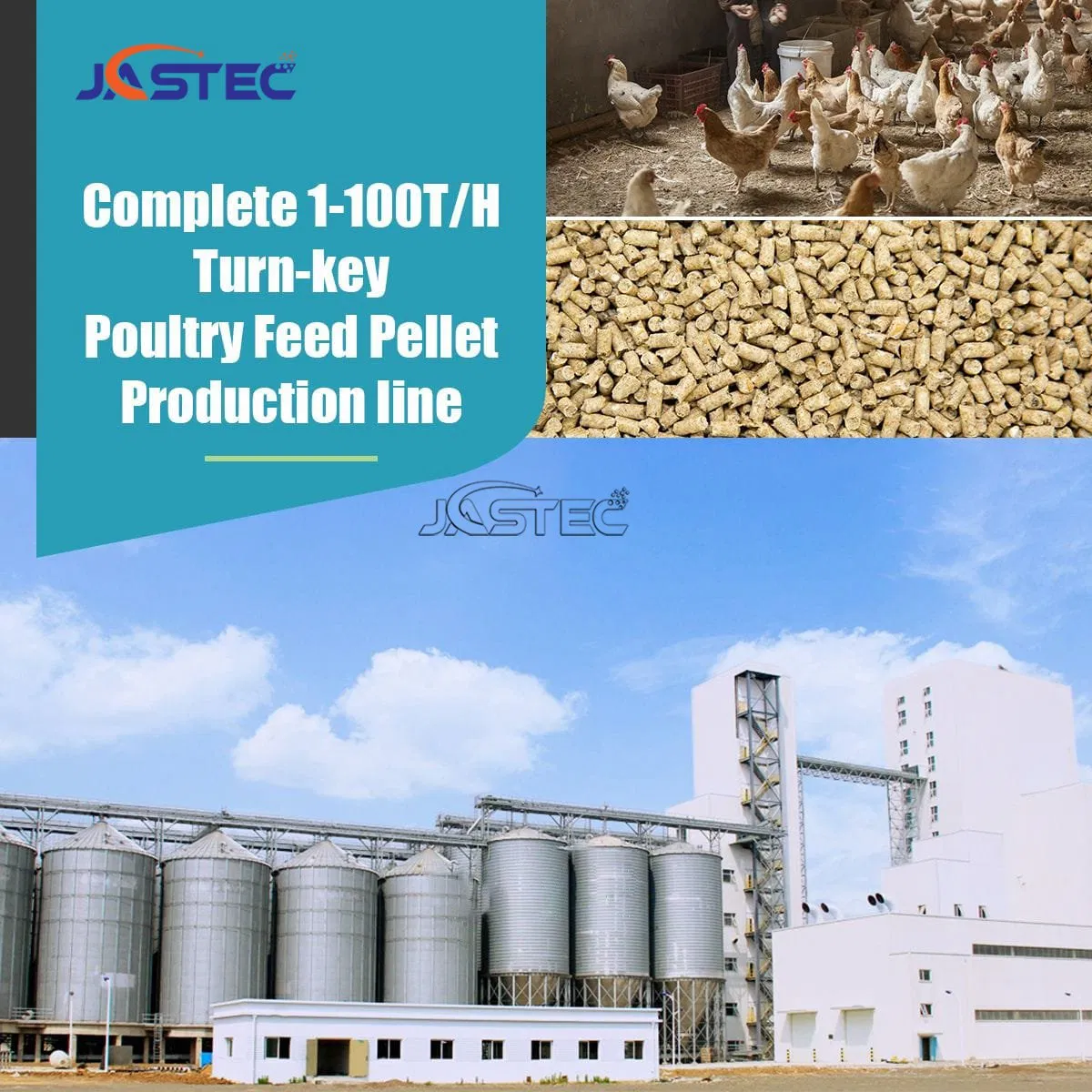
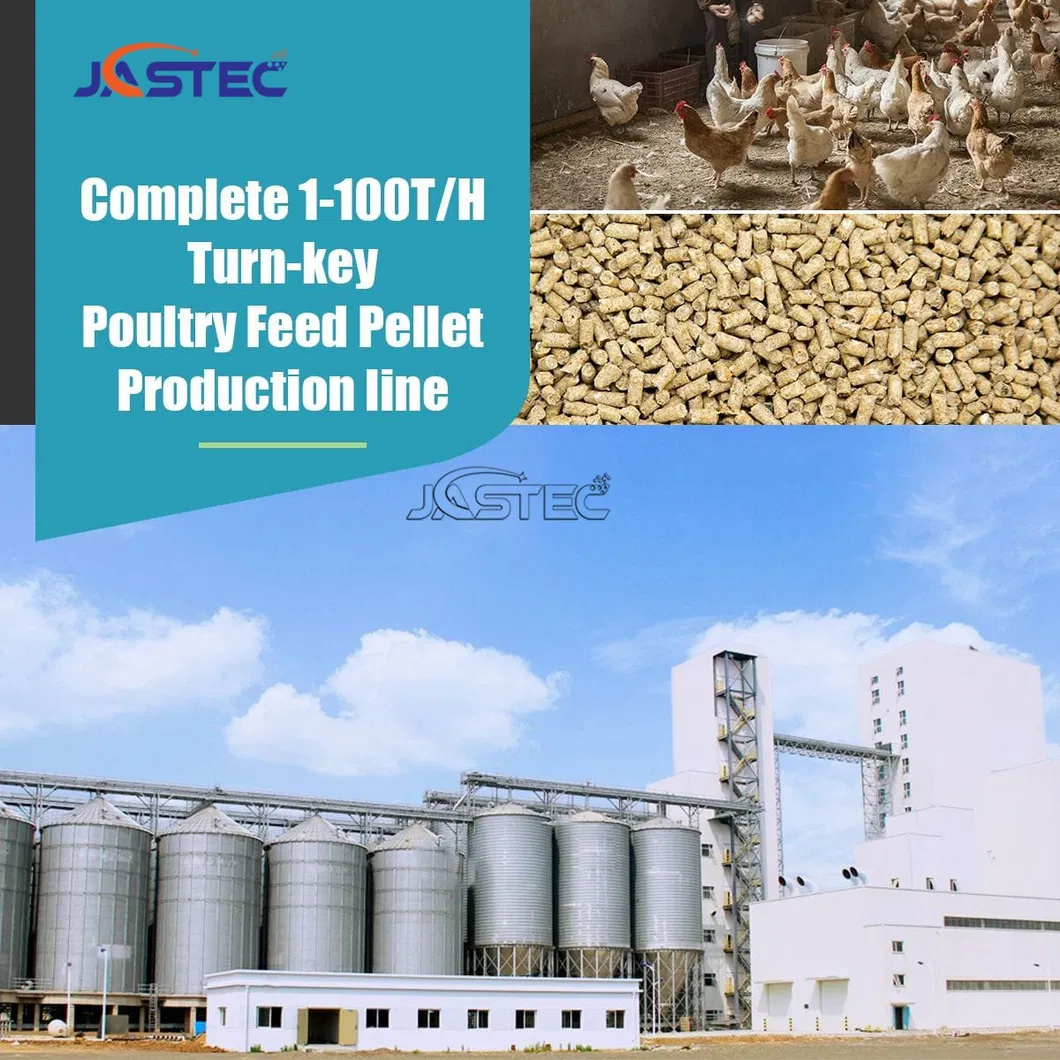
Chicken feed production line is a comprehensive feed processing system for processing broiler feed, laying hen feed and hen feed. According to the feeding characteristics of different types of chickens, pellet feed, mash feed and crumbs feed can be processed.
Applications Of Chicken Feed Production Line
This type of production line is mainly used in chicken feed mill plants, poultry feed mills, broiler feed mills, laying hen feed plants and farms of various sizes. Feed pellets have become an important factor on chicken growth. Our production line is suitable for various growth stages such as young chickens, middle chickens, and large chickens.
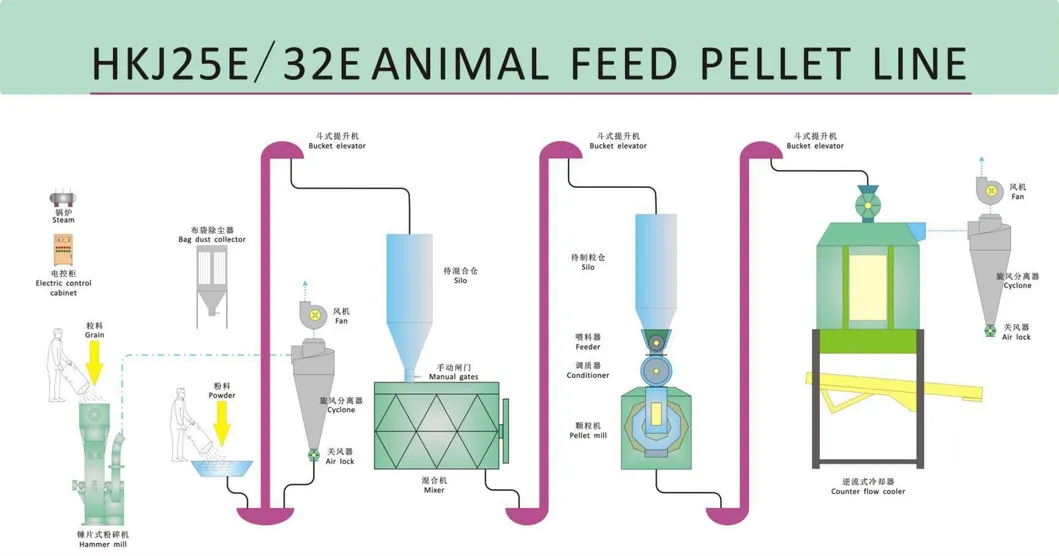
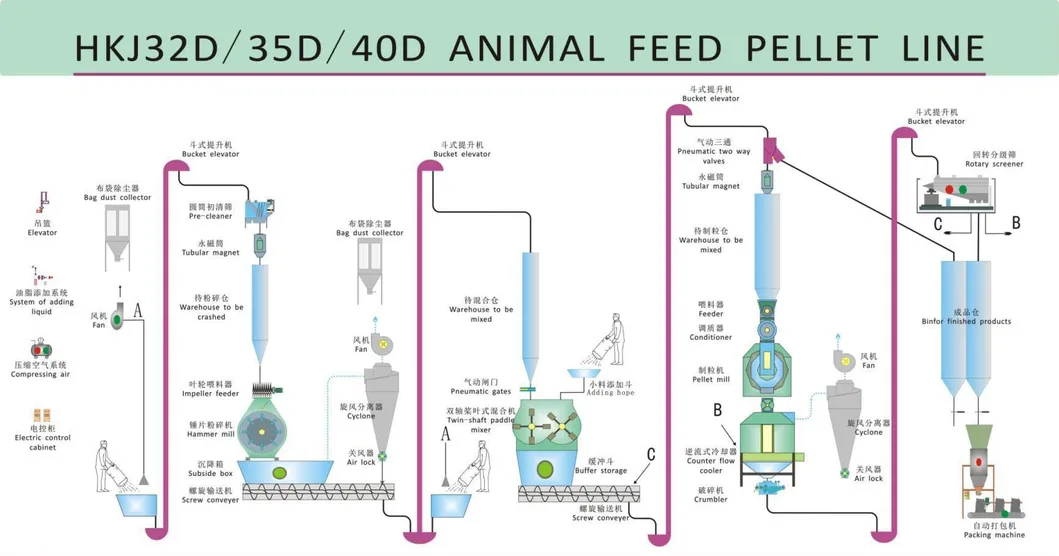
📐 Design Drawings
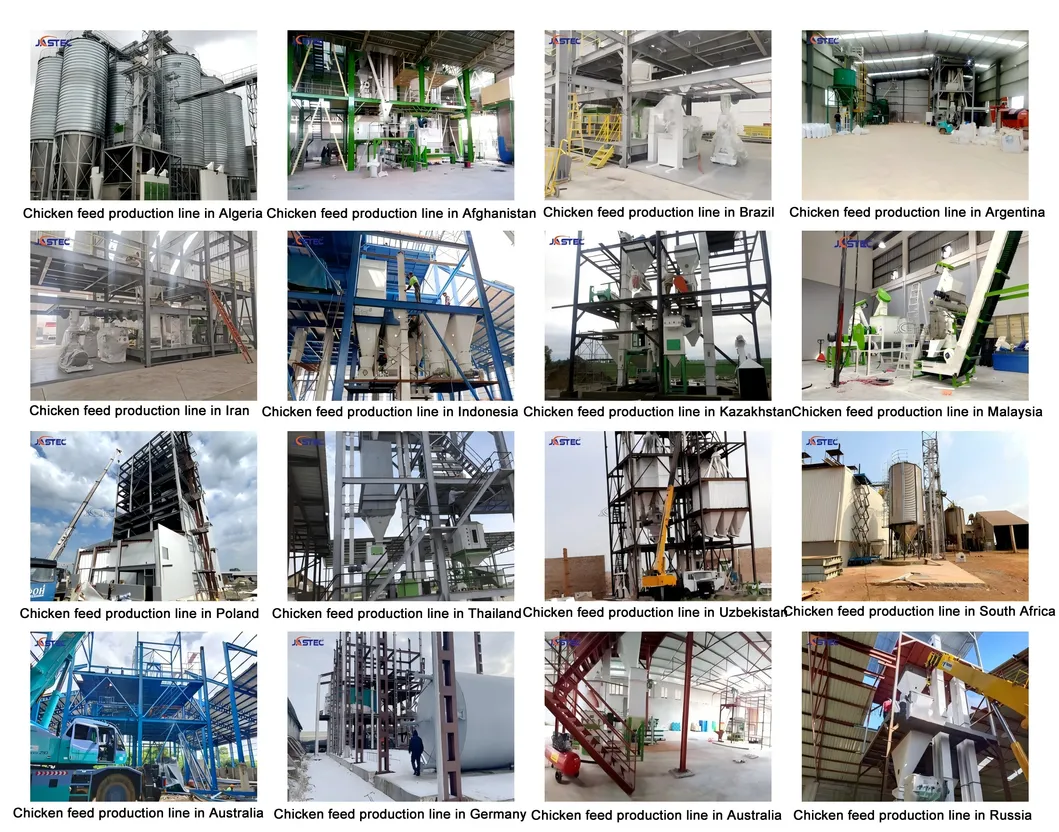
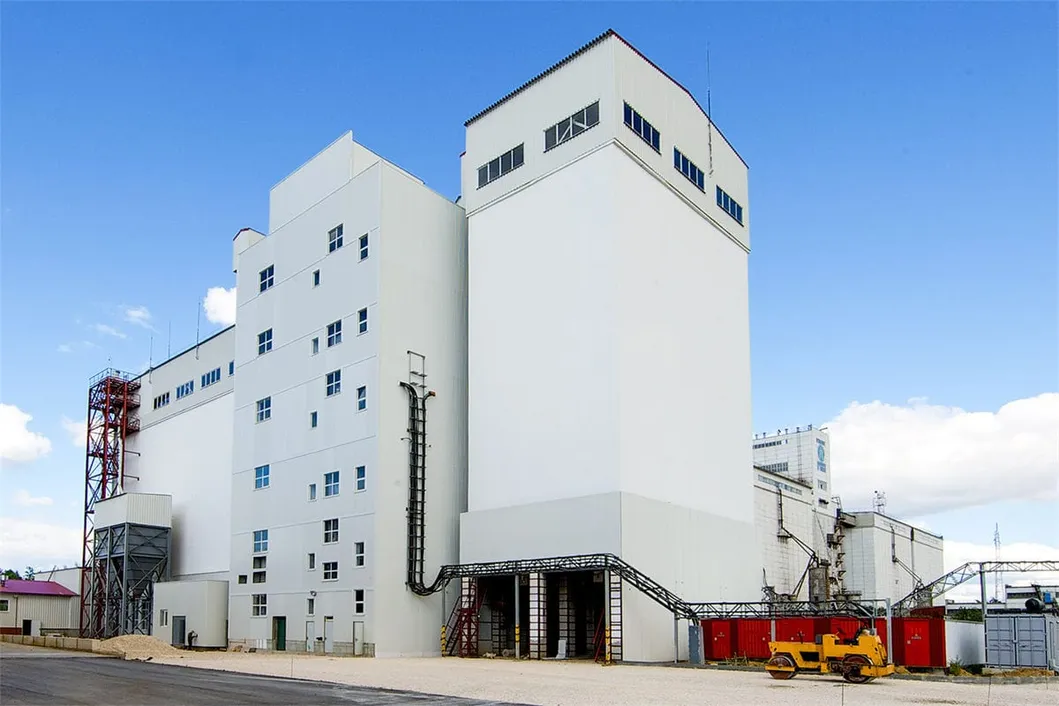
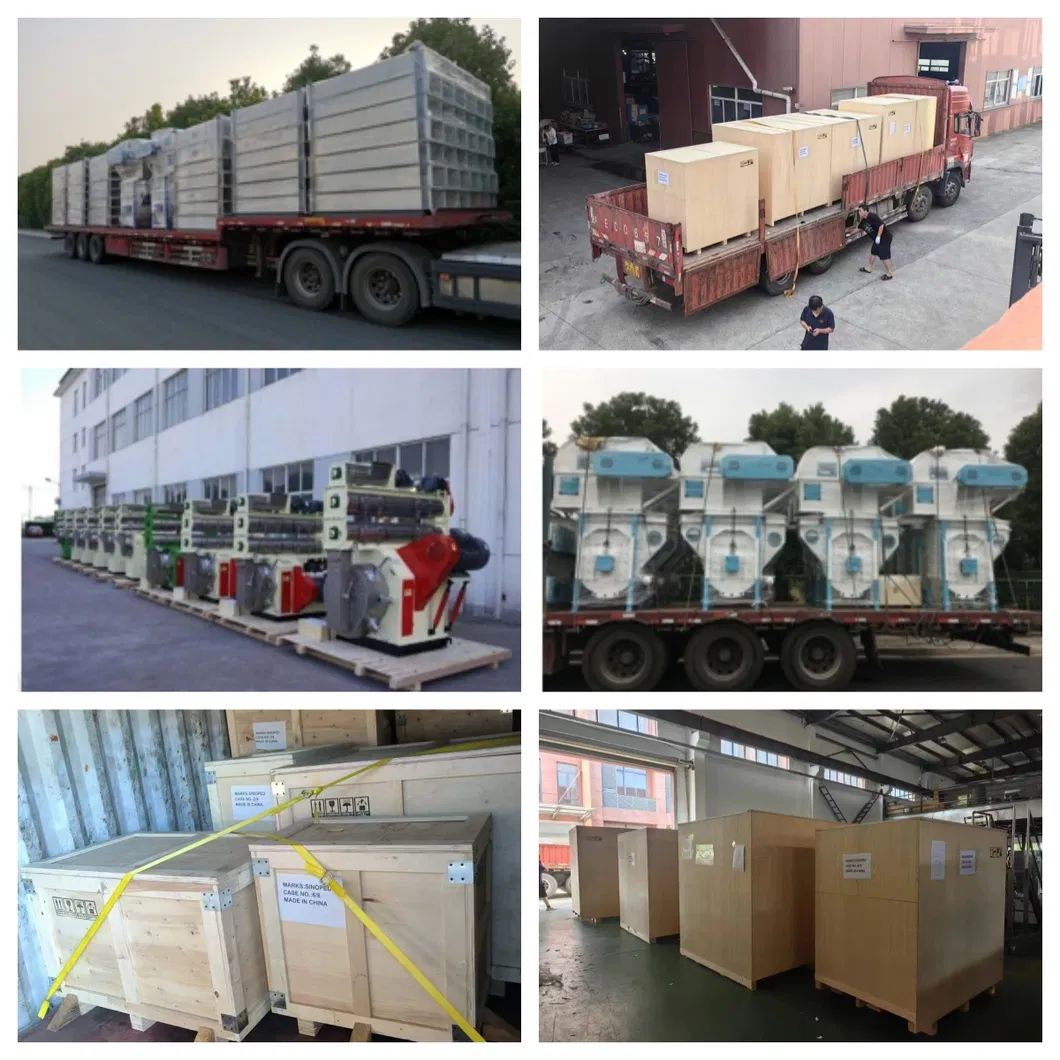
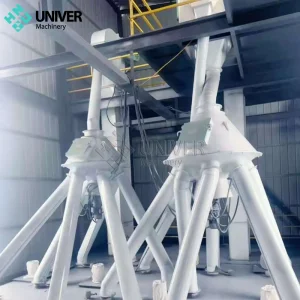
🏗️ Production Line Projects
Cost to Set Up a Chicken Feed Production Line
| Scale |
Total Power |
Site Requirements |
Installation Cycle |
Cost (USD) |
| 1-2T/H | 47-75KW | 300-500m² | 7-15 Days | 10,000-50,000 |
| 3-4T/H | 53-165KW | 300-700m² | 15-20 Days | 50,000-120,000 |
| 5-7T/H | 68-259KW | 400-800m² | 20-40 Days | 70,000-250,000 |
| 8-10T/H | 125-410KW | 800-2000m² | 45-60 Days | 150,000-300,000 |
| 12-20T/H | 358-620KW | 1500-3000m² | 60-90 Days | 250,000-580,000 |
| 25-40T/H | 545-870KW | 2000-4000m² | 90-120 Days | 450,000-850,000 |
| 50-60T/H | 710-1120KW | 3000-5000m² | 100-140 Days | 900,000-1,400,000 |
Chicken Feed Production Process
⭐ 01. For Powder & Mash Feed Production
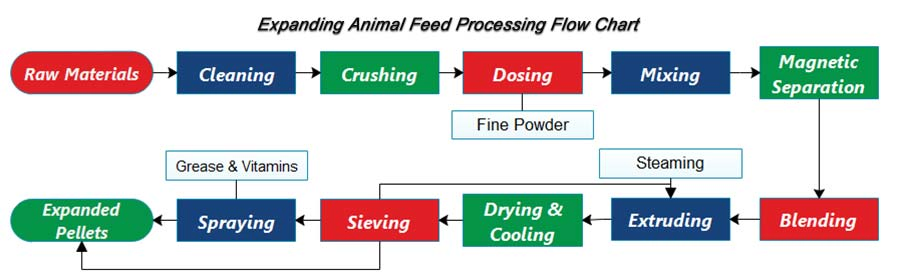
Cleaning -- Crushing -- Mixing -- Packing. The cleaning system helps get clean material and ensure no unexpected impurities damage the machine.
- Impurity removal via pre-cleaner and magnetic tube.
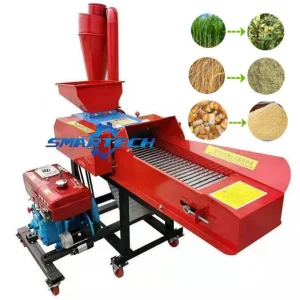
- Particle materials crushed via hammer mill.
- Uniform mixing of materials into complete powder feed.
⭐ 02. For Pellet Feed Production
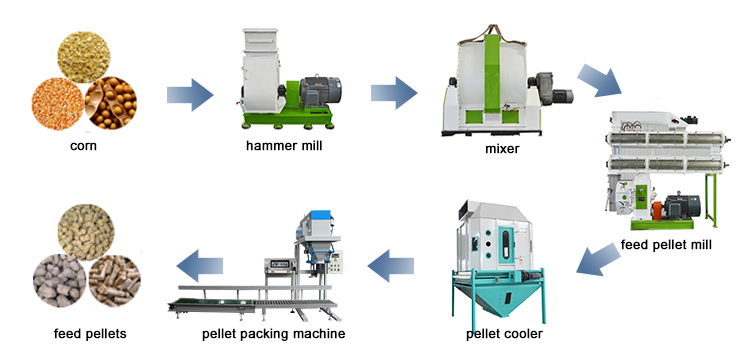
Cleaning -- Crushing -- Mixing -- Pelleting -- Cooling -- Screening -- Packing.
- Ring die pellet mill for forming pellets.
- Counter-flow cooler reduces temperature and moisture.
- Pellet crumbler for producing smaller chick feed efficiently.
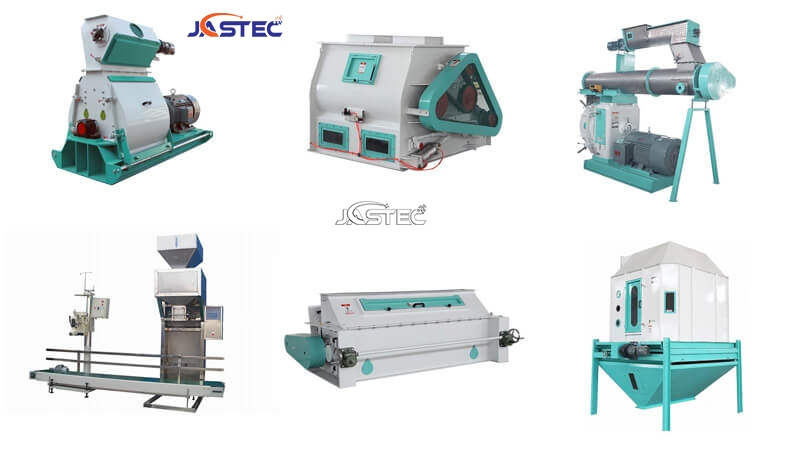
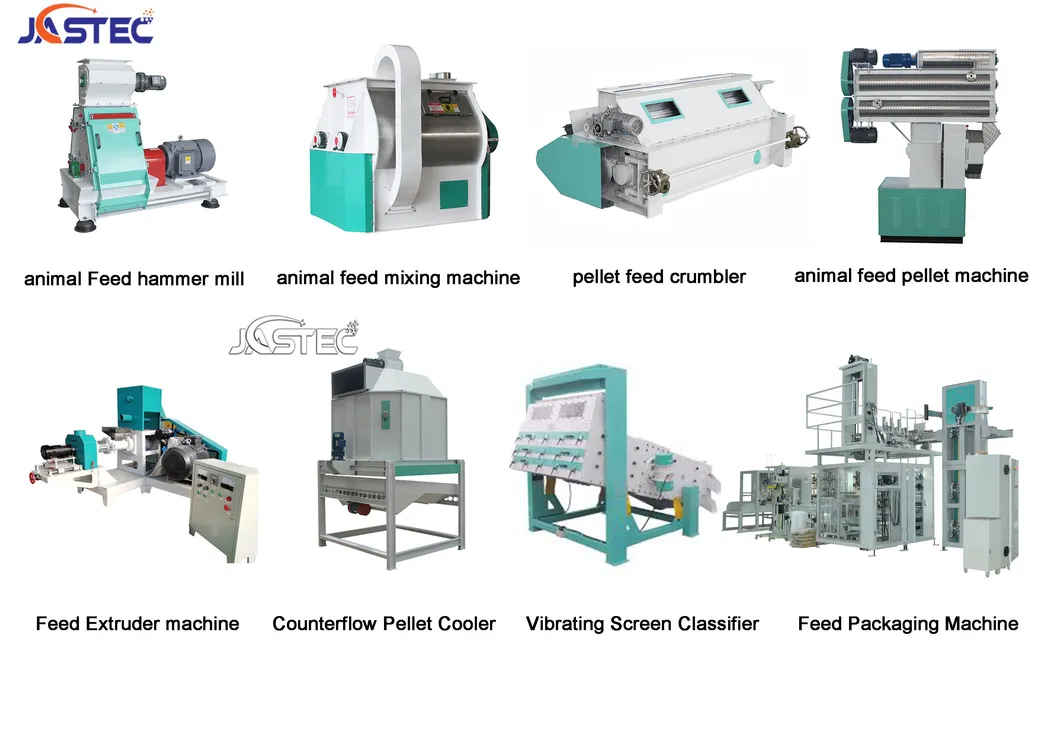
Core Equipment Needed
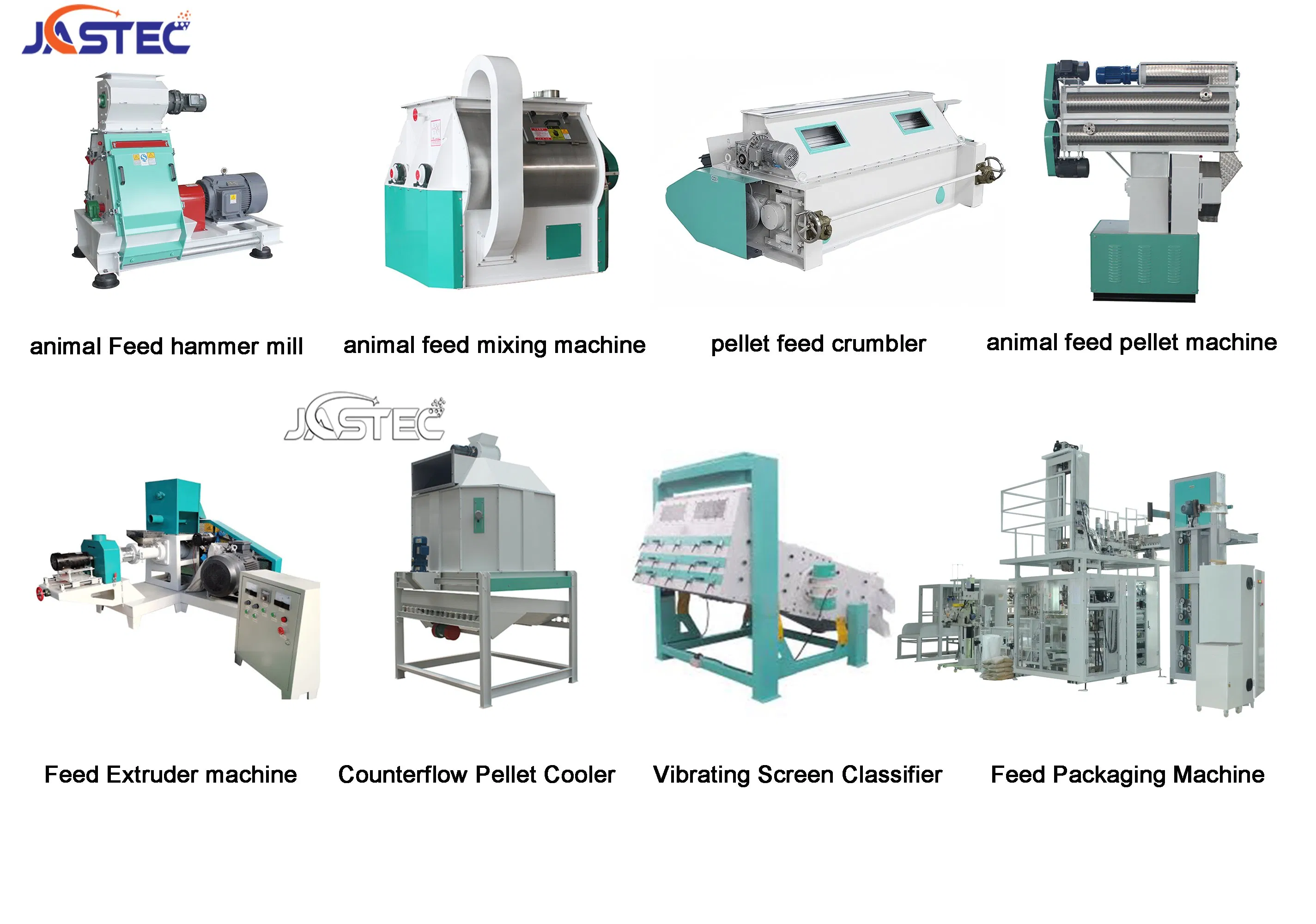
- Raw material receiving: Floor scales, cleaning screens, cylindrical silos.
- Crushing equipment: Magnetic separators, feeders, hammer mills.
- Batching: Electronic automatic batching scales.
- Mixing: Horizontal double-axis blade mixers.
- Pelleting: Conditioner, granulator, cooler, grading screen.
- Packaging: Automatic packaging scales and sealing machines.
- Central control: The brain of the entire production process.
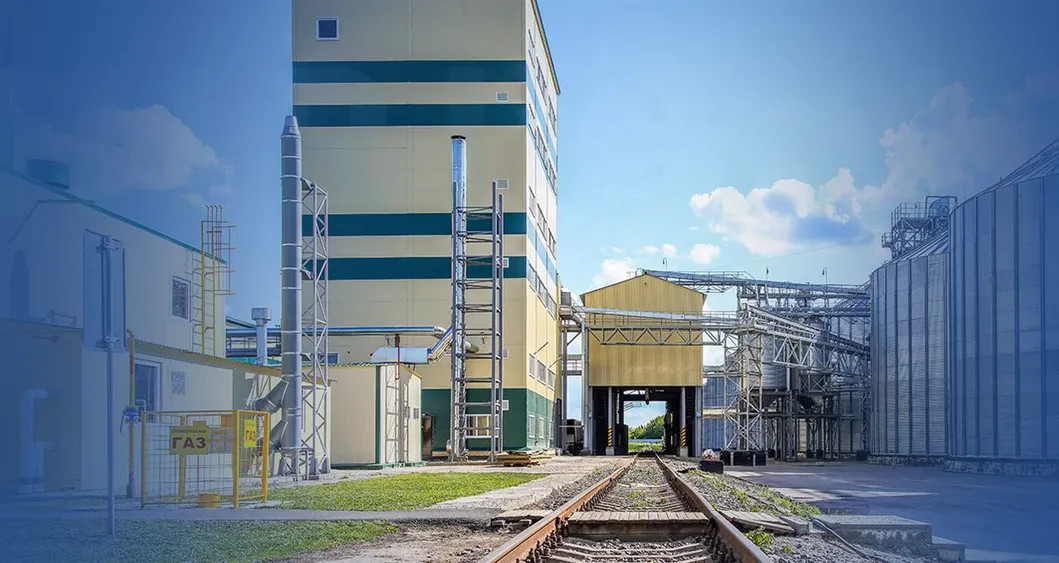
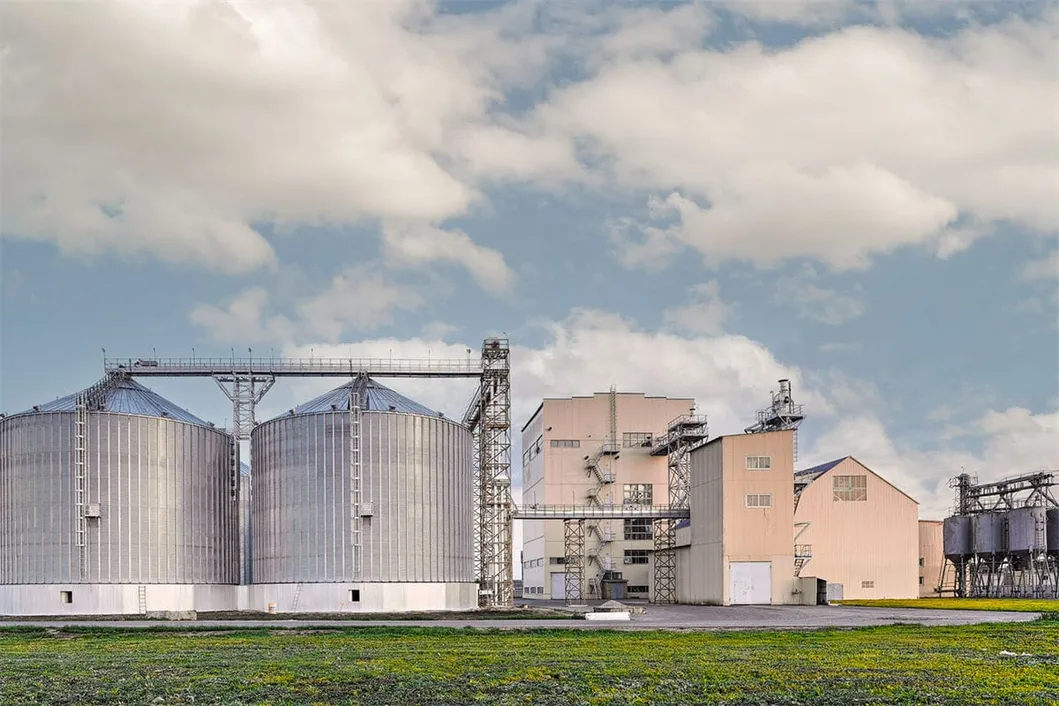
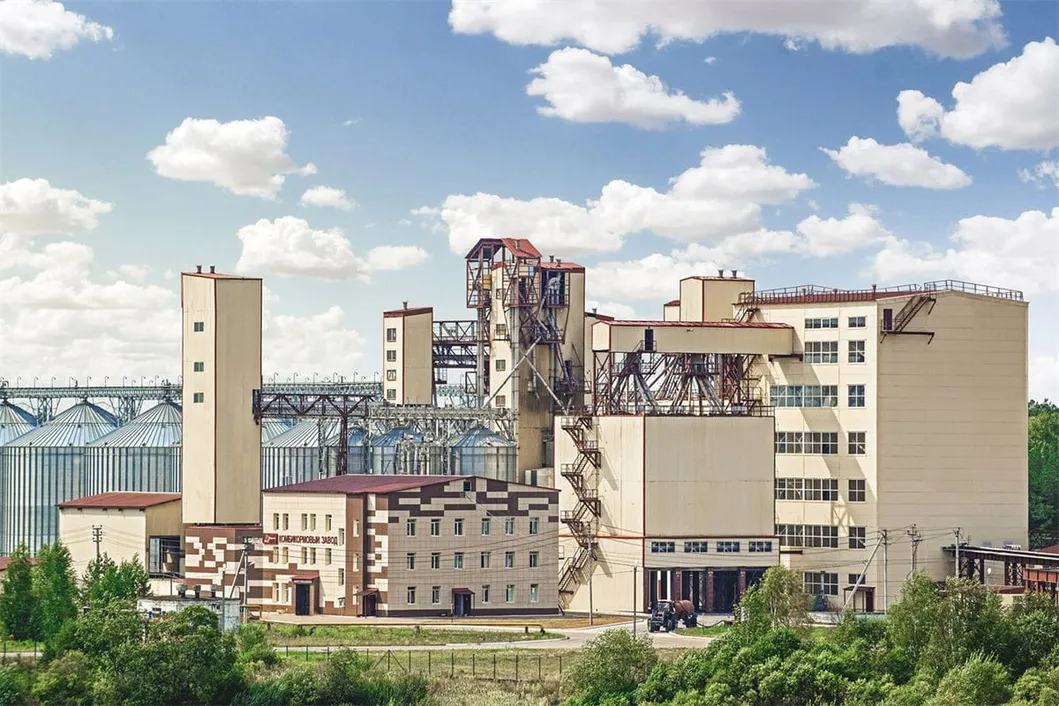
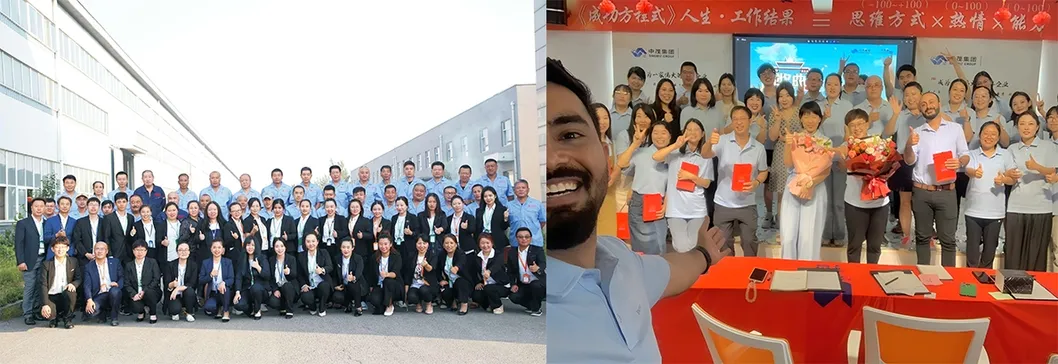
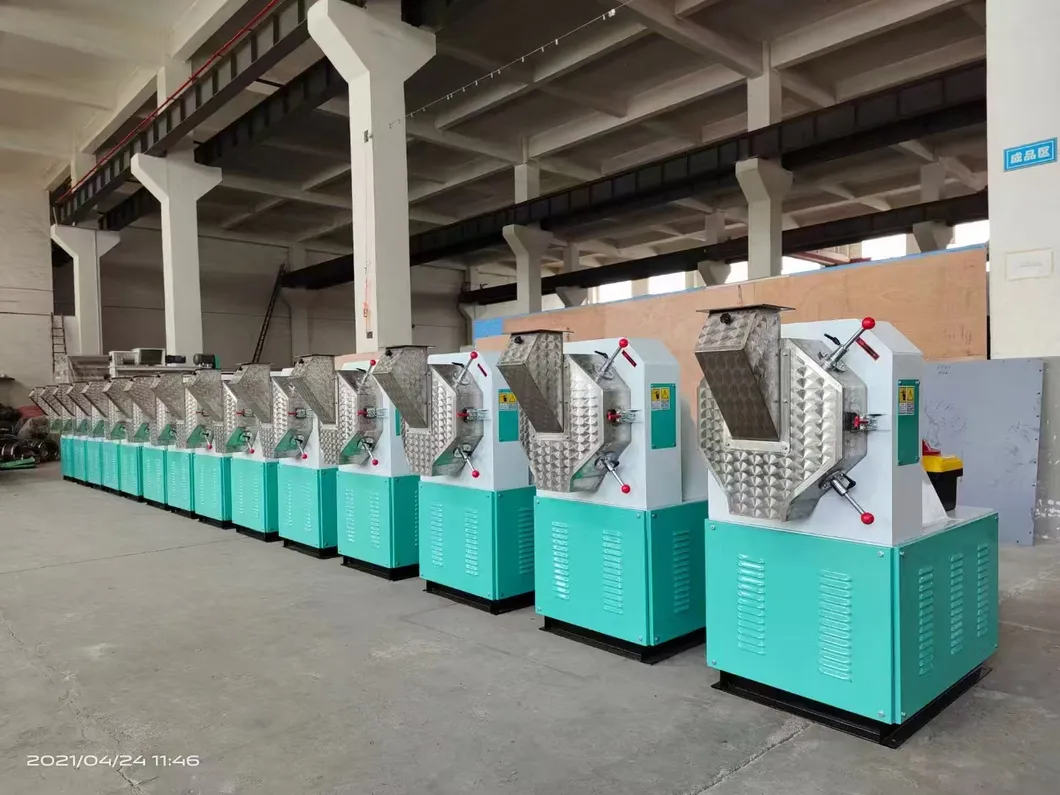
Company Profile & Factory Showcase
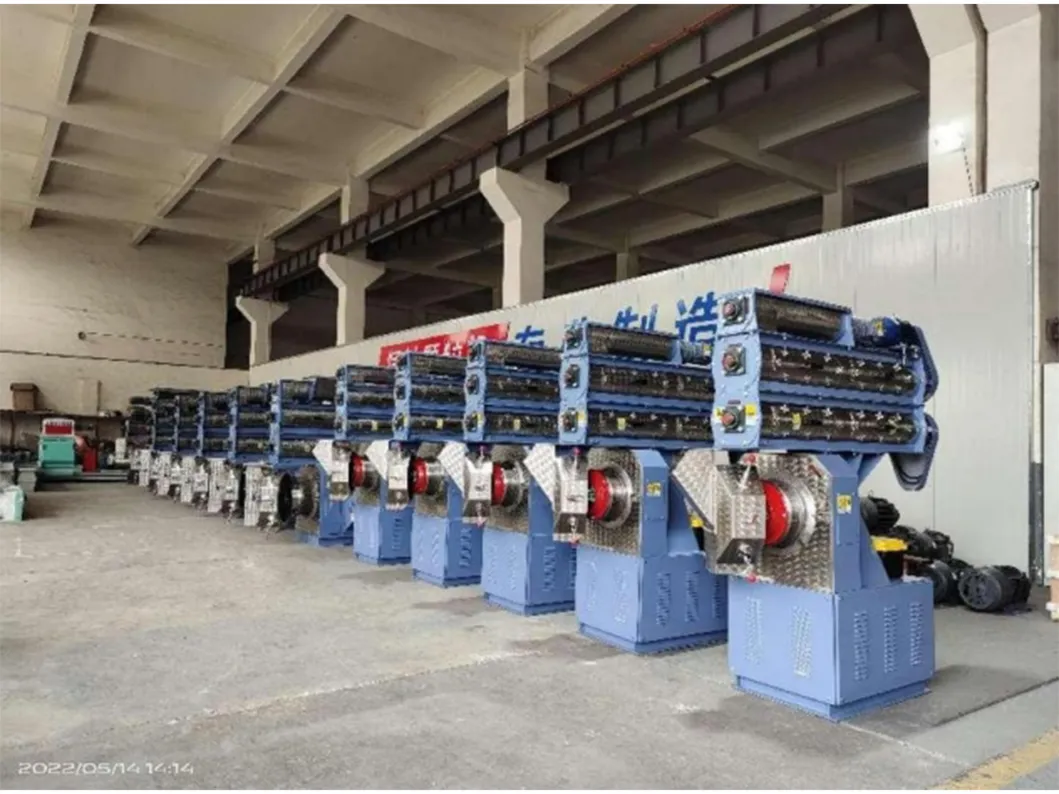
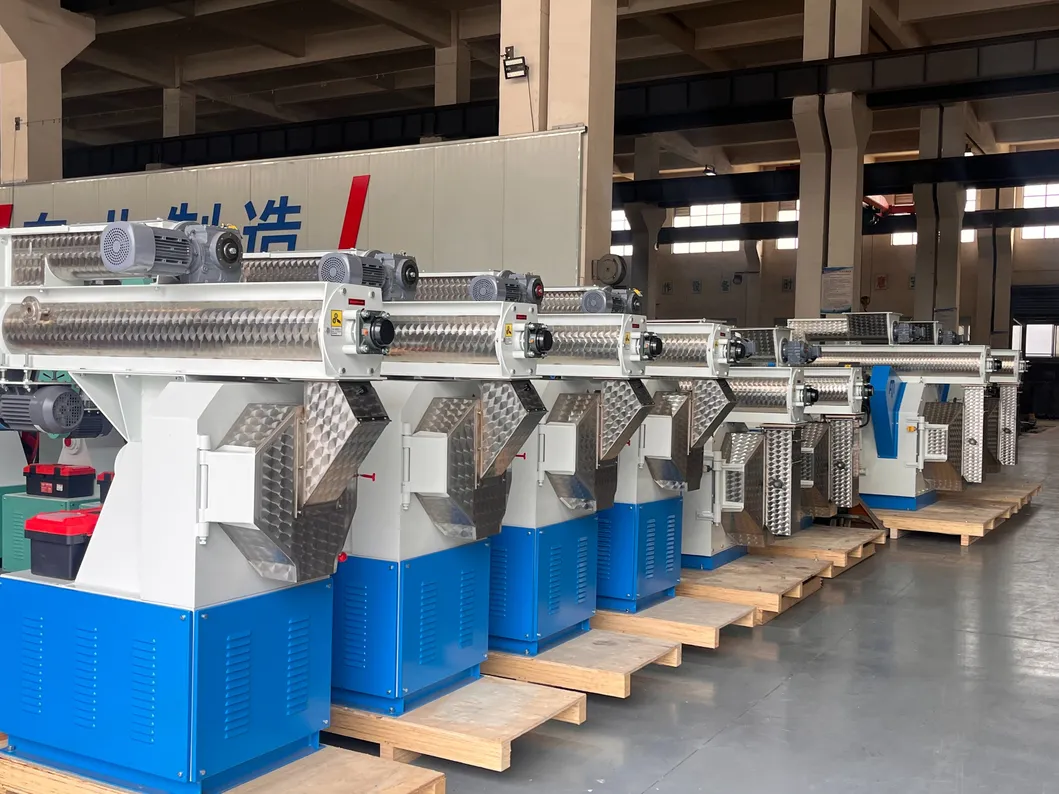
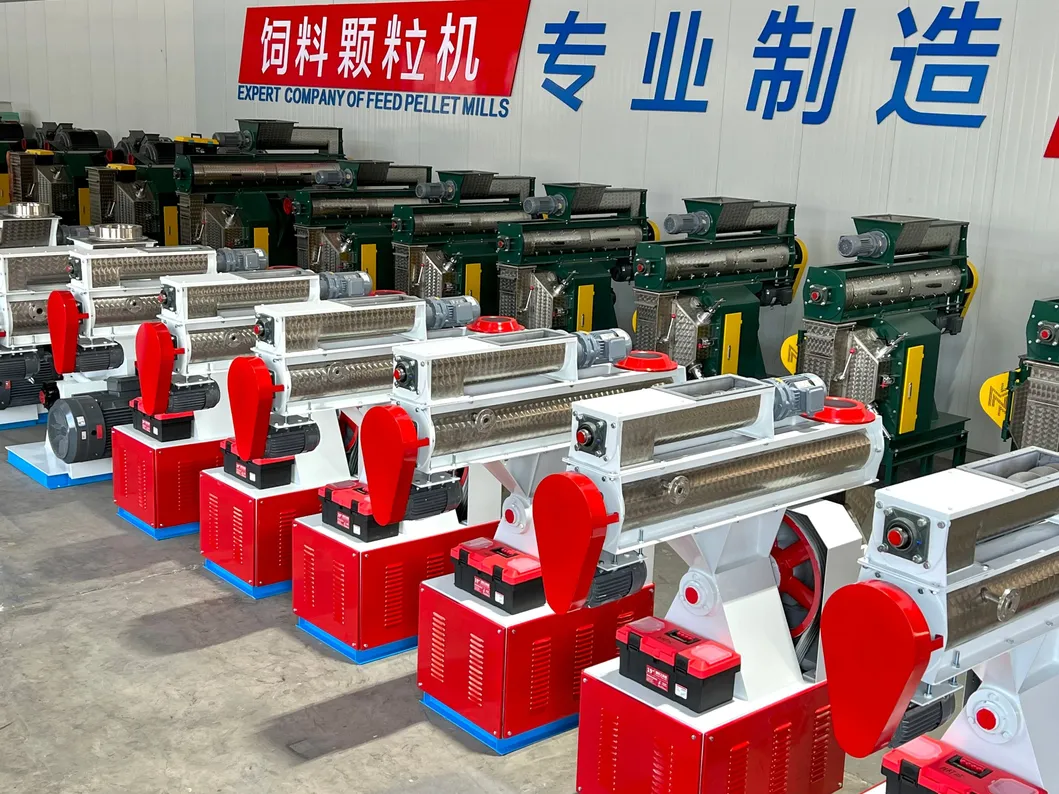
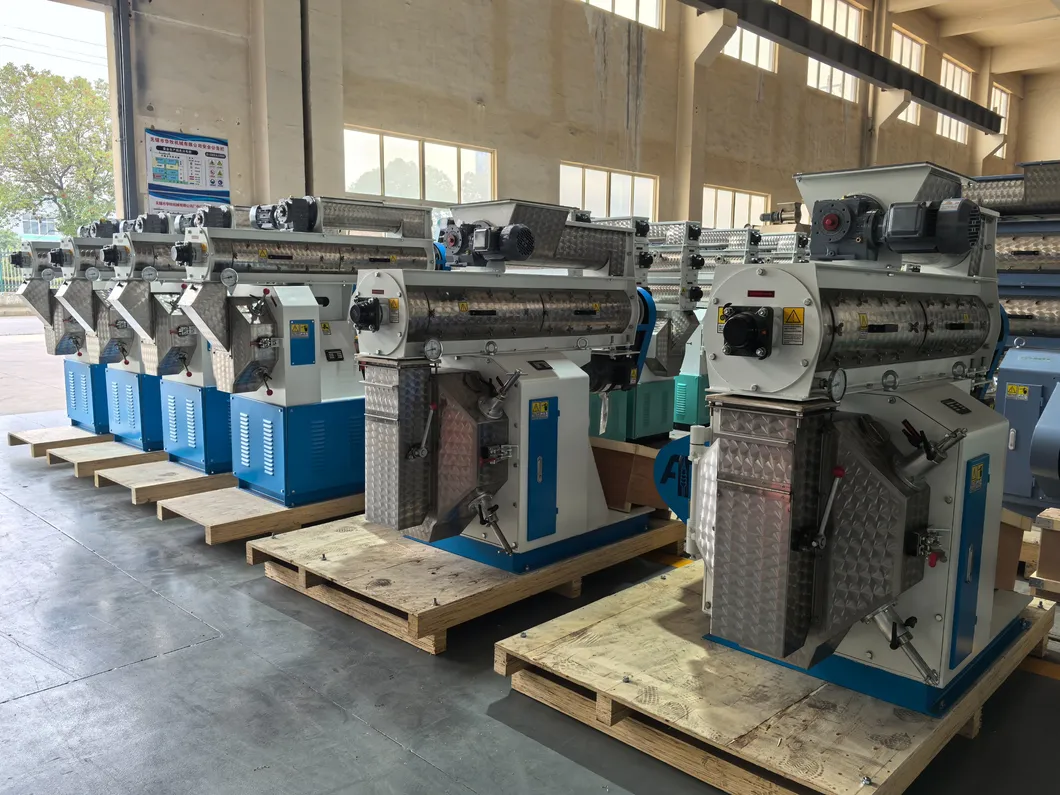
We are a professional supplier of food deep processing and agriculture machinery. We integrate development, sales, and after-sale services as a whole. Our machinery and production lines have high stability and reliability, having been sold to more than 160 countries.
Frequently Asked Questions (FAQ)
Q1: What is the production capacity of the chicken feed production line?
A: We provide various configurations with capacities ranging from 1 ton per hour up to 100 tons per hour to suit different farm and plant sizes.
Q2: Can this production line produce different types of feed?
A: Yes, it is versatile and can produce pellet feed, mash feed (powder), and crumbs for various growth stages of broilers and layers.
Q3: What is the typical installation time for a medium-scale plant?
A: For a 3-10 T/H line, the installation cycle typically ranges from 15 to 60 days, depending on site readiness and complexity.
Q4: Is the system fully automatic?
A: Both automatic and manual control modes are available. We recommend the automatic central control system for high-output projects to ensure precision.
Q5: What is the warranty and after-sales support like?
A: We offer a 1-year warranty on the equipment and provide overseas engineering support, including installation and technical training.
Q6: What raw materials are suitable for this equipment?
A: It is designed to process common granular materials like corn, wheat, and soybeans, as well as premixed mash materials.
 Lenavax Nutrition