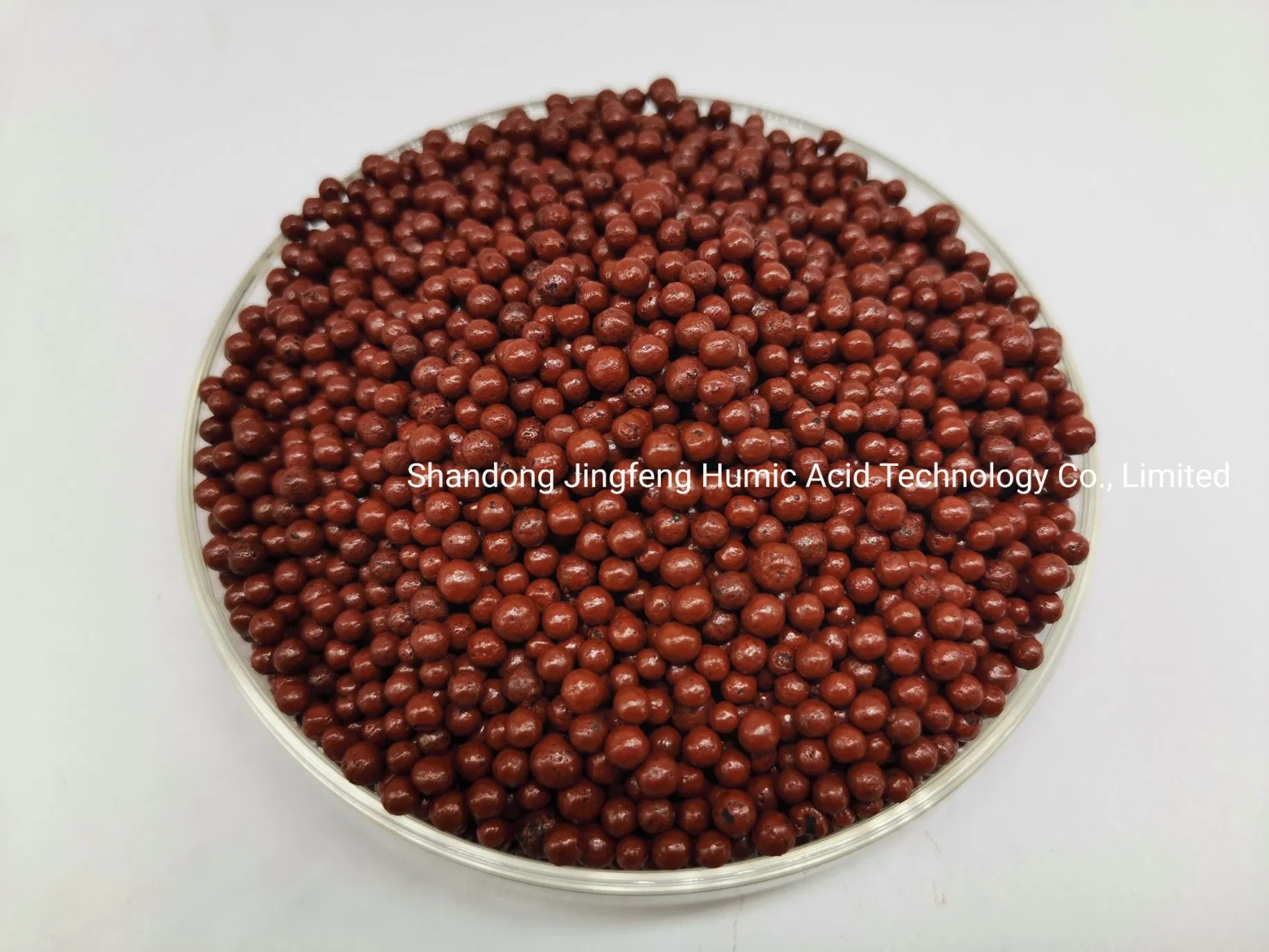
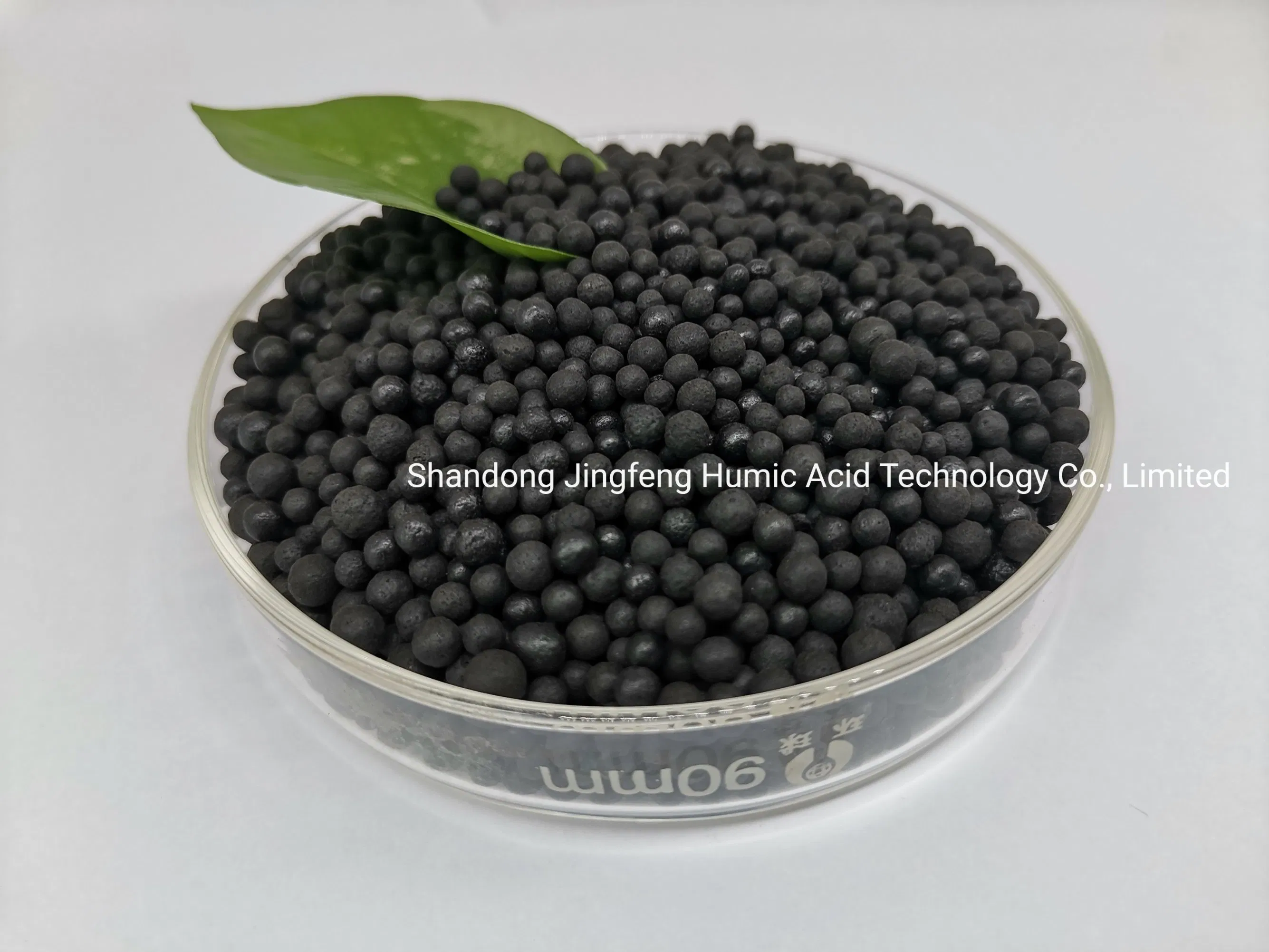
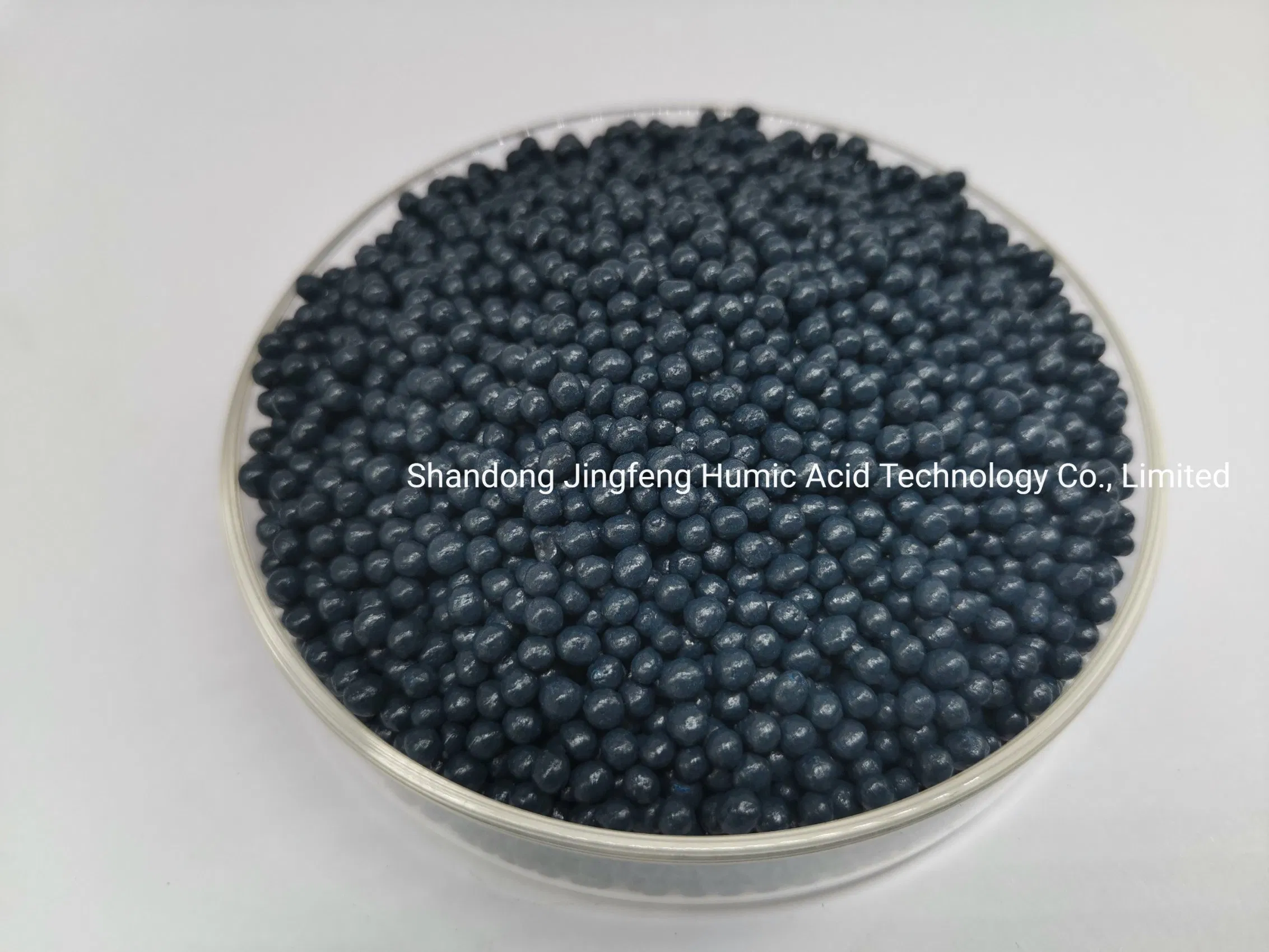
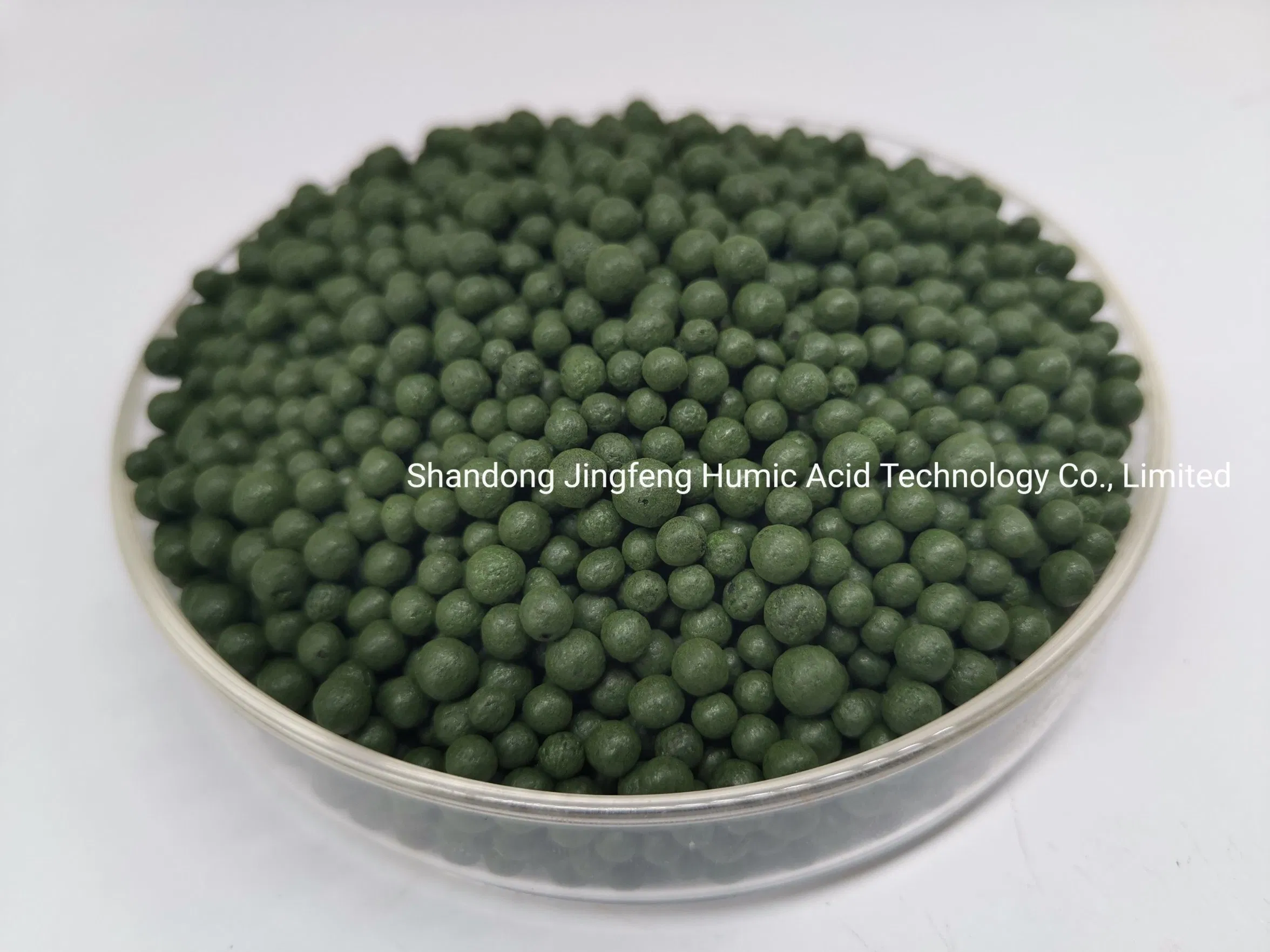
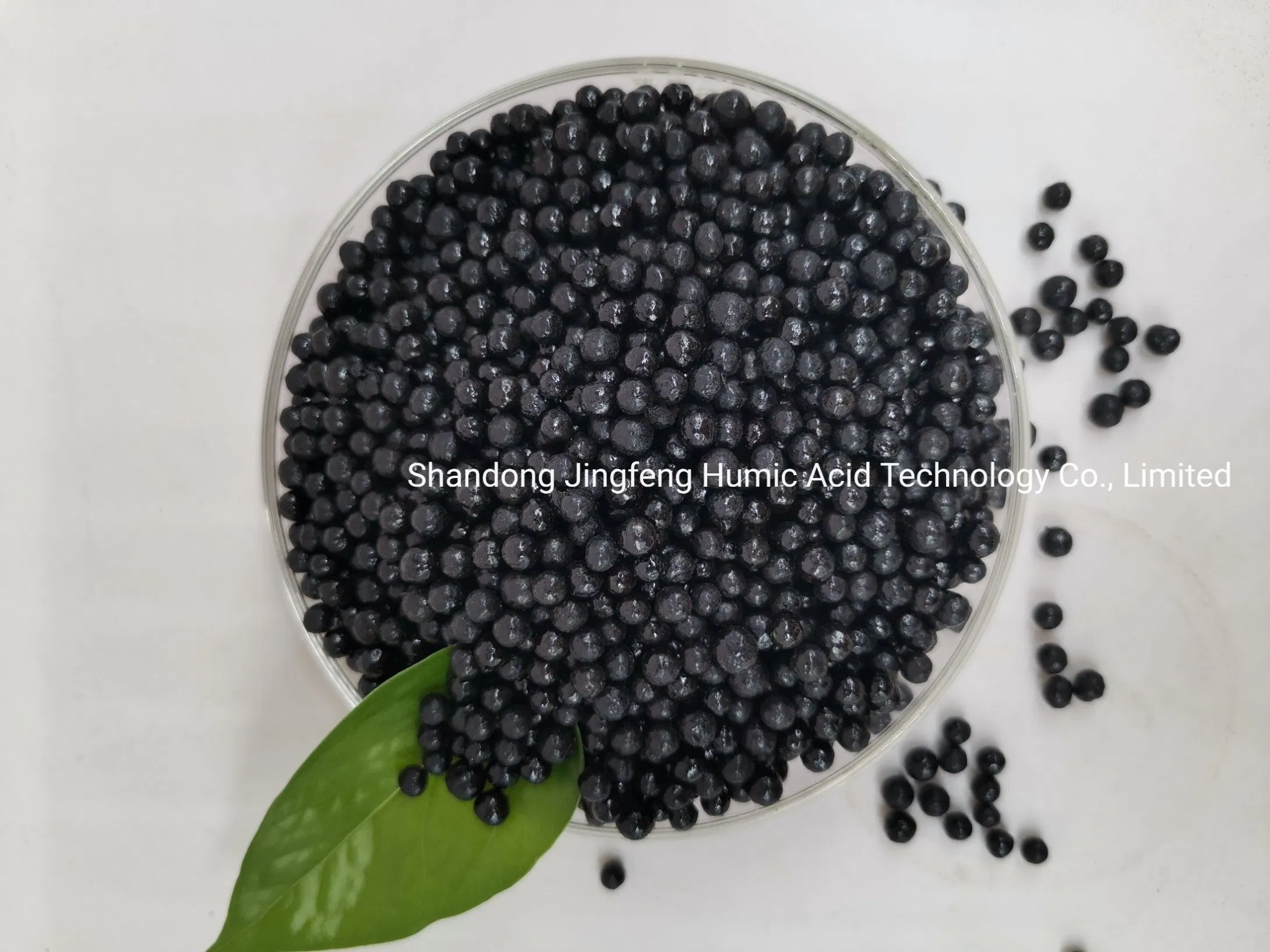
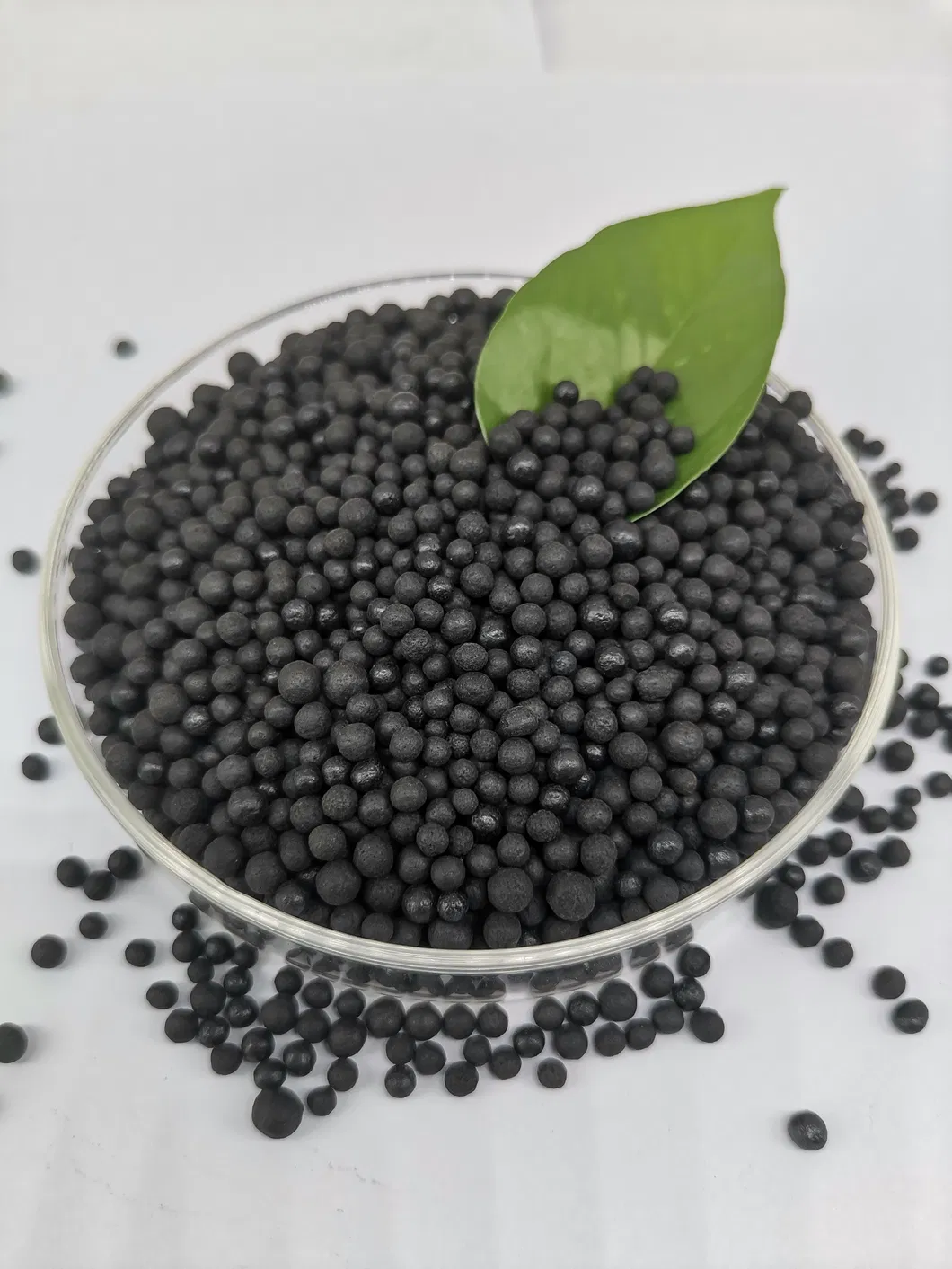
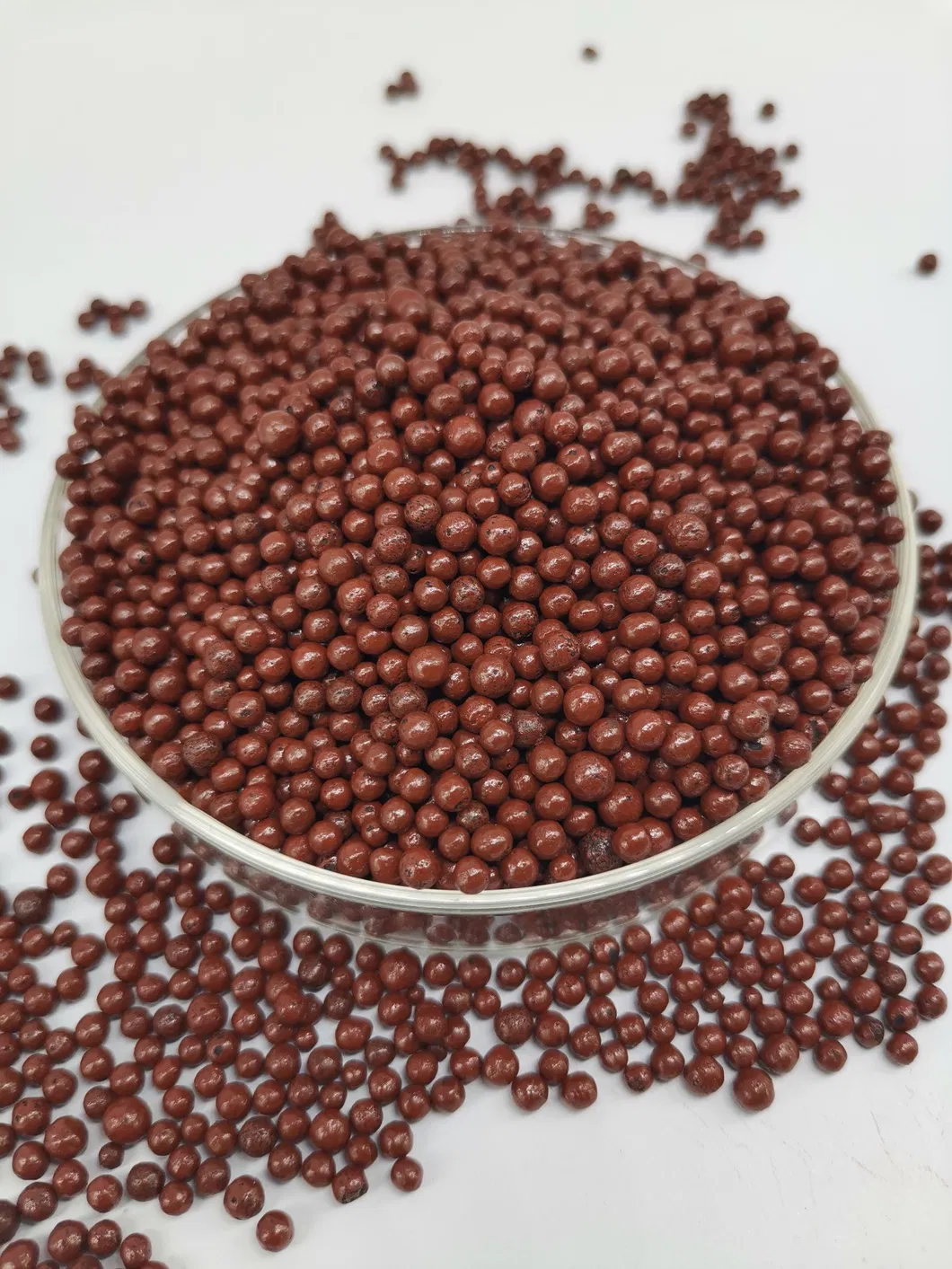
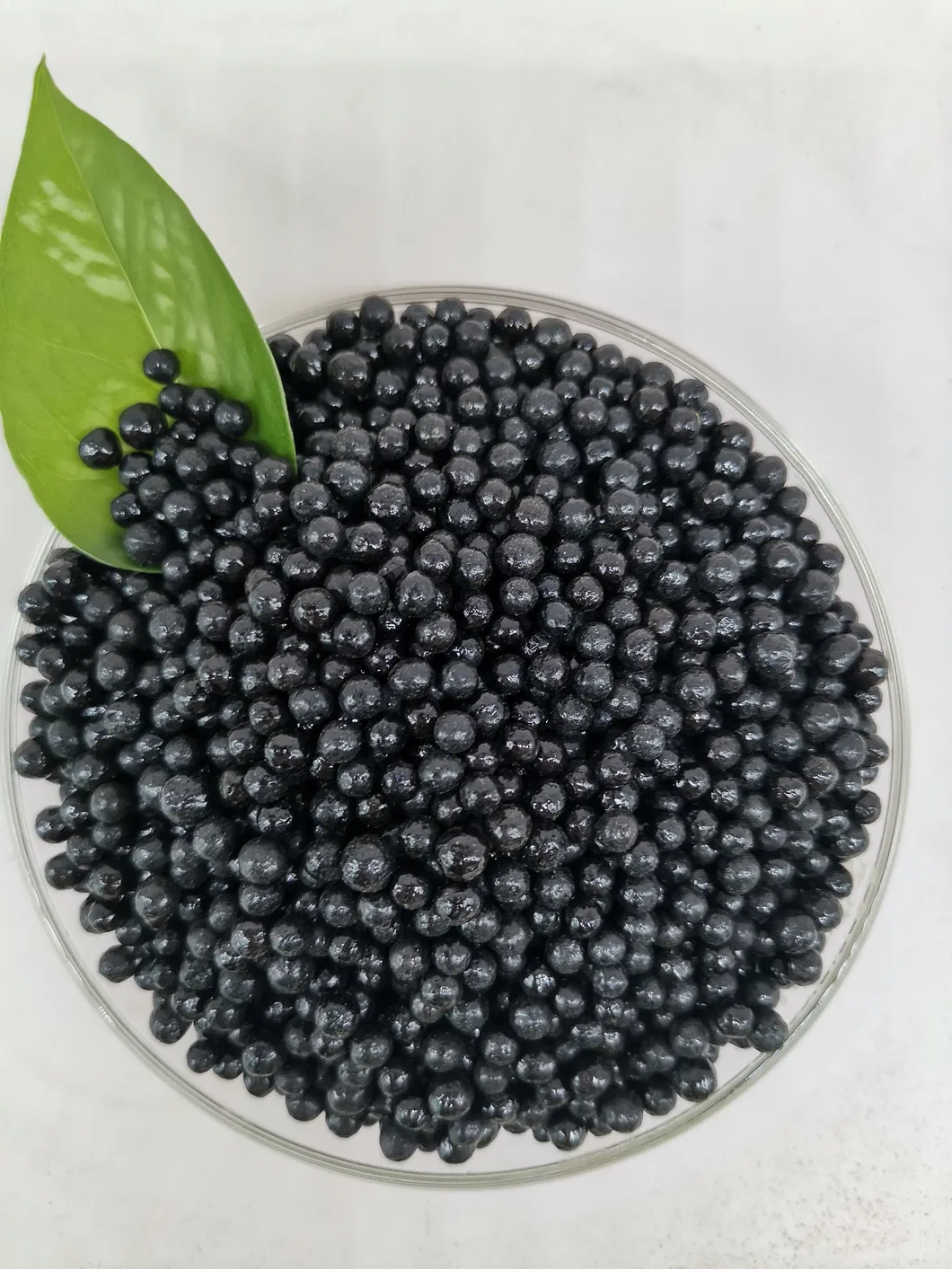
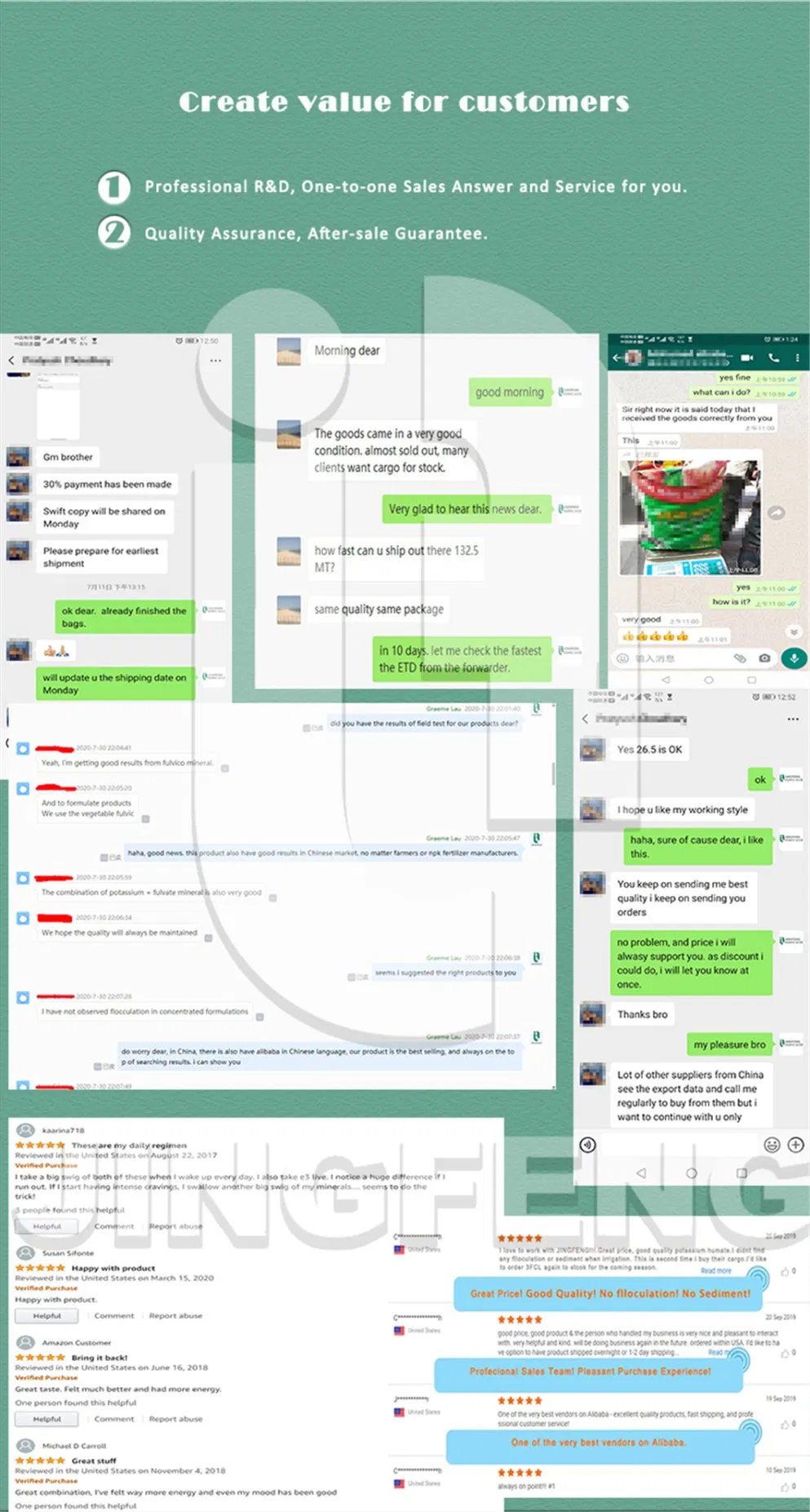
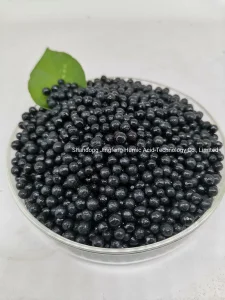
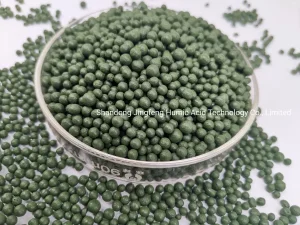
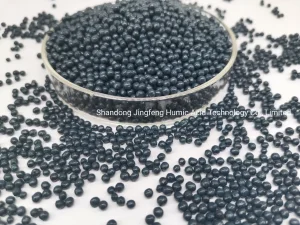
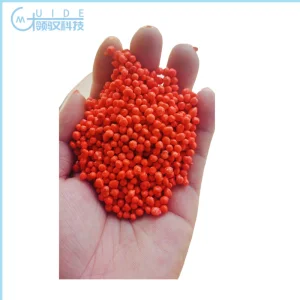
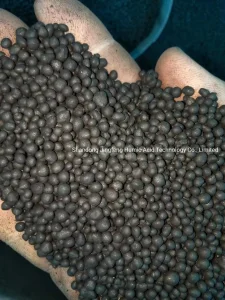
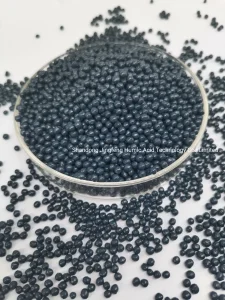
Granule Fertilizer Amino Acid Compound Humic Acid Series Agricultural Organic Fertilizer Granules

Still deciding? Get samples of $ !
Request Sample

Product Description

Basic Information
Model NO.JFHA-NPKHA-G
ApplicationVegetables, Flowers, Fruit, Plant Growth Stimulator
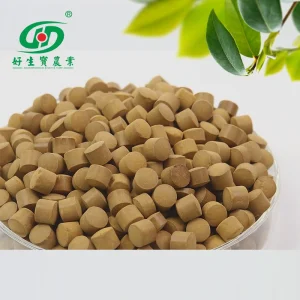
StateGranular
ValiditySlow-acting
Physics StateSolid
Raw MaterialLeonardite and Lignite Extract
Humic Acid (Dry Basis)15%/50%/60%
Organic Matter70%/80%/85%
pH3.0-6.0
Size2-4mm/2-6mm
Moisture15% Max
Product Description
Granule Fertilizer
Organic Fertilizer
Humic Acid Series

Insoluble Humic Acid Round Granule Prill: Formed by microbial degradation of dead biological substances (Leonardite). It contains Humic Acid (HA), Fulvic Acid (FA), and Humin (HM). Our formula includes Humic Acid 15%/50%/60% and NPK 14-0-1.

  • Suitable for field crops and organic farming.
  • Ideal for horticultural plants, landscapes, and gardens.
  • Improves root development and crop yield.
  • Functions as a slow and controlled-release fertilizer.
  • Enhances soil carbon sources and microbial populations.
Key Nutrients & Advantages

In one granular, you can obtain more than 12 kinds of nutrient substances:

NPK + Organic Matter + Potassium + Humic Acid
Medium Trace Elements: Ca, Mg, S
Microelements: Zn, Fe, Cu
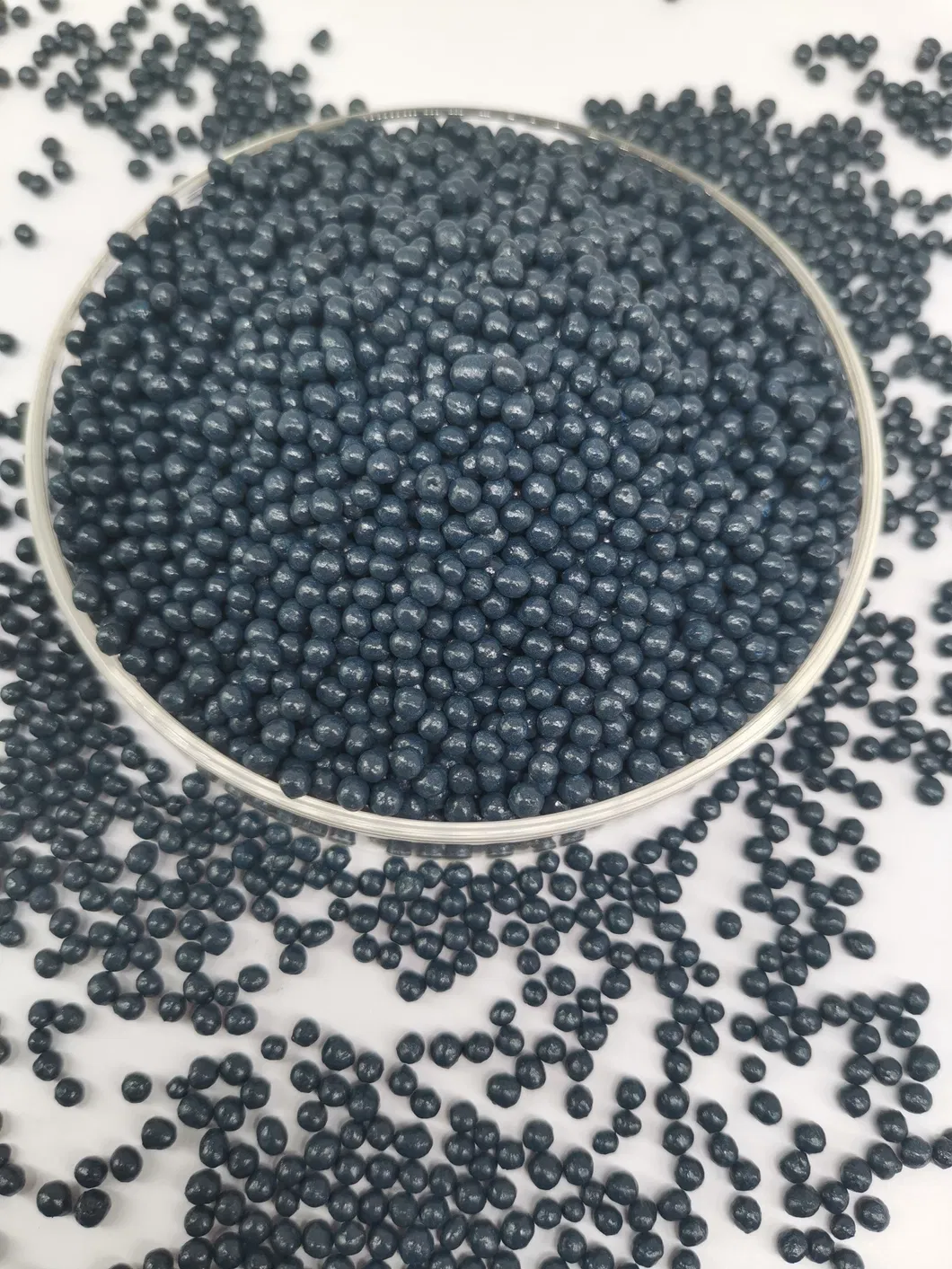
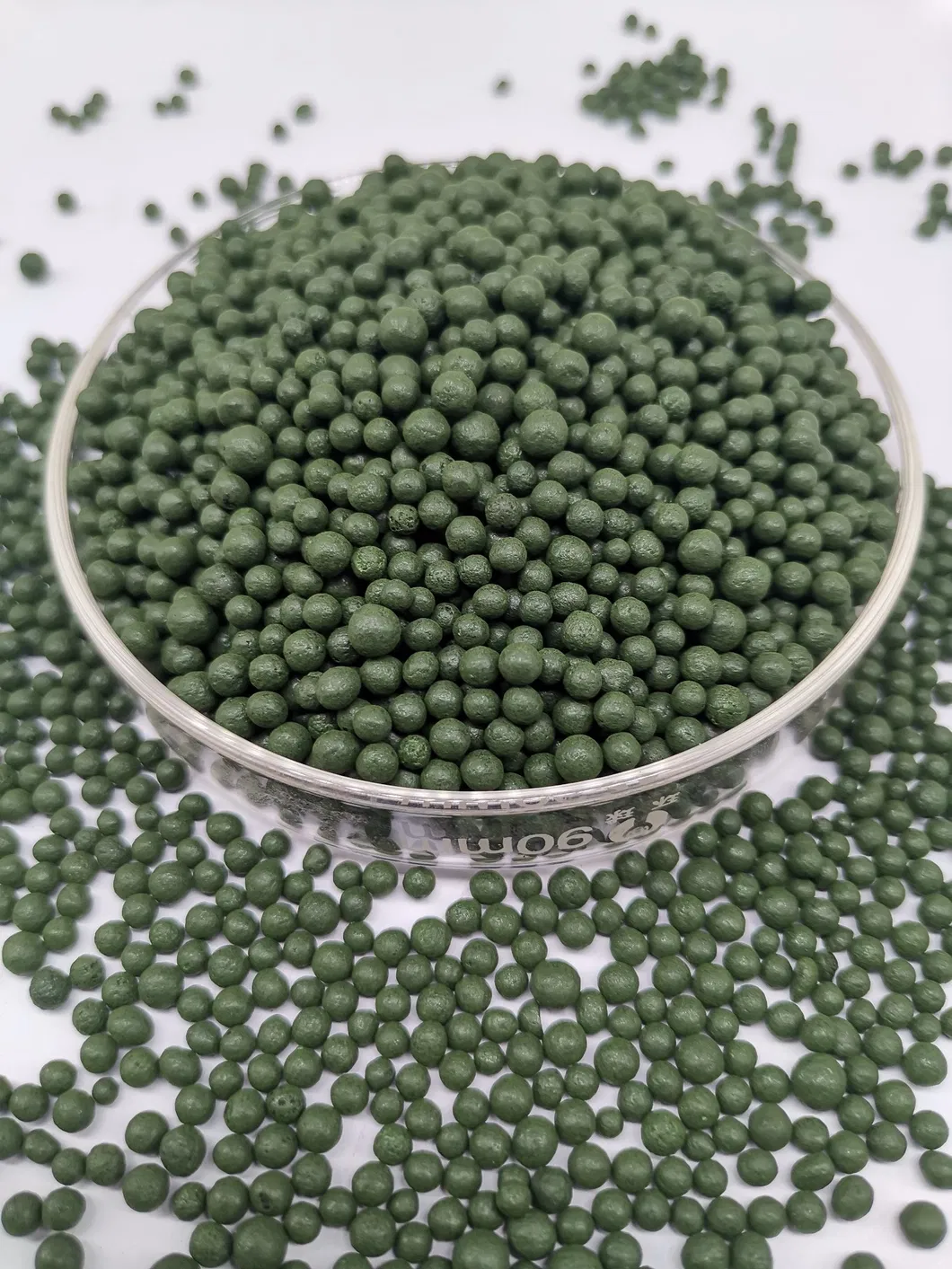
Product Detail 1
Product Detail 2
  • Low moisture, low dust, and high hardness.
  • Increases Nitrogen utilization by 15% to 20%.
  • Builds soil water holding capacity.
  • Beneficial for soil remediation in compacted or salt-affected soils.
  • Extracted from 100% natural mineral Leonardite.
Technical Parameters
Specification Grade 1 (60% HA) Grade 2 (50% HA)
Organic Matter85.0% min80.0% min
Humic Acid60.0% min50.0% min
SolubilityInsolubleInsoluble
C.E.C≥200meq/100g≥200meq/100g
Particle size2-4mm / 2-6mm2-4mm / 2-6mm
pH4-64-6
Parameter Chart
Certifications & Packaging
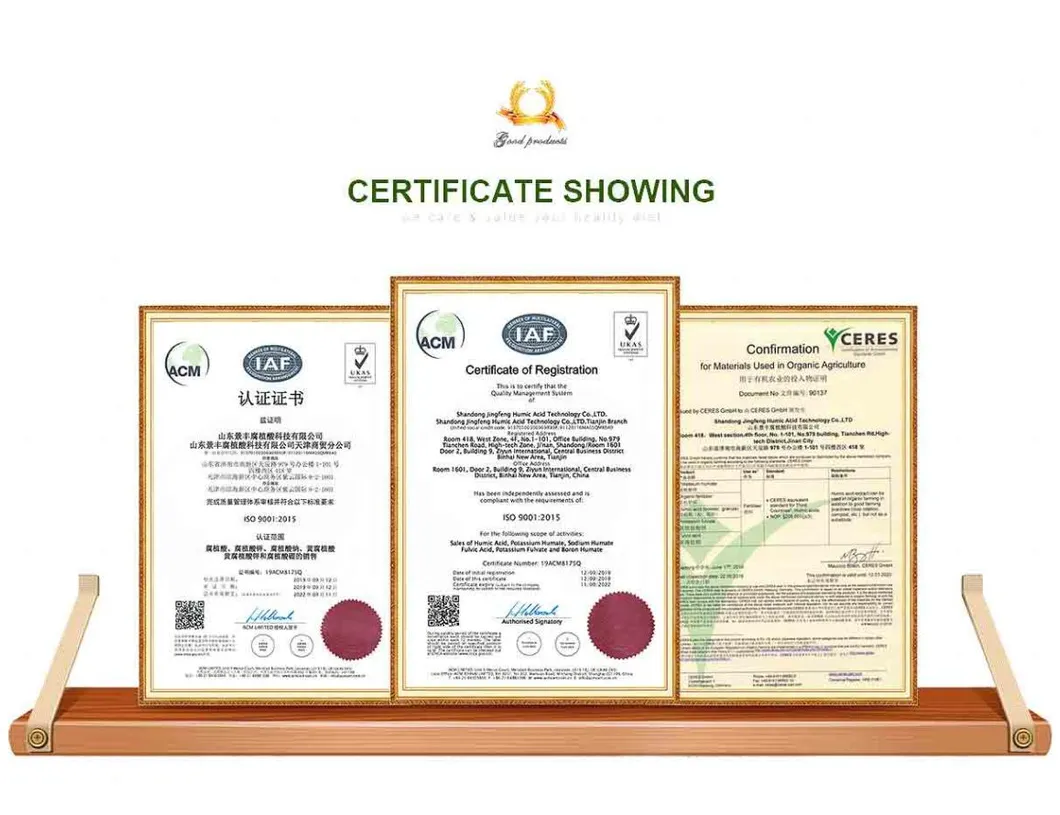
Certifications
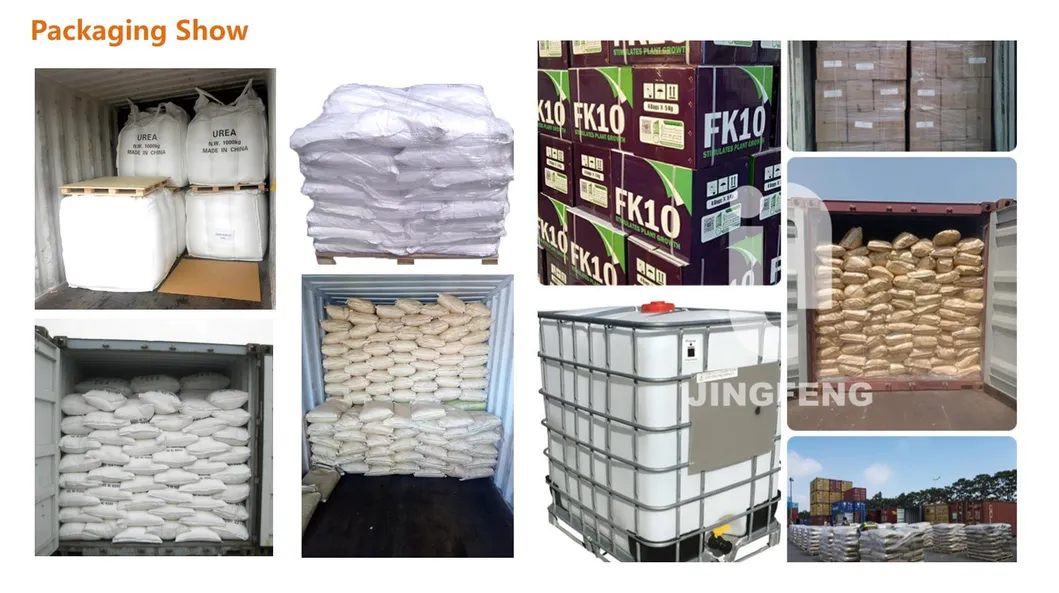
Packaging 1
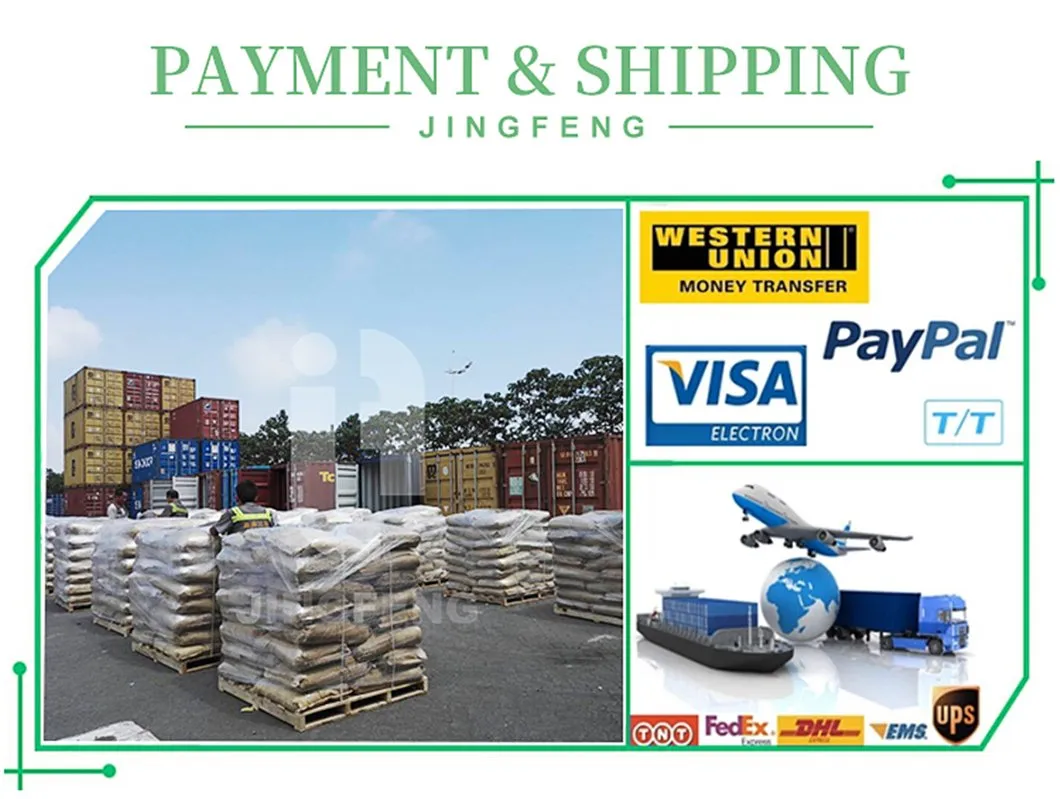
Shipping
Quality Control & Service
After Sales Service
Frequently Asked Questions
1. What is the primary source of your humic acid? Our humic acid is extracted from 100% natural minerals, specifically high-quality Leonardite and Lignite, ensuring a high concentration of organic matter.
2. How does humic acid improve soil structure? For light, sandy soil, it helps retain water and nutrients. For heavy, compact soil, it works with soil fungi to create a crumb structure that improves oxygen and nutrient intake for roots.
3. Can humic acid be used with other fertilizers? Yes, humic acid has a synergistic effect on NPK fertilizers. It helps fix nitrogen, decompose phosphate, and fix potassium, promoting better overall absorption by crops.
4. What are the benefits of the slow-release feature? The slow-release granular form provides long-term nutrition to the plants, reduces nutrient leaching into groundwater, and improves the long-term utilization rate of the fertilizer.
5. Is this product suitable for organic farming? Absolutely. Our humic acid products are registered with CERES and ISO, making them an ideal choice for organic agricultural inputs and sustainable farming practices.
6. What is the difference between potassium humate and raw humic acid? Raw humic acid is typically insoluble in water and used for soil conditioning. Potassium humate is the salt form created by treating Leonardite with alkaline (KOH), often making it more reactive or soluble depending on the processing.

Related Products