Essential hardware and environmental technologies deployed to manage tropical soil mechanical structures and optimize crop nutrition delivery systems.
Equatorial Guinea, located in the humid tropics of Central Africa, faces distinct geological and climatological conditions that directly affect soil structure and agricultural output. The country is split between the volcanic soils of Bioko Island and the older, heavily weathered Ferralsols (oxisols) of the mainland Rio Muni region. High annual precipitation—frequently exceeding 2,000 mm—drives aggressive leaching of mobile cations (such as calcium, magnesium, and potassium), leaving behind acidic soils rich in iron and aluminum oxides.
Under these conditions, standard chemical fertilization protocols often fail. Heavy nutrient runoff leads to eutrophication of local water sources while providing minimal systemic benefit to the crops. Modern agronomic practices must transition from basic nutrient input to comprehensive Soil Health Management. This transition requires a combination of physical soil aeration, moisture-retentive substrate engineering, and advanced humic complexes that stabilize soil organic matter (SOM) and dramatically increase the soil's Cation Exchange Capacity (CEC).
1. High Leaching Rates: Soluble nitrogen, phosphorus, and potassium (NPK) are quickly washed away from the rhizosphere by equatorial rainfall.
2. High Soil Acidity: Lower pH levels lead to aluminum toxicity and lock up essential phosphorus, preventing root absorption.
3. Organic Matter Depletion: Rapid microbial mineralization due to high heat and humidity quickly depletes the soil's top organic layer.
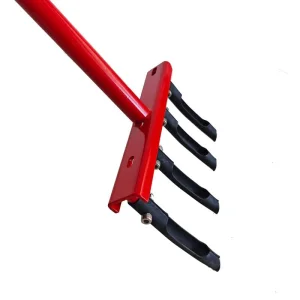
Integrating humic and fulvic complexes with slow-release polymers and customized mechanical aeration tools creates a stable soil structure that retains both moisture and applied inputs.
Hangzhou Lenavax Nutrition Co., Ltd., founded over 20 years ago, has been dedicated to delivering innovative and reliable nutrition solutions for both animal and crop industries. With a strong foundation in research, production, and quality control, the company has built a solid reputation for scientific formulation, consistent product performance, and long-term customer trust.
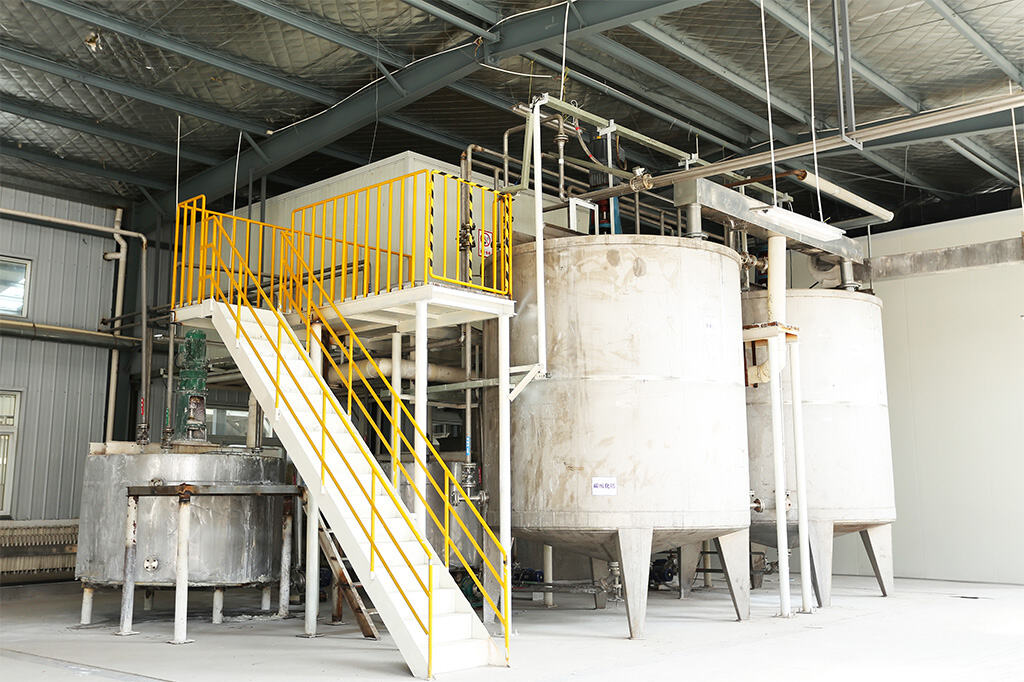
Lenavax initially focused on the development and manufacturing of animal feed additives, including Corn Gluten Meal 60%, Mycoprotein 70%, and Rice Protein Powder 70%. These products are widely used to improve feed efficiency, enhance animal growth, and support overall health. Backed by advanced processing technology and strict quality management systems, Lenavax ensures stable supply and high nutritional value for global partners.
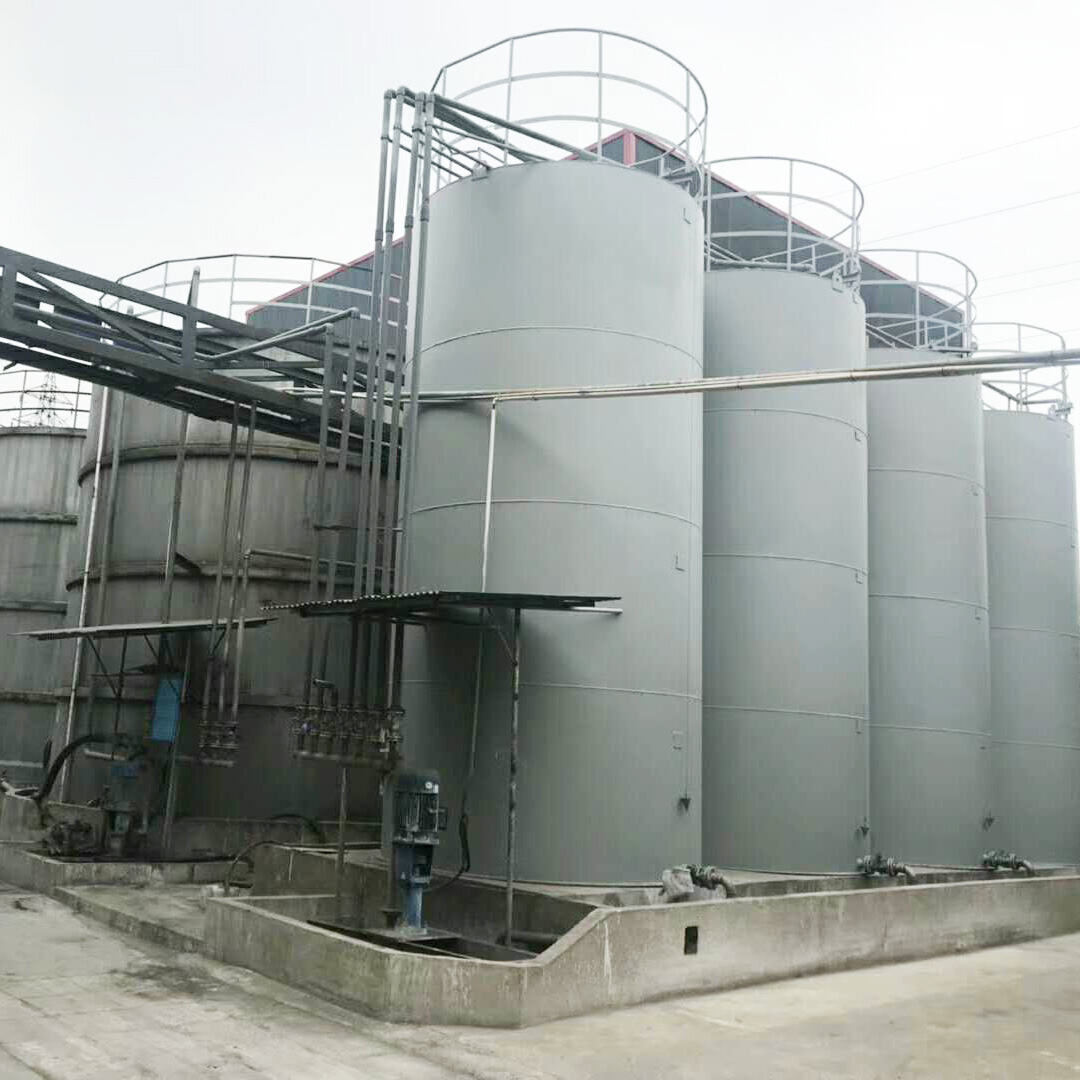
In recent years, the company has strategically expanded its business scope from domestic fertilizer supply to international markets. Its growing portfolio now includes CSL Powder 42%, Organic NPK Fertilizer, and a range of soil conditioners designed to improve soil structure, increase nutrient availability, and promote sustainable agricultural practices.
By integrating animal nutrition and crop nutrition solutions, Lenavax is committed to supporting modern agriculture with efficient, eco-friendly, and scientifically driven products worldwide. Our entry into the Equatorial Guinea market combines advanced biostimulant manufacturing with localized agricultural machinery, addressing the unique nutritional and mechanical needs of tropical soils.
A comparative look at macro-agronomic transformations and their direct impact on West African agriculture.
The global Soil Health market is moving rapidly from traditional mineral supplementation to biological, carbon-retentive, and precision management inputs. Driven by strict environmental regulations and the rising cost of synthetic chemical inputs, global enterprises are focusing on biostimulants like Humic Substances, Amino Acids, and Natural Zeolite minerals.
Additionally, agricultural operations are adopting smarter, data-driven irrigation and subsoil drainage networks. This helps minimize nitrogen leaching while maintaining the soil's natural structure. Investing in soil organic carbon (SOC) serves dual purposes: it improves long-term crop resilience and secures carbon credits, aligning with global climate action initiatives.
In Equatorial Guinea, key commercial crops like cocoa (primarily on Bioko Island) and timber, coffee, bananas, and cassava (in the mainland Rio Muni region) are highly vulnerable to soil degradation. Traditional farming methods have depleted the topsoil of nutrients, while heavy rainfalls lead to soil compaction and waterlogging.
As the government works to diversify the economy away from fossil fuels, improving agricultural productivity is a top priority. Importers, distributors, and large-scale agricultural projects are looking for high-quality soil conditioners, structural agents, and modern tillage systems. These tools are critical to reclaiming degraded fields, improving fertilizer efficiency, and building reliable local food supplies.
Our three-phase framework addresses chemical, physical, and biological soil degradation in tropical environments.
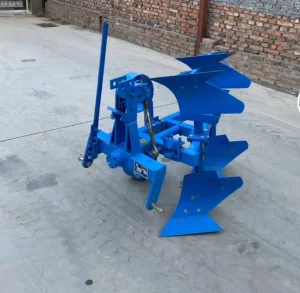
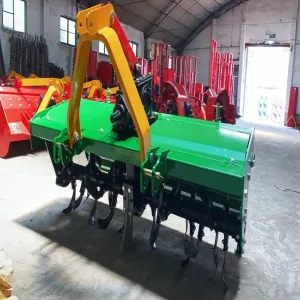
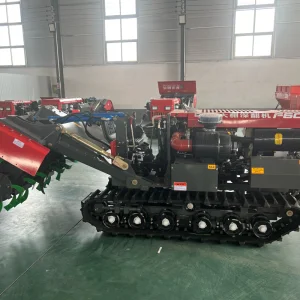
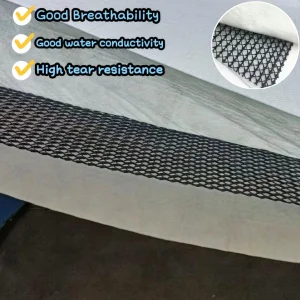
Using heavy subsoilers, deep tillage equipment, and engineered 3D drainage to break up dense subsurface clay layers. This process stops waterlogging and helps roots grow deeper.
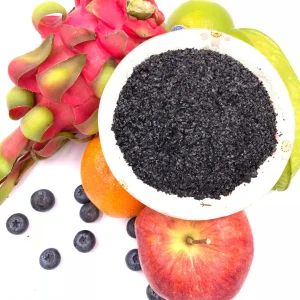
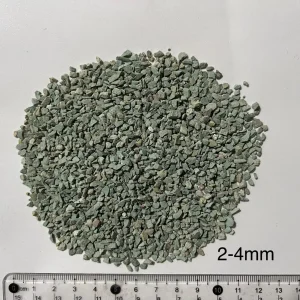
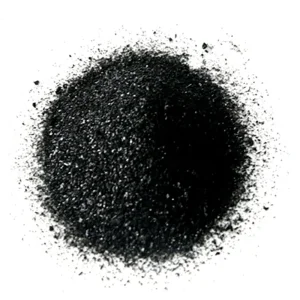
Applying natural Clinoptilolite Zeolite and humic acids to neutralize soil acidity, prevent aluminum toxicity, and increase the Cation Exchange Capacity (CEC).
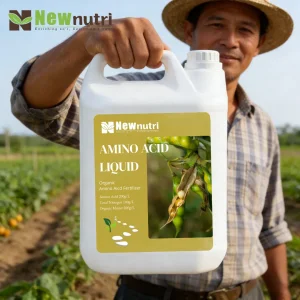
Deploying organic amino acids, fulvic complexes, and potassium polyacrylate gels to support beneficial microbes, retain moisture, and ensure slow-release nutrient uptake.
Need custom formulations or machinery specifications for your plantation?
Request Technical ConsultationA comprehensive portfolio of soil amendments, biostimulants, water retention agents, and drainage solutions designed to improve crop yields in tropical conditions.
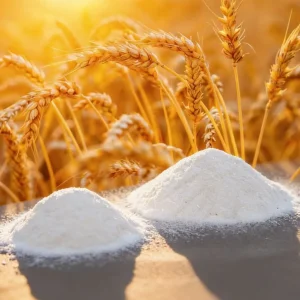
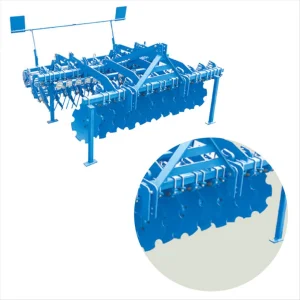
A strategic vision combining mechanical innovation, chemistry, and digital monitoring to improve agricultural yields.
Deploying heavy mechanical systems like subsoilers and 3D drainage networks to establish essential physical structure in heavy clay soils. During this initial phase, operations focus on correcting soil acidity using natural inputs like Clinoptilolite Zeolite and humic acids to build baseline fertility.
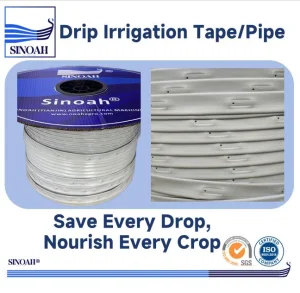
Integrating precise drip irrigation systems with potassium polyacrylate superabsorbent hydrogels. This combination forms a localized water-nutrient reservoir at the crop root zone, reducing irrigation needs and protecting inputs from heavy tropical downpours.
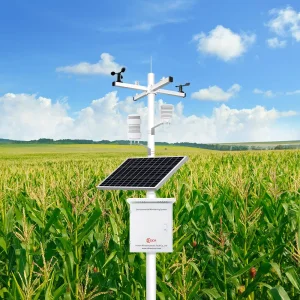
Installing wireless sensor stations to monitor weather patterns and soil health, linked to automated fertigation systems. In this phase, crop feeding relies on custom-formulated liquid amino and fulvic acids to maximize yield potential and crop health.
Addressing key industrial concerns, product applications, and supply logistics for the Central African agricultural market.
Partner with Hangzhou Lenavax Nutrition. We provide customized agricultural machinery, high-performance humic formulations, and reliable shipping logistics directly to the Equatorial Guinea market.
 Lenavax Nutrition