The Jordanian poultry sector is a cornerstone of national food security, yet it faces unique challenges dictated by its arid climate and dependence on imported raw materials. As an expert in poultry nutrition optimization, Lenavax recognizes that the key to competitive edge in the Jordanian market lies not just in volume, but in nutritional precision.
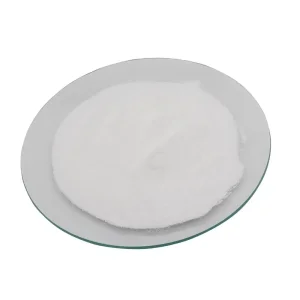
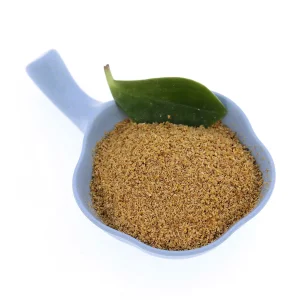
Jordanian poultry producers, ranging from large-scale commercial broiler integrations to localized layer operations, face significant "Heat Stress" challenges. High ambient temperatures lead to reduced feed intake and metabolic imbalance. Our advanced feed additives, including Betaine Anhydrous and Chromium Picolinate, are engineered to mitigate these physiological stressors, ensuring optimal metabolic performance even under thermal load.
To move beyond simple ingredient supply, the industry is shifting towards Performance-Based Nutrition.
Lenavax provides comprehensive support for the Jordan market, ensuring all products align with regional agricultural standards. We understand the import complexities and the necessity for consistent, verified supply chains. Our 20+ years of experience allows us to provide technical dossiers, certificates of analysis (COA), and formulation guidance to help Jordanian feed mills optimize their recipes for better profitability.
Q: How do Lenavax products support heat stress in the Jordan climate?
A: Our additives like Betaine Anhydrous assist in cellular osmotic regulation, helping poultry maintain metabolic homeostasis during extreme heat, which is vital for Jordan's climatic conditions.
Q: Can Lenavax customize formulations for my local feed mill?
A: Absolutely. We specialize in "Recipe Optimization." We analyze your raw material availability and usage requirements to suggest a formulation matrix that maximizes animal growth while minimizing feed costs.
Q: What is the lead time for shipments to Jordan?
A: We maintain robust inventory levels and efficient logistics channels to ensure timely delivery to the Middle East, minimizing supply chain disruptions.
 Lenavax Nutrition