The agricultural landscape in East Africa, particularly within the Republic of Rwanda, is undergoing an unprecedented modernization shift. Guided by the Strategic Plan for Agricultural Transformation (PSTA 4), the Rwandan poultry sector has transitioned from backyard rearing to intensive commercial production. However, feed costs represent approximately 65% to 75% of total production costs for local poultry operations in hubs like Kigali, Bugesera, and Musanze. This reality, combined with regional raw material volatility (specifically fluctuations in maize and soybean crop yields), demands precise nutritional intervention.
Rwandan feed manufacturers face distinct challenges. Local protein sources such as local sunflower meal or regional soy cakes often present inconsistent crude protein levels and varying amino acid profiles. The presence of antinutritional factors (ANFs) further diminishes animal performance, leading to elevated Feed Conversion Ratios (FCR). To unlock the genetic potential of modern broiler strains (like Cobb 500 and Ross 308) and layer breeds, the inclusion of highly purified, industrial-grade synthetic amino acids (such as L-Lysine, L-Tryptophan, and Isoleucine) and physiological adaptogens (such as Betaine Anhydrous) is no longer optional—it is a critical requirement for financial viability.
Worldwide, the animal production sector is adopting "Precision Nutrition"—the practice of matching precise nutrient requirements with bio-available sources, minimizing nitrogen excretion and environmental strain. Synthetic amino acids act as critical building blocks. Modern diets formulate to digestible amino acid values rather than crude protein levels, saving significant costs and improving gut health.
Additionally, the industry’s shift toward antibiotic-free production has highlighted the value of natural antimicrobial feed additives. Natural Allicin and Betaine Anhydrous have gained attention for their role in improving gut integrity and managing heat stress. In tropical regions like East Africa, elevated temperature and humidity challenge bird physiology. Osmoregulators, like Betaine, preserve cellular integrity, maintaining water retention and preventing performance drops caused by seasonal thermal stress.
| Nutrient / Additive | Primary Biological Mechanism | Economic / Technical Benefit in Rwanda |
|---|---|---|
| L-Tryptophan (99%) | Precursor of Serotonin & Niacin; regulates stress & voluntary feed intake | Improves feed intake during high temperatures; controls feathering issues |
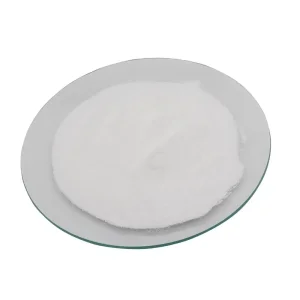
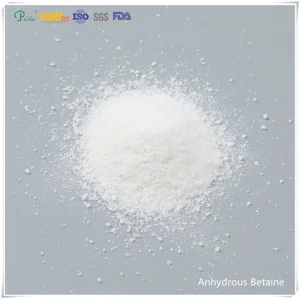
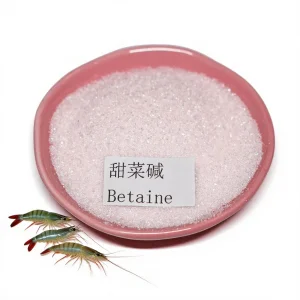
| Betaine Anhydrous (96%) | Potent methyl donor & organic osmoregulator | Maintains intestinal integrity; alleviates heat stress in humid regions |
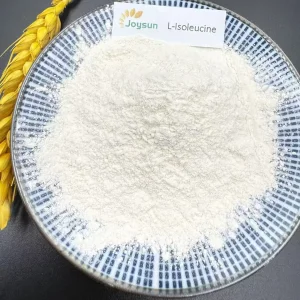
| Isoleucine (Feed Grade) | Branched-chain amino acid (BCAA); repairs mucosal tissues and supports immune response | Enables low-protein diets without reducing breast meat yield |
| L-Lysine Sulfate | First limiting amino acid booster; supports myofibrillar protein synthesis | Cost-effective lysine source featuring beneficial secondary microbial biomass |
Hangzhou Lenavax Nutrition Co., Ltd., founded over 20 years ago, has been dedicated to delivering innovative and reliable nutrition solutions for both animal and crop industries. With a strong foundation in research, production, and quality control, the company has built a solid reputation for scientific formulation, consistent product performance, and long-term customer trust.
Lenavax initially focused on the development and manufacturing of animal feed additives, including Corn Gluten Meal 60%, Mycoprotein 70%, and Rice Protein Powder 70%. These products are widely used to improve feed efficiency, enhance animal growth, and support overall health. Backed by advanced processing technology and strict quality management systems, Lenavax ensures stable supply and high nutritional value for global partners.
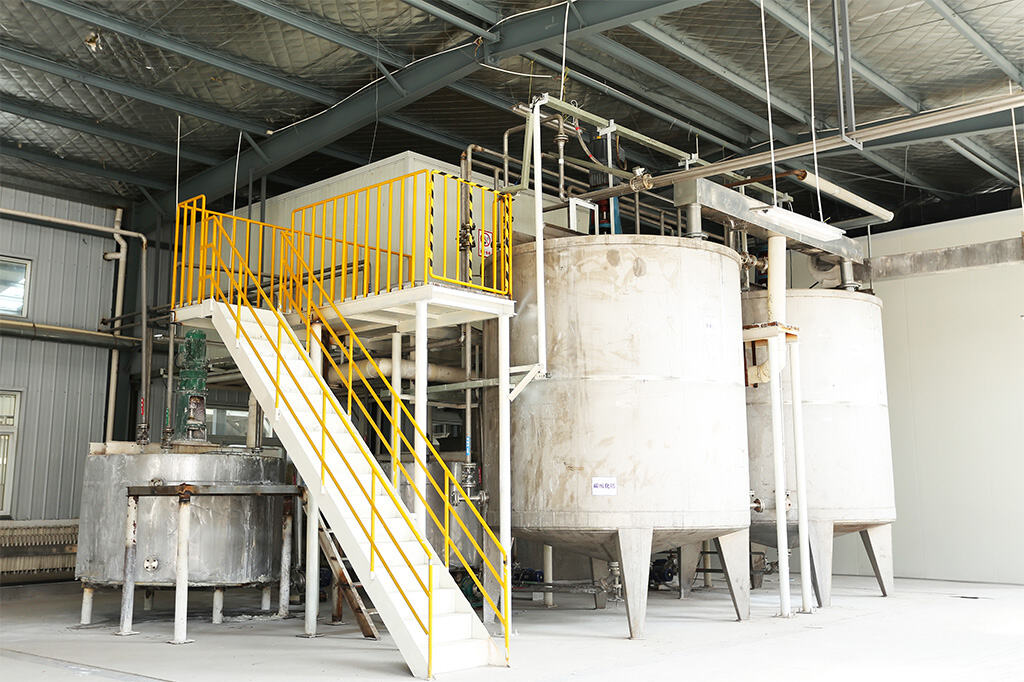
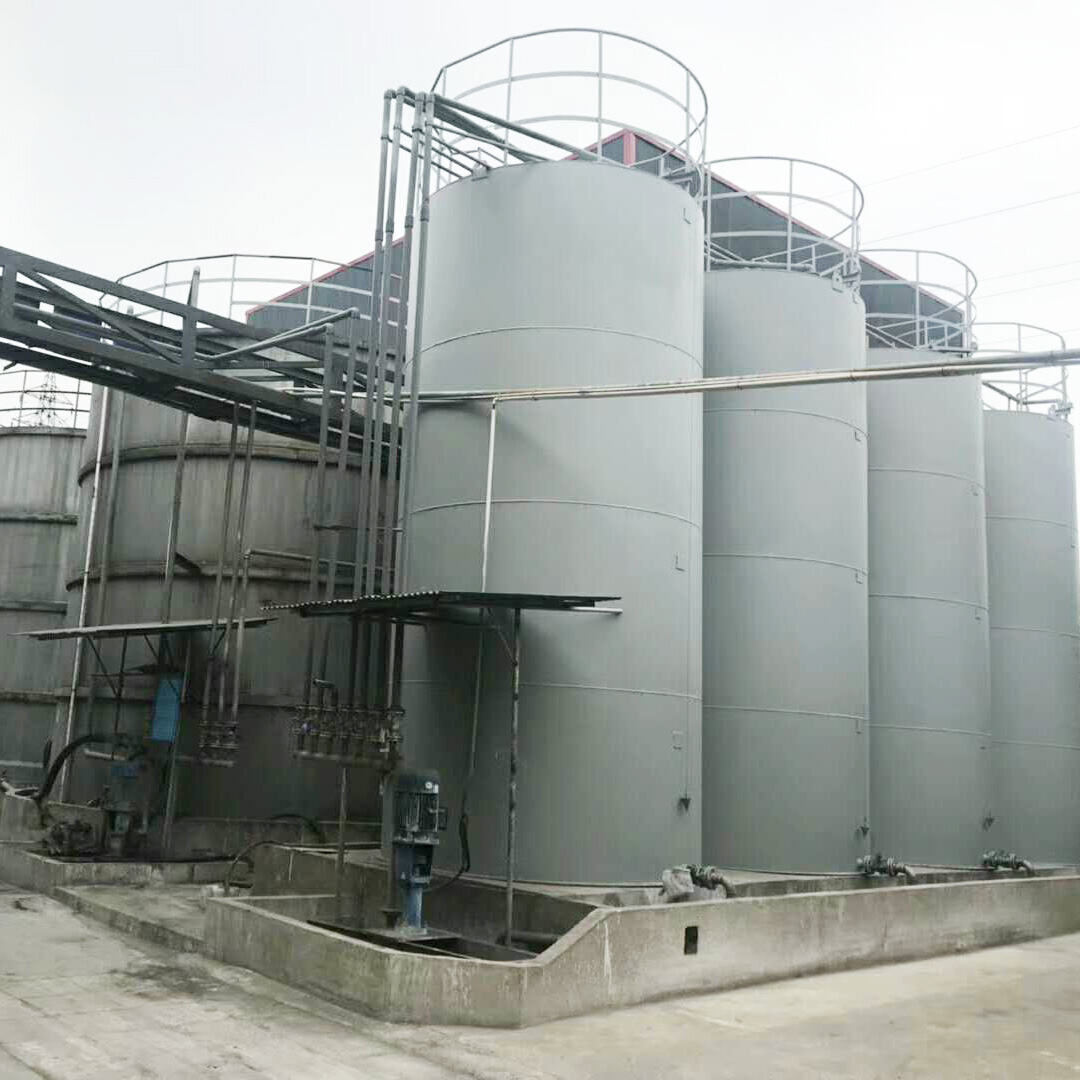
In recent years, the company has strategically expanded its business scope from domestic fertilizer supply to international markets. Its growing portfolio now includes CSL Powder 42%, Organic NPK Fertilizer, and a range of soil conditioners designed to improve soil structure, increase nutrient availability, and promote sustainable agricultural practices.
By integrating animal nutrition and crop nutrition solutions, Lenavax is committed to supporting modern agriculture with efficient, eco-friendly, and scientifically driven products worldwide.
For Rwandan procurement managers, consistency in the supply chain is essential. Fluctuations in chemical purity or shipping delays can lead to production downtime and unstable feed formulations. Chinese manufacturing infrastructure offers an optimal balance of cost-efficiency and chemical purity.
Leveraging advanced bacterial fermentation methods and automated crystallization technologies, Chinese facilities produce amino acids like L-Lysine and L-Tryptophan with high biological availability. Scaled production runs lower per-metric-ton manufacturing costs compared to regional alternatives. Strict quality control protocols ensure each batch complies with FAMI-QS and ISO standards, guaranteeing contaminants like heavy metals or undesirable bacteria are kept below limits.
Additionally, streamlined logistics connect major Chinese ports (such as Qingdao and Shanghai) to East African corridors (Dar es Salaam and Mombasa), offering a reliable distribution route directly to Kigali. This setup allows Rwandan feed companies to maintain lean inventories while minimizing stockout risks.
To demonstrate the practical application of these additives, consider a typical feed manufacturing facility operating in East Africa. Local feed recipes depend heavily on corn (maize) and local milling by-products like wheat bran or pollard. These ingredients are deficient in lysine, threonine, and tryptophan.

The next decade of poultry farming in East Africa will be shaped by sustainability, digitalization, and local circular economies. Key trends include:
Partner with Hangzhou Lenavax for high-quality amino acids, technical feed additives, and crop nutrition products. Get in touch with our specialists today for custom formulations and quotation requests.
Send Inquiry Now Lenavax Nutrition