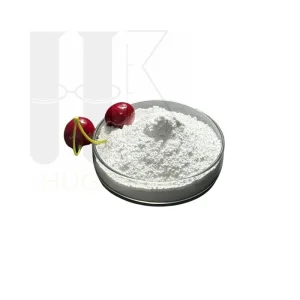
High-efficacy metabolic precursors, structural systems, and essential nutrient packs optimized to overcome high-temperature environmental stresses.
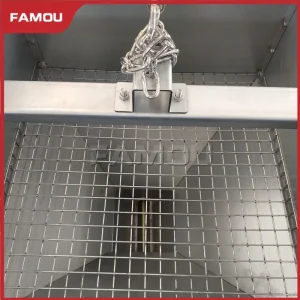
Decoding the agricultural transitions, structural supply chain deficits, and physiological stresses in Central Africa's livestock economy.
The Democratic Republic of Congo (DRC) represents one of the fastest-growing urban food markets in Sub-Saharan Africa. With populations expanding rapidly in metropolitan hubs like Kinshasa, Lubumbashi, and Goma, the demand for high-quality, animal-derived protein is surging. However, local poultry operations are constrained by high operational costs, a historical dependency on imported frozen meat, and severe bottlenecks in sourcing feed ingredients.
Currently, the poultry nutrition paradigm in DRC is split between small-scale peri-urban farms and large-scale, vertically integrated commercial operations. The critical challenge across all scales is feed formulation efficiency. With primary energy sources like maize and protein meals like soybean meal experiencing volatile pricing and import delays at the Matadi Port or eastern border crossings, feed mills require precision micro-ingredients to stretch raw materials without compromising feed conversion ratios (FCR).
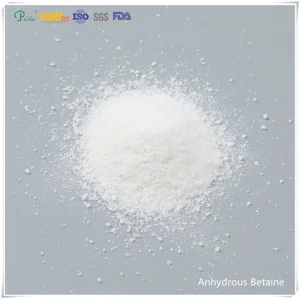
Moreover, DRC’s tropical climate—characterized by high ambient temperatures and intense relative humidity—induces physiological stress in broilers and layers. Heat stress severely hampers feed intake, causes intestinal barrier dysfunction, and raises mortality rates. Consequently, modern farms are pivoting toward targeted feed optimization additives like Betaine Anhydrous and key synthetic amino acids to maintain osmotic balance and ensure nutrient absorption under thermal duress.
On a global scale, poultry nutrition has moved beyond the rudimentary analysis of crude protein (CP) and metabolizable energy (ME). Modern formulation programs focus on Standardized Ileal Digestibility (SID) of amino acids. By balancing the "ideal protein profile" through supplemental pure L-threonine, L-tryptophan, and L-lysine, nutritionists can reduce total crude protein levels. This reduces nitrogen excretion, improves intestinal health, and lowers feed formulation costs by up to 15%.
Additionally, the integration of cellular-level optimization additives, such as organic osmoprotectants and trace element picolinates, has become standard practice in high-yield farming. These biochemical agents prevent systemic oxidative damage, maintain liver integrity, and optimize cellular energy pathways, which translates directly to higher breast meat yields and consistent eggshell quality.
Leveraging advanced biochemical barriers and microbial stabilizers to optimize aquatic environments and regional feed production security.

Two decades of bio-nutrition innovation, quality control, and streamlined shipping to global agricultural networks.
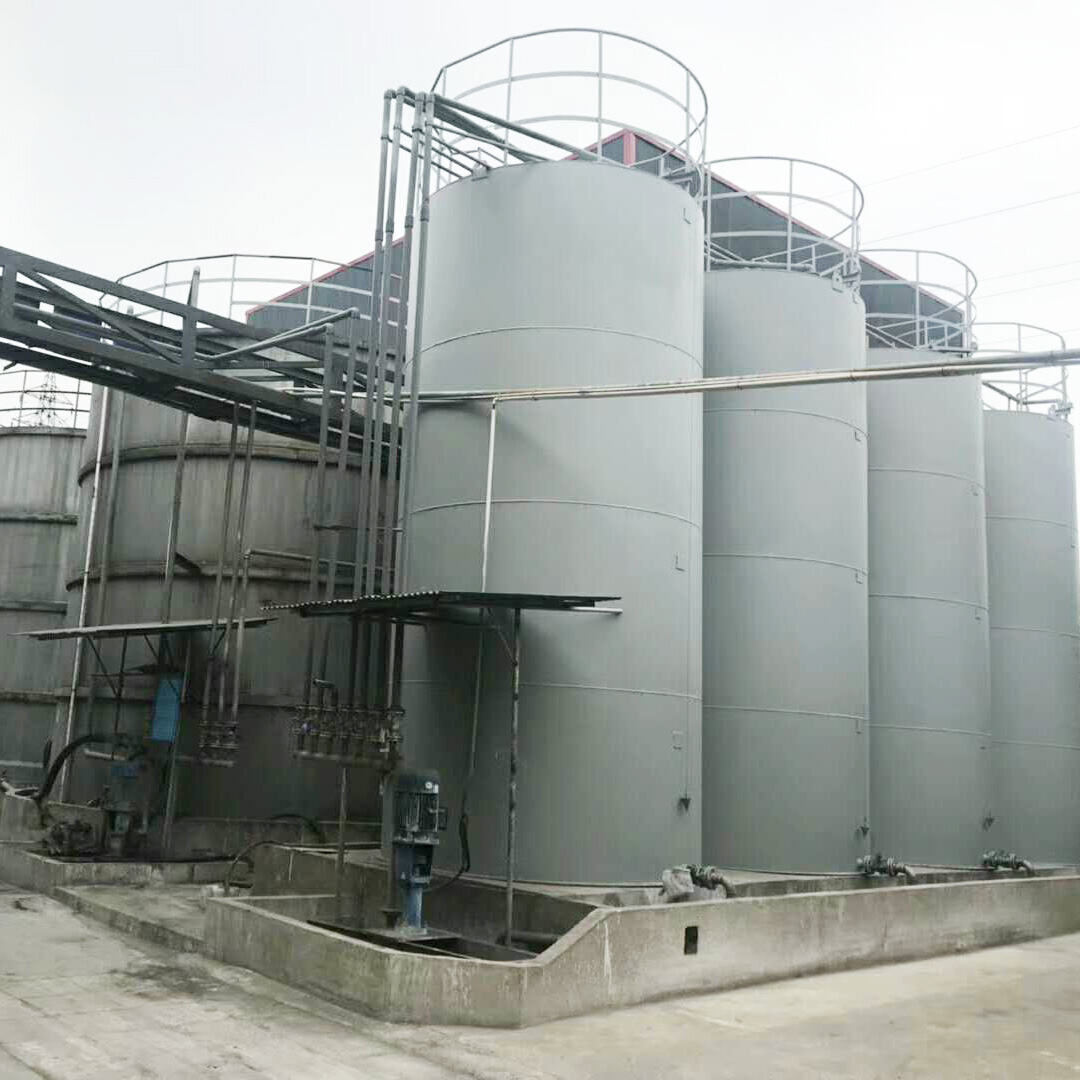
Founded over 20 years ago, Hangzhou Lenavax Nutrition Co., Ltd. has been dedicated to delivering innovative and reliable nutrition solutions for both animal and crop industries. With a strong foundation in research, production, and quality control, the company has built a solid reputation for scientific formulation, consistent product performance, and long-term customer trust.
Lenavax initially focused on the development and manufacturing of animal feed additives, including Corn Gluten Meal 60%, Mycoprotein 70%, and Rice Protein Powder 70%. These products are widely used to improve feed efficiency, enhance animal growth, and support overall health. Backed by advanced processing technology and strict quality management systems, Lenavax ensures stable supply and high nutritional value for global partners.
In recent years, the company has strategically expanded its business scope from domestic fertilizer supply to international markets. Its growing portfolio now includes CSL Powder 42%, Organic NPK Fertilizer, and a range of soil conditioners designed to improve soil structure, increase nutrient availability, and promote sustainable agricultural practices. By integrating animal nutrition and crop nutrition solutions, Lenavax is committed to supporting modern agriculture with efficient, eco-friendly, and scientifically driven products worldwide.
Transitioning to precision formulation in Central Africa requires solutions designed for specific local realities:
Industrial-grade macro-ingredients and feed milling equipment optimized for commercial poultry and livestock production hubs in DR Congo.

Managing local imports through the Office Congolais de Contrôle (OCC) and ensuring tropical-grade packaging stability.
Exporting feed additives and machinery to the Democratic Republic of Congo requires a solid understanding of local trade regulations and quality control standards. Hangzhou Lenavax Nutrition Co., Ltd. coordinates closely with global inspection bodies to secure the required certifications. This ensures that every container shipped to the ports of Matadi or Boma, or trucked through East African corridors to Lubumbashi and Goma, complies with local import regulations.
The Office Congolais de Contrôle (OCC) enforces strict quality and shelf-life requirements for animal feeds and bio-additives. Products must arrive with independent laboratory certificates of analysis (COA) confirming the levels of active ingredients and the absence of harmful pathogens or heavy metal residues. Our logistics team provides complete documentation—including phytosanitary certificates, certificate of origin, and SGS/Bureau Veritas pre-shipment inspection reports—to streamline customs clearance.
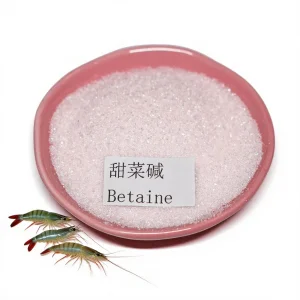
Additionally, the humid tropical conditions of the DRC require specialized packaging solutions. To prevent moisture absorption, clumping, and degradation of active nutrients during maritime transit and local warehousing, Lenavax uses heavy-duty, multi-layer UV-stabilized woven polypropylene bags lined with polyethylene barriers. This keeps our moisture-sensitive products, such as Choline Chloride and Betaine Anhydrous, dry and stable until they are added to the feed mill.
Future-proofing poultry production in Central Africa through data-driven feed formulations and sustainable ingredients.
The future of poultry farming in the DRC relies on adopting precision feeding practices to reduce production costs and improve environmental efficiency. As global grain markets remain volatile, local producers are looking to formulate feeds based on digestible amino acid values rather than simple crude protein metrics.
By integrating specific supplemental enzymes alongside high-grade amino acids like Tryptophan and Lysine, nutritionists can utilize a wider variety of alternative, locally grown ingredients—such as processed cassava leaf meal, local brewery byproducts, and copra meal. This reduces dependency on imported grains, lowers overall feed costs, and reduces the carbon footprint of local poultry operations.
Lenavax is also exploring next-generation phytogenic feed additives and botanical extracts, such as Allicin. These natural alternatives help support gut health and reduce the reliance on sub-therapeutic antibiotics. This shift is key to addressing antimicrobial resistance concerns while improving feed absorption, laying the foundation for a more sustainable, biosecure, and self-sufficient poultry sector across the DRC.
Answers to common technical, nutritional, and logistical questions regarding feed optimization in DR Congo.
Betaine Anhydrous acts as an organic osmolyte that helps bird cells maintain water balance during heat stress. This prevents dehydration, supports gut wall integrity, reduces energy spent on osmotic regulation, and helps maintain high feed intake and growth rates under elevated temperatures.
By supplementing feed formulations with pure amino acids like L-Tryptophan and Lysine, nutritionists can precisely meet the flock's metabolic requirements. This allows for a reduction in expensive bulk protein meals (like soybean meal), lowering overall feed costs per ton while minimizing excess nitrogen waste.
Average ocean transit time from ports in China to Matadi, DRC is approximately 35 to 45 days. We recommend placing orders 8 to 10 weeks in advance to account for local customs clearance and internal transport requirements.
Yes, our animal feed additives and processing machinery are manufactured under ISO 9001 and FAMI-QS standards. We provide complete analysis reports and pre-shipment inspections through agencies like SGS or Bureau Veritas to ensure compliance with OCC requirements.
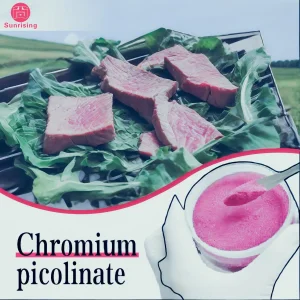
Chromium Picolinate enhances insulin activity, which improves cellular glucose uptake. In poultry, this optimization helps reduce blood cortisol levels caused by heat stress, leading to better feed utilization, improved breast meat yield, and more consistent egg production.
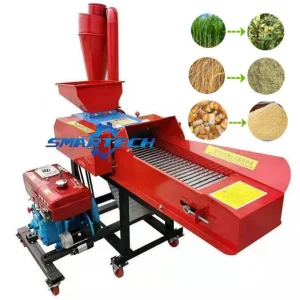
Yes, our heavy-duty forage grinding machines are designed with high-torque hammer mills and wear-resistant steel cutting blades. They are engineered to process high-fiber materials, including dry forage grass, cassava pulp, and agricultural byproducts, converting them into uniform, digestible feed components.
Choline Chloride is highly hygroscopic. It must be stored in its original, sealed multi-layer bags on elevated pallets in dry, well-ventilated warehouses. Once a bag is opened, it should be tightly resealed or mixed immediately into premixes to prevent moisture absorption.
We offer direct technical consultations with our nutritionists to analyze your local raw ingredients. We help design customized mineral premixes and optimal amino acid additions tailored to your specific flock requirements and production goals.
Partner with a manufacturer that has over 20 years of experience in animal nutrition. Get tailored advice, technical support, and competitive factory pricing for your poultry business.
 Lenavax Nutrition