Livestock Feed Nutrition Systems Supplier & Exporters for Verona

Precision Engineering, Advanced Phytogenics, and Automated Smart Farm Infrastructure Aligned with Italian Agricultural Quality Standards

Consult Our Specialists

Primary Feed Production & Automation Lines

Integrating high-performance Chinese production technology with local Italian strict regulations, ensuring nutrition integrity from grain to feeder.
Verona Livestock Feed Nutrition Architecture

A Strategic Whitepaper on Smart Automation, Nutrition Optimization, and EU Regulatory Integration

Verona's Livestock Ecosystem & Global Demands

The Veneto region, and Verona specifically, stands as one of Italy's premier hubs for high-value agricultural exports. With intensive dairy, swine, and poultry clusters powering iconic local products such as Prosciutto and Grana Padano, nutrition accuracy has ceased to be a simple operational baseline. Today, it is a critical regulatory and financial pivot.

For Verona-based agricultural enterprises and cooperatives, the twin challenges of rising raw ingredient costs and stringent EU environmental dictates (such as the Nitrate Directive limiting nitrogen excretion) require a quantum leap in Feed Conversion Ratios (FCR). Precision nutrition delivery systems are no longer optional—they are the key to economic survival and license compliance.
Hangzhou Lenavax Nutrition Co., Ltd., founded over 20 years ago, has been dedicated to delivering innovative and reliable nutrition solutions for both animal and crop industries. With a strong foundation in research, production, and quality control, the company has built a solid reputation for scientific formulation, consistent product performance, and long-term customer trust.
Lenavax Laboratory Research and Quality Control Testing
20+
Years of R&D
ISO 45001
Safety Standard
EFSA
Compliant Formulations
0.1g
Dosing Precision
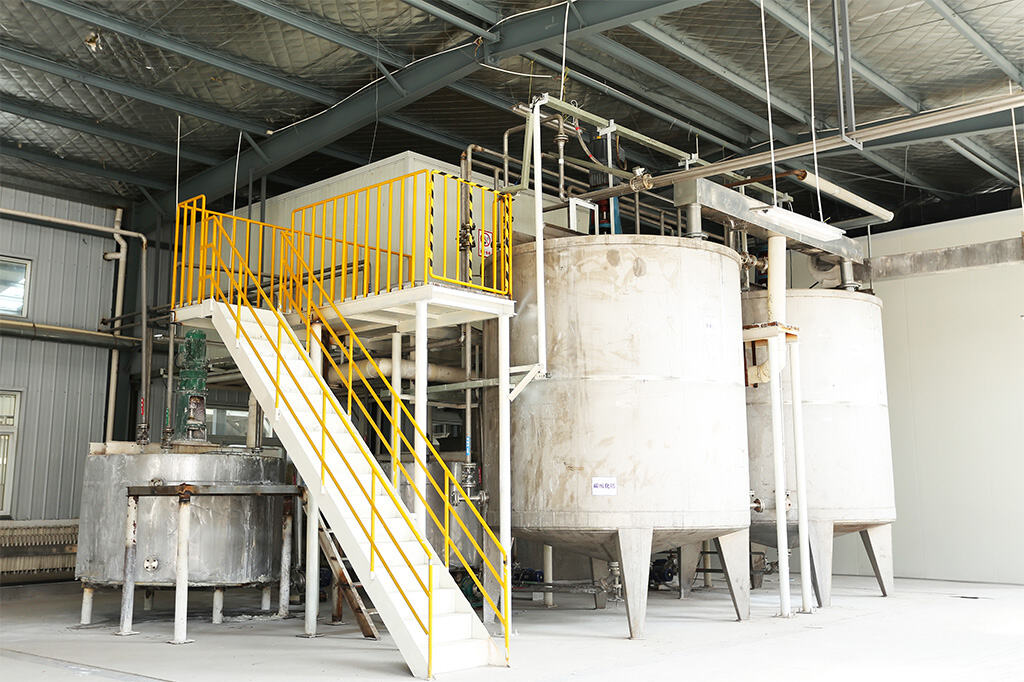
Lenavax State-of-the-Art Factory Feed Additive Production Line

Overcoming the Feed Conversion Challenge

Standard feed delivery layouts often suffer from particulate segregation, where lighter micronutrients and essential phytogenics separate from larger grain elements during transport. This leads to unbalanced dietary intakes across the herd, depressing natural immunities and causing uneven weight gain.

By pairing advanced automated feed line kinematics with highly optimized feed additives, Lenavax addresses both sides of the coin: structural precision and biochemical efficiency.

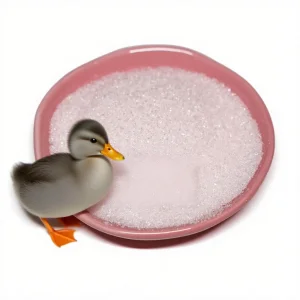
Lenavax initially focused on the development and manufacturing of animal feed additives, including Corn Gluten Meal 60%, Mycoprotein 70%, and Rice Protein Powder 70%. These products are widely used to improve feed efficiency, enhance animal growth, and support overall health. Backed by advanced processing technology and strict quality management systems, Lenavax ensures stable supply and high nutritional value for global partners.

Technological Integration & Local Adaptation

Connecting raw material characteristics with structural delivery hardware to drive sustainable livestock growth in northern Italy.

1. Grain Processing & Homogenization

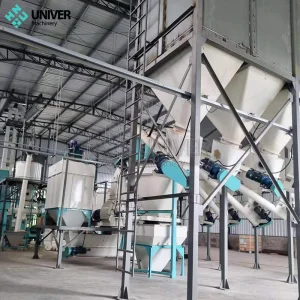
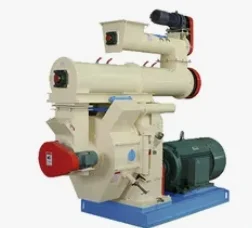
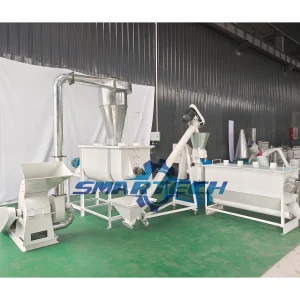
Integrating heavy-duty mill grinding networks with computerized moisture control systems. This stage ensures that plant-based protein powders (such as Rice Protein and Corn Gluten Meal) are consistently blended with primary energy grains, minimizing nutritional drift during pneumatic transport.

2. Dynamic Biosecurity & Feed Safeguarding

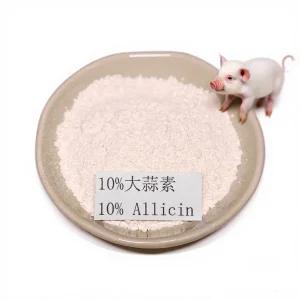
Implementing natural antiviral and gut-acidifying additives to replace traditional antibiotics. Our systems are engineered to administer specific dosages of botanical extracts, including Allicin and Betaine, directly into the feeding cycle to bolster the animals' endogenous defenses against common porcine and avian pathogens.

3. Smart Dosing & Micro-Cup Piglet Feeding

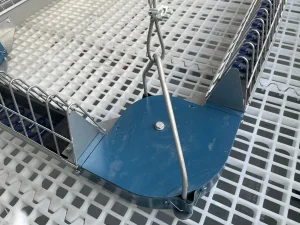
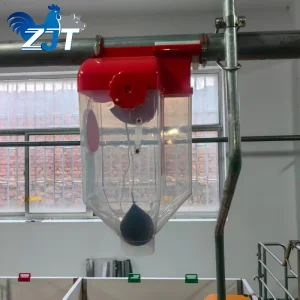
Moving from traditional slide-gate troughs to sensor-activated quantitative cups. By providing real-time feed intake tracking, local farm owners can adjust feeding profiles remotely to avoid over-portioning and reduce waste by up to 14%.

Comparative System Benchmarks (Standard vs. Lenavax Integrated)

Performance Indicators Conventional Manual Systems Lenavax Automated Systems Verona Farm Economic Impact
Feed Conversion Ratio (FCR) 1.85 - 2.05 (Broilers) 1.52 - 1.65 (Broilers) Up to 15% reduction in total feed expenditure
Micro-Ingredient Separation High separation over 50+ meter lines Zero segregation with auger-pan mechanics Homogeneous nutrient distribution per stall
Nitrogen Discharge Rate High (due to poor protein absorption) Reduced by 18% via bio-protein formulation Complete alignment with regional Po Valley regulations
Labor Allocation Requirements Frequent manual calibration Fully automated PLC quantitative cycle Lower farm operational overheads

Circular Agriculture: From Crop to Livestock & Back

Integrating sustainable agronomy with livestock production to establish zero-waste systems for modern Italian agribusinesses.

Systemic Nutrient Recycling

Modern intensive farming cannot operate linearly. The nutrients delivered via feed systems ultimately return to the soil as manure. For agricultural operators in Verona, managing this nitrogen and organic matter return is crucial to passing soil quality audits while keeping local crop yields high.

By blending bio-nutrition for livestock with specialty soil conditioners, Lenavax creates a closed-loop system that supports both high animal productivity and rich, productive soil structures.

In recent years, the company has strategically expanded its business scope from domestic fertilizer supply to international markets. Its growing portfolio now includes CSL Powder 42%, Organic NPK Fertilizer, and a range of soil conditioners designed to improve soil structure, increase nutrient availability, and promote sustainable agricultural practices.
By integrating animal nutrition and crop nutrition solutions, Lenavax is committed to supporting modern agriculture with efficient, eco-friendly, and scientifically driven products worldwide.

Why Verona Operators Choose Lenavax:

  • Traceable Raw Materials: 100% monitored amino proteins to maintain strict compliance with EU importing regulations.
  • Robust Structural Frameworks: Fully hot-dip galvanized steel panels that withstand the high humidity and organic gasses of modern farm buildings.
  • Flexible Customization: Engineering plans tailored specifically for both traditional regional poultry barns and modern intensive pig breeding systems.

Expert Q&A: Deep Nutrition Systems Insights

Technical information on integration, raw materials, and EU farm compliance.

How do automated feeding systems maintain nutritional uniformity across long supply lines?
To prevent particle separation over long distribution runs, our systems use high-tolerance augers and speed-calibrated flighting inside enclosed tubes. This setup keeps the grain base, protein powders (such as Corn Gluten Meal 60%), and micro-additives well-mixed during transport, ensuring every animal receives a balanced ration.
Can botanical additives like Allicin replace antibiotic growth promoters (AGPs) in pig herds?
Yes. European regulations ban traditional antibiotic growth promoters, making natural alternatives essential. Allicin provides strong antimicrobial and anti-inflammatory support, helping stabilize piglet gut microflora, reduce pathogen loads, and improve overall immune health without the risk of antibiotic resistance.
What role does Feed Grade Betaine play in heat stress management?
During hot summer months in Verona, livestock experience significant osmotic stress. Betaine acts as a natural osmolyte, regulating cellular water balance and reducing the energy spent on ion transport. This helps maintain feed intake and stable growth rates during periods of high temperatures.
How do quantitative cup systems improve feed conversion efficiency in swinery designs?
Quantitative cup feeders allow operators to dispense exact, pre-calibrated portions of feed based on the growth stage of the herd. This prevents overfeeding, minimizes feed waste on the pen floor, and gives farm managers precise control over daily intake metrics.
Are these systems compliant with ISO and EU welfare standards?
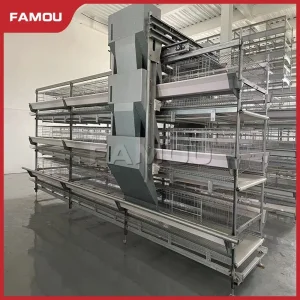
Our structural hardware, including H-type poultry systems and automated chain feeders, is built under ISO 45001 safety guidelines and designed to meet EU animal welfare requirements. This ensures smooth operations and compliance for producers in Verona and the wider Veneto region.

Optimize Your Feed Infrastructure Today

Consult with our engineering and nutrition specialists to design a customized system that fits your farm's layout, improves FCR, and meets all local Italian agricultural standards.

Send Inquiry Now