Engineered to deliver structural stability, optimal pelletizing indexes, and accurate mechanical distribution across Montenegro's progressive agricultural zones.
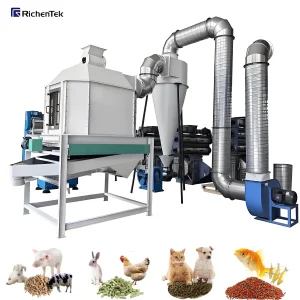
A heavy-duty turnkey plant integrating advanced grinding, accurate batch dosing, uniform mixing, and precise pellet formation. Designed to process robust local grain crops into premium Balkan-grade livestock feed.
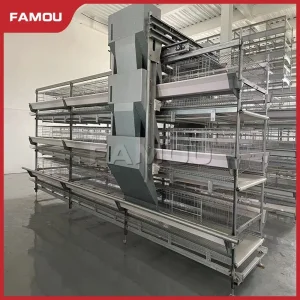
Engineered for intensive laying and broiler operations. This high-tensile automated system delivers uniform feed layers across variable tiers, minimizing stress and waste in modern poultry houses.
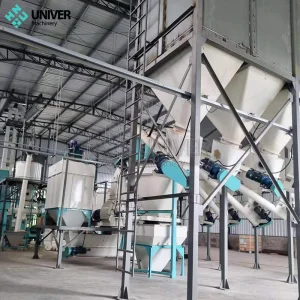
Features PLC smart control arrays and precision weighing sensors. Maximizes daily throughput while reducing operational overhead, customized to handle various Balkan raw ingredients.
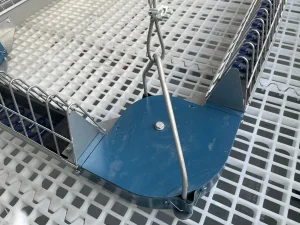
Specially calibrated for breeder management, providing synchronous feed delivery to prevent feeding competition and ensure uniform flock body mass indices.
The agricultural landscape of Montenegro is experiencing a profound transition. Moving beyond small-scale, traditional family farming, local producers in regions such as Nikšić, Bijelo Polje, Danilovgrad, and the Zeta Valley are embracing intensive livestock farming. In alignment with the European Union accession process (Chapter 11: Agriculture and Rural Development; Chapter 12: Food Safety, Veterinary and Phytosanitary Policy), agricultural companies in Montenegro face the pressing challenge of modernizing their operations to meet EU standards.
Specifically, Montenegro's livestock sector, which is predominantly comprised of dairy cows, sheep, goats, and specialized poultry, requires high-efficiency machinery to maximize feed conversion ratios (FCR). Due to the country's mountainous geography, pasture seasons can be highly seasonal and uneven. This geographical factor accentuates the need for reliable, on-site, or localized feed processing systems that can pelletize dry grains, hay, and nutritional supplements. Such systems are critical for maintaining livestock health and milk yields during the cold winter months.
"To stay competitive in the Balkan regional market, local producers must transition from manual feeding to automated, precision-dosed nutrition systems that safeguard biosecurity and reduce human error."
By integrating automated batching, dust-free hammer mills, and high-efficiency pellet mills, Montenegrin processors can formulate customized feed arrays. This capability significantly reduces reliance on costly imported finished feed from neighboring countries.
Combining structural hardware with biochemical nutrition solutions to ensure total bio-defense and accelerated gut health under extreme seasonal climates.
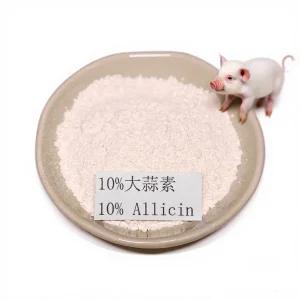
A natural, bio-active organic compound that effectively replaces chemical growth promoters. It stimulates olfactory systems, enhances nutrient absorption, and builds immunological resilience in weaning piglets.
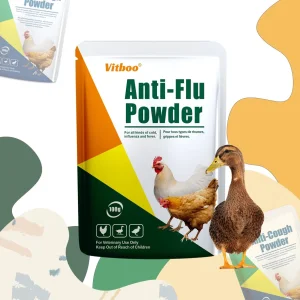
An export-grade immunomodulator powder engineered to fortify respiratory tract defenses, particularly during seasonal temperature fluctuations typical in Montenegro's karst topography.
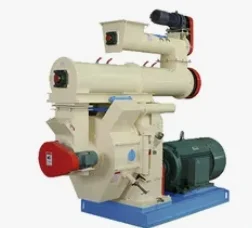
A comprehensive, small-to-medium footprint plant designed to optimize spatial allocation. Offers livestock cooperatives an all-in-one crushing, mixing, and pelletizing process.
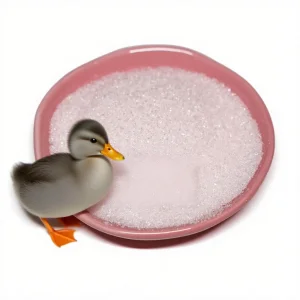
A highly purified methyl donor that acts as an osmotic pressure regulator. Mitigates heat stress during hot Adriatic summers and optimizes carcass lean meat percentage.
Bridging high-performance engineering with competitive cost frameworks to support agricultural modernization.
Montenegro's proximity to the sea creates humid conditions along the coast and inland valleys. Our feed silos, H-type broiler cages, and sorting panels are subjected to deep hot-dipped galvanization processes (exceeding 275g/m² zinc density). This treatment ensures rust resistance and guarantees structural longevity over decades of use.
For operations looking to scale up gradually from manual farms to fully automated complexes, Chinese factories design customizable, modular processing lines. This modularity allows farms to integrate automated augers, quantitative pig cups, and computerized batch systems seamlessly, without the need to replace existing layouts.
Our feed additives focus on natural health enhancements. High-yield formulations utilize natural plant extracts, such as Allicin, and advanced osmotic agents like Betaine. These additives are designed to minimize antibiotic dependency, which directly aligns with Europe’s stringent organic meat and dairy standards.
Engineered to deliver high physical durability and accurate nutrient allocation across diverse agricultural sub-sectors.
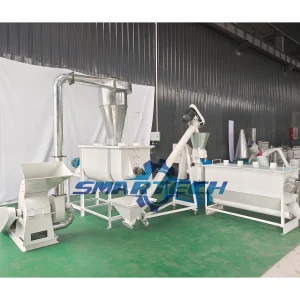
Advanced premixes and base concentrates developed to balance energy, protein, and trace elements, tailored for maximum dairy and beef yield potential.
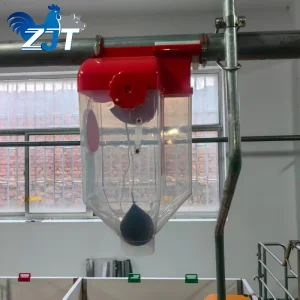
An adjustable volumetric cup dispenser that delivers uniform portions. Eliminates feed waste and simplifies herd management on commercial pig breeding farms.
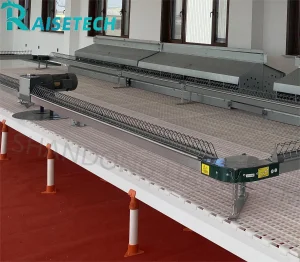
An industrial-grade, continuous chain feeding system engineered under global ISO standards. It reduces feed separation during transport, ensuring uniform distribution of nutrients.
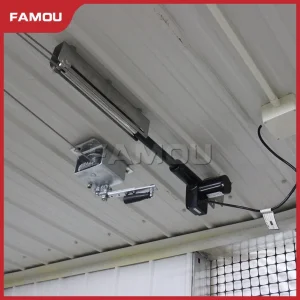
Equipped with reliable feed level sensors, adjustable pan openings, and anti-roost lines, this system provides highly accessible feed delivery with minimal manual intervention.
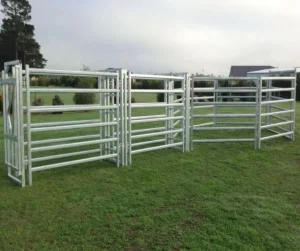
Constructed from robust oval tubes to provide cattle and sheep yards with impact-resistant boundaries. Essential for vaccination, sorting, and holding operations.
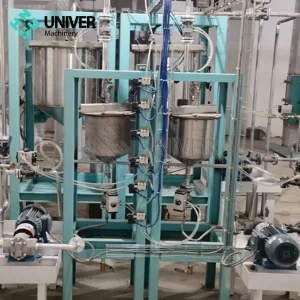
A mid-to-large scale processing powerhouse, utilizing a flat-die configuration to produce high-density livestock pellets from challenging raw fibers.
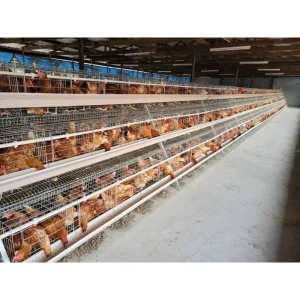
A vertical farming system optimized for modern poultry units. Features integrated egg collection, automated manure removal, and targeted auger feed delivery.
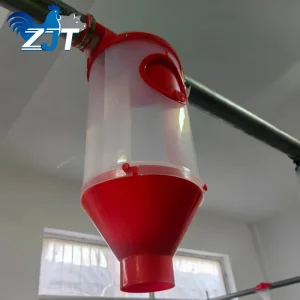
Ensures high operational accuracy for commercial sow and fattening lines. The quantitative cup system simplifies individual feeding regimes, improving performance across groups.
A trusted global partner delivering integrated crop and animal nutrition solutions built on decades of empirical research.
Hangzhou Lenavax Nutrition Co., Ltd., founded over 20 years ago, has been dedicated to delivering innovative and reliable nutrition solutions for both animal and crop industries. With a strong foundation in research, production, and quality control, the company has built a solid reputation for scientific formulation, consistent product performance, and long-term customer trust.
Our focus on precision manufacturing and rigorous quality control is designed to support the modernization of livestock farming. We supply integrated feed mill units, chemical-free nutritional additives, and automatic housing equipment to markets around the globe, ensuring our partners achieve consistent, high-value outcomes.
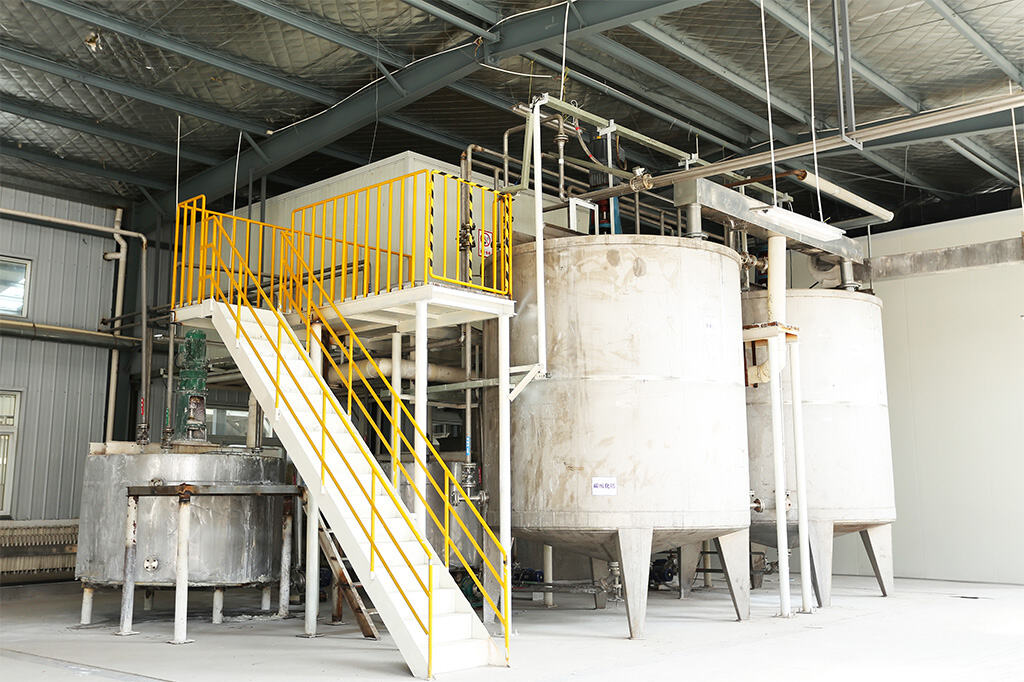
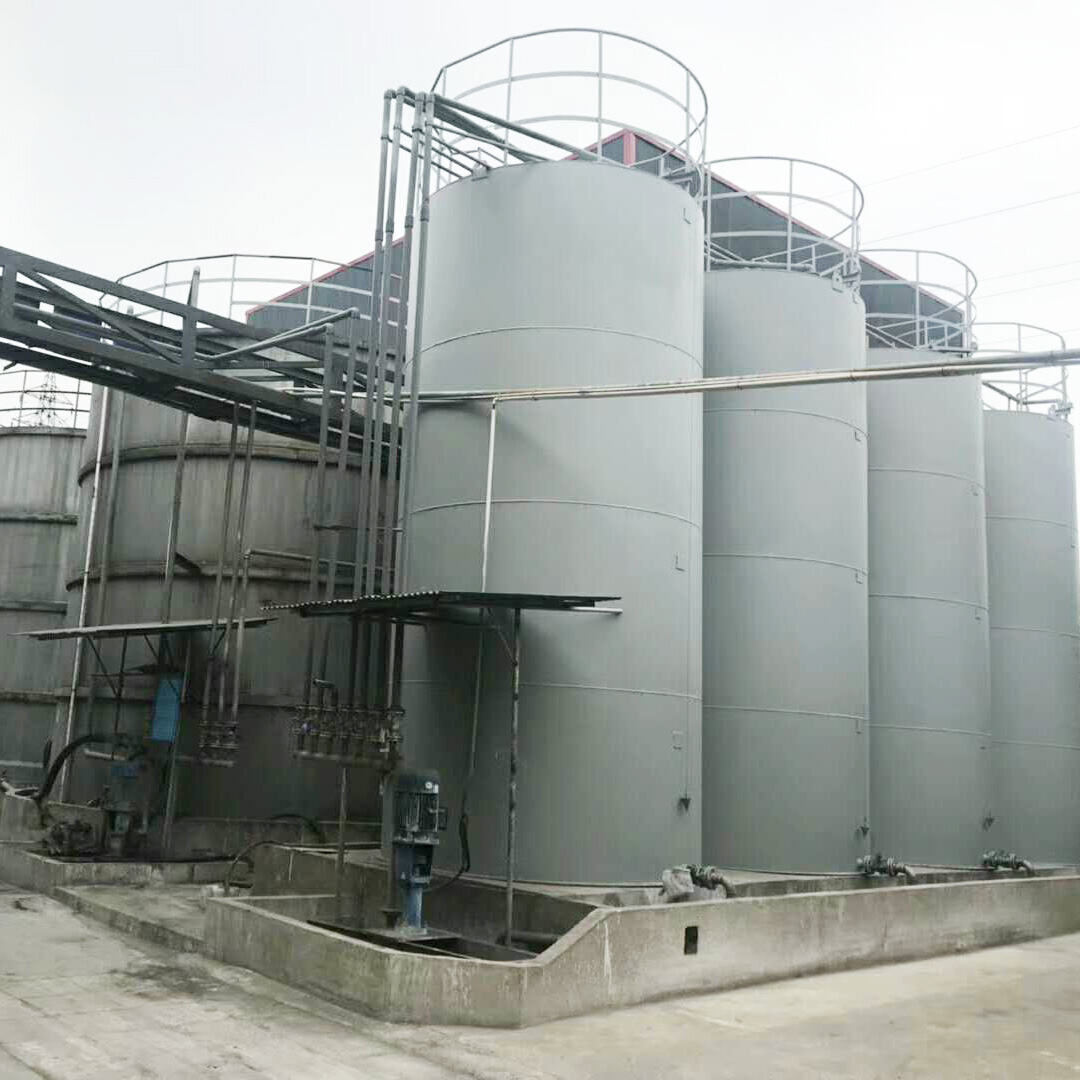
Lenavax initially focused on the development and manufacturing of animal feed additives, including Corn Gluten Meal 60%, Mycoprotein 70%, and Rice Protein Powder 70%. These products are widely used to improve feed efficiency, enhance animal growth, and support overall health. Backed by advanced processing technology and strict quality management systems, Lenavax ensures stable supply and high nutritional value for global partners.
In recent years, the company has strategically expanded its business scope from domestic fertilizer supply to international markets. Its growing portfolio now includes CSL Powder 42%, Organic NPK Fertilizer, and a range of soil conditioners designed to improve soil structure, increase nutrient availability, and promote sustainable agricultural practices. By integrating animal nutrition and crop nutrition solutions, Lenavax is committed to supporting modern agriculture with efficient, eco-friendly, and scientifically driven products worldwide.
Get professional answers from our engineering division regarding machinery selection, configuration, and nutritional optimization.
Flat die systems are simpler, more compact, and are highly suited for small-to-medium operations processing diverse, fibrous materials. They offer straightforward maintenance and cost-effective tooling. Ring die systems, conversely, are engineered for high-throughput, continuous industrial output. They use a rotating die with rollers to force feed through radial holes, which provides superior compaction and precise pellet uniformity.
Automated cup systems feature graduated volumetric controls, allowing operators to set precise feed quantities. This setup prevents overfeeding, minimizes floor waste, and reduces dust accumulation. By ensuring animals receive consistent, controlled portions, it also makes tracking feed intake and converting feed to body mass more accurate.
Yes, our H-Type systems use components that undergo hot-dipped galvanization according to international structural standards. This process provides a thick, corrosion-resistant barrier that protects structural parts, feeders, and weld points from coastal air and moisture.
Allicin and Betaine are natural feed components that align with EU regulations targeting a reduction in prophylactic antibiotic use. Allicin provides natural antibacterial and immune support, while Betaine assists in cellular osmotic regulation. Both help maintain herd performance without leaving synthetic residues in meat or milk.
We provide full engineering documentation, detailed CAD wiring maps, and comprehensive video installation guides. For large-scale projects, we can arrange for factory-trained technicians to assist on-site in Montenegro, guiding your team through installation, component calibration, and initial trial runs.
 Lenavax Nutrition