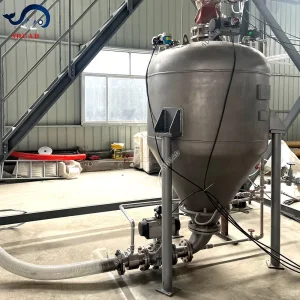
Deploying state-of-the-art material conveying and separation platforms to eliminate ingredient wastage and elevate overall feed processing parameters.
Analyzing local macro-economic dynamics and operational imperatives.
São Paulo is Brazil's primary economic engine and a critical nexus for agricultural innovation. As livestock feed demands escalate in both volume and nutrition specifications, local mills face severe pressure to optimize Feed Conversion Ratios (FCR). Improving feed efficiency is no longer simply about formulation—it requires a complete technological synthesis spanning raw protein handling, dust-free pneumatic conveying, and ultra-pure industrial water systems.
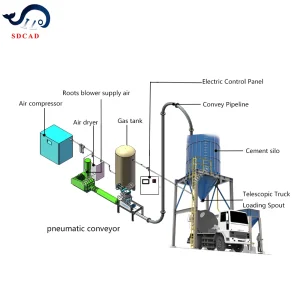
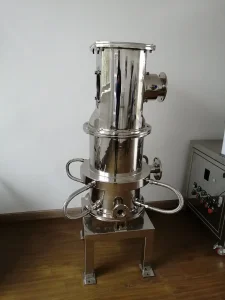
By replacing traditional mechanical conveying with vacuum pneumatic systems, processors eliminate ingredient separation and cross-contamination. Furthermore, utilizing high-tier protein supplements like Corn Gluten Meal 60% and Mycoprotein 70% demands advanced, non-destructive dosing systems to maintain nutrient integrity before the pelleting stage.
How Modern Feed Manufacturers Integrate Feed Efficiency Improvement Systems to Offset Raw Ingredient Inflation.
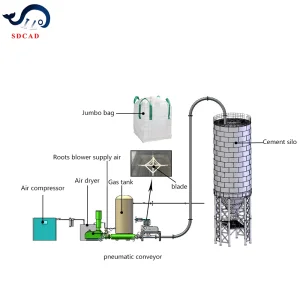
Traditional elevator systems expose raw proteins to ambient humidity, leading to micro-toxin development. Closed-loop positive pressure and vacuum conveying preserve dry raw materials (rice protein powder, CSL powder) from external contaminants while protecting operators from inhaling particulate matter.
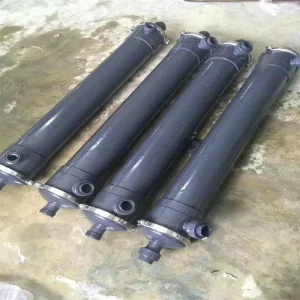
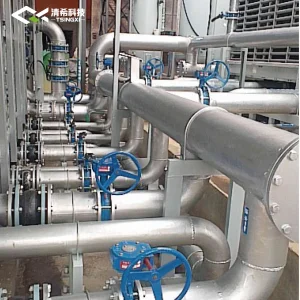
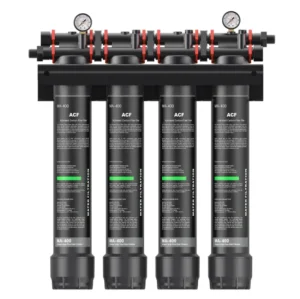
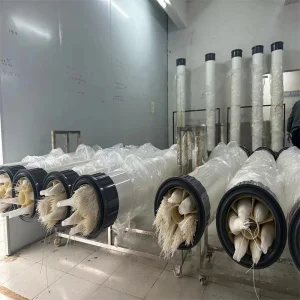
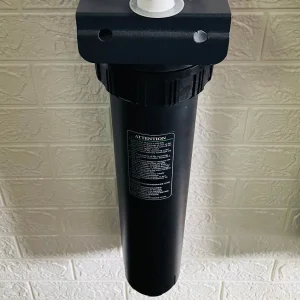
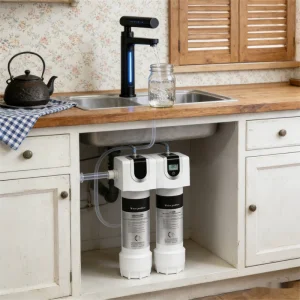
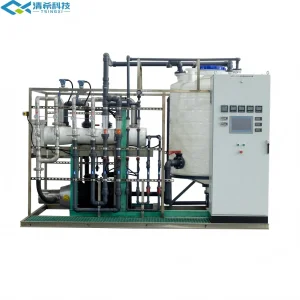
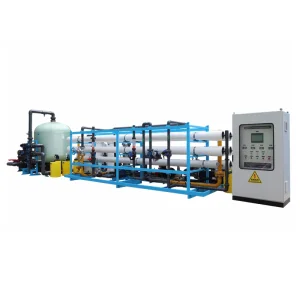
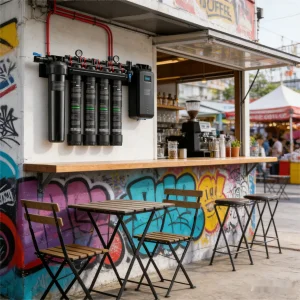
Agricultural water contains dissolved minerals and industrial runoffs that disrupt metabolic activity in swine and poultry. Utilising advanced RO (Reverse Osmosis) desalination and ultrafiltration plants guarantees that feed mixing water is free of heavy metals and high-salinity compounds.
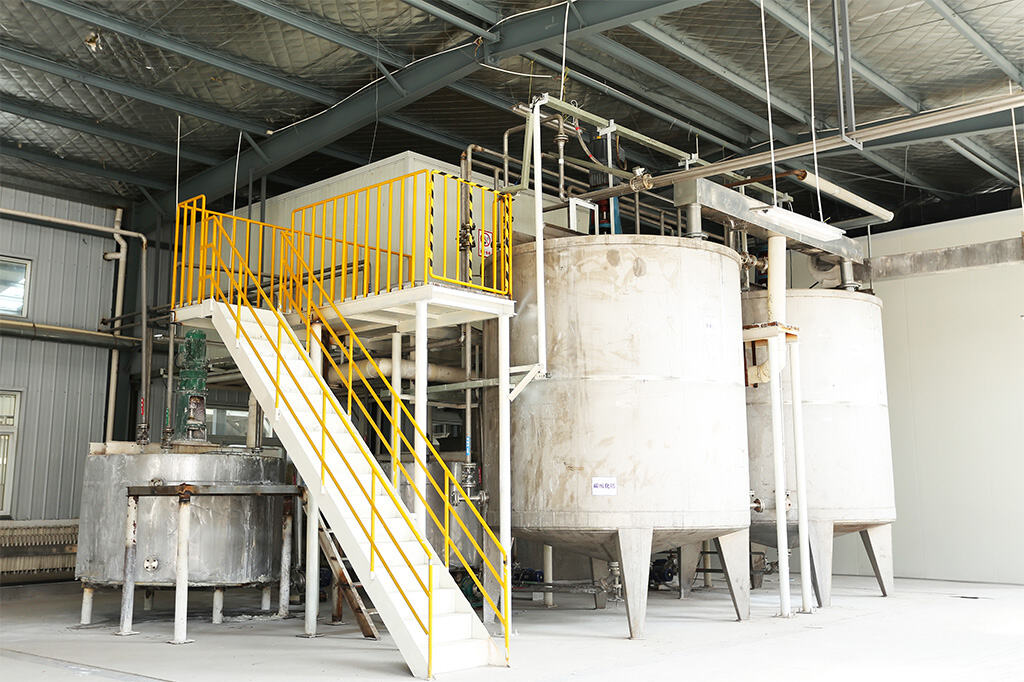
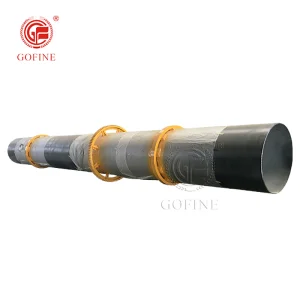
Modern feed yards process industrial organic waste and bio-slags into high-grade organic NPK fertilizers and feed-grade yeasts. Rotary sludge dryers enable closed-loop nutrient retention, transforming raw waste into highly bio-available protein inputs.
Bridging global animal nutrition and advanced processing technologies for over two decades.
Hangzhou Lenavax Nutrition Co., Ltd., founded over 20 years ago, has been dedicated to delivering innovative and reliable nutrition solutions for both animal and crop industries. With a strong foundation in research, production, and quality control, the company has built a solid reputation for scientific formulation, consistent product performance, and long-term customer trust.
Lenavax initially focused on the development and manufacturing of animal feed additives, including Corn Gluten Meal 60%, Mycoprotein 70%, and Rice Protein Powder 70%. These products are widely used to improve feed efficiency, enhance animal growth, and support overall health. Backed by advanced processing technology and strict quality management systems, Lenavax ensures stable supply and high nutritional value for global partners.
In recent years, the company has strategically expanded its business scope from domestic fertilizer supply to international markets. Its growing portfolio now includes CSL Powder 42%, Organic NPK Fertilizer, and a range of soil conditioners designed to improve soil structure, increase nutrient availability, and promote sustainable agricultural practices.
By integrating animal nutrition and crop nutrition solutions, Lenavax is committed to supporting modern agriculture with efficient, eco-friendly, and scientifically driven products worldwide.
Adapting feed optimization systems to the rigorous environmental and performance frameworks of South America.
As the Brazilian agricultural sector faces more stringent ESG (Environmental, Social, and Governance) targets, the integration of feed production systems with renewable energy and zero-waste water recycling becomes paramount. The state of São Paulo, possessing advanced academic institutions and technological parks in Piracicaba and Campinas, is poised to lead this agricultural paradigm shift.
Our roadmap indicates a transition toward smart pneumatic conveying systems equipped with automated, AI-driven sorting sensors. These sensors detect and segregate out-of-spec particle sizes in real-time, preventing digestive issues in livestock. Concurrently, high-efficiency water processing plants are reducing their chemical footprints by switching to eco-friendly scale-prevention units, drastically extending RO membrane lifespans and reducing operational overhead.
All dry conveying, liquid filling, and water treatment units designed for Brazil comply with NR-10 (Electrical Safety), NR-12 (Machinery Safety Regulations), and MAPA standardizations. This prevents operational delays during installation in state-wide agricultural facilities.
Resolving major issues concerning B2B procurement, equipment installation, and feed performance.
Browse our catalog of custom water purification, pneumatic transport, and bio-waste processing technologies.
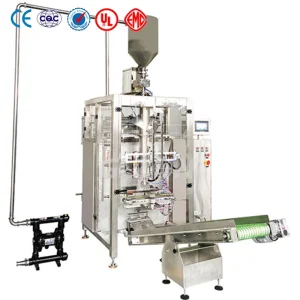
Speak with our process engineers today to receive a complete evaluation, project blueprint, and localized support quotes for the São Paulo market.
Send Inquiry Now Lenavax Nutrition