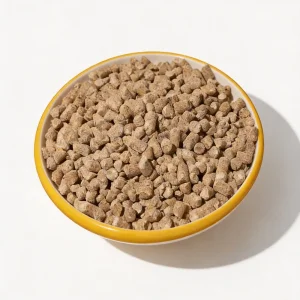
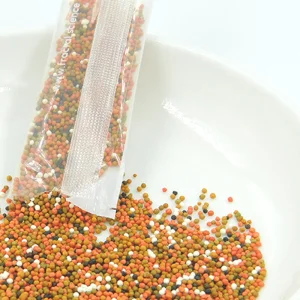
Explore our premium range of CE compliant biotech formulations, automated livestock hardware, and specialized nutrient boosters engineered for industrial livestock operations.


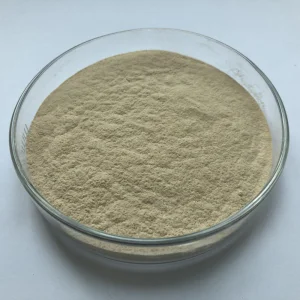
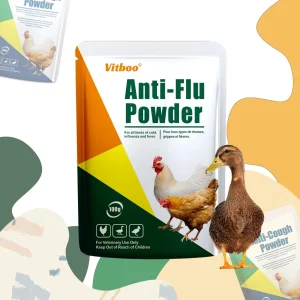
Hangzhou Lenavax Nutrition Co., Ltd., founded over 20 years ago, has been dedicated to delivering innovative and reliable nutrition solutions for both animal and crop industries. With a strong foundation in research, production, and quality control, the company has built a solid reputation for scientific formulation, consistent product performance, and long-term customer trust.
Lenavax initially focused on the development and manufacturing of animal feed additives, including Corn Gluten Meal 60%, Mycoprotein 70%, and Rice Protein Powder 70%. These products are widely used to improve feed efficiency, enhance animal growth, and support overall health. Backed by advanced processing technology and strict quality management systems, Lenavax ensures stable supply and high nutritional value for global partners.
In recent years, the company has strategically expanded its business scope from domestic fertilizer supply to international markets. Its growing portfolio now includes CSL Powder 42%, Organic NPK Fertilizer, and a range of soil conditioners designed to improve soil structure, increase nutrient availability, and promote sustainable agricultural practices. By integrating animal nutrition and crop nutrition solutions, Lenavax is committed to supporting modern agriculture with efficient, eco-friendly, and scientifically driven products worldwide.
The worldwide animal production landscape is experiencing a paradigm shift. Driven by stringent global regulatory mandates prohibiting Antibiotic Growth Promoters (AGPs), heightened consumer preference for antibiotic-free meat, and escalating pressure to optimize Feed Conversion Ratios (FCR), enterprise procurement managers are re-engineering livestock nutritional architecture. Probiotic feed additives have transitioned from optional functional inputs to indispensable core bio-actives in commercial feed formulation.
Modern mega-scale farming operations—spanning intensive poultry integrators, industrial swine producers, and high-density aquaculture systems—demand specialized microflora solutions capable of surviving aggressive feed processing conditions while reliably colonizing animal gastrointestinal (GI) tracts. This shift has placed high-capacity CE-certified probiotic factories and exporters at the center of the global agricultural supply chain.
Global legislative bans on preventive in-feed antibiotics require micro-ecological interventions. Probiotics competitively exclude pathogenic enteric taxa like Clostridium perfringens, Salmonella enterica, and enterotoxigenic E. coli without triggering antimicrobial resistance (AMR).
Raw material inflation makes feed efficiency paramount. Functional microbial strains secrete endogenous digestive enzymes (amylases, proteases, cellulases) that breakdown anti-nutritional factors in high-protein meals, driving down FCR by up to 3.5–5.2%.
Direct-fed microbials (DFMs) interact with gut-associated lymphoid tissue (GALT), elevating mucosal IgA secretion, thickening protective mucin layers, and reducing systemic inflammatory responses during environmental or density stress.
To deliver real Information Gain, commercial feed formulators must evaluate probiotics through a strict biochemical and strain-specific lens. Monogastric and ruminant digestive tracts present distinct physiological hurdles—including acidic gastric barriers, bile salt detergent actions, and anaerobic intestinal lumen dynamics. Premium CE-certified exporters deploy tailored multi-strain consortia designed for targeted physiological action.
1. Organic Acid Accumulation & pH Modulation: Lactic acid bacteria (Lactobacillus plantarum, Enterococcus faecium) produce high titers of L-lactic acid and volatile fatty acids (VFAs). This lowers intestinal pH below the survival threshold of pathogenic Gram-negative bacteria.
2. Spores & Endogenous Enzyme Production: Spore-forming Bacillus subtilis and Bacillus licheniformis synthesize functional extracellular enzymes within the duodenum. These active enzymes facilitate complex carbohydrate solubilization, enabling improved utilization of non-starch polysaccharides (NSPs).
3. Butyrate Synthesis & Epithelial Cell Integrity: Clostridium butyricum synthesizes butyric acid, the primary energy substrate for colonocytes and cecal epithelial cells. This restores tight junction proteins (Claudins, Occludins), preventing "leaky gut" syndrome during high-heat or dietary transition stress.
| Microbial Genus / Strain | Thermal & Pelleting Stability | Primary Mode of Action | Target Animal Species | Key Biochemical Output |
|---|---|---|---|---|
| Bacillus subtilis (Endospore form) | Ultra-High (>90°C up to 5 min) | Oxygen consumption, enzyme production, competitive exclusion | Poultry, Swine, Aquaculture | Subtilisin, Amylase, Surfactin Lipopeptides |
| Clostridium butyricum | High (Endospore protected) | Epithelial repair, anti-inflammatory cytokine modulation | Swine (Piglets), Broilers, Calves | Butyric Acid, Short-Chain Fatty Acids |
| Lactobacillus plantarum | Moderate (Requires Encapsulation) | Rapid mucosal colonization, competitive exclusion | Swine, Pet Food, Silage Inoculants | L-Lactic Acid, Bacteriocins (Plantaricin) |
| Saccharomyces cerevisiae | Moderate (Live Yeast / Yeast Cell Wall) | Rumen pH stabilization, binding pathobionts via MOS | Ruminants, Equine, Aquaculture | Beta-Glucans, Mannan-Oligosaccharides |
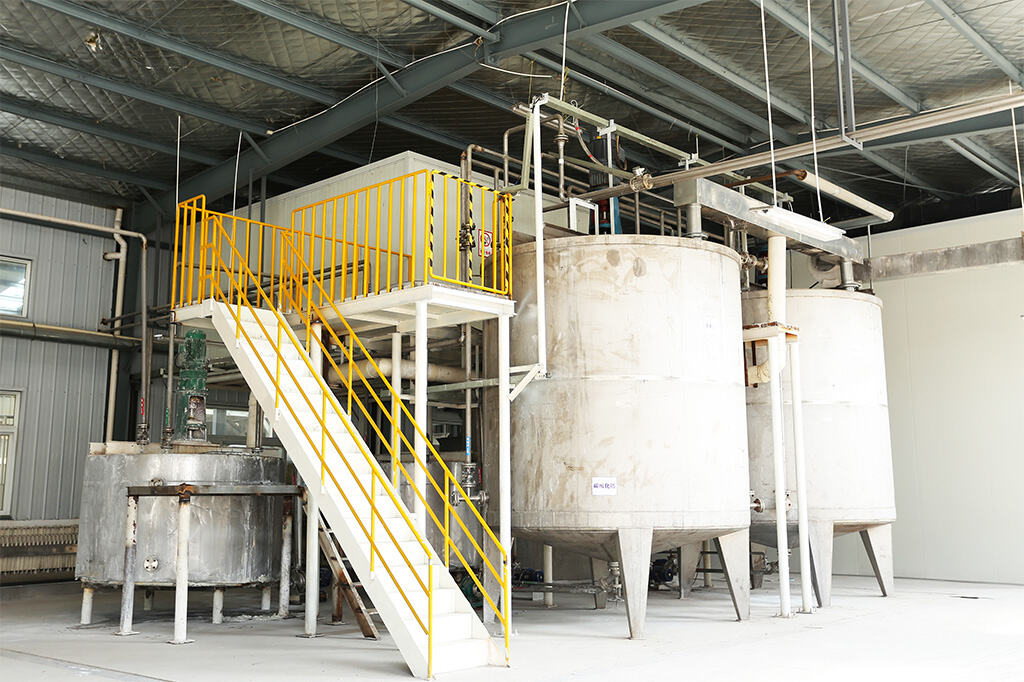
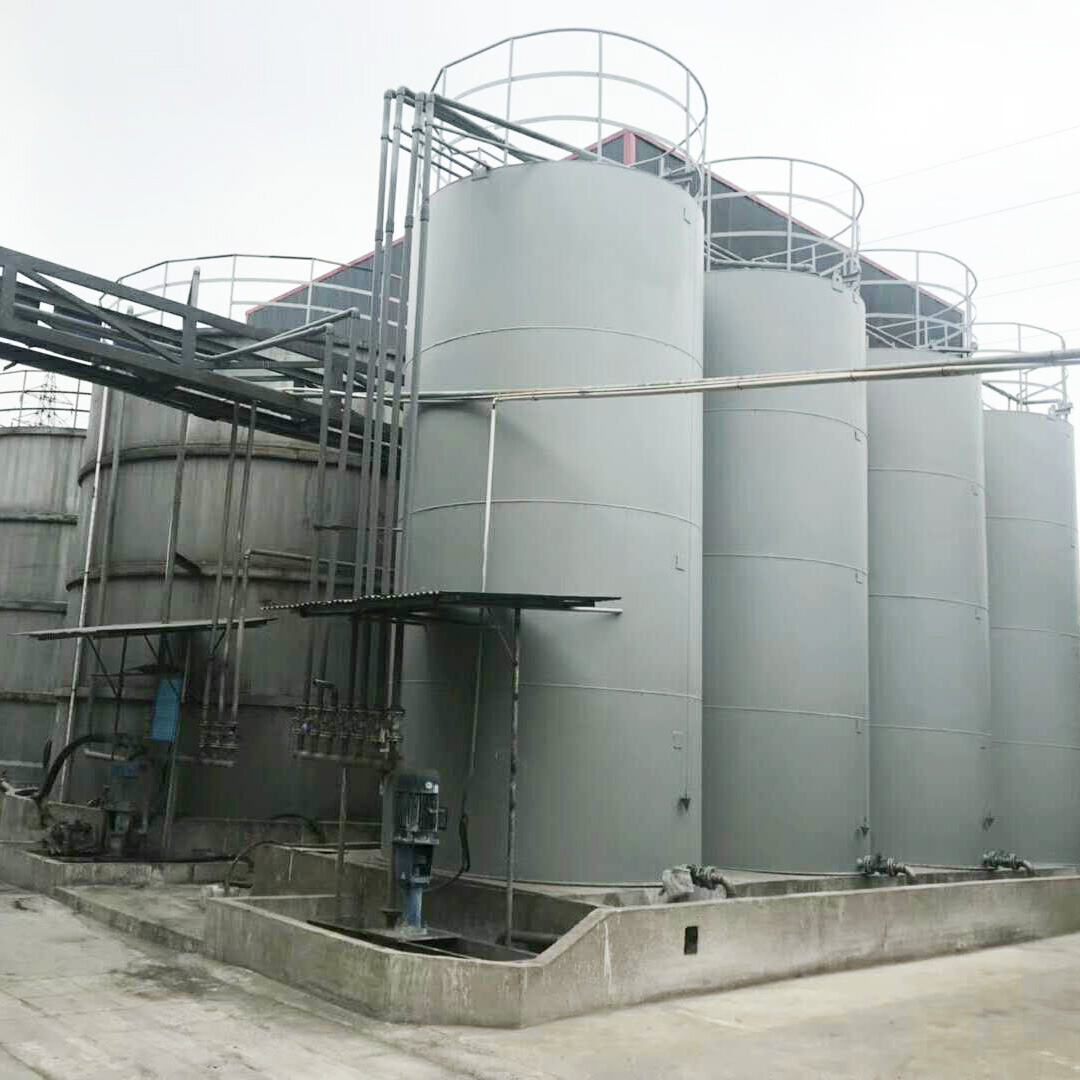
The industrial manufacturing of commercial probiotic feed additives requires advanced fermentation technology. Raw strain viability often declines rapidly when exposed to high temperature, moisture, and sheer forces encountered during feed conditioning, expanding, and pelleting processes ($85^\circ\text{C} - 95^\circ\text{C}$). Leading CE-certified factories utilize precise fermentation and protection protocols to guarantee high CFU (Colony Forming Units) counts at the point of ingestion.
Fully automated bio-reactors monitor dissolved oxygen ($DO$), pH curves, and nutrient consumption rates in real-time. Media formulations incorporate highly bioavailable substrates such as purified CSL Powder (Corn Steep Liquor) and high-nitrogen Mycoprotein extracts to maximize spore yield per unit volume.
To protect non-spore forming lactic acid bacteria during high-temperature feed extrusion, proprietary dual-layer lipid and polymeric matrix microencapsulation is applied. This fluid-bed coating resists thermal degradation up to $92^\circ\text{C}$ and guards active cells against gastric acid denaturation.
Spore suspensions undergo low-temperature spray drying or fluidized bed drying with food-grade cryoprotectants (trehalose, skim milk solid matrix). This technique guarantees long shelf-life stability exceeding 24 months under ambient tropical storage conditions.
Navigating global regulatory hurdles is critical for enterprise feed importers. CE marking alongside adherence to European Union Regulation (EC) No 1831/2003 on additives for use in animal nutrition establishes an essential baseline for safety, quality, and global compliance. Importers must verify that probiotic feed exporters possess rigorous analytical testing protocols.
Under EFSA (European Food Safety Authority) guidance, strains intended for commercial release must undergo Whole Genome Sequencing (WGS). Exporters verify the total absence of transferable Antibiotic Resistance Genes (ARG) and toxigenic virulence factor plasmids via PCR assays.
Industrial production facilities integrate Feed Additive and Pre-mixture Quality System (FAMI-QS) protocols. Batch testing covers heavy metals (Lead, Arsenic, Cadmium), mycotoxin screening, enteric pathogen limits (Zero Salmonella in 25g), and stable viability verifications.
Discover our complementary line of plant nutrition, high-protein feed ingredients, and farm monitoring accessories supporting sustainable agricultural enterprise ecosystems.
Formulating with CE-certified probiotic feed additives requires precise inclusion strategies tailored to animal digestive physiology, housing environments, and operational goals.
Dosing Strategy: $100\text{g} - 250\text{g}$ per metric ton of complete feed ($1 \times 10^{10}\text{ CFU/g}$ concentration).
Primary Outcomes: Prevents necrotic enteritis caused by Clostridium perfringens, enhances eggshell thickness in layer hens, and lowers ammonia output in litter by up to 28% through improved protein breakdown.
Dosing Strategy: $300\text{g} - 500\text{g}$ per ton in nursery/starter diets; $150\text{g} - 200\text{g}$ in finisher diets.
Primary Outcomes: Smooths post-weaning transition, reduces post-weaning diarrhea (PWD) frequency, replaces pharmacological zinc oxide (ZnO), and supports daily weight gain (ADWG).
Dosing Strategy: $500\text{g} - 1000\text{g}$ per ton of extruded floating/sinking feed or direct water application.
Primary Outcomes: Suppresses pathogenic Vibrio parahaemolyticus strains in shrimp hepatopancreas, improves water quality parameters by lowering nitrite/ammonia, and enhances survival rates during disease stress.
Addressing core procurement questions, compliance queries, and bio-fermentation technical standards for global feed mill operators and importers.
For global feed mills, commercial livestock integrators, and regional distributors, establishing a stable supply agreement with a accredited producer ensures quality consistency, full lot-traceability, and lower FCR across animal populations. Contact our technical sales engineering team to request comprehensive Certificates of Analysis (COA), safety dossiers, and trial samples customized for your target livestock species.
 Lenavax Nutrition