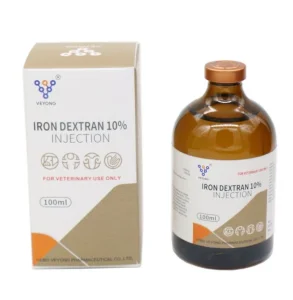
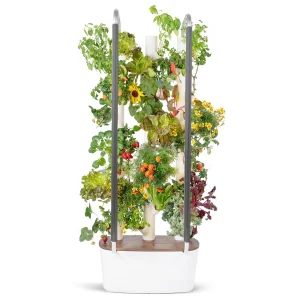
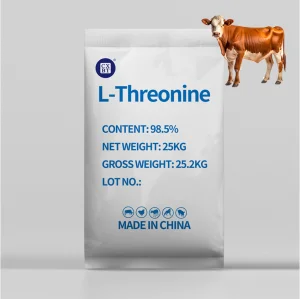
Explore our top-tier catalog spanning industrial biostimulants, specialized crop feeds, veterinary health formulas, and controlled environment agricultural systems.
Hangzhou Lenavax Nutrition Co., Ltd., founded over 20 years ago, has been dedicated to delivering innovative and reliable nutrition solutions for both animal and crop industries. With a strong foundation in research, production, and quality control, the company has built a solid reputation for scientific formulation, consistent product performance, and long-term customer trust.
Lenavax initially focused on the development and manufacturing of animal feed additives, including Corn Gluten Meal 60%, Mycoprotein 70%, and Rice Protein Powder 70%. These products are widely used to improve feed efficiency, enhance animal growth, and support overall health. Backed by advanced processing technology and strict quality management systems, Lenavax ensures stable supply and high nutritional value for global partners.
In recent years, the company has strategically expanded its business scope from domestic fertilizer supply to international markets. Its growing portfolio now includes CSL Powder 42%, Organic NPK Fertilizer, and a range of soil conditioners designed to improve soil structure, increase nutrient availability, and promote sustainable agricultural practices.
By integrating animal nutrition and crop nutrition solutions, Lenavax is committed to supporting modern agriculture with efficient, eco-friendly, and scientifically driven products worldwide.
Global agriculture faces severe systemic stresses: soil salinization, organic matter depletion, microbial extinction, and regulatory crackdowns on synthetic N-P-K runoff. Modern OEM organic crop production provides systemic answers.
Industrial farming routines have eroded native soil microbial activity. OEM organic formulations—enriched with enzymatic protein hydrolysates like Corn Steep Liquor (CSL) Powder 42% and Rice Protein matrices—deliver vital bio-available carbon and amino acids. This fuels rapid proliferation of beneficial mycorrhizal fungi and plant growth-promoting rhizobacteria (PGPR), restoring dynamic microbial food webs.
Continuous application of low-humus inorganic salts leads to chemical leaching and soil compacting. Customized Organic NPK and humic-conditioned soil additives increase soil surface negative charges. Enhanced CEC prevents nutrient migration into aquifers, locking essential cations ($Ca^{2+}$, $Mg^{2+}$, $K^+$) into root-accessible soil horizons for extended uptake phases.
Climatic volatility introduces drought stress, thermal shock, and osmotic imbalance in high-value commercial crops. Biostimulants rich in free amino acids (such as Proline, Glycine, and Glutamic Acid) derived from optimized organic biomass synthesis act as cellular osmoprotectants, mitigating ROS (Reactive Oxygen Species) damage and preventing premature crop senescence.
The international organic crop production market is shifting rapidly from fragmented boutique manufacturing to centralized, heavy-duty OEM/ODM production infrastructures capable of delivering standardized, high-density biochemical inputs.
| Global Market Region | Primary Drivers & Regulatory Directives | Dominant OEM Product Demand | Agronomic Performance Metrics |
|---|---|---|---|
| North America (USDA-NOP) | Shift toward regenerative agriculture, stringent nitrogen run-off penalties (EPA), organic microgreen and greenhouse expansion. | CSL Powder 42%, High-purity Soluble Amino Acid Granules, Hydroponic Organic Liquids. | +14% yield improvement in berry crops; 25% reduction in synthetic nitrogen leaching. |
| European Union (Reg EU 2018/848) | "Farm to Fork" mandate cutting chemical pesticide use by 50% and synthetic fertilizer usage by 20% by 2030. | Mycoprotein-derived soil conditioners, OMRI-grade Organic NPK, Enzymatic Bio-stimulants. | +18% root mass density; enhanced soil organic matter (SOM) buildup rate of 0.4%/year. |
| Latin America (LATAM Export Hubs) | Massive scale export crops (Soybeans, Coffee, Avocados, Bananas) requiring biological pest and nutritional protection. | Bulk Modified Montmorillonite, Heavy Nitrogen Organic Concentrates, Chelated Micronutrient Powders. | Increased brix levels (+2.2°Bx); extended shelf-life for international ocean transportation. |
| Asia-Pacific & Middle East | Saline soil reclamation, desert agriculture, closed-loop vertical farm adoption, food security initiatives. | Microgreens Hydroponic Media, Granular Humic Soil Conditioners, Water-soluble Protein Hydrolysates. | 30% water retention elevation in sandy loams; rapid germination rates in controlled indoor rigs. |
Global volatility in synthetic fertilizer raw materials (natural gas pricing spike impacting urea production) has forced commercial agricultural entities to secure secondary and primary bio-organic fertilizer pipelines. Contract OEM partners like Hangzhou Lenavax provide stable, year-round volume guarantees leveraging scale production of agro-industrial byproducts like corn gluten and rice protein matrixes.
One-size-fits-all organic input is obsolete. Commercial distributors require specific N-P-K ratios, custom micronutrient chelation profiles, and tailored dissolution kinetics (from ultra-fast hydro-seeding solubles to slow-release broadcast granules). Our custom manufacturing plant handles specialized bulk blending, spray-drying, micronization, and private-label packaging.
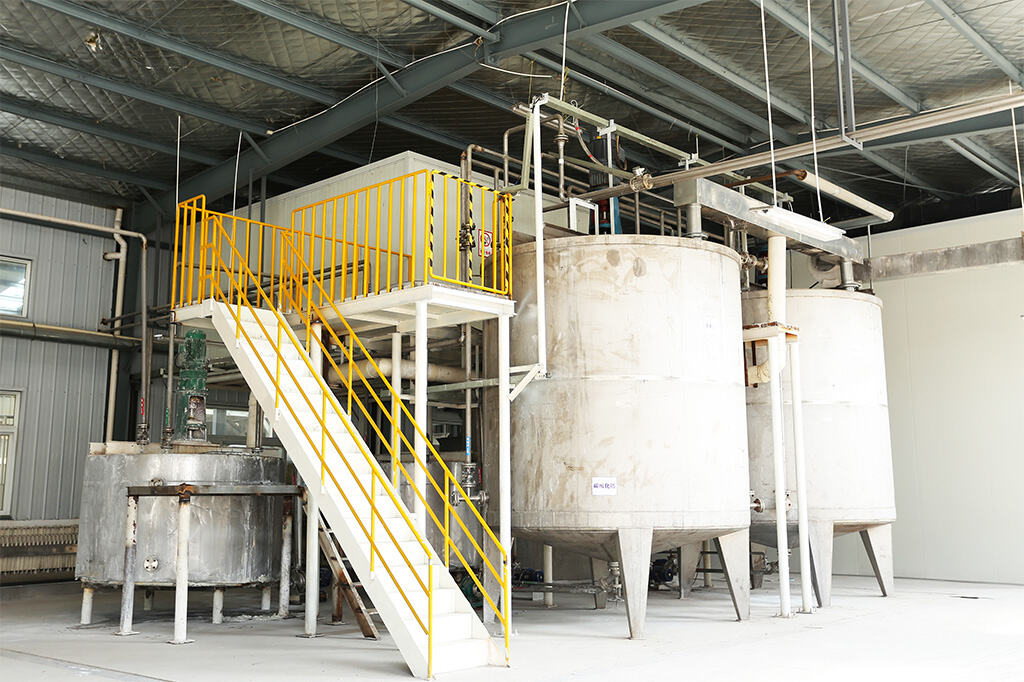
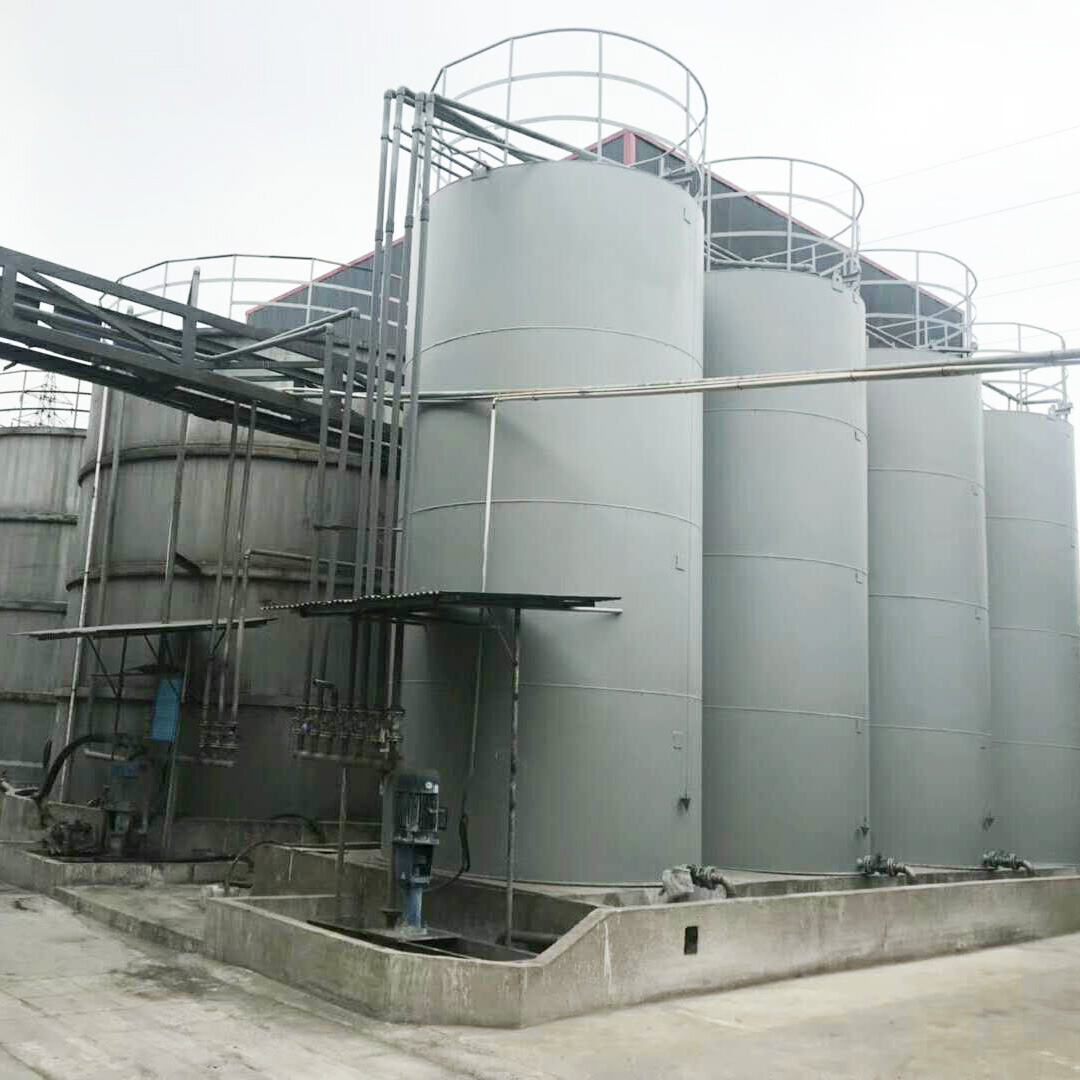
From raw feedstock refining to enzymatic hydrolysis and micro-encapsulation, our manufacturing process maintains absolute standardization, chemical purity, and optimal biological efficiency.
High-protein botanical streams (Corn Gluten Meal 60%, Rice Protein 70%) undergo clean aqueous separation and thermal sterilization to remove anti-nutritional factors and pathogen loads prior to conversion.
Targeted endo- and exo-proteases break down complex protein chains into small-chain bio-active oligopeptides and free amino acids, producing liquid concentrates such as CSL 42% with high assimilation rates.
Trace elements ($Fe, Zn, Mn, Cu$) are chelated with hydrolyzed amino acid complexes under controlled pH and thermal regimes, ensuring zero chemical precipitation when tank-mixed in field rigs.
Low-temperature spray drying preserves thermo-sensitive bio-stimulants, transforming liquids into instantly micro-soluble powders or low-dust spherical micro-granules for easy application.
Our continuous innovation trajectory focuses on Microbial Encapsulation Tech (protecting spore-forming Bacillus and Trichoderma strains within organic NPK matrices), Nanoscale Humic Hydrogels for desert soil water retention, and Peptide-Based Abiotic Ellicitors designed to trigger innate plant systemic acquired resistance (SAR) against fungal pathogens.
Navigating international regulatory frameworks for organic inputs requires rigorous quality assurance, batch traceability, and regionally optimized product design.
All OEM production lines adhere strictly to OMRI (Organic Materials Review Institute) testing criteria, USDA-NOP standards, and EU Regulation 2018/848. Full documentation dossiers (COA, MSDS, Heavy Metal Screenings, Pathogen-free certifications) accompany every shipment.
Using advanced Inductively Coupled Plasma Mass Spectrometry (ICP-MS), every batch of organic input is screened to guarantee Arsenic ($As$), Cadmium ($Cd$), Lead ($Pb$), and Mercury ($Hg$) levels remain far below worldwide statutory limits, while high-heat bio-processing ensures zero Salmonella or E. coli contaminations.
We offer complete private-labeling capabilities including anti-counterfeit QR tracking, multi-lingual hazardous material handling instructions, UV-protected moisture-proof bulk bags (25kg, 500kg, 1000kg), and automated liquid IBC tote filling.
Application Strategy: Drip irrigation fertigation and foliar bio-stimulant spray using CSL Powder 42% combined with organic potassium inputs during fruit setting and veraison.
Agronomic Impact: Boosts fruit sugar accumulation (+1.5 - 2.8° Brix), enhances peel firmness, reduces micro-fissuring, and enhances post-harvest cold storage tolerance.
Application Strategy: Integration of specialized organic sprouting seed pads with bio-balanced liquid organic nutrient feeds.
Agronomic Impact: Prevents root rot pathogen establishment, accelerates cotyledon growth velocity, and maximizes chlorophyll concentration under LED grow light spectrums.
Application Strategy: Bulk broadcast of dry micro-granular Organic NPK and customized soil conditioners during pre-planting tillage.
Agronomic Impact: Accelerates early seed vigor, expands primary taproot length by up to 22%, and improves natural soil moisture retention during mid-season dry spells.
Application Strategy: Bio-refining livestock feeds (Corn Gluten 60%, Rice Protein 70%) alongside modified Montmorillonite toxin binders for animal health, converting output waste back into soil conditioners.
Agronomic Impact: Complete circular farm loop minimizing external bio-security risks and maximizing total nutrient recovery efficiency.
Clear answers to crucial questions regarding OEM minimum orders, solubility profiles, chemical safety, and custom blending capabilities.
From animal nutrition additives to advanced hydroponic kits and industrial water conditioning units.
 Lenavax Nutrition