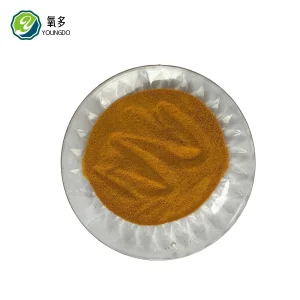
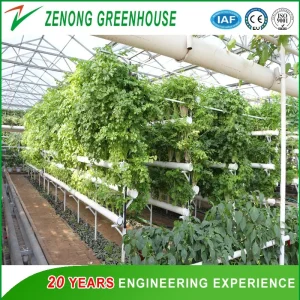
Seamless integration of biological optimization, hardware systems, and formulated raw materials for maximum yield.
The global agricultural supply chain is undergoing an unprecedented structural transition. Volatility in crop yields, shifting environmental regulations, and the rising cost of raw feed ingredients necessitate an evolutionary step in chemical profiling. Historical laboratory wet chemistry techniques—while highly reliable—fail to match the dynamic throughput of modern production environments. The industry requires real-time, in-line, and non-destructive quantification of primary biomolecules, crude compounds, and trace constituents.
As a leading OEM/ODM Nutritional Analysis Tools Manufacturer, we occupy the intersection of advanced spectroscopic technology, chemometrics, and bio-agricultural manufacturing. Our mission is to democratize high-accuracy analysis, translating lab-grade results into handheld devices, continuous process-monitoring equipment, and robust software interfaces tailored specifically for feed mills, agronomists, and pet food formulators.
By deploying customizable Near-Infrared Spectroscopy (NIRS) engines, our clients bypass lengthy drying, extraction, and titration processes. Our tools analyze moisture, crude protein, fat, starch, and fiber in under 10 seconds.
Our proprietary hardware and software ecosystem is built to support white-label integration and custom device development. Through modular optical blocks and flexible API microservices, our partners configure testing suites that address highly specific chemical markers in animal feeds, plant nutrients, and complex dietary matrices.
Our optoelectronic units utilize premium InGaAs (Indium Gallium Arsenide) arrays, ensuring high quantum efficiency across the 900–1700nm and 1100–2500nm bands. We design custom diffractive gratings, path-length optics, and light source arrays to resist thermal drift in hostile factory settings.
A device is only as strong as its mathematical model. We offer ODM calibration building, executing Partial Least Squares (PLS), Principal Component Regression (PCR), and Artificial Neural Network (ANN) modeling to match specific moisture and ingredient ranges.
With built-in IoT capabilities, our analyzers push data to cloud portals, facilitating global plant benchmarking. We build custom API pathways, letting our clients link field readings directly into ERP systems or automated ingredient dosage systems.
Our nutritional analysis tools are deployed across critical nodes in the global bio-economy. As production demands shift toward circular economy practices and non-traditional ingredients, on-the-spot screening guarantees safety, maintains quality bounds, and safeguards downstream consumers.
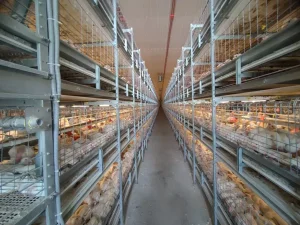
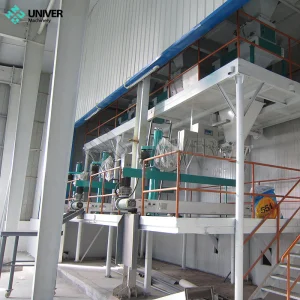
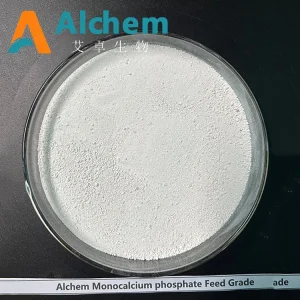
Raw material intake remains a high-risk touchpoint. Mills must screen incoming cargos of soybean meal, corn gluten meal, and dry additives for moisture, mycotoxins, and protein consistency before unloading. In-line NIRS systems control the batching system in real-time.
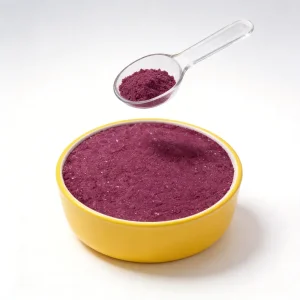
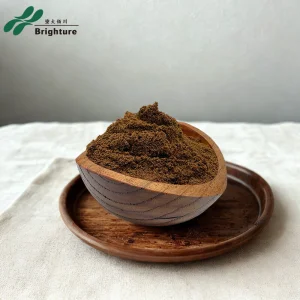
With the rise of specialized functional ingredients (e.g., Purple Sweet Potato Powder and marine by-products), formulation tolerances are tight. Our systems measure moisture during drying phases to inhibit mold, while verifying lipid distribution to preserve shelf stability.
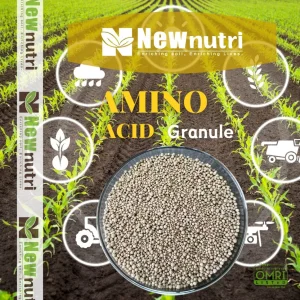
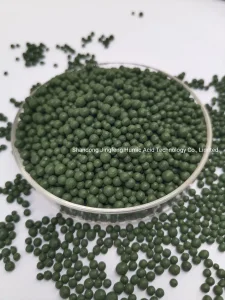
Integrating soil chemistry sensors with crop nutrition models allows automated fertilizer systems to deliver amino-acid and Humic-coated NPK formulations dynamically. This reduces environmental runoff and improves soil microbiome restoration.
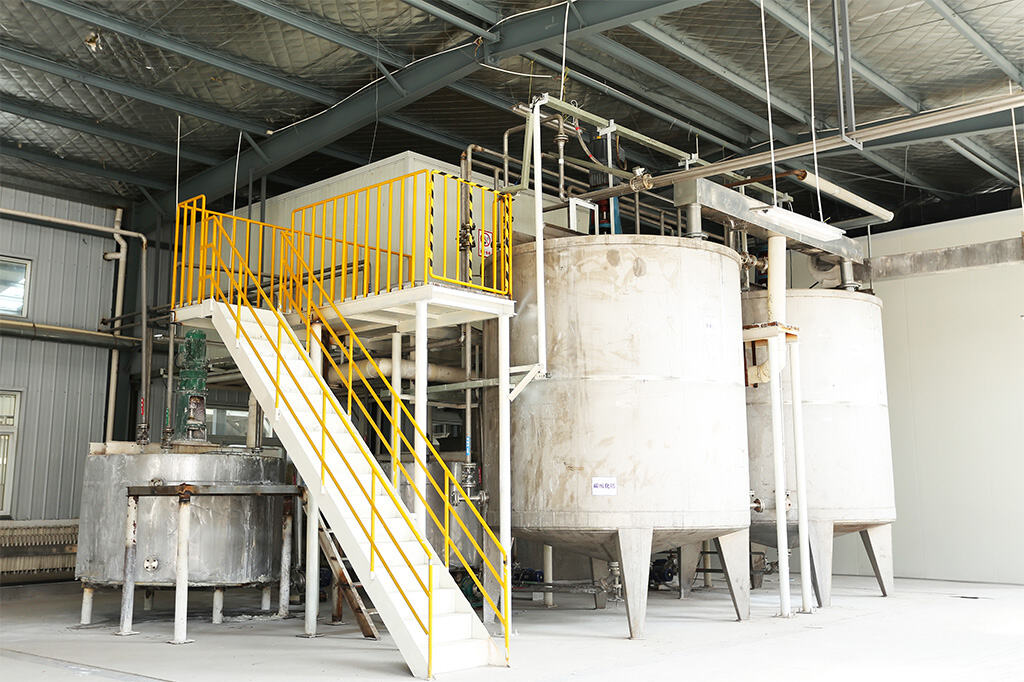
Lenavax initially focused on the development and manufacturing of animal feed additives, including Corn Gluten Meal 60%, Mycoprotein 70%, and Rice Protein Powder 70%. These products are widely used to improve feed efficiency, enhance animal growth, and support overall health. Backed by advanced processing technology and strict quality management systems, Lenavax ensures stable supply and high nutritional value for global partners.
In recent years, the company has strategically expanded its business scope from domestic fertilizer supply to international markets. Its growing portfolio now includes CSL Powder 42%, Organic NPK Fertilizer, and a range of soil conditioners designed to improve soil structure, increase nutrient availability, and promote sustainable agricultural practices.
By integrating animal nutrition and crop nutrition solutions, Lenavax is committed to supporting modern agriculture with efficient, eco-friendly, and scientifically driven products worldwide.
Demonstrated data markers showing optical reliability, computational throughput, and deployment speeds.
Global operations mean navigating distinct regional regulations. Our OEM/ODM analysis systems conform to regulatory frameworks required by international jurisdictions. When integrating analysis solutions, we design firmware to generate localized compliance reports out-of-the-box.
All analytical hardware complies with CE, FCC, and RoHS standards. Software databases adhere to USDA, EFSA, and AOAC analytical methods, ensuring readings hold legal weight for raw material verification and trading protocols.
Data security is ensured using decentralized encryptions. Data transmission conforms to ISO 27001 parameters, protecting proprietary product formulation libraries and process values from unauthorized access.
We provide multi-language firmware, custom packaging, and field-calibration kits configured to native feed matrices (e.g. specific dry-matter parameters unique to regional agronomy).
The future of analytical agriculture lies in continuous integration and autonomous optimization loops. By combining NIRS scanning engines with AI models, future feed mills and fertilizer application vehicles will dynamically adapt parameters on the fly, maximizing nutrient capture and minimizing wastage.
Shrinking optical benches into pocket-sized devices using MEMS technology, giving smallholders the ability to inspect crop health directly in the field.
Machine Learning algorithms that automatically identify outliers and download cloud-based calibration updates without manual recalibration.
Deploying quantum-grade detection chips to sense chemical levels below parts-per-billion (ppb), allowing immediate spotting of heavy metals and toxins.
Connecting real-time feed analysis to automated milling control systems, optimizing pellet density and enzyme dosing.
Deep operational insights from our technical support team regarding customization, calibration, and integration.
Our second product tier highlights smart machinery, structural greenhouse configurations, and core organic nutrients.
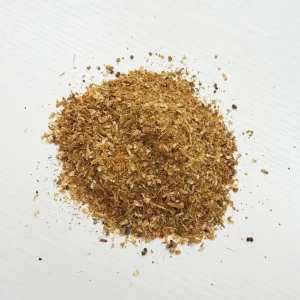
 Lenavax Nutrition