Optimized raw supplies and molecular stabilizers essential for system performance, environmental remediation, and high-efficiency agricultural operations.

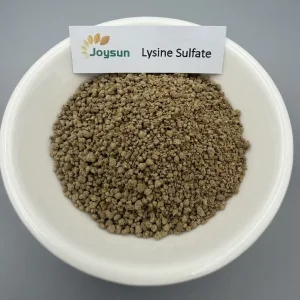
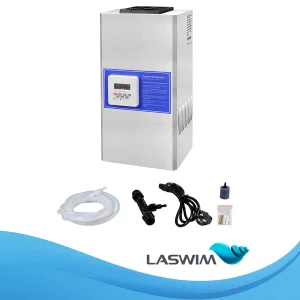
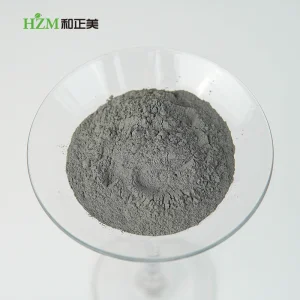
Global agriculture and municipal industries stand at a critical ecological crossroad. The historical model of linear resource depletion—extracting raw rock phosphate, processing it through high-emission petrochemical pathways, applying it inefficiently, and discharging residual runoff into aquatic ecosystems—has reached its absolute planetary boundary. Phosphorus runoff causes massive eutrophication worldwide, while regional geopolitical fluctuations continuously threaten the stability of traditional mineral supplies.
Nutrient Recovery Systems (NRS) represent the operational paradigm shift required to transition from linear consumption to a closed-loop circular economy. By extracting nitrogen ($N$), phosphorus ($P$), and organic carbon ($C$) from municipal municipal wastewater, livestock manure, digestate, and industrial food-processing effluents, these advanced plants convert environmental hazards into high-value, standardized, bio-available fertilizer precursors.
As a leading engineering cluster in China, our facilities specialize in translating chemical waste streams into dry, stable crystals, humic chelates, and pure mineral components, driving global crop and animal performance forward without compromising soil biodiversity.
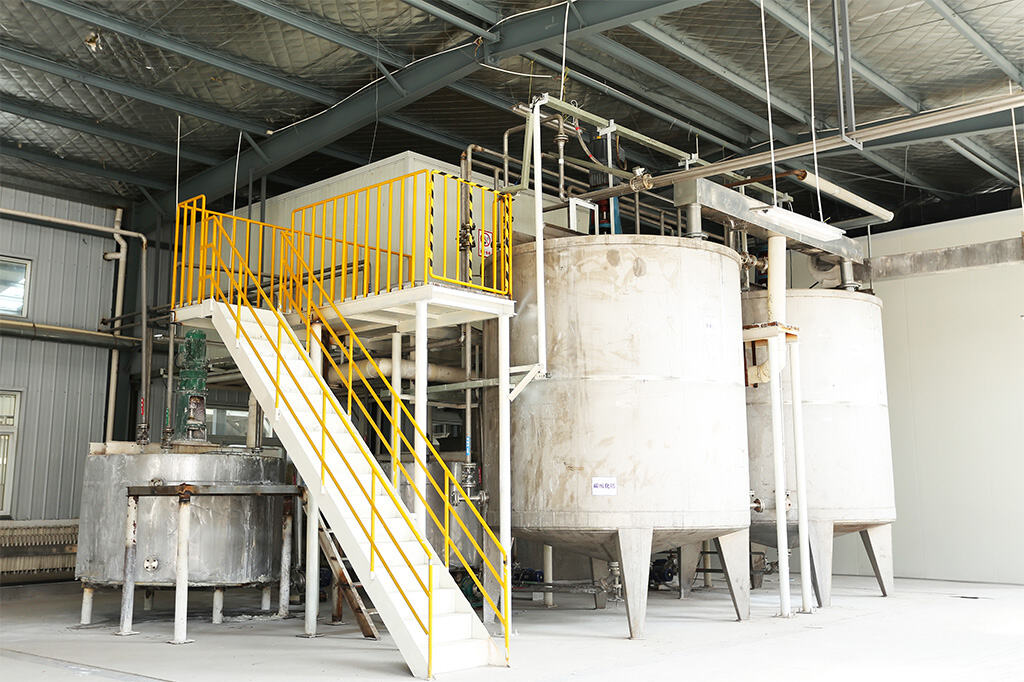
Industrial nutrient reclamation requires deep thermodynamic control, precise pH alignment, and specialized mechanical engineering. Simple filtration is insufficient to produce consistent commercial-grade fertilizers. Modern configurations rely on three primary pillars of physical and chemical manipulation:
"To successfully recover phosphorus as Struvite ($MgNH_4PO_4 \cdot 6H_2O$), the stoichiometric ratio of Mg:N:P must be strictly maintained at 1:1:1. Most waste streams are magnesium-deficient. Therefore, adding high-grade Magnesium Sulphate Anhydrate is vital to initiate precipitation. This chemical process bridges wastewater purification with the commercial fertilizer industry."
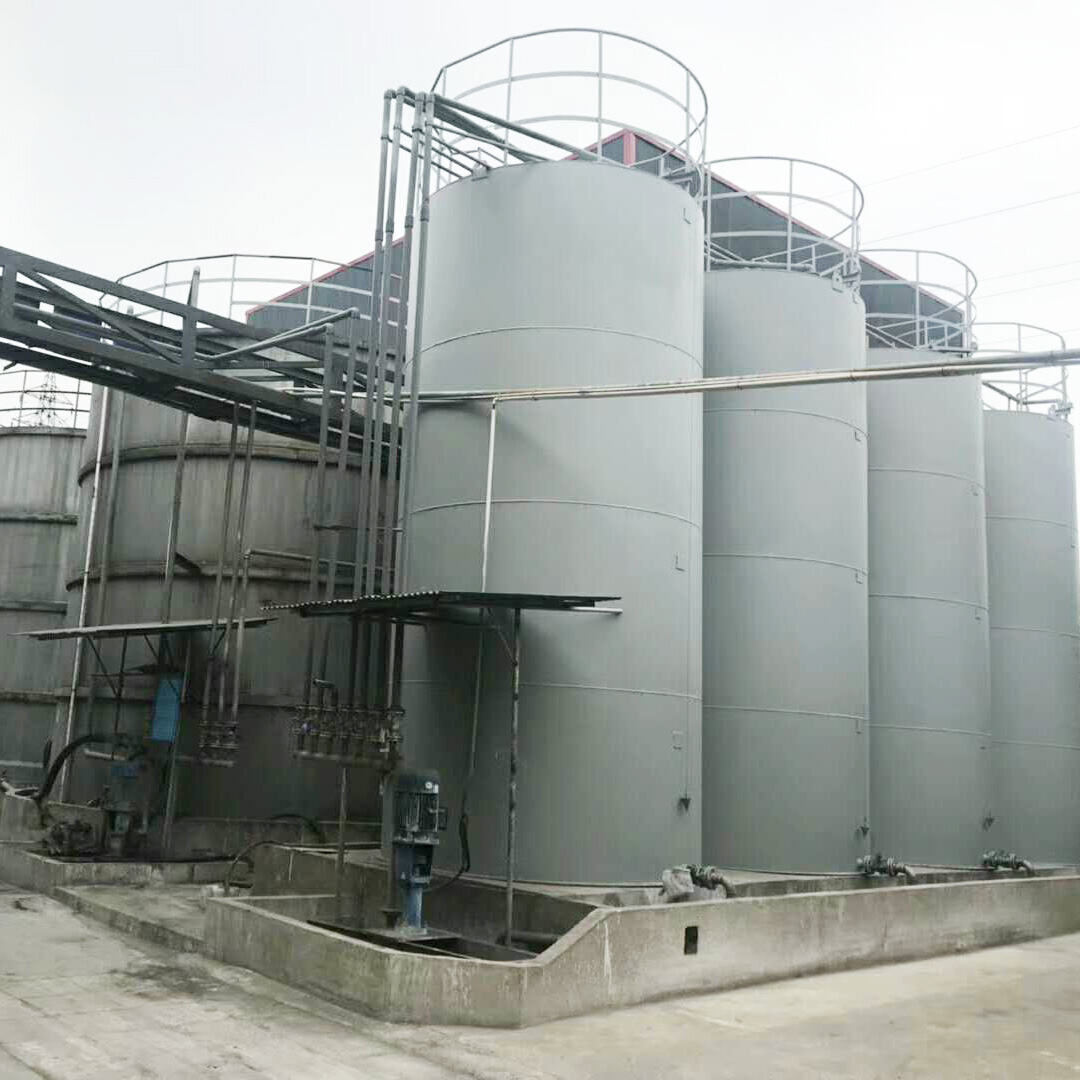
Hangzhou Lenavax Nutrition Co., Ltd. has spent over two decades building a resilient supply chain and manufacturing infrastructure. Operating from advanced facilities in Zhejiang, we offer key advantages that make us a preferred global supplier:
Our production lines feature automated control loops that manage chemical additions, temperature profiles, and crystallizer hydrodynamic conditions. This ensures that every batch of organic NPK, CSL powder, or feed-grade minerals meets tight specifications with minimal batch-to-batch variation.
By locating our production hubs near major agricultural processing areas, we secure a steady supply of inputs like Corn Steep Liquor (CSL) and high-concentration organic compounds. This reliable access protects our production from raw material shortages, keeping our prices stable and our deliveries on time.
We comply with international environmental and quality regulations, including ISO 9001 and ISO 14001 standards. This alignment simplifies compliance checks for buyers in the European Union, North America, and APAC regions, helping them meet strict supply chain audits.
When planning a large-scale project, selecting the right process technology is critical. The table below outlines the core characteristics of our key nutrient recovery configurations:
| System Class | Primary Target | Optimal Feedstock Focus | Recovered End-Product | Efficiency Index |
|---|---|---|---|---|
| Crystallization Reactor | Orthophosphate & Ammonium | Anaerobic Digestate, Municipal Liquors | Struvite ($MgNH_4PO_4 \cdot 6H_2O$) | P Recovery > 90% |
| Membrane Separators | Concentrated Nitrate / Potassium | Industrial Food Wastewater | Liquid NPK Concentrates | Volume Reduction 85% |
| Biological Fermentation | Organic Carbon & Soluble Nitrogen | Corn steep liquor, Starch by-products | Mycoprotein, Feed-grade Lysine | Protein Yield > 70% |
| Chemical Granulation | Organic & Inorganic Combos | Recovered Humic Slurry & Ash | Coated Organic NPK Granules | Granulation > 98% |
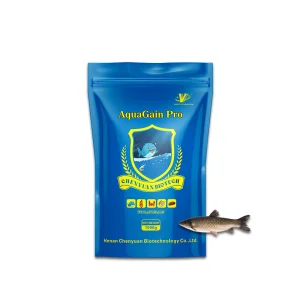
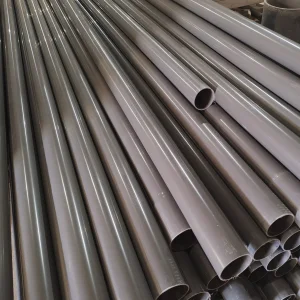
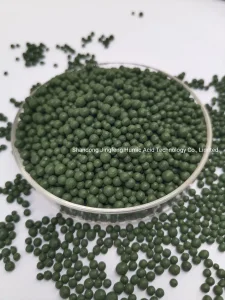
Additional products, soil amendments, and system-support components developed for global agricultural and industrial applications.

 Lenavax Nutrition