In modern agricultural ecosystems, optimization is no longer a localized strategy; it is a vital imperative for global business continuity. The livestock and feed manufacturing industries face unprecedented pressures, including high macro-commodity price volatility (especially in soybean meal and corn), tightening environmental regulations on nitrogen and phosphorus excretion, and the universal shift towards antibiotic-free farming.
To maintain operational viability, feed manufacturers worldwide are transitioning from raw crude protein formulations to precise digestible amino acid models. This paradigm shift requires highly concentrated, functional feed additives and optimized grain components that improve the Feed Conversion Ratio (FCR), strengthen gut integrity, and decrease animal morbidity. By aligning formulation designs with biochemical and enzymatic feed processing advancements, global agribusinesses can unlock significant economic value while lowering carbon footprints.
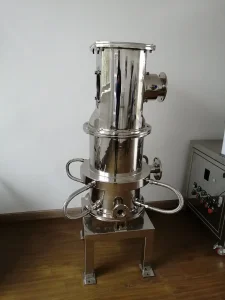
As the world's leading hub for synthetic fermentation and chemical manufacturing, China’s industrial feed sector offers unparalleled cost efficiency and technological sophistication. Factories utilize highly automated processing technologies, such as advanced Fluidized Bed Airflow Milling Systems, enzymatic wet-milling, and precision spray-drying systems.
Direct integration with local grain wet-milling industries ensures uninterrupted supply of core raw feedstuffs, such as Corn Gluten Meal 60% and Rice Protein Powder 70%.
Modern synthetic biology and deep-fermentation techniques allow Chinese factories to produce high-purity Mycoprotein and functional organic acids at scale.
Leading Chinese exporters strictly comply with global food and feed standards, securing credentials like FAMI-QS, ISO9001, HACCP, and SGS verification.
Hangzhou Lenavax Nutrition Co., Ltd., founded over 20 years ago, has been dedicated to delivering innovative and reliable nutrition solutions for both animal and crop industries. With a strong foundation in research, production, and quality control, the company has built a solid reputation for scientific formulation, consistent product performance, and long-term customer trust.
By integrating animal nutrition and crop nutrition solutions, Lenavax is committed to supporting modern agriculture with efficient, eco-friendly, and scientifically driven products worldwide.
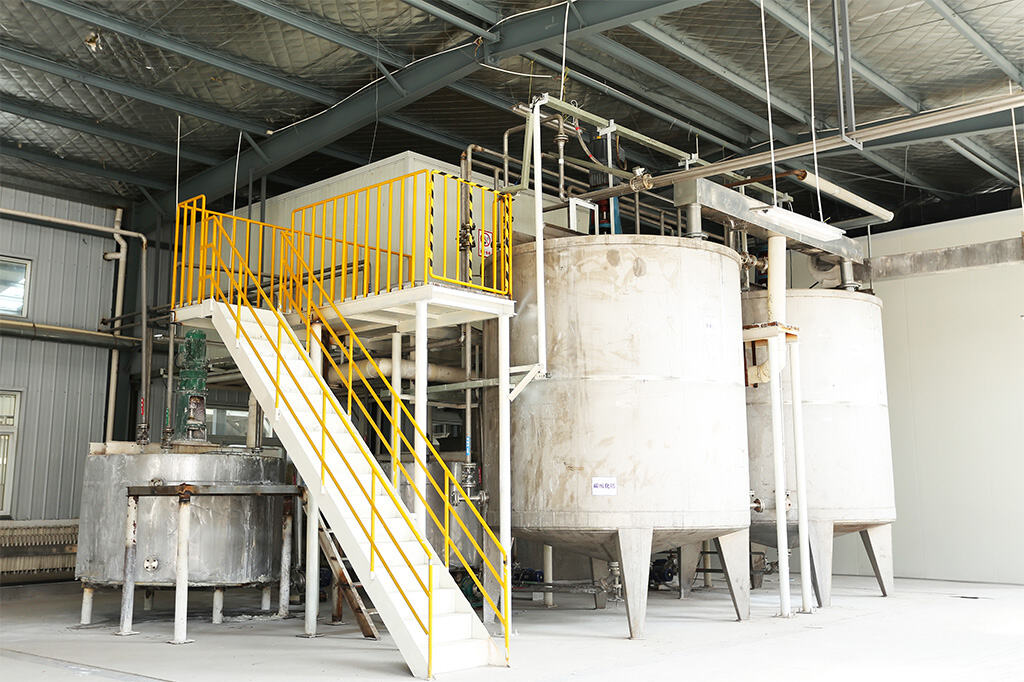
Lenavax initially focused on the development and manufacturing of animal feed additives, including Corn Gluten Meal 60%, Mycoprotein 70%, and Rice Protein Powder 70%. These products are widely used to improve feed efficiency, enhance animal growth, and support overall health. Backed by advanced processing technology and strict quality management systems, Lenavax ensures stable supply and high nutritional value for global partners.
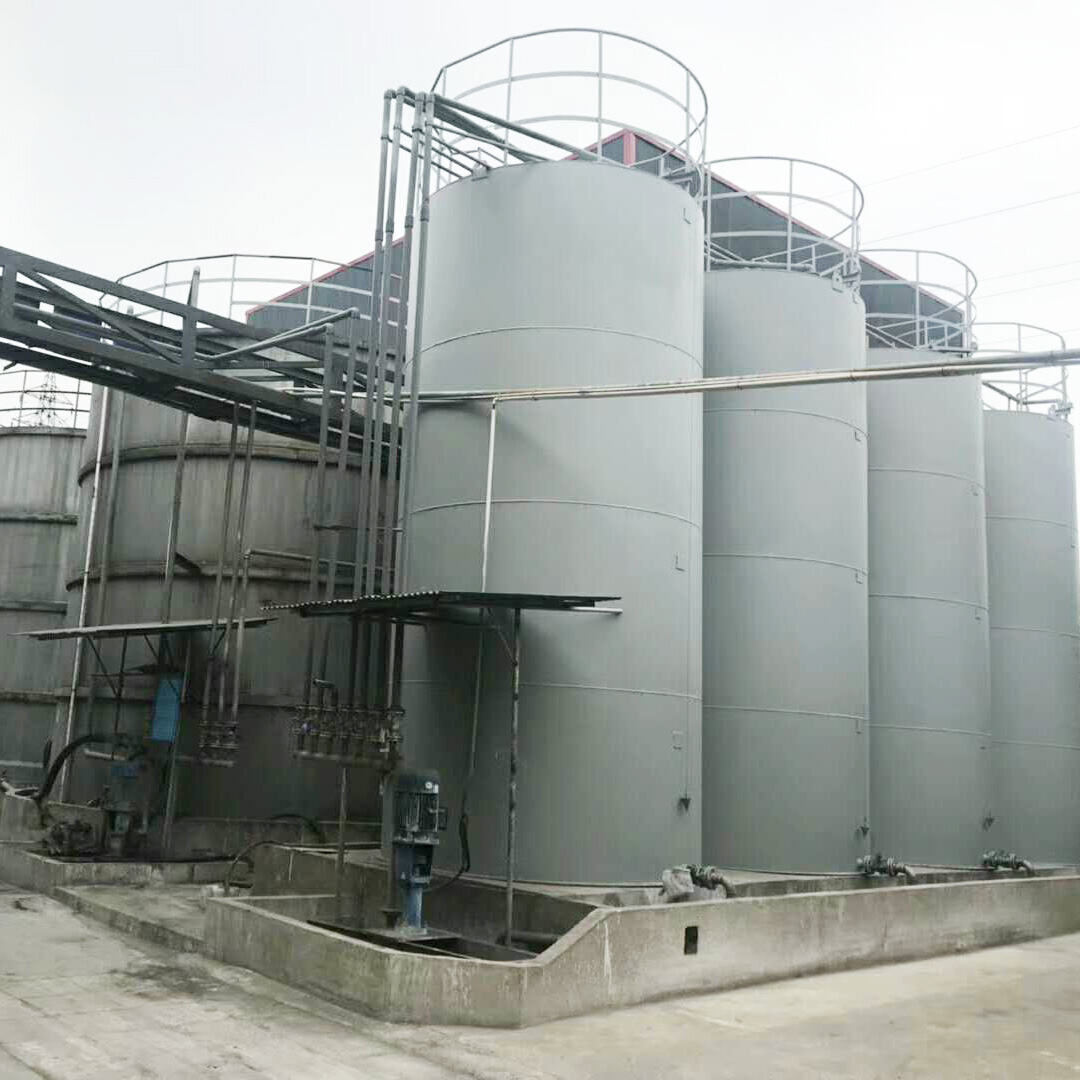
In recent years, the company has strategically expanded its business scope from domestic fertilizer supply to international markets. Its growing portfolio now includes CSL Powder 42% (Corn Steep Liquor), Organic NPK Fertilizer, and a range of soil conditioners designed to improve soil structure, increase nutrient availability, and promote sustainable agricultural practices.
This "soil-to-feed" closed loop maximizes crop quality, yielding nutrient-dense inputs for animal feeds while reducing reliance on chemical synthetics.
| Ingredient Name | Primary Protein/Active Spec | Key Bio-Chemical Benefit | Target Animal & Crop Sectors |
|---|---|---|---|
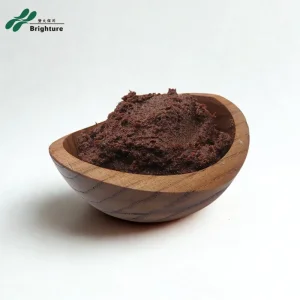
| Mycoprotein 70% | ≥ 70% Crude Protein | Rich in essential amino acids, beta-glucans, and mannan-oligosaccharides (MOS). Highly digestible. | Aquaculture, Starter Poultry Feed, Pet Food |
| Corn Gluten Meal 60% | ≥ 60% Protein, Rich in Lutein | Provides highly absorbable amino acids and natural yellow pigments for poultry skin and egg yolk. | Poultry, Layers, Swine |
| Rice Protein Powder 70% | ≥ 70% Hypoallergenic Protein | Low anti-nutritional factors, excellent palatability, balanced amino-acid profile. | Weanling Piglets, Premium Aquafeed, Pets |
| CSL Powder 42% | ≥ 42% Amino Acids & Peptides | Soluble organic nitrogen, lactic acid bacteria metabolites, acts as natural growth promoter. | Organic Soil Conditioner, Bio-fertilizer, Feed Binder |
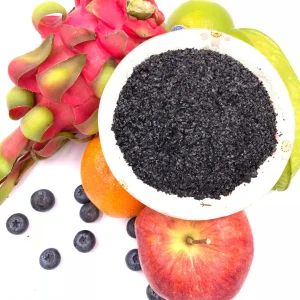
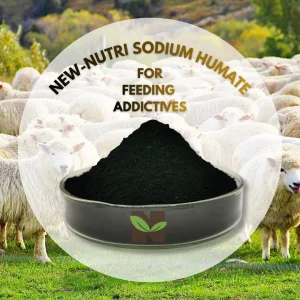
| Natural Sodium Humate | ≥ 65% Humic Acid (Dry basis) | Adsorbs heavy metals and toxins in gut, anti-inflammatory, improves feed conversion. | Ruminants, Swine, Aquaculture |
Agribusiness requirements vary significantly by region due to climate differences, regulatory constraints, and local raw ingredient availability:
In Western markets, feed mills prioritize clean-label, non-GMO, and antibiotic-free ingredients. Utilizing Mycoprotein 70% in starter feeds supplies beneficial nucleotides and boosts animal immunity naturally, helping producers meet regulatory standards.
Tropical regions face issues with mold growth and rapid feed degradation. Incorporating Natural Sodium Humate and organic acid complexes protects feed from bacterial proliferation, buffers the gut against mycotoxins, and improves nutrient absorption.
International enterprise buyers operate with stringent logistical and quality KPIs. To meet these needs, China's elite exporters offer tailored services:
 Lenavax Nutrition