Browse our top selected bio-nutritional ingredients, analytical systems, and agricultural enhancers manufactured under strict global compliance protocols.
The international demand for high-efficacy, bio-available ingredients has entered an era of unprecedented regulatory scrutiny and consumer expectations. B2B buyers now prioritize manufacturers with verifiable quality compliance, robust tracing mechanisms, and reliable output metrics.
CE marking serves as a key indicator of product compliance with EU safety, health, and environmental protection requirements. For dietary inputs and medical equipment, this certification guarantees entry and fluid custom processing throughout the European Economic Area.
Modern supply chains demand bio-available trace minerals, customizable polymer matrices for nutrient release, and multi-strain probiotics. Basic raw compounds are rapidly being replaced by advanced molecular structures engineered for specific cellular pathways.
Firms look for vertically integrated manufacturers that stabilize raw material sourcing, control active ingredient assay levels, and mitigate micro-contamination threats to ensure zero recalls and regulatory friction.
Why global pharmaceutical, agricultural, and animal nutrition enterprises choose Chinese sourcing hubs to secure raw materials and advanced medical equipment.
Chinese nutrition hubs leverage world-class precision fermentation, spray-drying, and purification infrastructure. This is exemplified by the industrial-scale biosynthesis of amino acids, trace minerals, and single-cell proteins, delivering unparalleled biological purity. By optimizing key processing parameters, modern export-oriented factories ensure that materials such as Isolated Soy Protein, Betaine, and trace element complexes retain their full bio-activity during processing.
The integration of automation in QA/QC laboratories allows Chinese exporters to perform real-time assays on microbial load, heavy metal contaminants, and active compounds. Aligning manufacturing practices with CE requirements, GMP codes, and FDA guidelines enables local facilities to act as reliable OEM extensions for multinational corporations.
Hangzhou Lenavax Nutrition Co., Ltd., founded over 20 years ago, has been dedicated to delivering innovative and reliable nutrition solutions for both animal and crop industries. With a strong foundation in research, production, and quality control, the company has built a solid reputation for scientific formulation, consistent product performance, and long-term customer trust.
Through two decades of manufacturing upgrades, Lenavax has integrated biological sciences into multi-sector nutrition. This unified approach combines high-demand raw protein extraction, mineral synthesis, and soil-enriching bio-organic fertilizers to foster sustainable, highly productive agricultural systems globally.
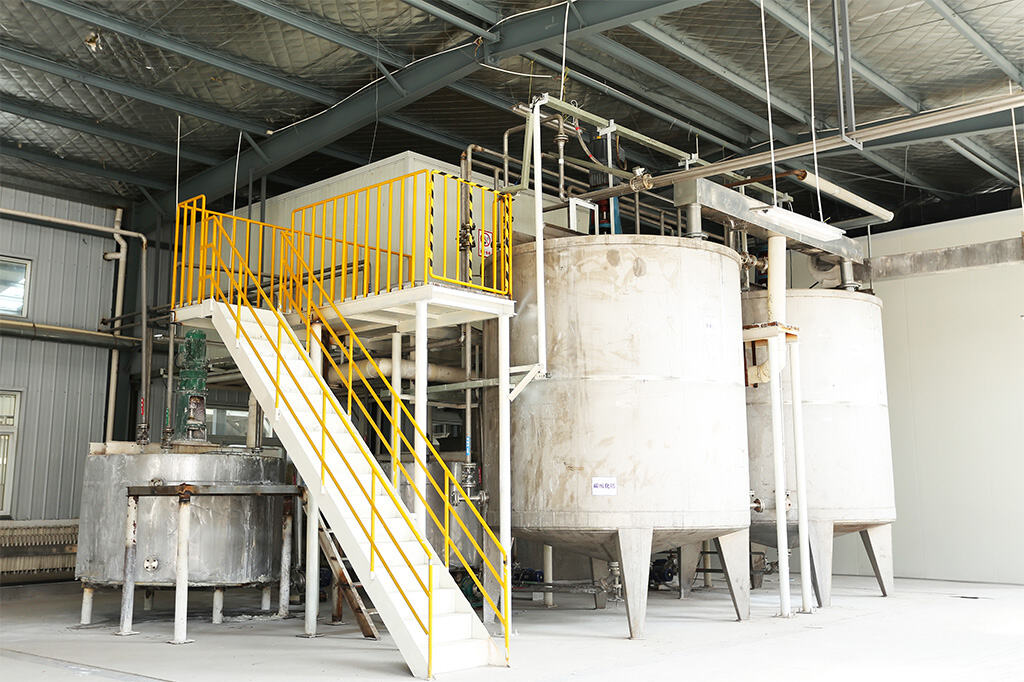
Lenavax initially focused on the development and manufacturing of animal feed additives, including Corn Gluten Meal 60%, Mycoprotein 70%, and Rice Protein Powder 70%. These products are widely used to improve feed efficiency, enhance animal growth, and support overall health. Backed by advanced processing technology and strict quality management systems, Lenavax ensures stable supply and high nutritional value for global partners.
By deploying modern enzymatic hydrolysis, raw botanical proteins are broken down into small-chain peptides, which dramatically increases absorption rates in monogastric animals and aquaculture species. This focus on bio-availability forms the foundation of Lenavax's feed additive line.
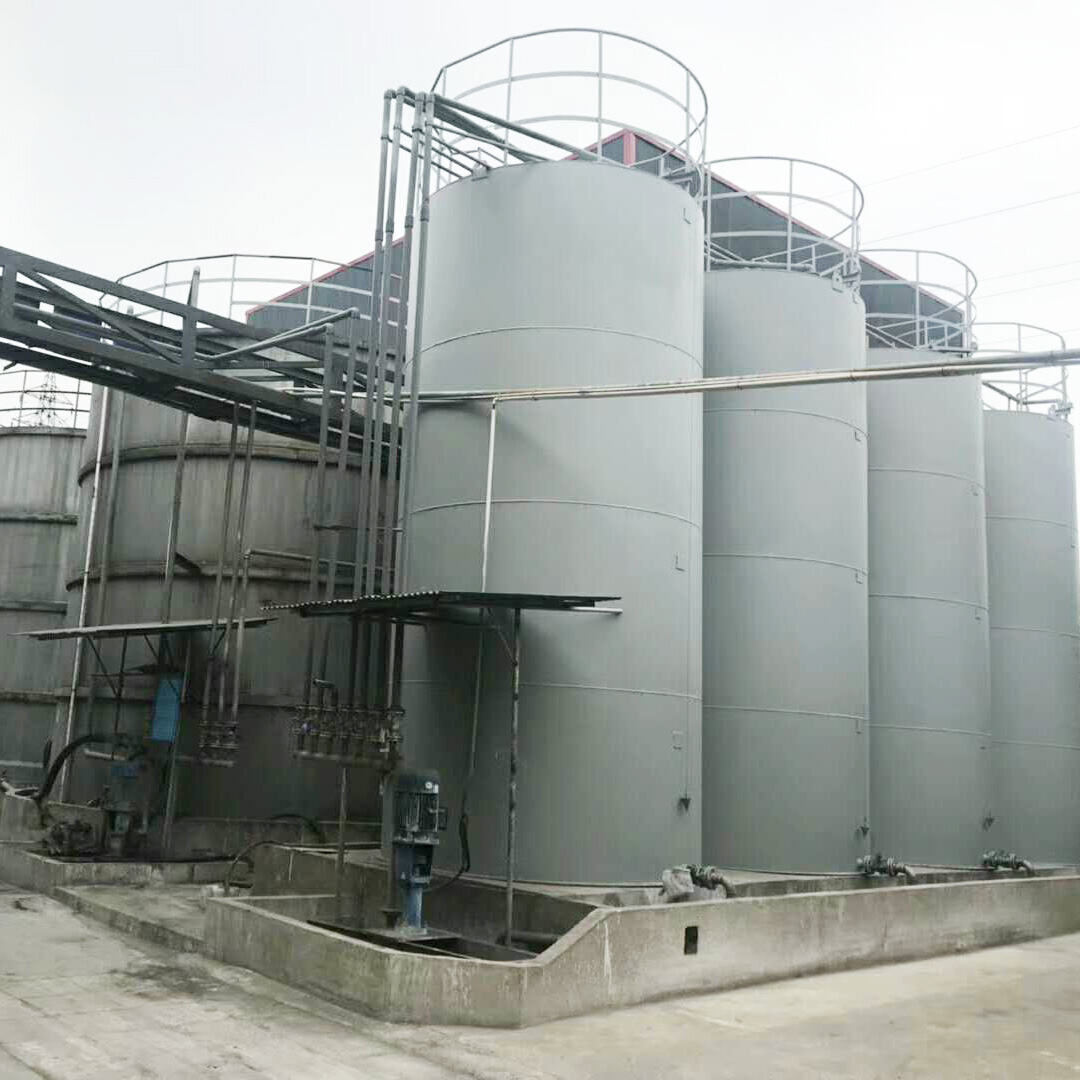
In recent years, the company has strategically expanded its business scope from domestic fertilizer supply to international markets. Its growing portfolio now includes CSL Powder 42%, Organic NPK Fertilizer, and a range of soil conditioners designed to improve soil structure, increase nutrient availability, and promote sustainable agricultural practices.
By integrating animal nutrition and crop nutrition solutions, Lenavax is committed to supporting modern agriculture with efficient, eco-friendly, and scientifically driven products worldwide.
Unlocking performance in local markets: How different sectors utilize specialized nutritional complexes and mechanical instrumentation.
In poultry and pig farming operations, combining Betaine Anhydrous 96% with high-purity protein concentrates like Rice Protein Powder 70% improves metabolic methyl donation, mitigates heat stress, and maximizes lean meat yield.
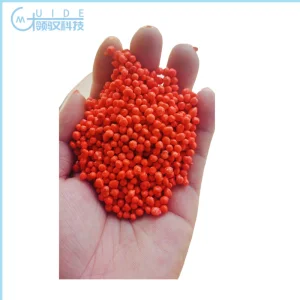
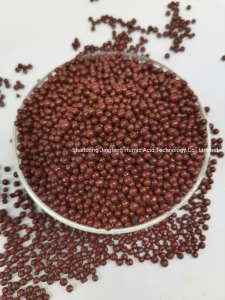
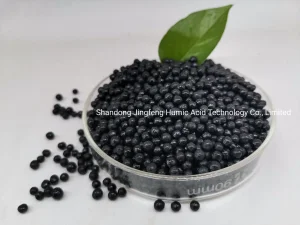
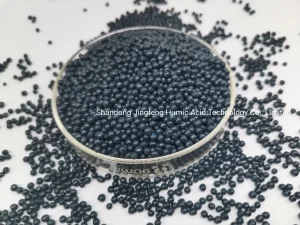
Commercial horticulturists deploy Humic Acid Amino NPK Granules combined with polyester resin coatings for customizable release curves. This minimizes fertilizer runoff and ensures steady nutrient availability across diverse soil textures.
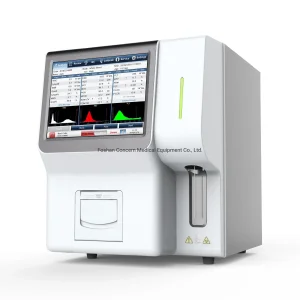
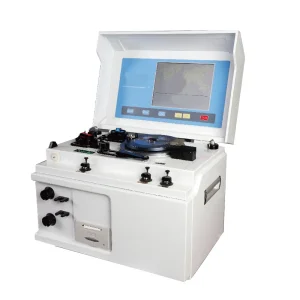
Modern veterinary clinics and rural hospital laboratories rely on compact, 3-part Hematology Analyzers and Blood Centrifuges to perform point-of-care patient diagnostics. These instruments provide rapid cellular profiling with minimal downtime.
Compare the physical forms, primary active contents, and application scopes of our industrial and agricultural products.
| Product Line | Key Active Assay / Parameters | Physical Form | Compliance Standards | Primary Industrial Sector |
|---|---|---|---|---|
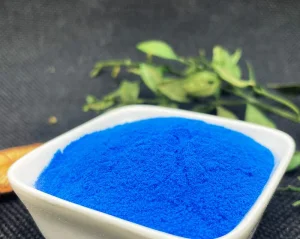
| Copper Citrate Complex | Optimal Absorption Matrix | Fine Crystalline Powder | Food / Feed Grade Compliant | Human & Animal Supplements |
| Clostridium Butyricum Probiotic | High Viable Spore Count | Micro-granulated Powder | CE & Feed Safety Certified | Immunological Feed Formulations |
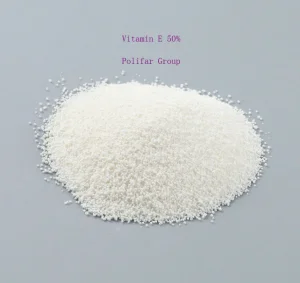
| Vitamin E Acetate 50% | 50% DL-Alpha-Tocopheryl Acetate | Dry Powder / Beadlets | GMP & ISO Accredited | Livestock Health & Feed Additives |
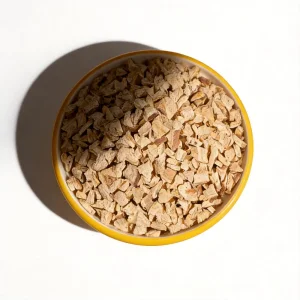
| Isolated Soy Protein Powder | Protein Assay ≥ 90% (Dry basis) | Spray-Dried Powder | FDA Certified, GMO-Free | Food Processing & Meat Formulation |
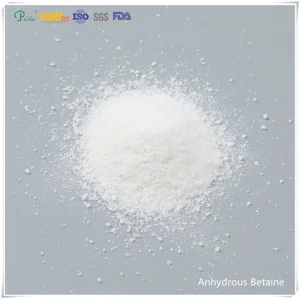
| Betaine Anhydrous 96% | ≥ 96.0% Betaine content | Free-flowing Crystals | FAMI-QS & ISO 9001 | Metabolic Enhancers & Feed Additives |
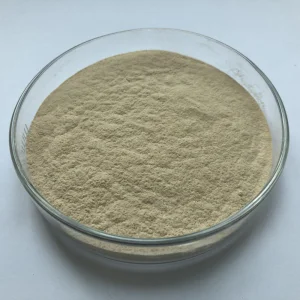
| CSL Powder 42% | 42% Solubles Amino Nitrogen | Dehydrated Powder | Eco-Agriculture Grade | Fermentation Medium & Crop Nutrition |
The intersections of biology, technology, and environmental responsibility are redefining how industrial buyers source organic and inorganic compounds.
Consumers are demanding complete transparency in their food and supplement supply chains. This pressure has translated to B2B buying teams, who prioritize GMO-Free certifications (such as in Soy Proteins) and natural preservation technologies to avoid chemical residues in the final products.
Coating technologies, including bio-degradable polyester resins, allow for highly controlled, time-released delivery of agricultural minerals. This approach prevents chemical lock-up in soil profiles and improves plant absorption, maximizing the ROI of intensive farming operations.
The consolidation of veterinary and clinical medicine requires faster, user-friendly diagnostics. Lightweight, automated hematology systems and centrifuge cards allow operators to secure lab-quality data in minutes, bypassing the delays of off-site central laboratories.
Expert technical answers to critical compliance, quality control, and export logistics questions.
Explore additional agricultural, mechanical, and bio-nutritional products engineered for high performance and stability.
 Lenavax Nutrition