Why are micronutrients essential for health? The answer begins with their size: vitamins and minerals are needed in tiny amounts, yet they support enormous biological tasks. Iron helps carry oxygen through the bloodstream. Iodine supports thyroid hormone production. Vitamin A protects vision and immune function, while zinc supports healing and cell growth. Small nutrients. Large consequences.
The World Health Organization reports that anaemia affects about 30% of women aged 15–49 and 37% of pregnant women worldwide, based on 2019 estimates. Iron deficiency is not the only cause, but the figures reveal a practical warning. A tired parent, a child struggling to concentrate, or brittle nails may reflect nutritional gaps, although symptoms require professional assessment. The FAO’s State of Food Security and Nutrition in the World 2024 estimated that 2.33 billion people experienced moderate or severe food insecurity in 2023. Food quantity does not always mean nutrient quality. A full plate can still lack variety.
Understanding why are micronutrients essential for health requires more than listing supplements. It requires looking at diet, age, pregnancy, medication use, absorption, and local food access. The National Institutes of Health Office of Dietary Supplements emphasizes that needs differ across life stages, and excessive intake can also cause harm. More is not automatically better. That point is easy to overlook. Reliable guidance should therefore connect laboratory evidence with everyday meals: beans and leafy greens, fortified grains, eggs, seafood, fruits, and dairy products where suitable. This article examines the science, risks, and realistic choices behind micronutrient health.
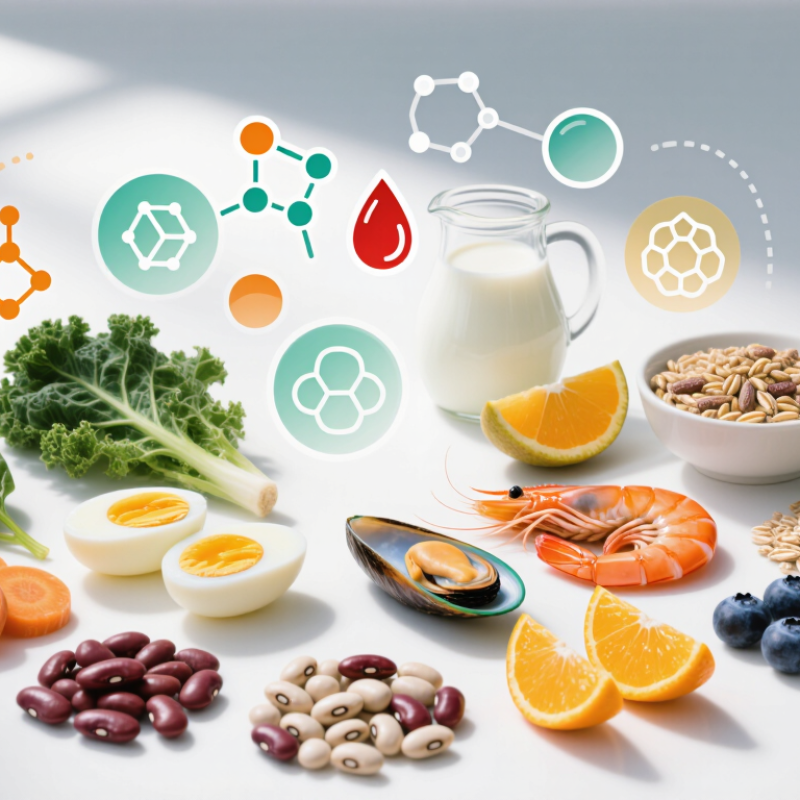
Micronutrients are vitamins and minerals required in small amounts, yet they support nearly every major body function. Vitamins help release energy, maintain tissues, and regulate immune activity. Minerals strengthen bones, carry oxygen, and support nerve signals. Their size is small. Their influence is not.
A bowl of lentils can provide iron and folate, while an orange adds vitamin C. Leafy greens offer vitamin K, and dairy foods can supply calcium. These nutrients work together, rather than acting as isolated ingredients. Vitamin C also helps the body absorb iron from plant foods. A varied plate often supports this cooperation better than a narrow diet.
Deficiency may develop quietly. Fatigue, slow healing, or frequent illness can have many causes, so symptoms should not be self-diagnosed. Excess can also be harmful, especially with concentrated supplements. More is not always better. Individual needs change with age, pregnancy, health conditions, and prescribed medicines. Reliable guidance from a qualified healthcare professional can clarify those differences. It is easy to focus on one nutrient after reading a dramatic health claim. That habit deserves reconsideration. Balanced food choices, appropriate testing, and evidence-based advice provide a safer foundation.
Micronutrients are needed in tiny amounts, but their effects are substantial. Iron carries oxygen, iodine supports thyroid hormones, and vitamin A helps maintain vision and immunity. Zinc supports wound healing, while folate helps produce healthy blood cells. These nutrients do not provide calories. They help the body use energy efficiently.
Major types include vitamins and minerals. Vitamin C comes from citrus fruit, berries, peppers, and broccoli. Vitamin A is found in eggs, dairy foods, and orange vegetables. Legumes, whole grains, meat, and leafy greens provide iron, magnesium, and folate. Iodized salt remains a practical iodine source, but excessive salt still raises health concerns. The Food and Agriculture Organization reported that 2.8 billion people could not afford a healthy diet in 2022. Affordable choices matter.
The World Health Organization estimates that anemia affects about 1.62 billion people worldwide, with iron deficiency contributing substantially (WHO, Anaemia Fact Sheet, 2023). This does not mean everyone needs an iron supplement. Absorption varies, especially between plant and animal sources. Vitamin C can improve absorption from beans and grains. Personal needs also change during pregnancy, adolescence, and illness. Nutrition advice is rarely perfect. I would review laboratory results and dietary habits with a qualified clinician before supplementing.
Major types of micronutrients and recommended daily amounts for healthy adults aged 19–50
Reference amounts are based on U.S. Recommended Dietary Allowances or Adequate Intakes. Units differ by nutrient and are shown in the chart tooltips.
Organic compounds needed for vision, immune function, energy metabolism, blood formation, and tissue maintenance. Sources include leafy greens, citrus fruits, eggs, legumes, fish, and fortified foods.
Inorganic elements that support bones, muscles, nerves, fluid balance, oxygen transport, and enzyme activity. Sources include dairy foods, beans, nuts, seeds, whole grains, seafood, and vegetables.
Micronutrients are required in small amounts, but inadequate intake can impair growth, immunity, cognition, blood production, and normal body function.
Data source: National Institutes of Health, Office of Dietary Supplements, and National Academies dietary reference values.
Micronutrients are small in quantity, but they direct essential body functions. Vitamins help release energy, maintain tissues, and regulate immune responses. Minerals support oxygen transport, nerve signals, muscle movement, and hormone production. Iron forms hemoglobin, while iodine helps produce thyroid hormones. Folate supports DNA production and healthy cell division. These roles are practical, not abstract: iron deficiency can make climbing stairs feel unusually difficult.
The World Health Organization reported that 30.7% of women aged 15–49 had anemia in 2021. Iron deficiency is one important contributor, although infections and other conditions also matter. The National Institutes of Health explains that calcium supports bones, muscles, and nerves. Vitamin D helps the body absorb calcium. These nutrients work as a network, rather than as isolated ingredients. A diet with vegetables, legumes, eggs, fish, dairy foods, nuts, and whole grains can provide useful variety.
Small choices matter.
Still, nutrition is not perfectly predictable. Soil quality, cooking methods, medication use, age, and pregnancy can change nutrient needs. I once assumed that a colorful plate guaranteed adequate intake, but that view was too simple. The 2024 State of Food Security and Nutrition in the World shows that billions of people still face limited access to nutritious foods. This makes micronutrient health a food-access issue, not merely a personal discipline issue. Professional guidance and appropriate testing are safer than guessing, especially when fatigue, numbness, or persistent weakness appears. (WHO, 2024; NIH Office of Dietary Supplements, 2024; FAO et al., 2024)
Selected adult reference intakes for generally healthy adults aged 19–50; requirements may vary by age, sex, pregnancy, lactation, and health status.
| Micronutrient | Primary Body Functions | Adult Recommended Intake | Food Sources | Potential Effects of Inadequate Intake |
|---|---|---|---|---|
| Vitamin A | Vision, immune defense, skin and epithelial tissue maintenance, and reproduction. | 900 mcg RAE/day for men; 700 mcg RAE/day for women. | Liver, eggs, dairy products, carrots, sweet potatoes, and dark leafy greens. | Night blindness, impaired immunity, and dry eyes or skin. |
| Vitamin C | Collagen formation, wound healing, antioxidant protection, and enhanced absorption of non-heme iron. | 90 mg/day for men; 75 mg/day for women. | Citrus fruits, berries, peppers, broccoli, tomatoes, and cabbage. | Fatigue, poor wound healing, bleeding gums, and scurvy in severe cases. |
| Vitamin D | Calcium absorption, bone mineralization, muscle function, and immune regulation. | 600 IU (15 mcg)/day for adults aged 19–70. | Fatty fish, egg yolks, fortified foods, and appropriate sunlight exposure. | Poor bone mineralization, muscle weakness, and increased risk of fractures. |
| Vitamin E | Protects cell membranes from oxidative damage and supports immune function. | 15 mg/day. | Nuts, seeds, vegetable oils, wheat germ, and spinach. | Nerve and muscle problems or impaired immunity, usually when deficiency is severe. |
| Vitamin K | Blood clotting and maintenance of healthy bones. | 120 mcg/day for men; 90 mcg/day for women. | Kale, spinach, broccoli, cabbage, and other leafy green vegetables. | Easy bruising, excessive bleeding, and reduced bone health. |
| Folate (Vitamin B9) | DNA synthesis, cell division, and formation of red blood cells. | 400 mcg DFE/day. | Leafy greens, beans, peas, asparagus, citrus fruits, and fortified grains. | Megaloblastic anemia, fatigue, and elevated risk of neural tube defects during pregnancy. |
| Vitamin B12 | Nerve function, DNA production, and red blood cell formation. | 2.4 mcg/day. | Fish, meat, poultry, eggs, dairy products, and fortified foods. | Anemia, numbness or tingling, balance problems, and cognitive changes. |
| Calcium | Bone and tooth structure, muscle contraction, nerve signaling, and blood clotting. | 1,000 mg/day for most adults aged 19–50. | Yogurt, milk, cheese, calcium-set tofu, sardines with bones, and fortified beverages. | Reduced bone density, muscle spasms, and increased fracture risk over time. |
| Iron | Hemoglobin production, oxygen transport, energy metabolism, and enzyme activity. | 8 mg/day for men; 18 mg/day for women aged 19–50. | Lean meat, seafood, beans, lentils, tofu, spinach, and fortified grains. | Iron-deficiency anemia, fatigue, weakness, and reduced concentration. |
| Magnesium | Energy production, nerve and muscle function, protein synthesis, and blood glucose regulation. | 400–420 mg/day for men; 310–320 mg/day for women. | Nuts, seeds, whole grains, beans, legumes, and leafy green vegetables. | Loss of appetite, weakness, muscle cramps, and abnormal heart rhythms in severe cases. |
| Zinc | Immune response, wound healing, DNA synthesis, growth, and taste perception. | 11 mg/day for men; 8 mg/day for women. | Meat, shellfish, dairy products, beans, nuts, and whole grains. | Frequent infections, slow wound healing, hair loss, and impaired taste or smell. |
| Iodine | Production of thyroid hormones that regulate metabolism, growth, and development. | 150 mcg/day. | Iodized salt, seafood, dairy products, and eggs. | Goiter, impaired thyroid function, and developmental problems in infants and children. |
| Selenium | Supports thyroid hormone metabolism, antioxidant defenses, and immune function. | 55 mcg/day. | Fish, seafood, meat, poultry, eggs, dairy products, and whole grains. | Muscle weakness, impaired immune function, and thyroid-related problems. |
| Potassium | Fluid balance, nerve transmission, muscle contraction, and maintenance of normal blood pressure. | 3,400 mg/day for men; 2,600 mg/day for women. | Potatoes, beans, bananas, tomatoes, squash, spinach, yogurt, and fish. | Muscle weakness, fatigue, constipation, and abnormal heart rhythms in severe cases. |
Note: RAE means retinol activity equivalents; DFE means dietary folate equivalents. A varied diet is the preferred way to obtain most micronutrients.
Why Are Micronutrients Essential for Health?
Health Effects of Micronutrient Deficiencies and Excesses
Micronutrients, including vitamins and minerals, support oxygen transport, immune defenses, nerve signals, and bone maintenance. The body needs them in small amounts, but small does not mean unimportant. Iron deficiency may cause fatigue, pale skin, headaches, and poor concentration. Low vitamin B12 can damage nerves before obvious symptoms appear. In children, inadequate iodine may impair development.
Deficiencies can develop through restrictive diets, poor absorption, chronic illness, or increased needs during pregnancy. They are not always visible. Someone may consume enough calories while lacking essential nutrients. The advice sounds simple, yet real diets are messy. Blood tests and a detailed health history often provide better evidence than symptoms alone. A qualified clinician should interpret results carefully, because one number rarely explains everything.
More is not automatically safer. Excess vitamin A may harm the liver, while too much iron can injure organs and cause severe stomach symptoms. High-dose supplements may also interact with medicines or hide another health problem. Food usually offers a safer nutritional pattern, but this is not a perfect rule. Some people genuinely need supplements under professional guidance. Precision matters more than guesswork.
Why Are Micronutrients Essential for Health?
How to Maintain Adequate Micronutrient Intake
Micronutrients support oxygen transport, immune defense, bone formation, and nerve function. The Lancet Global Health estimated that 56% of people worldwide had inadequate intake of at least one micronutrient in 2021. This finding shows that eating enough calories does not guarantee nutritional adequacy. Iron, folate, iodine, vitamin D, calcium, and vitamin B12 deserve particular attention during pregnancy, adolescence, aging, and restricted diets. The World Health Organization also reports that anemia affects about 30% of women aged 15–49 globally, with iron deficiency remaining a major contributor.
Variety is the most practical starting point. Build meals around vegetables, fruit, beans, whole grains, eggs, fish, dairy foods, nuts, or suitable alternatives. Include different colors, because food groups provide different nutrient profiles. Fortified foods can help when regular choices are limited. Supplement use should follow a documented need, medical advice, or laboratory evidence, especially for iron and fat-soluble vitamins. Cooking matters too. Long boiling can reduce vitamin C and some B vitamins, while steaming often preserves more nutrients. Real life is messier. I still think a simple meal pattern beats a perfect plan that nobody follows. Keep a short food record for several days, then review gaps with a qualified dietitian or clinician. National dietary guidelines and laboratory results can guide adjustments more reliably than social-media claims.
Micronutrients are vitamins and minerals needed in small amounts. Small amounts. Big effects. They support oxygen transport, immunity, nerves, bones, and energy use.
Citrus fruits, berries, peppers, and broccoli provide vitamin C. Fresh, colorful choices help. Vitamin C may also improve iron absorption from beans and grains.
Eggs, dairy foods, and orange vegetables contain vitamin A. Carrots and similar vegetables are practical options. Excess vitamin A can harm the liver, so more is not always better.
Beans, lentils, whole grains, meat, and leafy greens provide these nutrients. Pair beans with peppers or fruit. This may help the body absorb plant-based iron.
Yes. Calories do not guarantee nutritional adequacy. A person may eat large portions but miss iron, iodine, or vitamin B12. Restrictive diets and poor absorption can increase this risk.
Iron deficiency may cause fatigue, pale skin, headaches, or poor concentration. Low vitamin B12 can affect nerves before clear symptoms appear. Symptoms overlap. Blood tests and health history provide better evidence than guessing.
No. Supplement needs depend on diet, laboratory results, illness, pregnancy, and life stage. High-dose iron can injure organs and cause severe stomach symptoms. I would review the evidence with a qualified clinician. Guessing feels convenient, but it can backfire.
Long boiling can reduce vitamin C and some B vitamins. Steaming often preserves more nutrients. Keep meals varied. A short food record may reveal practical gaps better than memory. Perfect meal plans often fail in busy kitchens.
Micronutrients are vitamins and minerals that the body needs in small amounts but cannot produce sufficiently on its own. Understanding why are micronutrients essential for health begins with their role in supporting energy production, immune defense, bone strength, blood formation, nerve activity, and normal growth. Vitamins such as A, C, D, E, and the B group, along with minerals including iron, calcium, zinc, magnesium, and iodine, come from a varied diet containing vegetables, fruits, whole grains, beans, nuts, dairy products, eggs, and other nutrient-rich foods.
A lack of micronutrients may lead to fatigue, weak immunity, poor development, anemia, or weakened bones, while excessive intake—especially from unnecessary supplements—can also cause harmful effects. Maintaining adequate intake requires balanced meals, varied food choices, sensible preparation methods, and attention to individual needs. People with restricted diets or specific health conditions may benefit from professional dietary guidance. Overall, consistent, moderate, and diverse nutrition is the most reliable way to support the body’s essential functions.

Lenavax Nutrition