Balanced animal feed supports steady growth, sound body condition, and reliable production. It supplies energy, protein, fiber, vitamins, and minerals in proportions suited to an animal’s species, age, and workload. A dairy cow, a growing lamb, and a laying hen do not need the same ration. The right balance matters. It also changes over time.
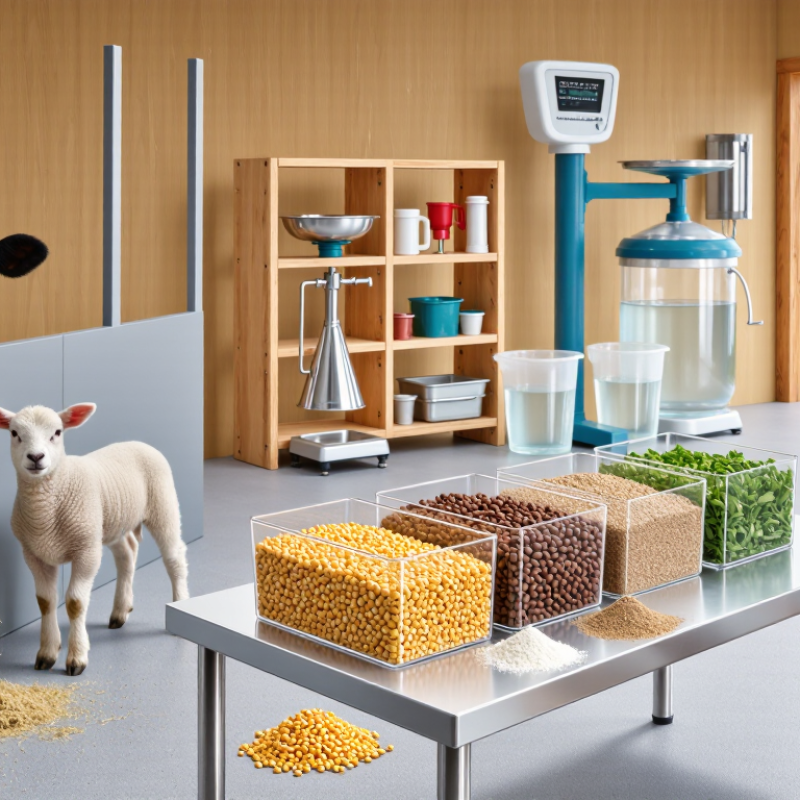
So, what is the importance of balanced animal feed? A well-planned ration can help animals use nutrients efficiently and reduce the risk of deficiencies or excesses. In a feed room, that may mean checking ingredient labels, weighing portions, and keeping clean water available—not guessing by sight. For grazing animals, pasture quality and seasonal changes also affect what the ration should provide. Small details count.
Good feeding decisions rely on observation as well as nutrition guidance. Monitor appetite, weight, coat or feather condition, and production, then review the ration when these change. A feed that worked last season may no longer fit. That is easy to miss. No single formula suits every farm, and even careful plans can need adjustment. Advice from a qualified veterinarian or animal nutritionist can help match feed to real needs and local ingredients. Balanced feeding is not a perfect checklist; it is an ongoing practice, guided by evidence, careful records, and the animals in front of you.
Balanced animal feed is not simply a mix of many ingredients. It supplies energy, protein, fats, vitamins, minerals, and water in proportions suited to a particular species. A ruminant can use fibrous forage that a cat cannot digest well. A growing puppy, laying hen, and mature horse also have different needs. One formula rarely fits all.
Life stage changes the balance. Young animals need nutrients for tissue and bone growth, while pregnant or nursing animals may need more energy and specific nutrients. Mature animals often need maintenance diets matched to their activity and body condition. For example, a working horse may need more usable energy than a lightly exercised one. Small changes matter. Too much calcium, protein, or energy can create problems, just as a shortage can. Feed labels help, but the animal’s appetite, manure, coat, weight, and growth provide useful clues. A sudden weight change deserves attention.
Good feeding also considers forage, treats, water access, and health conditions, not just the bag or scoop. Introduce diet changes gradually and seek advice from a veterinarian or qualified animal nutritionist when needs are uncertain. Even careful planning has limits. Individual animals do not always follow the chart, and that is worth checking rather than ignoring.
| Animal and life stage | Energy and protein considerations | Nutrients needing special attention | What balance supports |
|---|---|---|---|
| Adult dog — maintenance | Energy should match body size, activity, and condition. AAFCO adult-maintenance profiles specify a crude-protein minimum of 18% on a dry-matter basis, with nutrient values normalized to 4,000 kcal ME/kg dry matter. | Essential amino acids, fats, minerals, vitamins, and adequate water; avoid excess calories that can promote weight gain. | Maintaining healthy body condition, normal tissue upkeep, and everyday activity. |
| Puppy — growth | Growth requires sufficient energy and high-quality protein. The AAFCO growth-and-reproduction profile specifies a crude-protein minimum of 22.5% on a dry-matter basis, normalized to 4,000 kcal ME/kg dry matter. | Calcium and phosphorus must be appropriately balanced. Large-breed puppies need particular care with energy and mineral intake; excessive supplementation can be harmful. | Steady growth and development of muscle, bone, and other tissues. |
| Adult cat — maintenance | Cats have distinct dietary needs, including a higher protein requirement than dogs. The AAFCO adult-maintenance profile specifies a crude-protein minimum of 26% on a dry-matter basis, normalized to 4,000 kcal ME/kg dry matter. | Taurine is essential for cats. The diet also needs appropriate levels of animal-appropriate amino acids, fatty acids, vitamins, minerals, and water. | Maintaining body tissues and supporting normal vision, heart function, and metabolism. |
| Kitten — growth | Growth requires nutrient-dense food and sufficient energy. The AAFCO growth-and-reproduction profile specifies a crude-protein minimum of 30% on a dry-matter basis, normalized to 4,000 kcal ME/kg dry matter. | Taurine, essential fatty acids, and suitable calcium and phosphorus levels are important during development. | Healthy growth, tissue development, and maturation. |
| Laying hen — egg production | Feed energy and protein should support body maintenance and egg production, with intake considered alongside the bird’s age and production conditions. | Calcium demand is elevated for eggshell formation. The diet also needs appropriate phosphorus, amino acids, vitamins, and trace minerals. | Egg production, bird health, and formation of well-mineralized eggshells. |
| Broiler chicken — starter, grower, and finisher | Nutrient density is generally highest in the starter phase and adjusted as birds grow. Formulations vary with genetics, feed intake, environment, and production goals; one protein percentage is not suitable for every program. | Balance digestible amino acids, energy, minerals, and vitamins for each phase. Calcium and phosphorus must support skeletal development. | Appropriate growth and feed use while supporting bone development and overall health. |
Note: A balanced feed supplies nutrients in suitable amounts and proportions for the species, life stage, and energy intake. The dog and cat protein figures above are AAFCO profile minimums on a dry-matter basis, not feeding instructions or a complete recipe. Individual needs vary; use a feed formulated for the animal’s species and life stage and seek veterinary or qualified animal-nutrition advice when needed.
The minimums are 18% for adult dogs and 22.5% for growth, measured on a dry-matter basis.
Water changes the protein percentage shown on a label. Canned food may look lower than kibble because it contains more moisture.
No. Size, health, life stage, and digestion matter. One number cannot tell the whole story.
It needs suitable energy, fats, fiber, vitamins, and minerals. Clean water and proper housing matter too.
Nutrient needs shift with body weight, milk production, and pregnancy. Monitor intake and body condition; a fixed formula may not fit.
Laboratory tests can measure moisture, protein, fiber, and key minerals. Results help adjust a ration before an entire batch is used.
Forage maturity, grain moisture, and storage conditions can all change the mix. A sample from the top of a bin may not represent the feed.
More protein or minerals than animals need can increase feed costs and nutrient losses in manure. Less may be enough, but check the evidence.
Retest when ingredients or storage conditions change. Label samples with their source and date.
Not automatically. Sampling can be imperfect, so a surprising result may need a second sample and careful review.
Balanced animal feed provides the right amounts of energy, protein, minerals, and vitamins for an animal’s species, age, size, activity level, and life stage. Puppies, adult animals, breeding animals, and older animals have different nutritional needs, so a suitable ration should be matched to its intended purpose. For dogs, AAFCO nutrient profiles list minimum crude protein levels of 18% for adult maintenance and 22.5% for growth, measured on a dry-matter basis. These figures are useful reference points, but a complete diet must also supply other essential nutrients in appropriate proportions.
So, what is the importance of balanced animal feed? It supports healthy development, body condition, reproduction, and day-to-day function while helping animals use feed efficiently. Regular feed analysis can identify nutrient shortfalls or excesses and help keep rations consistent as ingredients vary. By adjusting the formula based on analysis and animal needs, producers and caregivers can reduce unnecessary waste and provide dependable nutrition across different species and life stages.

 Lenavax Nutrition