Trace minerals play a crucial role in our overall health. But what are trace minerals and why are they important? They are essential nutrients that our bodies need in small amounts. These minerals include iron, zinc, copper, selenium, and manganese. Each of these minerals supports various bodily functions, from immune health to cellular metabolism.
Despite their small quantities, the impact of trace minerals is significant. A deficiency can lead to serious health issues, such as weakened immunity or metabolic problems. Interestingly, many people overlook their importance. They focus on macronutrients while forgetting these vital minerals. This oversight can result in imbalances and health complications.
It’s essential to understand our body's need for these minerals. They help maintain the delicate balance within us. Yet, it’s easy to find yourself unaware of which minerals you might be lacking. Foods rich in trace minerals include nuts, legumes, and whole grains. However, dietary choices aren't always straightforward. It may be beneficial to examine your eating habits and identify any potential shortfalls. Understanding trace minerals can empower you to make better choices for your health.
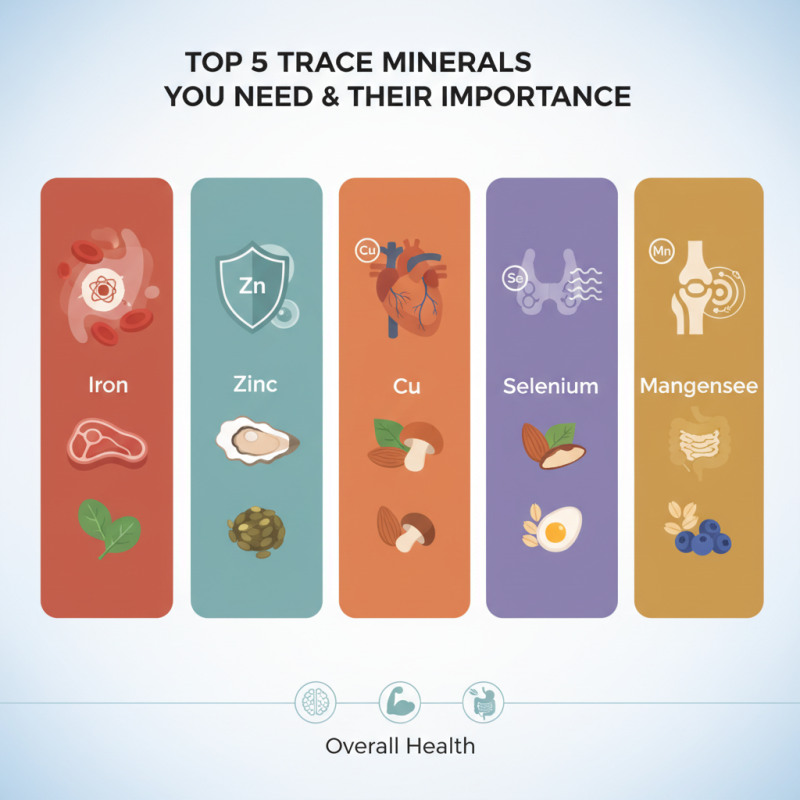
Top 5 Essential Trace Minerals and Their Functions in the Human Body
Trace minerals play a crucial role in our health. They are vital for various bodily functions. Here are five essential trace minerals and their significant roles.
Iron is key for oxygen transport in the blood. It helps in energy production and supports immune function. Without enough iron, fatigue can set in. Some sources include red meat and leafy greens.
Zinc supports immune health and protein synthesis. It's essential for wound healing and DNA synthesis. A deficiency might lead to hair loss or a weakened immune system. Foods rich in zinc include nuts, seeds, and whole grains.
Copper aids iron absorption and maintains healthy blood vessels. It contributes to collagen production and brain health. A lack of copper can cause cardiovascular issues. Foods high in copper include shellfish and seeds.
Manganese supports bone formation and metabolism. It plays a role in chemical reactions vital for antioxidant defense. A deficiency might affect bone density. Sources include whole grains, nuts, and leafy vegetables.
Selenium protects cells from oxidative stress. It has a role in thyroid function and immune response. Selenium deficiency can lead to various health concerns. Brazil nuts, fish, and eggs are excellent sources.
Tips: Include a variety of foods in your diet. This ensures you get enough trace minerals. Consult a healthcare professional for personalized advice.
Iron: The Vital Role of Oxygen Transport and Energy Metabolism
Iron is a trace mineral essential for human health. It plays a critical role in oxygen transport and energy metabolism in the body. Approximately 70% of the body's iron is found in hemoglobin, the protein in red blood cells that carries oxygen. According to the World Health Organization, iron deficiency affects around 1.62 billion people globally, particularly women and children. This deficiency can lead to anemia, which results in fatigue and reduced cognitive function.
The importance of iron cannot be overstated. It contributes to immune function and overall vitality. Research published in the journal Nutrients suggests that iron supplementation can improve the physical performance of athletes. Additionally, healthy energy metabolism relies on adequate iron levels. Without enough iron, your body cannot convert food into energy efficiently.
**Tip:** Consider incorporating iron-rich foods like spinach, lentils, and lean meats into your diet. It's also beneficial to combine these with vitamin C sources to enhance iron absorption.
Monitoring iron levels regularly is crucial. Individuals who experience fatigue or weakness may need to consult a healthcare provider for testing. Remember, while iron is vital, too much can lead to toxicity. Balance is the key to maintaining optimal health. For many, this is an ongoing challenge in their dietary routines.
Zinc: Supporting Immune Function and Enzymatic Reactions
Zinc is a vital trace mineral that plays multiple roles in human health. It is essential for immune function, supporting the body's ability to fend off infections. According to the National Institutes of Health, zinc deficiency can lead to increased susceptibility to pathogens. In fact, studies suggest that optimal zinc levels can reduce the duration of the common cold by 33%.
This mineral is also critical for various enzymatic reactions in the body. Zinc serves as a cofactor for over 300 enzymes, aiding in processes like digestion and metabolism. A 2020 report in the Journal of Nutrition highlighted that zinc deficiency can impair these enzymatic functions, potentially leading to metabolic disorders.
Despite its importance, many people do not get enough zinc. The World Health Organization estimates that approximately 17% of the global population is at risk of zinc deficiency. Focus on acquiring adequate amounts of zinc through dietary sources like beans, nuts, and whole grains. Regular monitoring of zinc levels can be beneficial for overall health, especially for those at higher risk.
Top 5 Trace Minerals You Need and Their Importance
| Mineral |
Importance |
Food Sources |
Recommended Daily Intake |
| Zinc |
Supports immune function and enzymatic reactions |
Meat, shellfish, legumes, seeds, nuts |
8-11 mg |
| Iron |
Essential for hemoglobin formation and oxygen transport |
Red meat, poultry, lentils, spinach |
8-18 mg |
| Copper |
Contributes to energy production and iron metabolism |
Shellfish, seeds, nuts, whole grains |
900 mcg |
| Selenium |
Antioxidant role and supports thyroid function |
Brazil nuts, seafood, grains |
55 mcg |
| Manganese |
Important for bone formation and metabolism |
Whole grains, nuts, leafy vegetables |
1.8-2.3 mg |
Copper: Importance in Iron Metabolism and Neurotransmitter Synthesis
Copper plays a vital role in our bodies. It is essential for iron metabolism, helping to utilize iron efficiently. Without enough copper, iron can't be absorbed properly. This can lead to anemia, causing symptoms like fatigue and weakness.
In addition to its role in iron absorption, copper is important for neurotransmitter synthesis. Neurotransmitters are crucial for brain function and mood regulation. A deficiency in copper can impact mental health, potentially leading to depression or anxiety.
Many people overlook copper, thinking it’s not necessary. However, its importance is clear. A balanced diet can help achieve the right copper levels. Foods like nuts, seeds, and whole grains are rich in this trace mineral. Without copper, the body struggles to function properly. Reflecting on our diets is essential; are we getting enough copper?
Selenium: Antioxidant Properties and Thyroid Hormone Regulation
Selenium is a vital trace mineral that plays a crucial role in human health. It has powerful antioxidant properties, helping to combat oxidative stress. This stress can lead to cellular damage and various diseases. By neutralizing harmful free radicals, selenium protects our cells, ultimately promoting overall health.
Beyond its antioxidant capacity, selenium is essential for thyroid hormone regulation. The thyroid gland controls metabolism, growth, and energy levels. Selenium is a key player in converting thyroid hormones into their active forms. Without sufficient selenium, thyroid function may decline, potentially leading to conditions like hypothyroidism.
However, optimizing selenium intake can be challenging. Too little selenium can cause health issues, while excess can be toxic. Striking the right balance is critical. It's essential to be mindful of dietary sources and supplement wisely. Regular check-ups and discussions with a healthcare provider are necessary for proper management of selenium levels.
Top 5 Trace Minerals You Need and Their Importance
Selenium is essential for its antioxidant properties and plays a key role in thyroid hormone regulation. Alongside it, other trace minerals like Zinc, Iron, Copper, and Manganese contribute significantly to various bodily functions and overall health. The chart reflects the importance of these trace minerals on a scale from 1 to 10.
Manganese: Contributions to Bone Health and Nutrient Metabolism
Manganese plays a crucial role in maintaining bone health and enhancing nutrient metabolism. It is essential for the formation of connective tissue, which includes bone and cartilage. Without sufficient manganese, bones may become weak or brittle over time. Additionally, this trace mineral helps in the absorption of calcium, promoting overall skeletal strength.
Manganese is also vital for energy production and antioxidant function. It participates in the metabolic processes of carbohydrates, proteins, and fats, helping convert them into energy. Moreover, its antioxidant properties protect cells from oxidative stress. Ensuring you obtain enough manganese through your diet is key to supporting these functions.
Tips: Consider including whole grains, nuts, and leafy greens in your meals. These foods are rich in manganese and can easily enhance your daily intake. Monitor your health, and consult a healthcare provider if you suspect a deficiency. Balancing your mineral intake is crucial, but remember that more manganese is not always better. It’s about finding the right amount for your body.
FAQS
: Zinc is crucial for immune function and helps the body fight infections.
It increases susceptibility to pathogens and can prolong the common cold.
Zinc acts as a cofactor for over 300 enzymes and aids in digestion and metabolism.
Around 17% of the global population may not get enough zinc.
Copper assists in iron metabolism and neurotransmitter synthesis, impacting mood and energy levels.
It may cause anemia and lead to mental health issues like depression.
Focus on dietary sources and consult with a healthcare provider for proper management.
Low selenium can impair thyroid function; excess selenium can be toxic.
It has antioxidant properties that combat oxidative stress and cellular damage.
Are we getting enough copper and selenium from our food sources?
Conclusion
Trace minerals are essential nutrients that the body requires in small amounts to maintain various physiological functions. In the article titled "Top 5 Trace Minerals You Need and Their Importance," the focus is on five crucial trace minerals: iron, zinc, copper, selenium, and manganese, each playing significant roles in human health.
Iron is vital for oxygen transport and energy metabolism, ensuring that our cells receive the necessary oxygen for various functions. Zinc supports immune function and enzymatic reactions, contributing to overall health and well-being. Copper is important for iron metabolism and the synthesis of neurotransmitters, which are essential for brain function. Selenium possesses antioxidant properties and helps regulate thyroid hormones, crucial for metabolic processes. Finally, manganese aids in bone health and nutrient metabolism, making it significant for maintaining a healthy body. Understanding what are trace minerals and why they are important underscores their role in sustaining our health and preventing deficiencies.

 Lenavax Nutrition