Understanding what is the role of minerals in nutrition begins with the body’s smallest daily demands. Minerals help build bones, carry oxygen, support nerve signals, balance fluids, and activate enzymes. Calcium gives structure to bones and teeth. Iron helps hemoglobin transport oxygen. Iodine supports thyroid hormone production, while zinc contributes to immune function and wound healing. These functions sound separate, but nutrition rarely works in isolated parts.
Robert P. Heaney, a respected physician and researcher in mineral metabolism, stated, “Nutrients are not drugs; their dose-response relationships are different.” This warning matters. More is not always better. Too little iron may contribute to fatigue, yet excessive iron can create health risks. Low iodine intake can affect thyroid function, while unnecessary supplementation may also cause harm. Context matters.
A practical view starts with food. A bowl of yogurt can provide calcium. Beans offer magnesium and iron. Iodized salt supplies iodine in small amounts. A varied plate often works better than a crowded supplement shelf. Still, this picture is incomplete. Soil quality, cooking methods, age, pregnancy, medications, and medical conditions can change mineral needs. Even reliable nutrition advice requires reflection, because individual responses are not identical.
This article will examine mineral functions, food sources, deficiency signals, absorption factors, and supplement safety. It will separate established evidence from popular claims. Readers should see minerals as essential tools, not miracle solutions. Small nutrients. Large consequences.
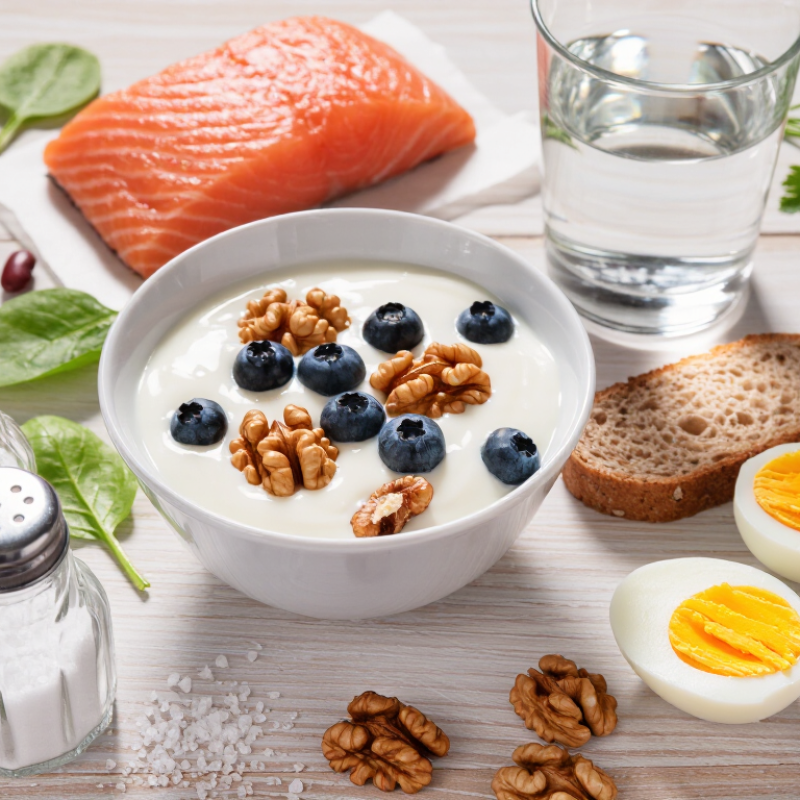
Minerals are naturally occurring inorganic elements that the body needs for structure, regulation, and daily chemical reactions. Unlike carbohydrates, fats, and proteins, they do not provide energy. They remain in soil, water, and foods, although cooking and processing can change their availability. Calcium helps build bones and teeth, while iron supports oxygen transport in the blood. Magnesium assists muscle and nerve function. Small amounts can matter greatly.
Nutrition science commonly classifies minerals as macrominerals or trace minerals. Macrominerals are needed in larger amounts, usually above 100 milligrams daily. This group includes calcium, phosphorus, magnesium, sodium, potassium, chloride, and sulfur. Trace minerals are required in smaller quantities, often below 100 milligrams daily. Iron, zinc, iodine, selenium, copper, manganese, fluoride, chromium, and molybdenum belong here. The labels describe quantity, not importance. A trace mineral is not a minor nutrient.
Some minerals also act as electrolytes. Sodium and potassium help manage fluid balance and support nerve signals, like tiny switches across cell membranes. A varied plate may provide them through leafy vegetables, beans, dairy foods, seafood, whole grains, and fruit. However, mineral content depends on soil, food preparation, and individual absorption. I once assumed “more” meant healthier. That was too simple. Excess sodium, iron, or other minerals may create problems, while deficiency can develop quietly. Personal needs also vary with age, health status, and medication use, so nutrition advice should be checked against reliable medical guidance.
Minerals are essential nutrients that support functions such as bone formation, fluid balance, and nerve signaling. They are commonly classified as major minerals and trace minerals, based on how much the body needs.
Daily intake reference values for men ages 19–30. Major minerals are generally needed in larger amounts; trace minerals are needed in smaller amounts. Values are in mg/day, shown on a logarithmic scale. Potassium is an Adequate Intake (AI); other values are Recommended Dietary Allowances (RDAs), except manganese, which is an AI. Individual needs can vary.
Minerals do not provide calories, yet they help the body use energy, move muscles, and transmit nerve signals. Magnesium participates in more than 300 biochemical reactions, according to the National Institutes of Health Office of Dietary Supplements. Potassium helps maintain fluid balance and supports normal muscle and nerve activity. Small changes can be felt. A cramping calf after heavy sweating may reflect fluid and electrolyte losses, although cramps have many causes.
Calcium gives bones structural strength. About 99% of the body’s calcium is stored in bones and teeth, the NIH reports. Iron helps red blood cells carry oxygen. The World Health Organization estimated that anemia affected 30% of women aged 15–49 worldwide in 2021. That figure makes iron status more than a personal fitness concern. It also shows why fatigue should not be self-diagnosed as iron deficiency.
Minerals also support immunity, thyroid activity, blood clotting, and cellular repair. Zinc contributes to DNA and protein synthesis, while iodine is needed for thyroid hormone production. The body needs these nutrients in precise amounts. More is not automatically better. Context matters. Dietary patterns, absorption, age, medications, and health conditions all matter. A food label cannot reveal everything. It may miss cooking losses or differences in absorption. WHO’s potassium guideline recommends at least 3,510 milligrams daily for healthy adults, but individual needs can differ. Nutrition is not perfectly tidy. That is precisely why evidence should guide decisions.
| Mineral | Major Body Functions | Representative Adult Daily Reference | Common Food Sources | Possible Effects of Inadequate Intake |
|---|---|---|---|---|
| Calcium | Builds and maintains bones and teeth; supports muscle contraction, nerve signaling, and blood clotting. | 1,000 mg/day for most adults; 1,200 mg/day for women aged 51–70 and adults over 70. | Milk, yogurt, cheese, calcium-set tofu, canned fish with bones, kale, and fortified foods. | Reduced bone density, muscle spasms, and increased risk of osteoporosis over time. |
| Phosphorus | Works with calcium in bones and teeth; helps produce energy and forms part of DNA, RNA, and cell membranes. | 700 mg/day for adults. | Fish, poultry, meat, dairy products, beans, lentils, nuts, and whole grains. | Weakness, bone pain, and impaired mineralization are possible, although deficiency is uncommon in healthy adults. |
| Magnesium | Supports more than 300 enzyme reactions, energy production, muscle and nerve function, and normal heart rhythm. | 400–420 mg/day for adult men; 310–320 mg/day for adult women. | Pumpkin seeds, almonds, spinach, beans, whole grains, and dark chocolate. | Loss of appetite, fatigue, muscle cramps, abnormal heart rhythms, and low levels of calcium or potassium. |
| Sodium | Maintains fluid balance and contributes to nerve impulses and muscle contraction. | Adequate intake: 1,500 mg/day for most adults; limit intake to less than 2,300 mg/day. | Table salt, breads, soups, sauces, preserved foods, and naturally occurring amounts in many foods. | Low blood sodium may cause headache, confusion, nausea, seizures, or coma in severe cases. |
| Potassium | Helps regulate fluid balance, nerve transmission, muscle contraction, and heart function. | 3,400 mg/day for adult men; 2,600 mg/day for adult women. | Potatoes, beans, bananas, tomatoes, leafy greens, yogurt, fish, and oranges. | Weakness, constipation, muscle cramps, and abnormal heart rhythms may occur. |
| Chloride | Maintains fluid and acid–base balance and forms hydrochloric acid needed for digestion. | Adequate intake: approximately 2,300 mg/day for adults. | Salt, seafood, olives, tomatoes, lettuce, and processed foods. | Muscle weakness, breathing difficulty, and disturbances in fluid or acid–base balance can occur in severe deficiency. |
| Iron | Enables oxygen transport through hemoglobin and myoglobin and supports energy metabolism and immune function. | 8 mg/day for adult men; 18 mg/day for premenopausal adult women. | Lean meat, seafood, poultry, lentils, beans, spinach, and iron-fortified grains. | Iron-deficiency anemia, fatigue, reduced concentration, and impaired immune function. |
| Zinc | Supports immune defense, wound healing, DNA and protein synthesis, growth, and taste and smell. | 11 mg/day for adult men; 8 mg/day for adult women. | Oysters, meat, poultry, dairy products, beans, nuts, and whole grains. | Poor wound healing, weakened immunity, hair loss, and changes in taste or smell. |
| Iodine | Is required to make thyroid hormones, which regulate metabolism, growth, and development. | 150 µg/day for adults. | Iodized salt, seafood, dairy products, and eggs. | Goiter, reduced thyroid function, and impaired brain development during pregnancy or infancy. |
| Selenium | Helps protect cells from oxidative damage, supports thyroid hormone metabolism, and contributes to immune function. | 55 µg/day for adults. | Brazil nuts, seafood, meat, poultry, eggs, and whole grains. | Muscle weakness and impaired immune or thyroid function may result from severe deficiency. |
| Copper | Supports iron metabolism, connective tissue formation, energy production, nervous system function, and antioxidant defenses. | 900 µg/day for adults. | Shellfish, liver, nuts, seeds, beans, whole grains, and dark chocolate. | Anemia, low white blood cell counts, bone abnormalities, and impaired nervous system function. |
| Manganese | Activates enzymes involved in metabolism, bone formation, blood clotting, and antioxidant protection. | 2.3 mg/day for adult men; 1.8 mg/day for adult women. | Whole grains, nuts, legumes, leafy vegetables, and tea. | Deficiency is rare but may affect bone formation and metabolism. |
| Fluoride | Strengthens tooth enamel and supports the mineral structure of bones. | Adequate intake: 4 mg/day for adult men; 3 mg/day for adult women. | Fluoridated water, tea, seafood, and foods prepared with fluoridated water. | Insufficient exposure can increase the risk of dental caries. |
| Chromium | Participates in nutrient metabolism and may help insulin action, although its essential role in humans is not fully established. | Adequate intake: 35 µg/day for adult men; 25 µg/day for adult women. | Whole grains, meats, broccoli, green beans, and some fruits. | Clear deficiency symptoms have not been firmly established in healthy individuals. |
| Molybdenum | Acts as a cofactor for enzymes involved in the metabolism of sulfur-containing amino acids and other compounds. | 45 µg/day for adults. | Beans, lentils, peas, whole grains, nuts, and dairy products. | Deficiency is extremely rare; severe cases may disrupt metabolism and neurological function. |
| Sulfur | Forms part of sulfur-containing amino acids, proteins, connective tissues, and several biologically active compounds. | No separate daily recommended intake; needs are generally met through dietary protein. | Meat, fish, eggs, dairy products, legumes, nuts, onions, garlic, and cruciferous vegetables. | Deficiency is not expected when adequate protein is consumed. |
Reference values are representative figures for healthy adults and can vary according to age, sex, pregnancy, lactation, health status, and national nutrition guidelines. A balanced diet usually provides a wide range of essential minerals.
Minerals support bones, blood, muscles, nerves, and fluid balance. Everyday foods can supply them without complicated meal plans. Calcium comes from milk, yogurt, cheese, calcium-set tofu, and fortified plant drinks. Canned fish with edible bones also contributes calcium. Leafy greens help, although their calcium is not always absorbed efficiently.
Iron appears in beef, poultry, seafood, lentils, beans, tofu, and fortified cereals. Plant-based iron is absorbed better with vitamin C foods, such as oranges, tomatoes, or bell peppers. Iodine is found in seafood, dairy products, eggs, and iodized salt. Sea salt is not automatically iodine-rich. That detail is easy to miss. Potassium comes from potatoes, beans, bananas, yogurt, tomatoes, and dried fruit. Magnesium is plentiful in pumpkin seeds, almonds, whole grains, legumes, and dark leafy vegetables.
Zinc supports immune function and wound healing. Oysters, meat, dairy foods, beans, and seeds provide it. Selenium is available in seafood, eggs, poultry, and some nuts, but amounts can vary greatly with soil conditions. I once thought a large salad covered most mineral needs. It did not. Food variety matters more than one “perfect” ingredient. People with kidney disease or other medical conditions may need to limit certain minerals. A registered dietitian can help tailor choices, especially when supplements enter the discussion.
Mineral needs change as the body grows, repairs tissue, and ages. The National Academies’ Dietary Reference Intakes report sets adult calcium needs at 1,000 milligrams daily. Women over 50 and men over 70 need 1,200 milligrams. A glass of milk, calcium-set tofu, or canned fish with bones can help meet that target. Still, food labels and serving sizes can mislead busy households.
Children need minerals for bones, blood, and brain development. The NIH Office of Dietary Supplements lists 11 milligrams of iron daily for boys aged 14–18, but 15 milligrams for girls of the same age. Menstruation partly explains this difference.
During pregnancy, iron needs rise to 27 milligrams daily. Iodine also increases, reaching 220 micrograms in pregnancy and 290 micrograms during lactation, according to the National Academies. These figures matter, but individual absorption varies.
Older adults face a different concern. Reduced appetite, dental problems, and some medicines may lower mineral intake. The NIH recommends 8 milligrams of iron daily for most adult men and postmenopausal women, compared with 18 milligrams for women aged 19–50. More is not automatically better. Excess supplements can interfere with absorption or cause harm. I have found that a “healthy” meal can still miss key minerals when portions are small. That gap deserves review with a qualified health professional, especially during pregnancy, adolescence, or chronic illness.
Minerals support nerve signals, muscle contraction, oxygen transport, and bone strength. Problems begin when intake stays too low or rises too high. The World Health Organization recommends less than 2,000 milligrams of sodium daily, equal to less than 5 grams of salt. Yet many adults regularly exceed this level through packaged meals and salty sauces. Excess sodium can increase blood pressure, while inadequate potassium may worsen that risk. The World Health Organization links excessive sodium intake to about 1.89 million deaths annually worldwide. That figure reflects population patterns, not an individual diagnosis.
Iron shows the opposite challenge. The NIH Office of Dietary Supplements lists 8 milligrams daily for most adult men and postmenopausal women, but 18 milligrams for many menstruating women. Low intake may cause tiredness, pale skin, or reduced concentration. Severe deficiency needs testing, not guesswork. Too much iron can damage organs, and the adult upper limit is 45 milligrams daily, according to the National Institutes of Health. Calcium also requires balance. The NIH reports an adult upper limit of 2,500 milligrams daily for ages 19–50. Higher amounts may increase kidney stone risk in some people.
More is not automatically better. A supplement can look harmless beside a kitchen sink, yet several products may repeat the same mineral. That detail is easy to miss. Personal needs change with pregnancy, kidney disease, heavy sweating, medicines, and diet. I would not treat a single food log as proof of deficiency. Blood tests and advice from a qualified clinician remain more reliable than dramatic claims online.
Minerals are natural, inorganic substances found in soil, water, and food. They do not provide calories. They support bones, blood, nerves, muscles, and chemical reactions.
Minerals are grouped as macrominerals or trace minerals. Macrominerals usually require more than 100 milligrams daily. Trace minerals often require less than 100 milligrams.
Calcium, phosphorus, magnesium, sodium, potassium, chloride, and sulfur are macrominerals. Calcium supports teeth and bones. Sodium and potassium help regulate fluids and nerve signals.
No. The classification describes quantity, not importance. Iron supports oxygen transport in blood, even in small amounts. A small need can still have major effects.
Leafy vegetables, beans, dairy foods, seafood, whole grains, and fruit can help. Calcium may come from milk, fortified tofu, or fish with edible bones. Food preparation can change mineral availability.
Teenagers need minerals for bones, blood, and brain development. Girls aged 14–18 may need 15 milligrams of iron daily. Boys of the same age may need 11 milligrams. Pregnancy raises iron needs to 27 milligrams daily.
Iodine supports normal development and thyroid-related functions. Pregnancy needs may reach 220 micrograms daily. Lactation needs may reach 290 micrograms. Individual needs can differ.
Reduced appetite, dental problems, and some medicines may lower mineral intake. Small portions can quietly create gaps. I once assumed a healthy meal was always enough. That was not reliable.
Yes. Excess sodium, iron, or supplements may cause harm. Some supplements can interfere with absorption. More is not automatically better. Check personal needs with a qualified health professional.
Understanding what is the role of minerals in nutrition helps explain why these inorganic nutrients are essential for health. Minerals are commonly classified as major minerals, needed in larger amounts, and trace minerals, required in smaller quantities. Despite these differences, both groups support vital functions, including strong bones and teeth, fluid balance, nerve communication, muscle movement, oxygen transport, energy production, and immune defense.
Key dietary minerals can be obtained from foods such as vegetables, fruits, beans, whole grains, nuts, seeds, dairy products, eggs, seafood, and lean meats. Mineral needs vary according to age, growth, pregnancy, physical activity, and overall health. A low intake may contribute to problems such as fatigue, weak bones, or impaired body function, while excessive intake can also be harmful and disrupt normal balance. A varied, balanced diet is therefore important for meeting mineral needs safely throughout life.

Lenavax Nutrition