As we approach 2026, understanding how to increase crop yield sustainably has become imperative. Agriculture faces mounting challenges, including climate change and population growth. These issues demand innovative solutions that respect our environment.
Farmers are seeking methods that not only enhance productivity but also preserve natural resources. Techniques like crop rotations, organic fertilizers, and precision agriculture may play significant roles. However, it's essential to recognize that these methods are not one-size-fits-all. Regional differences, soil types, and local climates all influence outcomes.
Sustainability also requires a shift in mindset. Farmers must accept that short-term gains can sometimes harm long-term productivity. Collaboration with agronomists and environmental scientists can provide insights into best practices. Research shows that integrating new technologies can maximize crop yields without harming ecosystems. Yet, there's still a long way to go to find the best pathways forward.
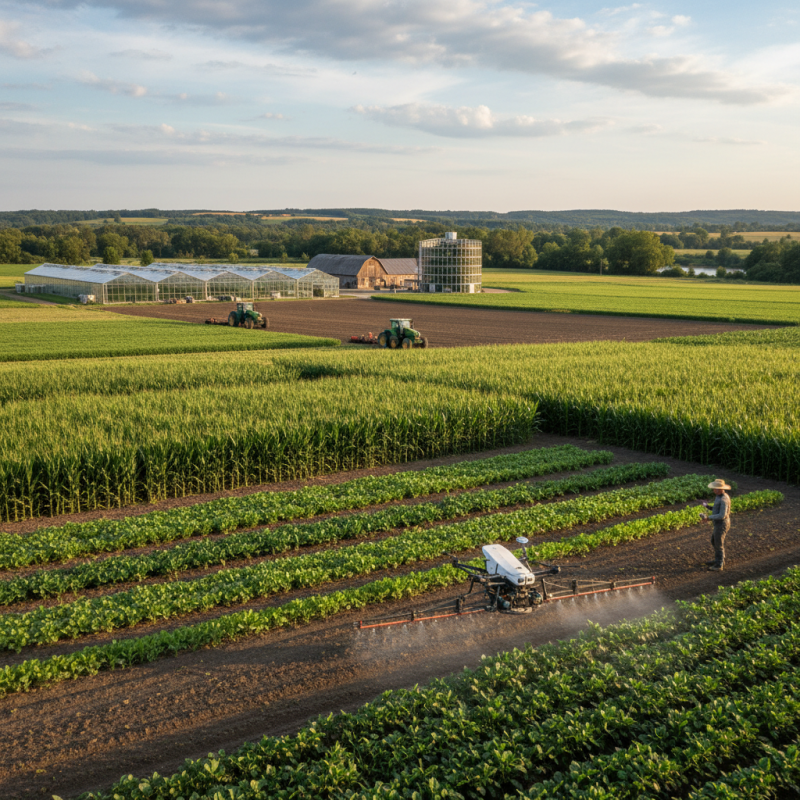
Innovative agricultural practices are crucial for enhancing sustainable crop yields by 2026. One effective method involves integrating agroecological principles, such as crop rotation and cover cropping. According to a report by the Food and Agriculture Organization (FAO), these practices can potentially increase yields by up to 30% while improving soil health. Diverse cropping systems enhance resilience against pests and diseases, reducing the need for chemical inputs.
Farmers are also turning to precision agriculture. Utilizing data analytics and remote sensing helps optimize resource use. A study from the International Society for Precision Agriculture found that precision methods can lead to an average yield increase of 15%. However, implementing technology can be challenging for small-scale farmers. Access to data and tools often remains limited.
**Tip:** Consider planting cover crops in off-seasons to enhance soil fertility. This practice not only curbs erosion but can also improve crop yields in the following season.
Moreover, community-supported agriculture (CSA) is gaining traction. This model connects consumers directly with local farmers. A report by the USDA noted that CSA farms often achieve higher profitability due to reduced distribution costs. However, the challenge lies in educating the public about the benefits of local produce.
**Tip:** Engage local communities through workshops to raise awareness about sustainable practices. Education is key to fostering a culture of sustainability in agriculture.
The integration of technology into sustainable farming is transforming agriculture. Drones now scout fields, identifying crop health and pest issues. This precise data helps farmers make informed decisions. Smart irrigation systems save water by delivering just the right amount to plants. These advancements contribute to higher productivity while conserving precious resources.
However, adopting these technologies isn’t without challenges. Many farmers face steep learning curves. Understanding new tools requires time and effort. Additionally, technology can be costly, posing a barrier for smaller farms. There’s a need for affordable solutions that cater to varying scales of operation.
Moreover, sustainability must remain a priority. Excessive reliance on tech could harm the ecosystem. It’s crucial to strike a balance between innovation and nature. By carefully integrating technology, farmers can boost yields while preserving the environment. This ongoing dialogue about tech use in farming will shape the industry’s future.
Soil health is crucial for enhancing crop yield. Farmers are increasingly adopting management techniques that focus on nurturing the soil. These methods include cover cropping, crop rotation, and organic amendments.
Cover crops, like clover or rye, prevent erosion and add nutrients back into the soil. Rotating crops disrupts pest cycles and improves soil structure.
Organic matter is key to soil vitality. Adding compost or manure enriches the soil. These additions boost microbial activity, which benefits plant growth. However, many farmers hesitate to shift from conventional practices. There's uncertainty about yield outcomes during the transition. Education about soil health can bridge this gap.
Challenging conventional approaches is vital. It requires a willingness to experiment and learn. Understanding local soil conditions is essential for success. Soil testing can help tailor practices effectively. Engaging with local agricultural experts can provide valuable insights. Each farm presents unique challenges that require thoughtful solutions.
Water conservation is a vital strategy for boosting crop yield sustainably. Farmers are increasingly turning to innovative practices. These practices help reduce water usage while maximizing agricultural output. Techniques such as drip irrigation and rainwater harvesting can significantly lower water waste. By directing water exactly where needed, crops thrive with minimal resource expenditure.
Tips: Set up a rainwater collection system. This way, you can use natural precipitation to hydrate your crops. Mulching is another efficient technique. It helps retain soil moisture and reduces evaporation.
As we explore water conservation methods, it's essential to recognize challenges. Not all farmers have access to advanced irrigation systems. Additionally, soil quality varies widely across regions. Therefore, understanding local conditions is crucial.
Tips: Conduct soil tests before planting. This helps determine what crops will thrive. Regular monitoring of water levels can prevent over-irrigation. It is a simple yet effective way to promote sustainability.
| Strategy | Description | Expected Yield Increase (%) | Water Savings (%) |
|---|---|---|---|
| Drip Irrigation | A method of watering crops by using a network of tubes and emitters, delivering water directly to the root zone. | 30 | 60 |
| Rainwater Harvesting | Collecting and storing rainwater for agricultural use, thus reducing the dependency on groundwater. | 25 | 50 |
| Mulching | Applying a layer of material on the soil surface to conserve moisture, suppress weeds, and improve soil health. | 15 | 30 |
| Soil Moisture Sensors | Using sensors to monitor soil moisture levels, enabling precise irrigation and water management. | 20 | 40 |
| Cover Crops | Planting crops that cover the soil, improving soil structure and reducing erosion while retaining moisture. | 18 | 25 |
Diversifying crop species is a vital strategy for enhancing resilience and boosting yields. According to a report by the Food and Agriculture Organization, monoculture practices can decrease soil health and increase pest vulnerabilities. By integrating various species, farmers can create a more balanced ecosystem. This approach not only improves soil fertility but also enhances biodiversity.
Some studies indicate that crop diversity can raise yields by up to 25%. Specific combinations, like legumes with cereals, provide essential nutrients back to the soil. This method reduces the need for chemical fertilizers. However, transitioning to diversified farming can pose challenges, such as the need for new knowledge and skills. Farmers may need training and resources for effective implementation.
There's also recognition of the potential risks involved. Short-term yields may initially dip as farmers adapt. Testing different species requires time, patience, and investment. However, the long-term benefits often outweigh these initial hurdles. Embracing crop diversity can help create a sustainable agricultural future, mitigating climate change impacts and securing food production for growing populations.
: These practices include crop rotation, cover cropping, and precision agriculture. They focus on sustainable methods.
Cover crops like clover prevent erosion and add nutrients. This practice also enhances soil fertility for future crops.
It uses data analytics to optimize resources. This method can increase yields but may challenge small farmers.
Healthy soil boosts microbial activity, enriching plant growth. Techniques like composting improve soil vitality.
Diverse crops enhance resilience, improve soil fertility, and reduce pest vulnerabilities. This approach supports sustainable farming.
Farmers often need training and resources. There may be temporary yield dips during the adaptation process.
Community engagement through workshops raises awareness. Educating consumers about local produce fosters sustainability.
Organic matter from compost enriches soil, enhancing crop performance. Many farmers hesitate to adopt these practices.
Education helps farmers understand soil conditions. This knowledge supports effective practice implementation for better yields.
Short-term yield decreases may occur as techniques are tested. However, the long-term benefits often outweigh these challenges.
In the quest for how to increase crop yield sustainably, various innovative agricultural practices are being explored. These methods focus on enhancing crop yields through sustainable means, such as integrating advanced technologies into farming operations that streamline processes and improve productivity. Additionally, effective soil health management techniques play a crucial role in boosting crop performance, ensuring that the land remains fertile and capable of yielding abundant harvests.
Moreover, implementing water conservation strategies is vital for supporting sustainable agriculture, particularly in areas facing water scarcity. Lastly, diversifying crop species not only enhances resilience against pests and climate variability but also contributes to increased yields. Together, these approaches represent a holistic strategy for sustainably boosting crop production by 2026 and beyond.

Lenavax Nutrition