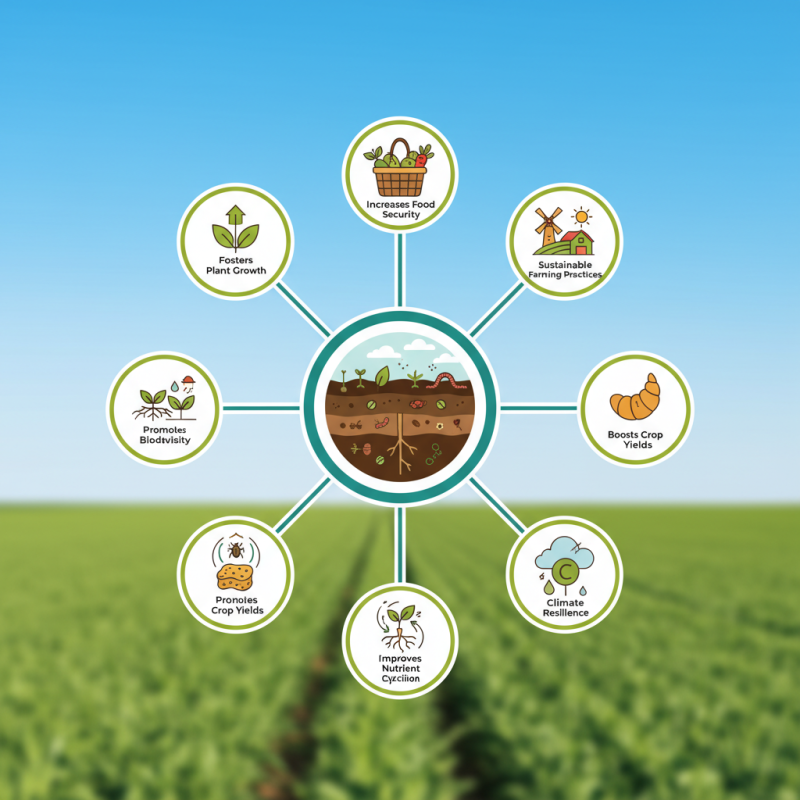
Soil health plays a pivotal role in agriculture. Healthy soil fosters plant growth, increases food security, and promotes sustainable farming practices. Understanding why is soil health important for agriculture begins with recognizing its impact on crop yields. When soil is rich in nutrients, plants can thrive, leading to abundant harvests.
Moreover, healthy soil promotes biodiversity. It supports various microorganisms that enhance nutrient cycling. This natural process improves soil structure and aids in water retention. However, many farmers may overlook soil management. They focus solely on the visible aspects of farming, missing out on the benefits of healthy soil.
In addition, soil health influences climate resilience. Healthy soils can sequester carbon, helping mitigate climate change. But without awareness, soil degradation can occur. This results in reduced productivity and increased vulnerability to extreme weather. Overall, the importance of soil health cannot be overstated. It is vital for sustainable agricultural practices and a secure future.
The Definition and Importance of Soil Health in Agriculture
Soil health plays a critical role in agriculture. It defines the capacity of soil to function within ecosystems. Healthy soil supports plant growth, retains water, and helps cycle nutrients. This balance is vital for crop yield and sustainability. Without healthy soil, productivity declines.
A variety of factors influence soil health. Organic matter, for instance, improves soil structure. It enhances aeration and water retention. However, many farmers neglect this aspect. They may focus solely on chemical inputs, which can harm the soil. Pests and diseases can rise in degraded soils. Farmers must understand the balance between synthetic and natural amendments.
Soil biodiversity is another essential component. Microorganisms and fungi break down organic materials. They foster nutrient availability for plants. Sadly, pollution and erosion threaten these communities. This leads to less fertile land and increased reliance on artificial fertilizers. Therefore, fostering soil health is crucial for long-term agricultural success. Investing in regenerative practices could yield better results.
Key Components of Healthy Soil: Nutrients, Structure, and Biology
Healthy soil is foundational to successful agriculture. Nutrients play a vital role in this ecosystem. Plants rely on nitrogen, phosphorus, and potassium to thrive. However, the balance of these nutrients is often disrupted. Over-fertilization can lead to runoff, harming water quality. Achieving optimal nutrient levels requires careful monitoring and soil testing.
Soil structure is another key component. Well-structured soil promotes water retention and root growth. It allows for better air circulation. Compacted soil can hinder plant development and lead to poor yields. Organic matter strengthens soil structure, creating habitats for beneficial organisms. Farmers need to incorporate compost and cover crops to enhance this aspect.
Lastly, the biology of soil cannot be overlooked. Microorganisms are essential for nutrient cycling. They break down organic matter and release nutrients for plants. However, harmful practices can diminish microbial diversity. Pesticides and monocultures often disrupt these natural systems. It's important for farmers to adopt sustainable practices that protect soil biology for long-term productivity.
10 Reasons Why Soil Health is Essential for Agriculture
| Reason |
Description |
| Nutrient Availability |
Healthy soil provides essential nutrients for plant growth, enhancing crop yield. |
| Water Retention |
Soil health improves water retention, reducing the need for irrigation. |
| Soil Structure |
Well-structured soil promotes root growth and enhances soil aeration. |
| Microbial Activity |
A diverse microbial community in healthy soil aids in organic matter decomposition. |
| Erosion Prevention |
Healthy soil reduces erosion, protecting agricultural land from degradation. |
| Biodiversity Support |
Healthy soils support a rich ecosystem, which is vital for pollination and pest control. |
| Carbon Sequestration |
Improved soil health promotes carbon storage, helping to mitigate climate change. |
| Crop Resilience |
Healthy soils enhance resilience to pests and diseases, leading to sustainable farming. |
| Economic Benefits |
Investing in soil health can result in lower input costs and higher crop yields. |
Impact of Soil Health on Crop Yields and Food Security
Soil health plays a crucial role in ensuring higher crop yields and enhancing food security. Healthy soil is rich in organic matter, nutrients, and a diverse microbial community. These factors significantly improve plant growth. When soil is well-maintained, crops can thrive, leading to better harvests. This benefits farmers and consumers by increasing food availability.
However, soil degradation poses a serious threat. Issues such as erosion, compaction, and pollution can diminish soil quality. As a result, crop yields may decline, leading to food shortages. In many regions, climate change exacerbates these conditions, making it essential to prioritize soil health.
Investing in soil management practices can reverse degradation. Techniques like crop rotation, cover cropping, and organic amendments can restore soil vitality. Farmers need tailored approaches that consider local conditions. Small changes can have significant impacts on food security. However, awareness and action at all levels are essential for sustainable outcomes. The challenge remains in maintaining soil health in a changing environment.
The Role of Soil Health in Sustainable Farming Practices
Soil health plays a crucial role in sustainable farming practices.
Healthy soil contributes to robust crop production, ensuring food security.
According to the Food and Agriculture Organization (FAO), sustainable soil management can increase crop yields by 20-30%.
This improvement is essential, especially as the global population is expected to reach 9.7 billion by 2050.
One effective practice is maintaining soil organic matter.
High organic matter improves water retention and supports beneficial microorganisms.
Farmers can use cover crops and crop rotations to enhance soil structure.
Research shows that well-managed soils can sequester carbon, helping to mitigate climate change.
Tips: Regular soil testing can inform essential nutrient management.
Farmers should consider integrating diverse planting strategies.
Continuous learning from local extension services can also keep practices up to date.
Sustainable soil management is a learning process.
Assessing and adjusting approaches can lead to improved long-term soil health.
Strategies for Improving and Maintaining Soil Health in Agriculture
Soil health is critical for sustainable agriculture. Strategies to improve and maintain it are various and essential. Cover cropping is one effective method. This practice enhances soil structure and fertility. According to the USDA, cover crops can increase organic matter by up to 2,000 pounds per acre per year. This improves moisture retention and nutrient availability.
Another strategy is crop rotation. Rotating different crops helps prevent pest buildup and soil degradation. Research shows that diverse crop rotations can increase yields by 20% compared to monoculture systems. Additionally, integrating compost can enrich the soil microbiome, leading to healthier plants. Compost boosts beneficial microorganisms, improving nutrient cycling and reducing the need for chemical fertilizers.
Despite these strategies, challenges persist. Many farmers face barriers such as limited access to resources or knowledge about soil management. There is a need for increased education and support to promote better practices. Investment in soil health research is crucial. Strong, healthy soils are vital to ensure the resilience of agriculture against climate change and market fluctuations.
Conclusion
Soil health is a crucial aspect of agriculture, defined by its nutrient content, structure, and biological diversity. Understanding why soil health is important for agriculture is essential, as it directly affects crop yields and food security. Healthy soil contributes to robust plant growth by providing necessary nutrients and facilitating water retention, leading to increased agricultural productivity.
Furthermore, maintaining soil health is vital for sustainable farming practices. It not only supports biodiversity but also helps in mitigating environmental issues such as erosion and nutrient runoff. To improve and sustain soil health, farmers can adopt various strategies, including crop rotation, cover cropping, and the use of organic amendments. By prioritizing soil health, the agricultural sector can ensure both current and future food security while promoting sustainable land management practices.

 Lenavax Nutrition