Why is Soil Health Crucial for Sustainable Agriculture?

Time:2026-09-04 Author:Charlotte
0%

Soil health is a critical component of sustainable agriculture. It determines crop yield and quality and underpins ecosystem resilience. According to the Food and Agriculture Organization (FAO), improving soil health can boost agricultural production by up to 58%. This statistic highlights why soil health is important for agriculture.

Healthy soils support diverse microorganisms that enhance nutrient cycling. A study from the National Academy of Sciences indicates that healthy soils can sequester carbon, reducing greenhouse gas emissions. However, many agricultural practices degrade soil health. Excessive tillage, chemical fertilizers, and monoculture policies can deplete soil nutrients. Farmers face a dilemma: how to increase productivity while maintaining soil vitality.

The United Nations estimates that we have lost one-third of the world’s arable land in the last 40 years due to soil degradation. This alarming trend stresses the urgent need for sustainable practices. Innovations like cover cropping and reduced tillage can restore soil health. However, these strategies require a shift in mindset. Farmers must recognize that healthy soil is not just a foundation for crops; it is essential for the future of food security. The conversation around soil health is ongoing, and it may take time to embrace sustainable practices fully. But the stakes are high, and the evidence is clear.
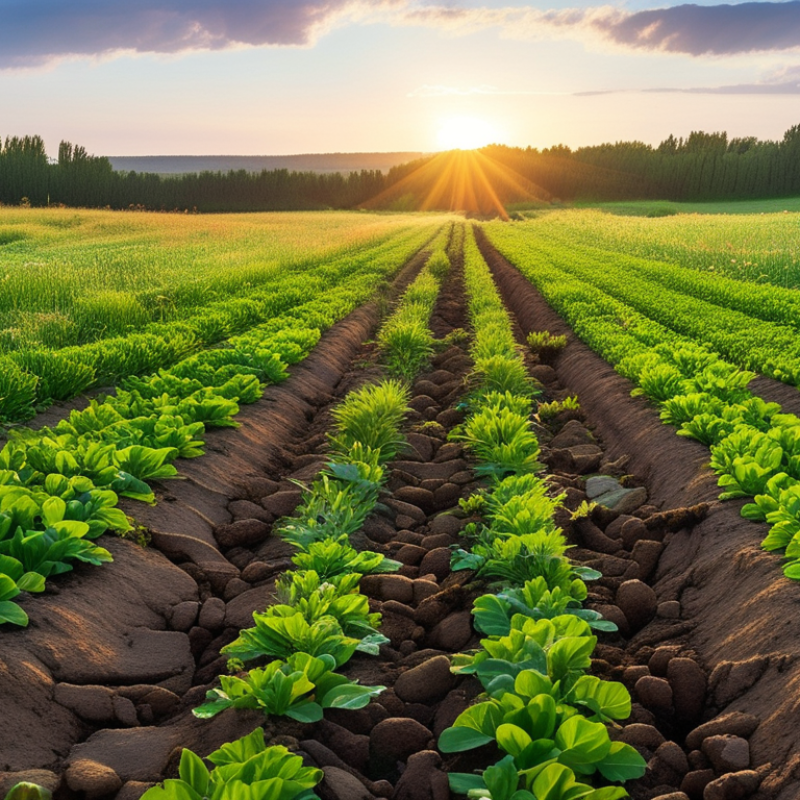
Why is Soil Health Crucial for Sustainable Agriculture?

Importance of Soil Health in Agriculture

Soil health plays a vital role in agriculture. Healthy soil supports more than just plants. It is a complex ecosystem that influences water quality, nutrient cycling, and carbon storage. A balanced microbiome in the soil can enhance crop resilience to pests and diseases. This results in improved yields and reduced reliance on chemical inputs. Farmers who prioritize soil health often see greater long-term sustainability in their practices.

Organic matter in the soil is crucial. It improves soil structure, contributes to moisture retention, and provides nutrients. But many farmers ignore this aspect. Soil degradation occurs due to over-tillage and chemical fertilizers. This deteriorates soil quality and impacts crop growth. Some farmers may need to reflect on their methods. Long-term benefits require changes in management practices.

Promoting biodiversity within soil can lead to healthier crops. Cover crops and reduced tillage methods are key strategies. They protect the soil from erosion and nutrient loss. However, implementing these practices takes time and commitment. It is essential to acknowledge that not all approaches work universally. Different regions present unique challenges that require tailored solutions. Effectively managing soil health often involves trial and error.

Key Factors Affecting Soil Health

Soil health is essential for sustainable agriculture. Several key factors influence it, including organic matter, soil structure, and nutrient availability. Organic matter enriches the soil, providing nutrients and improving water retention. Without adequate organic matter, crops may struggle to thrive.

Soil structure affects aeration and drainage. Compacted soil hinders root growth and limits the movement of air and water. Farmers must regularly assess soil structure. Practices like minimal tillage can improve aeration, ensuring healthier root systems.

Here are some practical tips for maintaining soil health. Start by incorporating cover crops into your rotation. They enhance organic matter and prevent erosion. Regularly testing soil pH can help you understand nutrient availability. Adjusting pH levels keeps crops healthy. Monitoring moisture levels is crucial. Overwatering can lead to soil degradation, while drought stress has its own consequences. Sustainable management practices create resilient soil systems.

Impact of Soil Degradation on Farm Productivity

Soil degradation directly impacts farm productivity. Healthy soil supports plant growth and ensures better yields. When soil health declines, crops struggle to thrive. This leads to lower harvests and reduced economic returns for farmers. Studies show that degraded soil can reduce agricultural output by up to 50%. This is alarming for food security.

The loss of essential nutrients in soil affects crop quality. Compacted soil makes it harder for roots to penetrate, limiting access to water and nutrients. Erosion removes the top layer, which is rich in organic matter. As a result, farmers face increased costs for fertilizers and irrigation. In extreme cases, land may become unusable.

Sustainable practices are crucial in reversing these trends. Rotating crops and using cover crops can restore soil nutrients. However, many farmers struggle to adopt these methods due to short-term economic pressures. Education and support are key in promoting long-term benefits. The journey to healthier soil demands commitment and reflection on current farming practices.

Impact of Soil Degradation on Farm Productivity

Practices to Enhance Soil Health

Soil health plays a vital role in sustainable agriculture. It provides nutrients for crops and supports biodiversity. Implementing practices to enhance soil health can significantly improve agricultural outcomes. Crop rotation is one effective method. By alternating crops, farmers can break pest cycles and enrich the soil with various nutrients.

Another practice is cover cropping. This technique involves planting crops that are not harvested, which prevents soil erosion and enhances organic matter. Cover crops also help fix nitrogen in the soil, making it more fertile. Incorporating organic materials, such as compost or manure, boosts soil structure and microbial activity. These efforts create a healthier environment for plants to thrive.

Tips for farmers include regularly testing soil health to identify nutrient deficiencies. Utilizing minimal tillage can reduce disturbance and maintain soil structure. Observing crop performance can provide insights into soil conditions. Experimenting with different crops and cover species can lead to better soil resilience over time. Embracing these practices contributes to long-term sustainability in agriculture.

Long-Term Benefits of Healthy Soil for Sustainable Agriculture

Soil health plays a fundamental role in sustainable agriculture. Healthy soil teems with life. It is home to countless microorganisms, fungi, and insects. These elements work together to improve nutrient cycling and enhance soil structure. When soil is rich in organic matter, it retains moisture more effectively. Farmers see reduced irrigation needs, leading to resource savings.

With time, investing in soil health yields long-term benefits. Healthier crops resist pests and diseases better. This resilience reduces the dependence on chemical fertilizers and pesticides. An interesting observation is that diverse crops in healthy soil can yield more. Farmers often perceive these benefits only after years of practice, which can be frustrating.

Many farmers face challenges in shifting traditional practices. They may not witness immediate results. The transition is slow and requires patience. However, the long-term vision must focus on a thriving ecosystem. A commitment to healthy soil is a commitment to future sustainability. Balancing short-term gains with long-term health is difficult but essential.

FAQS

: Why is soil health important in agriculture?

: Soil health supports plants, influences water quality, and enhances nutrient cycling.

How does healthy soil affect crop yields?

Healthy soil leads to improved resilience against pests, resulting in better yields.

What role does organic matter play in soil health?

Organic matter improves soil structure, retains moisture, and provides essential nutrients.

What causes soil degradation?

Over-tillage and chemical fertilizers degrade soil quality, negatively impacting crop growth.

How can farmers promote biodiversity in soil?

Using cover crops and reduced tillage techniques can enhance soil biodiversity.

Why is it challenging to implement soil health practices?

Different regions have unique challenges. Not all methods work universally.

What are the long-term benefits of investing in soil health?

Healthier soil leads to reduced irrigation needs and can enhance crop resilience.

Why do some farmers resist changing traditional practices?

Immediate results are often lacking, making transitions slow and frustrating.

What must farmers focus on for future sustainability?

A commitment to healthy soil and balancing short-term gains with long-term ecosystem health is essential.

What is a common misconception about soil health practices?

Some farmers expect quick results, while true benefits take time and patience to realize.

Conclusion

Soil health is a fundamental aspect of sustainable agriculture, significantly influencing crop productivity and ecosystem balance. Understanding why soil health is important for agriculture involves recognizing the critical role it plays in nutrient availability, water retention, and biodiversity support. Key factors affecting soil health include organic matter content, soil structure, microbial activity, and the presence of contaminants. When soil degrades, the negative impact on farm productivity becomes evident, leading to reduced crop yields and increased vulnerability to pests and diseases.

To mitigate these risks, various practices can be implemented to enhance soil health, such as crop rotation, cover cropping, and reduced tillage. These practices not only improve soil quality but also provide long-term benefits, such as greater resilience to climate change and improved ecosystem services. Ultimately, prioritizing soil health is essential for achieving sustainable agricultural systems that can support both present and future generations.

Charlotte

Charlotte

Charlotte is a seasoned marketing professional with a deep understanding of the company's portfolio and a passion for elevating its presence in the market. With a keen eye for detail and a commitment to excellence, she ensures that our professional blog is regularly updated with insightful articles......