How Does Plant Based Protein Measure Up to Animal Protein?

Time:2026-07-26 Author:Ethan
0%

The rising popularity of plant-based diets prompts the question: how does plant based protein compare to animal protein? According to a 2022 report by the Good Food Institute, the plant-based protein market has surged by over 27% since 2020, reflecting growing consumer interest in healthier, sustainable diets. Renowned nutrition expert Dr. Mark Hyman states, "Plant proteins can offer a complete amino acid profile, provided you choose wisely." This emphasizes the importance of informed choices in plant protein sources.

Animal protein has long been regarded as the gold standard for muscle growth and recovery. However, recent studies indicate that plant proteins can provide comparable benefits. Research from the American Journal of Clinical Nutrition finds that diets rich in plant protein can reduce the risk of chronic diseases, challenging the notion that animal protein is superior. Yet, some critiques argue that plant proteins may lack certain essential nutrients found in animal sources.

As the conversation evolves, it becomes crucial to evaluate the nutritional adequacy of both protein types. This comparison highlights the need for balanced diets. A shift toward plant-based options can foster health benefits, but ongoing scrutiny of nutrition adequacy is essential. Understanding how does plant based protein compare to animal protein is a complex but necessary journey.
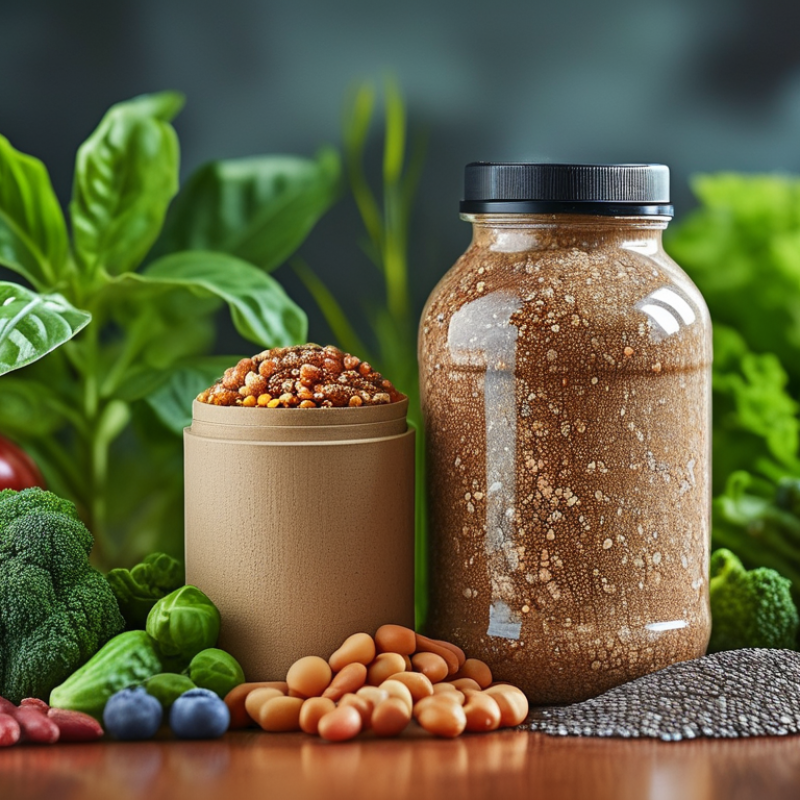
How Does Plant Based Protein Measure Up to Animal Protein?

Comparison of Amino Acid Profiles in Plant and Animal Proteins

When comparing plant-based protein to animal protein, amino acid profiles are crucial. Animal proteins, such as eggs and meat, typically boast a complete amino acid profile. This means they provide all essential amino acids that the body cannot produce on its own. These proteins are often hailed for their efficiency in muscle repair and growth.

In contrast, many plant proteins, like beans and lentils, are often incomplete. They may lack one or more essential amino acids. However, some plants, such as quinoa and soy, offer complete profiles. Combining different plant sources can create a balanced intake. For instance, rice and beans together can provide a full range of amino acids.

This variability raises questions. Are plant proteins sufficient for everyone? Some individuals may struggle to meet protein needs with plants alone. Dietary preferences and allergies also complicate the equation. More research is needed to understand the long-term health impacts of various protein sources. Balancing plant and animal proteins might be the best approach for many.

Digestibility and Bioavailability: A Closer Look at Protein Sources

When examining digestibility and bioavailability, plant-based proteins and animal proteins present distinct differences. Animal proteins usually offer higher digestibility rates. Foods like eggs and dairy proteins are examples. These sources contain all essential amino acids in ideal proportions. This makes them efficient for muscle repair and growth.

On the flip side, plant proteins may not deliver the same complete amino acid profile. Yet, they provide additional benefits. Many plant-based sources, such as beans and lentils, are rich in fiber. Fiber aids digestion and enhances gut health. Their amino acids can be less available for body use, requiring careful combinations. For instance, pairing rice with beans can create a more complete protein.

Understanding these differences requires reflection. Some may find it challenging to meet protein needs solely through plants. Others may thrive on a diet rich in them. The best choice often depends on individual dietary preferences and health goals. Balancing these factors is crucial.

How Does Plant Based Protein Measure Up to Animal Protein?

Protein Source Digestibility (%) Bioavailability Index Essential Amino Acids (EAA) Score
Whey Protein 98 104 100
Casein Protein 97 94 100
Egg Protein 97 100 100
Soy Protein 95 84 91
Pea Protein 87 62 86
Rice Protein 83 52 80

Nutritional Benefits: Vitamins and Minerals in Plant vs. Animal Proteins

When comparing plant-based protein to animal protein, it's essential to examine their nutritional benefits. Plant proteins, such as beans and lentils, often contain a wide range of vitamins and minerals. A study published in the Journal of Nutrition found that plant-based diets provide greater amounts of magnesium and potassium than diets heavy in animal protein. These nutrients are crucial for maintaining heart health and regulating blood pressure.

On the other hand, animal proteins, such as meat and dairy, offer certain essential nutrients often less prevalent in plants. They are typically rich in vitamin B12, which is vital for nerve function and blood cell formation. Research from the National Institutes of Health indicates that nearly 10% of adults are B12 deficient, a concern for those on a strict plant-based diet.

It's worth noting that while plant proteins are rich in fiber, they can be lower in certain amino acids compared to animal sources. This can make it challenging for those who rely exclusively on plants to get enough complete proteins. As diets evolve, ongoing research will clarify how best to balance these nutritional sources.

Environmental Impact: Sustainability of Plant-Based vs. Animal Agriculture

The environmental impact of agriculture is a pressing topic. Plant-based agriculture generally has a lower carbon footprint than animal agriculture. According to a report by the Food and Agriculture Organization, livestock production contributes to 14.5% of global greenhouse gas emissions. In contrast, legumes, grains, and vegetables often require fewer resources. For instance, producing a kilogram of beef emits about 27 kilograms of CO2, while growing a kilogram of lentils emits only 0.9 kilograms.

Water usage is another critical factor. The Water Footprint Network highlights that producing animal protein can require up to 15 times more water than plant protein. For example, it takes around 15,000 liters of water to produce one kilogram of beef. In comparison, legumes only need about 2,000 liters for the same amount. This discrepancy raises questions about resource allocation.

However, transitioning to plant-based diets isn't straightforward. Some regions rely heavily on animal agriculture for livelihood. Furthermore, monoculture practices in plant farming can lead to biodiversity loss. The shift requires a balanced approach that considers both environmental sustainability and social equity. Seeking solutions that address these challenges is essential for progress.

Health Considerations: Cardiovascular and Chronic Disease Risks in Protein Types

Plant-based proteins have gained popularity in recent years, especially for their potential health benefits. Research suggests that these proteins can lower the risk of cardiovascular diseases. A diet rich in plant proteins, such as beans and lentils, often contains less saturated fat. This can translate to better heart health compared to diets high in animal proteins, particularly red and processed meats.

However, it’s essential to recognize that not all plant proteins are created equal. While some offer excellent nutritional profiles, others may lack certain essential amino acids. This could lead to deficiencies if relied upon exclusively. Animal proteins typically provide a complete amino acid profile, which can be beneficial for muscle repair and overall health. It's crucial to balance intake from both sources for optimal nutrition.

Some studies point to concerns with excessive red meat consumption, linking it to chronic diseases. Yet, the context matters—how the meat is prepared and consumed can impact health outcomes. People may need to rethink their protein sources mindfully. Considering individual health needs and preferences is vital for making the right dietary decisions.

FAQS

: What is the digestibility of animal proteins compared to plant proteins?

: Animal proteins generally have higher digestibility rates. Eggs and dairy are examples of highly digestible sources.

Are all plant proteins equally beneficial?

No, not all plant proteins are equal. Some lack essential amino acids and need careful combinations for balance.

How can plant proteins benefit gut health?

Plant proteins, like beans and lentils, are high in fiber. Fiber improves digestion and supports overall gut health.

Can a plant-based diet meet all protein needs?

It can be challenging for some individuals. Others may find success on a completely plant-based diet.

What are the cardiovascular benefits of plant proteins?

Plant proteins can lower heart disease risk. They typically contain less saturated fat than animal proteins, especially red meat.

Should I avoid all animal proteins?

Not necessarily. Animal proteins offer complete amino acids. A balanced intake from both sources is often best.

What risks are associated with red meat consumption?

Excessive red meat can lead to chronic diseases. Preparation methods also influence health outcomes.

How can individuals choose the right protein sources?

Rethinking protein sources is vital. Consider personal health needs, dietary preferences, and nutritional goals.

What is the importance of combining protein sources?

Combining rice with beans can create complete proteins. This ensures all essential amino acids are available.

Do health studies always agree on protein types?

No, research can vary. Context of protein consumption significantly affects health outcomes and recommendations.

Conclusion

The article "How Does Plant Based Protein Measure Up to Animal Protein?" explores various aspects of protein sources, emphasizing the differences and similarities between plant and animal proteins. It begins with a comparison of amino acid profiles, highlighting that animal proteins typically provide all essential amino acids, while some plant proteins may lack certain ones. The digestibility and bioavailability of these proteins are then discussed, with animal proteins generally being easier for the body to absorb.

Nutritional benefits are also examined, revealing that while animal proteins are rich in certain vitamins and minerals, plant proteins offer additional fiber and antioxidants. The environmental impact of protein sources is addressed, showcasing the sustainability advantages of plant-based agriculture over animal farming. Finally, the article considers health implications, noting that plant proteins may pose lower risks for cardiovascular and chronic diseases. Overall, it provides a comprehensive look at how does plant based protein compare to animal protein across multiple dimensions, fostering a deeper understanding of dietary choices.

Ethan

Ethan

Ethan is a seasoned marketing professional with a deep expertise in our company's innovative product line. With a passion for sharing knowledge and insights, he takes the lead in regularly updating our corporate blog, where he explores industry trends, product features, and effective marketing......