The debate over protein sources is evolving as more individuals embrace plant-based diets. According to a 2021 report by the Plant Based Foods Association, the plant-based protein market surged by 27% in the previous year. Consumers are increasingly curious about how does plant based protein compare to animal protein.
Animal protein has long been hailed for its complete amino acid profile. However, a 2020 study published in the American Journal of Clinical Nutrition shows that plant proteins can offer comparable benefits. They provide essential nutrients while also being lower in saturated fats and cholesterol.
Yet, not all plant proteins are created equal. Some, like quinoa and soy, are complete proteins, while others may lack certain amino acids. This can lead to nutritional gaps. As the trend toward plant-based diets grows, it's important to consider these factors carefully. Understanding the nuanced differences can guide healthier dietary choices in this evolving landscape.
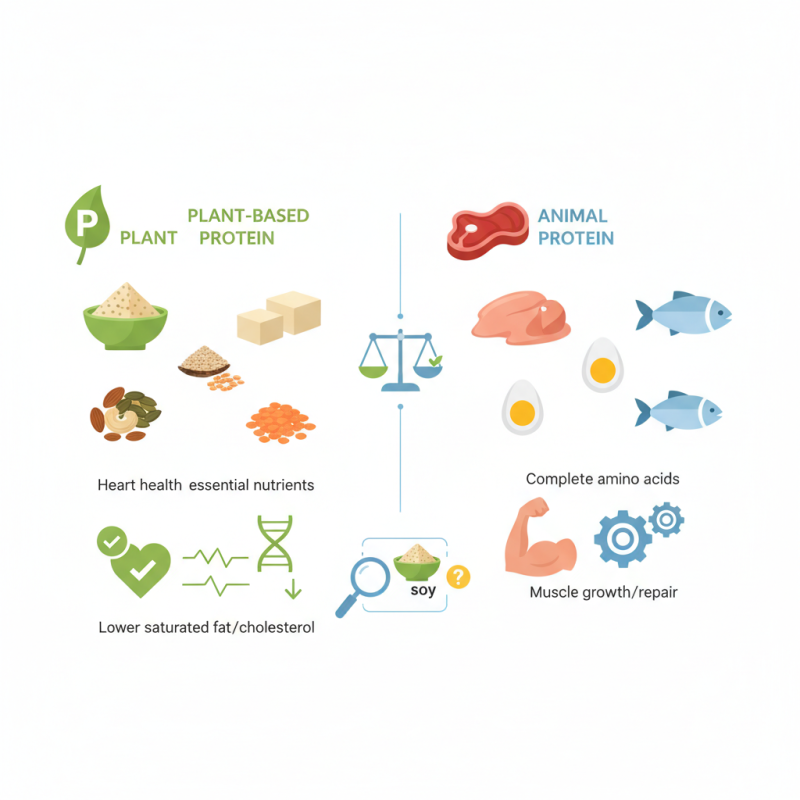
Plant-Based Protein: An Overview of Sources and Nutritional Value
Plant-based proteins are derived from various sources such as beans, lentils, nuts, seeds, and whole grains. These foods are rich in essential nutrients and provide an excellent alternative for those avoiding animal products. For example, lentils pack a punch, offering around 18 grams of protein per cooked cup. Nuts, while higher in calories, also deliver healthy fats, making them a valuable source of energy.
Nutritionally, plant-based proteins boast a range of vitamins and minerals. They are often high in fiber, which enhances digestive health. However, some individuals may find it challenging to obtain all essential amino acids from plant sources alone. It takes careful planning to ensure a balanced diet. Combine different proteins, like rice and beans, to create a complete profile.
One significant aspect of plant-based proteins is their lower environmental impact. Producing plants typically requires less water and land compared to animal farming. Nevertheless, it's essential to choose diverse sources. Relying too heavily on processed plant proteins may lead to nutritional gaps. This reflection highlights the importance of a well-rounded approach in achieving a balanced diet.
How Does Plant Based Protein Compare to Animal Protein Benefits?
Comparative Analysis: Essential Amino Acids in Plant vs. Animal Protein
In the debate of plant-based versus animal proteins, essential amino acids play a crucial role.
Animal protein provides a complete amino acid profile, which means it contains all nine essential amino acids needed by the body.
Sources like meat, fish, and eggs deliver these nutrients efficiently. This can be vital for muscle repair and overall health.
Plant proteins, meanwhile, often lack one or more essential amino acids. However, combinations of different plant sources can offer a complete amino acid profile.
For instance, pairing beans with rice creates a balanced amino acid intake.
This highlights the importance of dietary diversity for those choosing plant-based options.
One must consider digestion as well. Animal proteins are typically easier to digest and absorb quickly.
On the other hand, some individuals may face challenges with certain plant proteins due to anti-nutrients.
This variability calls for a thoughtful approach to protein sources based on individual needs and circumstances.
Regularly evaluating protein quality and intake is essential for achieving balance and health.
Health Benefits of Plant-Based Proteins: Heart Health and Beyond
Plant-based proteins offer numerous health benefits, particularly for heart health. Foods like legumes, nuts, and seeds are rich in fiber, which lowers cholesterol levels. This can reduce the risk of heart disease significantly. Studies indicate that diets rich in plant sources contribute to lower blood pressure. These foods are often low in saturated fats, making them heart-friendly options.
In contrast, animal proteins can sometimes contain harmful fats. Choosing plant-based alternatives may support weight management, which is essential for heart health. It's interesting how simple changes enhance well-being. However, some individuals might struggle to meet their protein needs solely through plants. This requires careful planning and consideration of protein sources like lentils, chickpeas, and quinoa. While plant proteins are beneficial, some may lack certain essential amino acids.
Despite these challenges, the long-term advantages are compelling. Incorporating a variety of plant-based foods can be a rewarding journey. It encourages a broader understanding of nutrition and promotes overall health. The shift towards plants can take time and effort, but reflection on these aspects is crucial for those contemplating this dietary change.
Environmental Impact: Sustainability of Plant vs. Animal Protein Sources
The environmental impact of protein sources is significant. Plant-based proteins typically demand less land and water than animal proteins. A study by the University of Oxford found that producing meat requires over 100 times more land than beans. This stark difference highlights sustainability.
Animal farming emits more greenhouse gases, contributing to climate change. Livestock accounts for about 14.5% of global emissions, according to the Food and Agriculture Organization. In contrast, plant proteins can help reduce this footprint. Research shows that shifting to a more plant-based diet could lower per capita food-related emissions by 70%. However, the transition to plant-based diets also poses challenges.
Not all plant proteins are equal in terms of nutrients. Some lack essential amino acids. Therefore, diversity in sources is crucial. Balancing nutrition and sustainability might require careful planning. Ultimately, both protein sources have their pros and cons.
Digestibility and Absorption: How the Body Processes Different Proteins
When it comes to protein sources, digestibility and absorption are key factors that affect nutrient utilization in the body. Animal proteins, like those from meat and dairy, have a higher digestibility rate. This means the body breaks them down more easily, allowing for quick absorption of amino acids. In contrast, plant-based proteins, derived from sources like beans and legumes, often contain fiber and other compounds that can slow down digestion. This might lead to lower protein absorption initially.
However, the body adapts over time. Individuals consuming plant proteins regularly may enhance their digestive enzyme activity. Moreover, while plant proteins can be less digestible, they offer unique benefits. They come packed with vitamins, minerals, and antioxidants that animal proteins lack. Eating a variety of plant protein sources can help improve overall amino acid intake while also promoting gut health.
Different proteins may behave unexpectedly. For example, some people struggle with bloating when consuming high amounts of beans. This can be a barrier to fully utilizing plant-based proteins. On the other hand, excess intake of certain animal proteins can lead to other health concerns. Balancing protein sources allows for a more rounded nutritional profile. Understanding how your body reacts can lead to better dietary choices.
FAQS
: Plant-based proteins come from beans, lentils, nuts, seeds, and grains. They are nutritious alternatives to animal products.
Combining different plant sources, like rice and beans, helps create a complete amino acid profile for balanced nutrition.
Producing plants usually requires less water and land than animal farming. It can lead to lower ecological footprints.
Yes, some may struggle to meet protein needs through plants. Careful planning and variety are essential for balance.
Foods like legumes and nuts can lower cholesterol and blood pressure, benefiting overall heart health.
Some plant proteins contain anti-nutrients that may hinder digestion for certain people. Individual needs should be examined closely.
Generally, animal proteins are easier to digest. This may influence choices for people with specific dietary needs.
Plant proteins are often high in fiber, vitamins, and minerals. These nutrients support digestive health and overall wellness.
Yes, choosing plant-based options can help with weight management. They often contain fewer unhealthy fats compared to animal proteins.
Relying too much on processed plant proteins may lead to nutritional gaps. A diverse diet with whole foods is important.
Conclusion
This article explores how plant-based protein compares to animal protein, highlighting various aspects including sources, nutritional value, and health benefits. Plant-based proteins, derived from sources like legumes, nuts, and grains, provide essential amino acids, though they may lack some of the essential ones found in animal proteins. The health benefits of incorporating plant-based proteins in diets are significant, with potential improvements in heart health and reduced risk of chronic diseases.
Additionally, the article addresses the environmental impact of protein sources, discussing the sustainability of plant-based alternatives compared to animal farming. Lastly, it examines digestibility and absorption, revealing how the body processes different types of proteins, which is crucial for understanding their efficacy in nutrition. Overall, this comprehensive analysis provides valuable insights into the advantages and challenges of plant-based vs. animal protein.

 Lenavax Nutrition