In an age where nutrition plays a crucial role in overall health, the focus on how to improve nutrient absorption naturally has gained undeniable importance. Many people consume healthy foods but still struggle with nutrient uptake. This challenge can stem from various factors, including digestive health and food pairing. It's essential to understand how these elements interact to enhance nutrient absorption effectively.
Research shows that certain lifestyle habits can significantly impact how we absorb vitamins and minerals. For instance, incorporating healthy fats into meals can improve the absorption of fat-soluble vitamins. Also, the timing of meals can influence our body's efficiency in utilizing nutrients. However, not all individuals may be aware of these practical techniques.
Exploring simple, natural methods to boost nutrient absorption is key to a balanced diet. Discovering these methods can lead to improved health outcomes. It is worthwhile to reflect on your dietary habits. Are you genuinely maximizing the benefits of your meals? By learning how to improve nutrient absorption naturally, you can enhance your overall wellness.
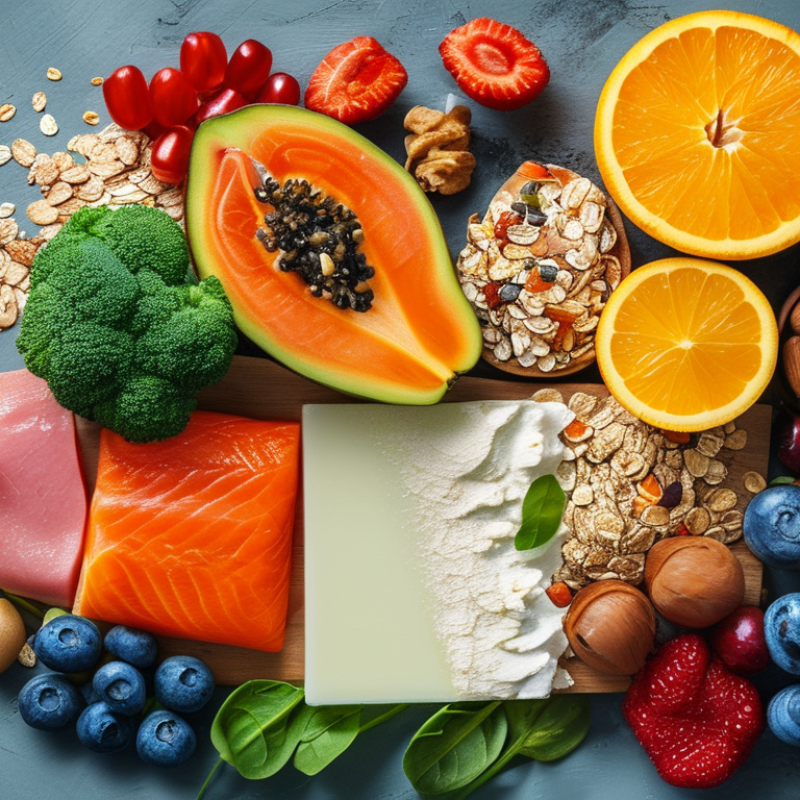
Nutrient absorption is a critical component of overall health. It determines how effectively your body uses the nutrients from food. According to research published in the Journal of Nutrition, only about 50% of the nutrients consumed are typically absorbed. This can vary based on several factors, including food preparation and digestive health.
The small intestine plays a significant role in nutrient uptake. It contains microvilli, tiny hair-like structures that increase surface area for absorption. A study from the American Gastroenterological Association suggests optimizing gut health can enhance nutrient absorption. Probiotics, for instance, can aid this process by maintaining a balanced gut flora. Ideally, a diverse diet rich in fruits, vegetables, and whole grains supports gut health as well.
Interestingly, not all fats are the enemy; some aid absorption. Fat-soluble vitamins, like A, D, E, and K, require dietary fat for proper assimilation. Data from the National Institutes of Health highlights that incorporating healthy fats can significantly improve absorption rates. However, many overlook this aspect, often focusing solely on calorie reduction rather than nutrient enhancement. This lack of awareness can lead to deficiencies and health issues.
To enhance nutrient absorption, focus on specific natural foods. Leafy greens like spinach and kale are rich in vitamins. Their fiber content helps the body process nutrients effectively. Citrus fruits, such as oranges, not only provide vitamin C but also improve iron absorption from plant-based foods.
Consuming healthy fats is essential. Avocados and nuts can help absorb fat-soluble vitamins A, D, E, and K. These vitamins play a crucial role in overall health. Tip: Pair your salads with olive oil to maximize nutrient uptake. This simple addition can make a significant difference.
Herbs and spices are often overlooked. They can elevate both the flavor and nutrient absorption of meals. Ginger and turmeric are excellent anti-inflammatory options. Tip: Adding a pinch of black pepper with turmeric boosts its absorption significantly. This combination is both tasty and beneficial. Remember, it’s not just what you eat, but how you combine foods that matters.
Fermented foods play a crucial role in enhancing digestive health. These foods, such as yogurt, kimchi, and sauerkraut, contain beneficial probiotics. Probiotics are live bacteria that promote a healthy gut environment. They help break down food, increasing nutrient absorption.
When you consume fermented foods, you introduce good bacteria into your digestive system. These bacteria compete with harmful microbes, improving overall digestion. A balanced gut microbiome can lead to better absorption of vitamins and minerals. However, not everyone reacts positively to these foods. Some may experience bloating or discomfort after consumption.
Incorporating fermented foods into your diet can be beneficial, but moderation is key. It’s essential to listen to your body. Experiment with different types of fermented foods to find what works best for you. This trial-and-error process can help you improve your digestive health while boosting nutrient absorption effectively.
Hydration plays a crucial role in nutrient absorption. When the body is well-hydrated, optimal digestion and nutrient uptake occur. Water facilitates the breakdown of food, allowing for better absorption of vitamins and minerals. Studies indicate that dehydration can impede the body's ability to absorb essential nutrients effectively, resulting in deficiencies that could affect overall health.
In fact, a report by the National Institutes of Health reveals that even mild dehydration can lead to diminished cognitive function and physical performance. It is estimated that approximately 75% of Americans do not drink enough water daily. This deficiency may contribute to poor nutrient absorption, leading to health issues over time. Adequate water intake enhances the gut's environment, promoting a balanced microbiome that supports nutrient absorption.
Furthermore, the timing of hydration matters significantly. Drinking water before meals can stimulate digestion. However, consuming large amounts of water during meals may dilute stomach acids, hindering optimal digestion. It's essential to find a balance that encourages efficient nutrient uptake without overwhelming the digestive system. Individual needs vary, so continuous reflection on hydration habits is vital for overall well-being.
| Method | Impact on Nutrient Absorption | Recommended Intake | Notes |
|---|---|---|---|
| Hydration | Facilitates digestive processes and nutrient transport | 8-10 cups (2-2.5 liters) per day | Adjust based on activity level and climate |
| Balanced Diet | Ensures a variety of nutrients are available for absorption | Include all food groups | Focus on whole, unprocessed foods |
| Probiotics | Enhances gut health, improving nutrient uptake | Daily intake through supplements or fermented foods | Yogurt, kefir, sauerkraut are good sources |
| Healthy Fats | Aids in the absorption of fat-soluble vitamins (A, D, E, K) | Include healthy fats in meals | Avocados, nuts, and olive oil are ideal |
| Cooking Techniques | Certain methods like steaming can enhance nutrient availability | Use method based on the food | Raw vs cooked can affect absorption |
| Timing of Meals | Eating nutrient-rich foods at optimal times improves absorption | Regular meal intervals | Avoid long gaps between meals |
| Vitamin C Intake | Boosts the absorption of non-heme iron | Incorporate vitamin C-rich foods with meals | Citrus fruits, bell peppers are excellent sources |
| Mindful Eating | Enhances digestion and nutrient absorption | Focus on meals without distractions | Promotes healthy eating habits |
| Fermented Foods | Supports gut microbiota for better nutrient absorption | Regularly incorporate into diet | Kimchi, miso, and pickles are good examples |
| Limit Anti-Nutrients | Avoid substances that inhibit nutrient absorption | Moderate intake of coffee, tea, and certain grains | Soaking or fermenting grains may help |
Combining foods can significantly enhance nutrient absorption. Certain foods work synergistically, increasing the bioavailability of vitamins and minerals. For instance, pairing spinach with citrus fruits boosts iron absorption. The vitamin C in citrus helps convert non-heme iron to a more absorbable form. This simple combination highlights the importance of thoughtful food pairings.
Another effective combination is fatty foods with fat-soluble vitamins. Foods rich in vitamins A, D, E, and K require fats for optimal absorption. Adding olive oil to a salad increases the nutrient availability from the greens. Meanwhile, incorporating probiotics from yogurt can enhance gut health, fostering a better nutrient uptake overall. However, not everyone may benefit equally from these pairings.
Some individuals might still struggle with absorption despite following guidelines. Factors like gut health, medications, and personal digestion issues can play a role. It's important to observe how your body reacts to different food combinations. Experimenting with various pairings may be necessary to discover what works best for you. Adjusting meals based on these reflections can lead to improved health outcomes over time.
: Leafy greens, citrus fruits, healthy fats, herbs, and spices boost absorption.
They are rich in vitamins and their fiber content aids processing nutrients.
They provide vitamin C, which improves iron absorption from plant-based foods.
They aid in absorbing fat-soluble vitamins A, D, E, and K effectively.
Pairing salads with olive oil significantly enhances nutrient absorption.
Yes, they promote a healthy gut with probiotics, improving nutrient absorption.
Listen to your body; some may experience bloating or discomfort.
Experiment with different types; this helps understand what suits your digestive health.
They enhance flavor and can significantly boost nutrient absorption when combined with others.
Yes, moderation is key; introducing too much too fast can lead to issues.
The article "Top 10 Natural Ways to Boost Nutrient Absorption" delves into the importance of nutrient absorption for overall health and well-being. It emphasizes how to improve nutrient absorption naturally through a variety of dietary practices. Incorporating specific natural foods can enhance the body's ability to uptake essential nutrients, while fermented foods play a significant role in promoting digestive health, thereby facilitating better absorption.
Furthermore, the article highlights the necessity of proper hydration, as it significantly impacts nutrient uptake in the body. Lastly, it discusses the benefits of combining different foods, which can lead to improved nutrient availability, maximizing the body's nutrient intake. By adopting these natural strategies, individuals can enhance their nutrient absorption and support their health more effectively.

Lenavax Nutrition