Mineral deficiencies can profoundly influence plant growth. This phenomenon raises critical questions in agricultural sectors. According to a report by the Food and Agriculture Organization (FAO), mineral deficiencies affect over 1 billion hectares of farmland worldwide. This deficiency often results in reduced crop yields and poor plant health. The challenge is significant, considering that plants need essential nutrients for proper development.
Dr. Jonathan Green, an expert in plant physiology, states, "How does mineral deficiency affect growth? It stunts development and diminishes resilience." This insight emphasizes the importance of minerals like nitrogen, phosphorus, and potassium in facilitating key plant functions. For instance, potassium deficiency can lead to leaf chlorosis and weakened stems.
Currently, farmers face the dilemma of increasing crop production while managing soil quality. The reliance on chemical fertilizers often worsens soil health long-term. Understanding how to balance these factors is crucial. Addressing mineral deficiencies can enhance plant growth. It’s a complex task that requires ongoing research and reflection.
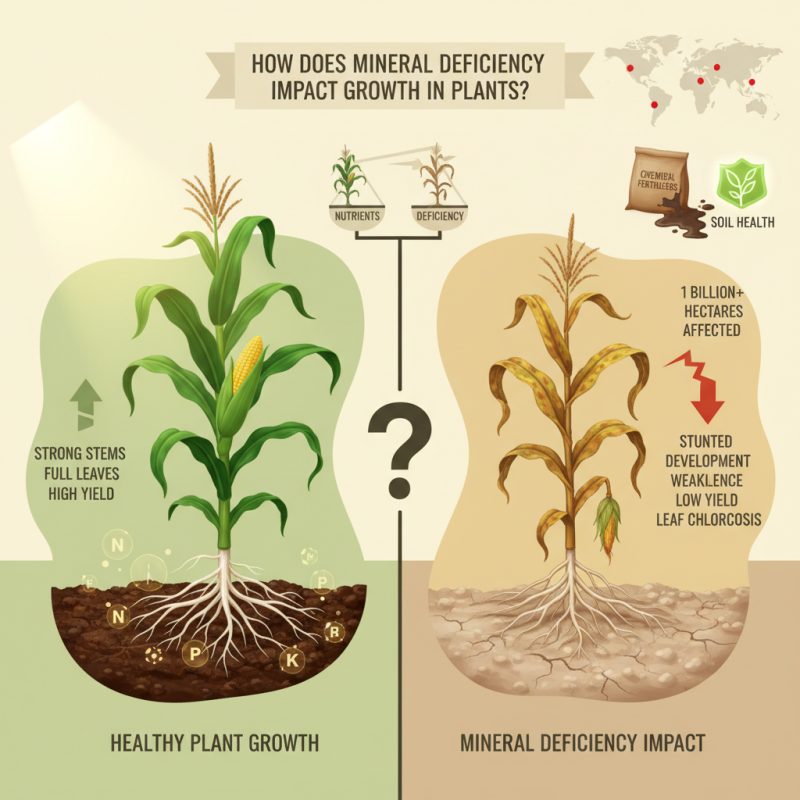
Definition of Mineral Deficiency in Plants
Mineral deficiency in plants occurs when essential nutrients are missing or present in insufficient amounts. These nutrients include nitrogen, phosphorus, potassium, magnesium, and calcium. Each mineral plays a vital role in plant health. Without them, plants struggle to grow and thrive. For instance, nitrogen is crucial for leaf development. A deficiency leads to yellowing leaves and stunted growth.
The symptoms of mineral deficiency can vary significantly. Inadequate phosphorus often results in dark green leaves with purple undertones. Magnesium deficiency may cause leaf curling and necrosis. Identifying these signs early is key to addressing nutrient shortages. However, diagnosing these issues can be challenging. Environmental factors, like soil composition and moisture, also influence plant health. This complexity demands attention and careful observation.
It's essential to provide balanced nutrition for optimal plant growth. Relying solely on one type of nutrient can create an imbalance. Regular soil testing can help in understanding nutrient levels. Yet, many growers overlook this step. They might apply fertilizers without knowing their soil's needs. This can lead to excesses, causing further problems. The journey of nurturing plants requires a commitment to learning and adapting. Each deficiency presents an opportunity for growth and improvement in gardening practices.
Common Mineral Deficiencies and Their Symptoms
Mineral deficiencies can severely hinder plant growth, leading to a range of visible symptoms.
Nitrogen deficiency, for example, results in
stunted growth and yellowing leaves.
According to the Food and Agriculture Organization, this can reduce crop yields by up to
50%.
Phosphorus deficiency presents as dark
green leaves and poor root development. This is critical; roots are
essential for nutrient uptake and overall plant health.
Potassium deficiency often causes leaf curling and browning at the edges. A study from the
International Society of Plant Physiology
highlights that insufficient potassium can lead to a 25%
decrease in fruit size and quality.
Iron deficiency shows as
chlorosis, where leaves turn pale green while veins remain dark. This symptom can weaken the
plant, making it vulnerable to diseases.
While these symptoms are clear, diagnosing mineral deficiencies is not always straightforward.
Some plants exhibit similar symptoms due to other factors, such as environmental stress.
This complexity can lead to incomplete assessments and ineffective corrective measures,
turning a manageable issue into a serious concern for farmers and gardeners.
Impact of Mineral Deficiency on Plant Growth Stages
Mineral deficiency can significantly affect plants at various growth stages. During germination, inadequate minerals can delay sprouting. For instance, a lack of phosphorus affects root development, which is crucial at this early stage. When roots are weak, the plant struggles to absorb water and nutrients.
As plants transition to vegetative growth, the need for nitrogen, potassium, and magnesium increases. Insufficient nitrogen can lead to yellowing leaves and stunted growth. Similarly, potassium deficiency can result in weakened stems and poor fruit development. Addressing these deficiencies early is crucial to ensure healthier plants.
Tips: Regularly test your soil to identify deficiencies. Adjusting the nutrient levels can promote better growth. Using compost can also enhance mineral availability. Monitor your plants closely. Early detection of deficiencies can help mitigate their impact. Adjust care routines based on plant reactions. Noticing small changes can lead to significant improvements over time.
How Does Mineral Deficiency Impact Growth in Plants?
This chart illustrates the impact of various mineral deficiencies on plant growth, measured in centimeters. Each mineral's deficiency affects the growth of plants differently, ranging from moderate to significant impacts.
Mechanisms by Which Minerals Affect Plant Development
Mineral deficiency significantly hampers plant growth. Essential minerals play critical roles in various physiological processes. For instance, nitrogen supports protein synthesis, while phosphorus aids in energy transfer. When plants lack these nutrients, their development slows. This leads to stunted growth and poor yields.
Plants utilize minerals in diverse ways. Calcium strengthens cell walls, contributing to structure and stability. Magnesium is vital for chlorophyll production, directly impacting photosynthesis.
Without these minerals, plants struggle to thrive. They may exhibit yellowing leaves and weak stems, signaling nutrient deficiencies.
Tips: Regularly test your soil to assess nutrient levels. Consider organic fertilizers to replenish essential minerals. Observe your plants closely for signs of distress. Addressing deficiencies early can improve overall health and productivity. Nutrient management is key to vibrant plant growth.
Strategies to Mitigate Mineral Deficiency in Agriculture
Mineral deficiency in plants directly affects their growth and development. Nutrients like nitrogen, phosphorus, and potassium are essential. When plants lack these, growth slows. Leaves may yellow, and overall health declines. Field observations show that crops exhibit stunted growth in nutrient-poor soils. This not only impacts yield but also affects food security.
Farmers can adopt various strategies to combat mineral deficiency. Soil testing is crucial. It helps identify nutrient deficiencies accurately. Based on these results, targeted fertilization can be applied. Organic amendments, such as compost, enhance soil health while providing minerals. Crop rotation is another vital practice. It diversifies nutrient uptake and reduces soil depletion. However, changes to traditional farming practices can face resistance.
Additionally, educating farmers on proper mineral management is essential. Workshops and training sessions can increase awareness. There's often hesitation to change established methods. However, ongoing support can build confidence. Implementing these strategies requires time and effort, yet the long-term benefits are clear. Trials have shown improved plant health and yields with proper mineral management.
FAQS
: Inadequate minerals can delay sprouting. Lack of phosphorus affects crucial root development. Weak roots struggle to absorb water and nutrients.
Insufficient nitrogen leads to yellowing leaves and stunted growth. Potassium deficiency results in weakened stems and poor fruit development.
Early detection helps mitigate the impact of deficiencies. Noticeable changes can indicate bigger issues, leading to healthier plants.
Regular soil tests identify nutrient deficiencies. Adjusting levels promotes better growth and enhances mineral availability.
Nitrogen supports protein synthesis. Phosphorus aids in energy transfer, crucial for healthy growth and productivity.
Magnesium is vital for chlorophyll production. Without it, photosynthesis is impaired, leading to weak plant growth.
Calcium strengthens cell walls. This contributes to overall stability, helping plants withstand stress.
Using compost enhances mineral availability. It promotes healthier growth and offsets some deficiencies.
Look for yellowing leaves or weak stems. These signs often indicate nutrient deficiencies needing attention.
Adjust care based on plant reactions. Small changes can lead to significant improvements in plant health over time.
Conclusion
Mineral deficiency in plants occurs when essential nutrients are insufficient for optimal growth and development. Common deficiencies include nitrogen, phosphorus, potassium, and trace minerals like iron and magnesium, each exhibiting distinct symptoms such as stunted growth, yellowing leaves, and reduced fruit yield. Understanding how does mineral deficiency affect growth is critical as these deficiencies impact various growth stages, from seed germination to maturity, ultimately affecting overall plant health and productivity.
Minerals play crucial roles in physiological processes, including photosynthesis, respiration, and enzyme regulation, which are vital for robust plant development. To combat mineral deficiencies in agriculture, strategies such as soil testing, appropriate fertilization, and the use of mineral-rich organic matter are essential. By addressing these deficiencies, farmers can enhance plant resilience and improve crop yield, fostering sustainable agricultural practices.

 Lenavax Nutrition