Healthy plants rarely grow faster because of one magical fertilizer. They respond to balanced nutrition, suitable light, moisture, temperature, and healthy roots. That is why the question “what nutrients do plants need to grow faster” requires more than a simple shopping list.
Nitrogen supports leafy growth and chlorophyll production. Phosphorus helps roots, flowers, and energy transfer. Potassium strengthens water regulation and stress tolerance. Plants also need calcium, magnesium, sulfur, and trace elements such as iron, zinc, boron, copper, manganese, molybdenum, and chlorine. A deficiency in one nutrient can slow growth, even when other nutrients are abundant. Justus von Liebig expressed this principle clearly: “The growth of a plant is limited by the nutrient in shortest supply.”
The evidence is practical.
In gardens and greenhouse trials, yellowing leaves, weak stems, purple coloring, or distorted new growth can reveal nutritional problems. However, these symptoms sometimes resemble damage from poor drainage, pests, disease, or incorrect soil pH. I have seen growers add more fertilizer when the real issue was compacted soil. That mistake can burn roots and pollute waterways.
This guide connects plant science with careful observation. It explains how nutrients function, how symptoms appear, and when soil or tissue testing is wiser than guessing. Faster growth is not always better growth. A strong plant needs balance. Expect useful answers, but not a universal formula. Different species, soils, containers, and growth stages change the nutritional picture.
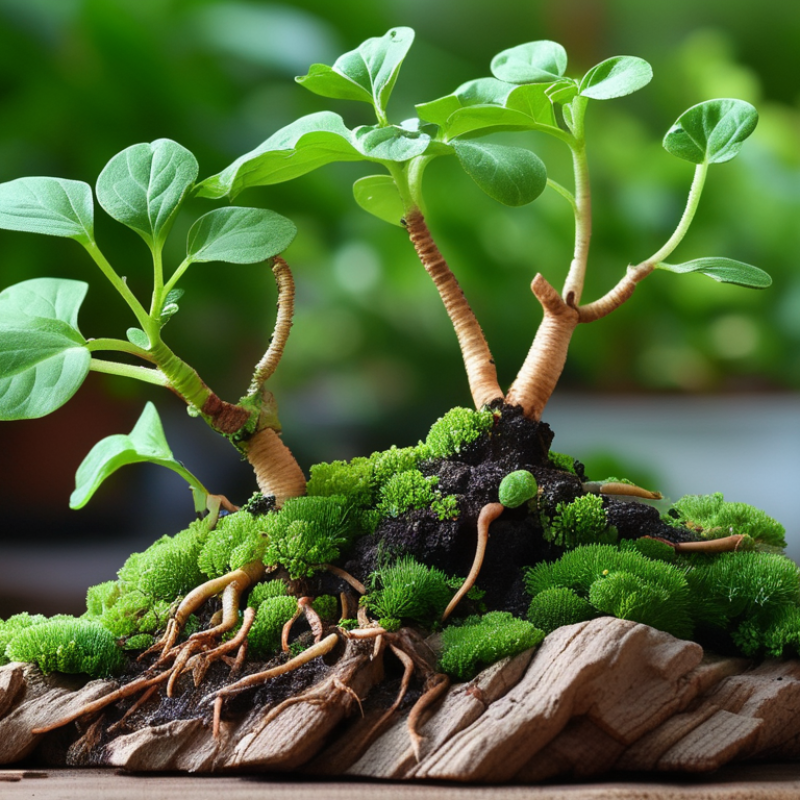
Plants need 17 essential nutrients for healthy growth, but each supports a different function. Carbon, hydrogen, and oxygen come mainly from air and water. The remaining nutrients come from the growing medium or added amendments.
Nitrogen builds leafy growth and chlorophyll. Phosphorus supports roots, energy transfer, and flowering. Potassium regulates water movement and strengthens stems. Calcium helps form cell walls, while magnesium sits at the center of each chlorophyll molecule. Sulfur supports proteins and enzymes. Small amounts matter. Iron, zinc, manganese, boron, copper, molybdenum, chlorine, and nickel also have specific roles. A deficiency in one can slow growth, even when other nutrients are abundant.
In my garden, pale lower leaves once suggested nitrogen deficiency. The real problem was compacted, waterlogged soil. Symptoms often overlap. Yellow leaves may reflect poor roots, unsuitable pH, pests, or nutrient shortages. A soil test provides more reliable evidence than guessing from leaf color. Check whether symptoms appear on older or newer leaves, and inspect the roots before adding fertilizer. Maintain suitable pH, because plants cannot absorb every nutrient equally across all conditions. More is not better. Excess salts can damage roots and pollute nearby water. I still misread symptoms sometimes, especially during sudden weather changes. Slow observation works better than reacting to every imperfect leaf.
How to Know What Nutrients Plants Need to Grow Faster?
Yellowing leaves do not always mean a nitrogen shortage. Older leaves turning pale often suggest limited nitrogen, especially when growth is slow and thin. Purple stems may indicate phosphorus stress, but cool temperatures can cause similar coloring. Magnesium deficiency commonly creates yellow areas between green veins on older leaves. New leaves with distorted edges may point to calcium or boron problems. Brown leaf margins can suggest potassium stress, although dry air and uneven watering may produce the same damage. Look for patterns across several leaves. One damaged leaf is weak evidence.
Tips: Check the soil’s pH and moisture before adding fertilizer. Inspect the roots for dark, soft sections. Compare new growth with older leaves, and photograph changes every few days. Add one correction at a time. Too much fertilizer can burn roots and hide the original problem. A basic soil test is more dependable than guessing from leaf color alone.
Plant nutrition is a process of observation, not a quick diagnosis. I once treated pale leaves as a nitrogen issue, but poor drainage was the real cause. The roots stayed wet, and nutrient uptake slowed. Light intensity, temperature, pests, and compacted soil can imitate deficiencies. Healthy feeding depends on the whole growing environment, not a single symptom. Growth improved only after the watering schedule changed.
Leaf symptoms can help identify nutrient deficiencies. Mobile nutrients usually cause symptoms first on older leaves, while immobile nutrients usually affect young leaves and growing points.
Reading the chart: The bars show approximate healthy leaf tissue concentrations at sufficiency, expressed in parts per million (ppm). Values vary by plant species, tissue age, and growing conditions.
Fast growth begins with evidence, not guesswork. A soil test can show pH, nitrogen, phosphorus, potassium, and organic matter. Collect several samples from root depth, avoiding compost piles and recently fertilized spots. Mix them in a clean container, then send a representative sample to a reliable laboratory. Home kits are useful for rough comparisons, but their readings can be inconsistent. pH matters because nutrients may exist yet remain unavailable to roots. Most garden plants prefer slightly acidic soil, although crop needs vary.
Read the report alongside your growing conditions. Pale leaves may suggest nitrogen shortage, but poor light, cold roots, or waterlogged soil can look similar. Check drainage by observing how quickly water disappears after irrigation. Measure light across the day, not just at noon. A simple moisture check with your finger can prevent both drought and suffocation. I once blamed weak growth on fertilizer, while compacted soil was blocking oxygen. That mistake was useful, but avoidable. Add nutrients only when evidence supports the decision. Excess fertilizer can damage roots and pollute runoff.
Tips: Test soil before planting and after a growing season. Keep records of pH, weather, watering, leaf color, and growth. Change one factor at a time. Watch new growth. If results conflict, repeat the test or ask a local extension specialist. Use evidence, not assumptions.
How to Know What Nutrients Plants Need to Grow Faster?
Matching nutrients to a plant’s growth stage is more reliable than feeding heavily from the beginning. During germination, seeds use stored nutrients, so extra fertilizer can damage young roots. Once seedlings develop several true leaves, they need gentle nutrition, adequate light, and steady moisture. Too much nitrogen at this stage may create soft, stretched growth.
During vegetative growth, nitrogen supports new leaves and stems, while potassium helps water movement and overall strength. Calcium and magnesium also support cell structure and chlorophyll production. When buds or flowers appear, nutrient demand changes. Plants still require nitrogen, but excessive amounts can encourage leaves instead of flowers. Phosphorus supports energy transfer, while potassium contributes to flower quality and stress tolerance. More is not always better.
Less is often safer.
I check the growing medium, drainage, leaf color, and recent growth before adjusting feeding. A soil or media test gives stronger evidence than guessing from one yellow leaf. Yellowing can result from nutrient shortage, poor roots, incorrect pH, or overwatering. I once increased fertilizer too quickly after seeing pale leaves, but the real problem was saturated soil. The plants recovered only after improving drainage and reducing irrigation. Use measured applications, change one factor at a time, and record the plant’s response over several days. Nutrient needs also vary by crop, container size, temperature, and light intensity.
| Growth Stage | Main Nutrient Priority | Typical N–P2O5–K2O Emphasis | Important Nutrients and Roles | Visible Indicators of Adequate Nutrition | Practical Feeding Approach |
|---|---|---|---|---|---|
| Seed Germination | Moisture, oxygen, and starter phosphorus | Low nitrogen; moderate phosphorus | Phosphorus supports early root development and energy transfer. Calcium contributes to cell-wall formation, while micronutrients are needed in very small amounts. | Even emergence, white or cream-colored roots, and firm seedlings | Use a clean, well-drained medium. Avoid strong fertilizer because young roots are sensitive to salt injury. |
| Seedling Establishment | Balanced nutrition with moderate nitrogen | Moderate N; balanced P and K | Nitrogen supports new leaves and stems. Phosphorus encourages root growth, and potassium supports water regulation and overall vigor. | Compact growth, green leaves, active root development, and no leaf-edge burn | Apply a dilute, complete fertilizer only after true leaves appear and roots are established. |
| Vegetative Growth | Leaf, stem, and root expansion | Higher N; moderate P; adequate K | Nitrogen is central to chlorophyll, proteins, and new tissue. Magnesium is part of chlorophyll, while sulfur supports amino acids and proteins. | Uniform green foliage, strong stems, healthy roots, and steady new growth | Use soil or media testing to guide nitrogen. Excess nitrogen can cause weak, overly leafy growth and delay flowering. |
| Pre-Flowering | Root strength and reproductive transition | Moderate N; adequate P and K | Phosphorus supports energy metabolism and reproductive development. Potassium improves transport of sugars and helps regulate water balance. Boron is involved in pollen germination and cell-wall processes. | Healthy flower buds, firm stems, and continued root activity | Maintain balanced nutrition rather than sharply increasing phosphorus. Correct boron only when a deficiency is confirmed because the safe range is narrow. |
| Flowering and Fruit Set | Pollination, flower retention, and fruit initiation | Lower N; adequate P; higher K | Potassium supports carbohydrate movement, enzyme activation, and water regulation. Calcium supports new tissue structure, and boron supports pollen tube growth. | Good flower retention, uniform fruit set, and minimal blossom-end or tissue disorders | Avoid excessive nitrogen. Keep moisture consistent because calcium delivery depends strongly on water movement through the plant. |
| Fruit, Seed, or Bulb Development | Yield formation, size, quality, and storage reserves | Low to moderate N; adequate P; high K | Potassium supports sugar and starch movement, fruit filling, and stress tolerance. Magnesium supports photosynthesis, while calcium helps maintain tissue firmness. | Consistent fruit or bulb enlargement, firm tissue, and normal color development | Use split applications where appropriate to reduce nutrient losses. Do not use potassium to compensate for poor light, drought, pests, or root damage. |
| Ripening and Maturation | Quality, flavor, color, and final dry matter | Low N; balanced P; adequate K | Potassium supports carbohydrate metabolism and water balance. Magnesium and sulfur help maintain photosynthesis and protein production late in the season. | Normal ripening, good firmness, strong foliage function, and no premature yellowing | Reduce unnecessary nitrogen inputs. Follow the crop’s harvest interval and avoid late over-fertilization. |
| Post-Harvest or Dormancy Preparation | Root recovery and reserve replenishment | Crop-dependent; avoid excess N | A healthy root system and adequate potassium can improve stress preparation. Perennial crops may require nutrients to rebuild reserves, depending on timing and local recommendations. | Active roots, balanced foliage, and gradual natural senescence where expected | Base decisions on crop type, soil test results, and season. Do not fertilize dormant plants unless a specific recommendation supports it. |
How to Know What Nutrients Plants Need to Grow Faster?
Faster growth begins with diagnosis, not a heavier handful of fertilizer. Check the leaves, stems, and soil before feeding. Pale older leaves may suggest limited nitrogen, while purple tones can appear when phosphorus uptake is poor. These signs can have several causes, including cold roots or improper watering. A basic soil test gives more reliable evidence than leaf color alone. Measure, don’t guess.
Choose a fertilizer that matches the plant’s needs and follow its label precisely. More fertilizer is not faster. Excess salts can burn roots, curl leaf edges, and weaken young plants. Apply granules several centimeters away from the stem, then water slowly to move nutrients into the root zone. For liquid feeds, dilute carefully and use a clean measuring tool. Wear gloves, avoid windy conditions, and keep unused fertilizer sealed away from children and pets.
Plants respond better to small, consistent applications than sudden heavy feeding. I once treated slow growth as a nitrogen problem, but compacted soil was the real issue. The fertilizer added little benefit and made the leaves unusually soft. Loosen the soil gently, improve drainage, and observe new growth for several days. Stop feeding when growth becomes dark, lanky, or distorted. Record the amount, date, and plant response, because gardening decisions are not always correct on the first attempt.
No. Older pale leaves with slow growth may suggest limited nitrogen. Poor light, wet roots, cold temperatures, or pests can look similar. Check several leaves before feeding. One yellow leaf proves little.
Purple stems may suggest phosphorus stress. Cool temperatures can create similar coloring. Check root temperature, light, and soil conditions. A soil test is safer than guessing.
Older leaves may develop yellow areas between green veins. This pattern can suggest magnesium deficiency. Confirm the pattern across several leaves. Do not add nutrients based on color alone.
Distorted edges on new leaves may indicate calcium or boron problems. Uneven watering and root damage can also affect new growth. Inspect roots for dark, soft sections. The diagnosis may still be wrong.
Check soil pH, moisture, drainage, and root condition. Measure light throughout the day. Compacted soil can block oxygen and slow nutrient uptake. I once blamed fertilizer, but poor drainage caused the problem.
A soil test can show pH, nitrogen, phosphorus, potassium, and organic matter. Collect samples from root depth. Avoid recently fertilized spots and compost piles. Home kits help with rough comparisons, but results can vary.
Choose a product matching the plant’s needs. Follow the label carefully. Apply granules several centimeters from the stem, then water slowly. Dilute liquid fertilizer with a clean measuring tool. More fertilizer is not faster.
Excess fertilizer can burn roots, curl leaf edges, and weaken young growth. Leaves may become unusually dark, soft, lanky, or distorted. Stop feeding when these signs appear. I have added too much before.
Photograph leaves every few days. Record watering, weather, pH, fertilizer amounts, and growth changes. Change one factor at a time. Watch new growth closely. Keep notes, even imperfect ones.
Plants grow faster when they receive the right balance of essential nutrients, including nitrogen, phosphorus, potassium, calcium, magnesium, and several trace elements. Understanding what nutrients do plants need to grow faster begins with recognizing each nutrient’s role in healthy leaf development, strong roots, flowering, and overall plant structure. Yellowing leaves, weak stems, slow growth, or unusual spots can provide useful clues about possible deficiencies, although similar symptoms may result from pests, disease, poor light, or watering problems.
A reliable approach combines careful observation with soil and growing-condition tests. Testing pH, moisture, drainage, and nutrient levels can help identify the real cause of poor growth. Nutrient needs also change as plants move from early development to leafy growth, flowering, and fruit production. Apply fertilizers according to the plant’s stage, soil condition, and product directions, using balanced amounts rather than excessive doses. Gradual application, proper watering, and regular monitoring support faster, healthier growth while reducing the risk of root damage or nutrient imbalance.

Lenavax Nutrition