In the complex landscape of livestock management, improving feed efficiency is crucial for profitability. Dr. John Smith, a leading expert in animal nutrition, emphasizes this point. He once stated, "Maximizing feed efficiency is not just about economics; it's about the sustainability of our resources."
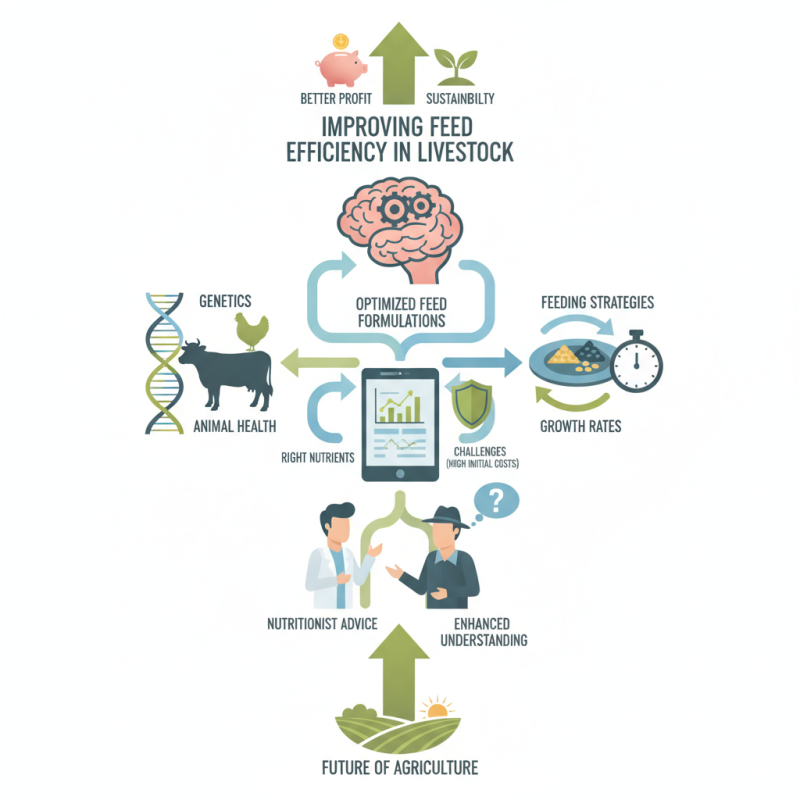
Feed efficiency directly affects growth rates and overall health. It involves optimizing feed formulations and ensuring that animals receive the right nutrients. Many producers overlook the role of genetics and feeding strategies in achieving better outcomes.
Adopting advanced technologies is essential. However, some farmers find it challenging due to high initial costs. This can lead to hesitation in making necessary changes. Therefore, seeking advice from nutritionists can significantly enhance understanding and implementation. Ultimately, addressing these aspects reveals a pathway to improve feed efficiency in livestock. Implementing these strategies is not merely a step forward; it's a vital move for the future of agriculture.
Measuring feed efficiency in livestock operations is crucial. It directly impacts overall profitability. One effective method is to track feed conversion ratios (FCR). This metric compares the amount of feed consumed to the weight gained by the animal. Accurate data collection is essential for this process. Keep detailed records of feed intake and weight changes over time.
Another best practice involves using advanced technology. Automated systems can provide real-time data on feed consumption. This allows for immediate adjustments. However, these technologies require careful calibration and regular maintenance. It's vital to invest time in training staff to operate these systems properly.
Additionally, consider the quality of feed itself. Nutrient-dense feed can significantly impact efficiency. Regular sampling and analysis can help ensure optimal nutrition. Yet, it’s important to remain adaptable. Market conditions and livestock needs can change. Engaging in ongoing evaluation and reflection is necessary for sustained improvement in feed efficiency.
Nutrition plays a critical role in improving feed efficiency in livestock. By optimizing the diet, farmers can ensure that animals convert feed into meat, milk, or eggs more effectively. A balanced diet not only enhances growth rates but also boosts overall health.
Tips: Regularly assess nutritional needs. Tailor feed formulations based on animal age and specific requirements. Monitor weight gain to adjust diets accordingly.
Grass quality matters. High-quality forages can significantly impact feed intake. Integrating legumes can provide necessary protein and enhance digestibility. Farmers should also consider the timing of feeding.
Tips: Schedule meals to coincide with peak hunger times. Ensure access to fresh water at all times. Regularly evaluate feed sources for quality and nutritional value.
Mistakes can happen, such as overfeeding or underfeeding. Monitoring animal responses is vital. Adjusting feed types and amounts should be an ongoing process. Continuous learning in animal nutrition can lead to better profit margins.
Evaluating feed conversion ratios (FCR) is vital for improving livestock profitability. The average FCR for beef cattle stands at approximately 6:1, while poultry can achieve as low as 1.5:1. Achieving better ratios requires close monitoring of feed intake and livestock growth rates. Recent reports indicate that optimizing feed formulations can lead to a 10-15% increase in efficiency, emphasizing the importance of tailored nutrition.
In addition to formulation, management practices contribute significantly to FCR. Stressful conditions can adversely affect intake and growth. For example, overcrowded barns decrease the feed conversion rate by as much as 20%. Implementing better animal welfare practices can enhance growth performance. Regular health checks and ensuring a comfortable environment can yield improved FCR.
Benchmarking against established industry standards can also spotlight areas for improvement. The difference between the best and worst performing operations can be striking. Some farms report an FCR as high as 1.2:1 in broilers, showcasing what is attainable. Exploring these differences can inspire operational changes that lead to profitability through better feed efficiency. Monitoring and adjusting feed strategies and practices is essential for sustained improvement.
| Livestock Type | Average FCR (Feed Conversion Ratio) | Industry Standard FCR | Benchmark FCR | Potential Improvement (%) |
|---|---|---|---|---|
| Beef Cattle | 7.0 | 6.5 | 5.5 | 15.0% |
| Dairy Cattle | 1.5 | 1.4 | 1.2 | 7.1% |
| Pork | 3.0 | 2.9 | 2.5 | 7.1% |
| Broilers | 1.8 | 1.7 | 1.5 | 5.9% |
| Layers | 1.4 | 1.35 | 1.2 | 5.0% |
Innovative feeding techniques play a crucial role in enhancing feed efficiency in livestock. One notable approach is precision nutrition. By tailoring diets to the specific needs of animals, producers can maximize weight gain and reduce feed waste. A study from the Animal Biotechnology industry highlights that precision feeding can improve feed conversion ratios by as much as 25%. This directly translates to increased profitability for farmers.
Another strategy is utilizing alternative feed ingredients. Ingredients such as insect protein and food by-products can offer more sustainable and cost-effective options. According to a report from the Food and Agriculture Organization (FAO), incorporating alternative feeds can reduce feed costs by up to 15%. While these options present great potential, challenges like consumer acceptance and regulatory issues still need addressing.
Farmers should also consider regular evaluation of feeding practices. Constantly assessing feed efficiency creates opportunities for adjustments. Some farms may experience stagnation in productivity due to outdated feeding systems. Regularly analyzing feed conversion rates can uncover inefficiencies and lead to better management decisions. Keeping up with the latest research and trends is vital, as the landscape of livestock feeding is always evolving.
Genetic improvement plays a significant role in enhancing feed efficiency in livestock. Selective breeding focuses on traits that improve growth rates and feed conversion ratios. Efficient animals convert feed into body mass better, leading to higher profitability. Research shows that genomic selection can lead to faster gains. This technology helps farmers make informed breeding decisions.
However, achieving ideal results is challenging. Not all genetic traits directly correlate with feed efficiency. Farmers may face trade-offs, such as slower reproductive rates in some high-efficiency animals. Additionally, the cost of implementing advanced genetics can be daunting for smaller operations. Despite these obstacles, the potential benefits of improved feed efficiency cannot be ignored. Monitoring and adjusting strategies are essential for long-term success.
Nutrition and management practices also influence genetic outcomes. A well-balanced diet supports the genetic potential of livestock. Regular assessments help ensure that animals are thriving under the selected genetic framework. Continued research and collaboration are important. Only with a comprehensive approach can livestock operations truly maximize profitability while improving feed efficiency through genetics.
: FCR measures the amount of feed consumed relative to the weight gained by livestock.
It helps track feed intake and weight changes over time, leading to better management decisions.
Automated systems offer real-time data on feed consumption, allowing for immediate adjustments.
Nutrient density is crucial; regular sampling can ensure optimal nutrition for livestock.
A balanced diet improves growth rates and overall health, impacting feed efficiency positively.
Overfeeding or underfeeding can harm livestock responses; ongoing monitoring is essential.
Better welfare can enhance growth performance, improving FCR and overall efficiency.
Feeding during peak hunger times can enhance feed intake and utilization.
Differences in management practices, environment, and nutrition can greatly impact FCR outcomes.
Engaging in ongoing evaluation and adapting strategies based on animal responses is vital.
Improving feed efficiency in livestock is crucial for enhancing profitability in agricultural operations. To achieve this, best practices for measuring feed efficiency should be implemented, enabling farmers to identify areas for improvement. Understanding the role of nutrition is pivotal, as a well-balanced diet can significantly enhance feed efficiency. Evaluating feed conversion ratios against industry standards helps establish benchmarks for performance enhancement.
Additionally, innovative feeding techniques can be employed to maximize profitability in livestock operations. Coupled with genetic improvements, these strategies play a vital role in reducing costs and increasing the overall productivity of livestock. By focusing on these key areas, farmers can effectively learn how to improve feed efficiency in livestock, ultimately leading to better economic outcomes.

Lenavax Nutrition