Understanding how much protein you really need per day can be confusing. Protein is essential for muscle maintenance and overall health. Dr. Jane Smith, a nutrition expert, emphasizes, "The right amount varies widely between individuals." This highlights the need to personalize protein intake.
Daily protein needs depend on factors like age, activity level, and health goals. For instance, an athlete may require more protein than a sedentary person. It is common to see recommendations suggesting 0.8 grams per kilogram of body weight. However, many people may not realize their unique needs vary.
Moreover, not everyone pays attention to their protein sources. Relying solely on supplements might not be ideal. Whole foods often provide additional nutrients that supplements lack. In navigating how much protein you really need per day, considering these factors will lead to a balanced approach. Aim to reflect on how your diet aligns with your lifestyle.
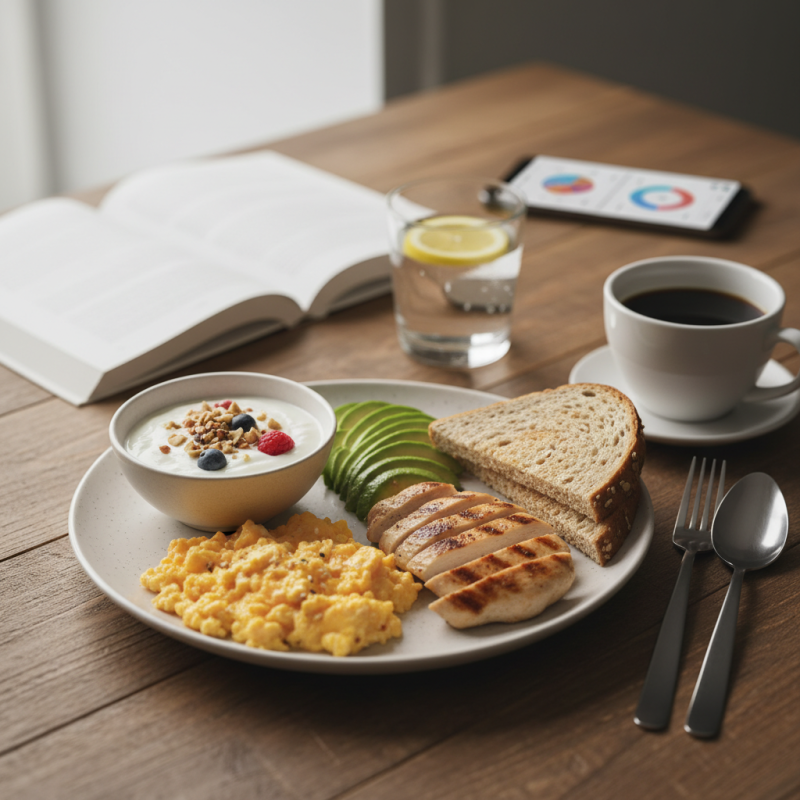
Daily Protein Requirements: Understanding Recommended Dietary Allowances
Understanding daily protein requirements is crucial for overall health. The Recommended Dietary Allowances (RDA) provide guidelines on how much protein one needs. Generally, adults should aim for 46-56 grams of protein daily, depending on age, gender, and activity level. These standards are established based on scientific studies and nutritional assessments.
However, many people consume either too little or too much protein. It’s important to evaluate your lifestyle. Active individuals may require more to support muscle recovery and growth. But excessive intake can lead to health issues, such as kidney strain. For a balanced approach, prioritize whole food sources like lean meats, legumes, and nuts. Consider tracking your intake.
Listening to your body is vital. Are you feeling fatigued or weak? It might be time to reassess your protein consumption. Not everyone fits neatly into dietary guidelines. Individual needs vary significantly. Consulting a healthcare professional can provide personalized insights. Ultimately, finding the right protein balance is a journey, not a destination.
Factors Affecting Individual Protein Needs: Age, Gender, and Activity Level
When it comes to protein needs, age, gender, and activity level play crucial roles. For children and teens, protein is essential for growth and development. As they age, their needs change. Older adults may require more protein to maintain muscle mass. This is often overlooked, yet it's vital for health.
Gender differences also impact protein requirements. Men typically need more protein than women due to their larger muscle mass. However, women, especially athletes or those who are pregnant, should not underestimate their needs. Balancing protein intake is key for everyone.
Activity level cannot be ignored. Athletes need significantly more protein than sedentary individuals. Their muscles require repair and growth after intense workouts. On the other hand, those with a less active lifestyle may not need as much. Yet, it's crucial to reflect on one's own lifestyle and consider how protein fits into their dietary needs. Each individual's requirements can vary widely, making personalized nutrition important.
Comparing Sources of Protein: Animal vs. Plant-Based Options
When discussing protein sources, animal-based options often come to mind first. These include meat, eggs, and dairy. They provide complete proteins, containing all essential amino acids. However, they can be high in saturated fats. This may affect heart health if consumed excessively.
Plant-based proteins are gaining popularity. Sources like beans, lentils, and nuts offer various health benefits. They usually contain fewer calories and fats. However, some plant proteins are incomplete. Combine different sources to ensure you get all essential amino acids. Quinoa and chickpeas make a great pairing.
Tips: Experiment with blending proteins. Try a lentil and rice dish for a complete profile. Also, remember that quality matters. Not all protein sources are equal. Prioritize whole foods over processed options to get better nutrients.
Impact of Protein on Muscle Mass and Overall Health: Scientific Findings
Protein plays a vital role in building and maintaining muscle mass. Research suggests higher protein intake can enhance muscle recovery and growth. For active individuals, especially, getting enough protein is crucial. The recommended daily allowance varies based on factors like age, gender, and activity level.
Sedentary adults often need about 0.8 grams of protein per kilogram of body weight. However, athletes may require 1.2 to 2.0 grams. This range reflects the increased demands on their bodies.
To enhance muscle health, consider incorporating a variety of protein sources. Eggs, legumes, and lean meats are excellent choices. These foods supply essential amino acids that aid muscle repair. Tracking your protein intake can help ensure you're meeting your needs. Sometimes, it's easy to overlook protein, especially in a busy lifestyle.
Tip: Add a protein-rich snack post-workout. This can speed up recovery and boost muscle health. Think about blending a protein shake or munching on Greek yogurt. Remember, consistency matters. Prioritize a balanced diet every day, rather than only focusing on protein during workouts. Reflect on your journey toward better health, and adjust when needed. Your body will appreciate it.
Common Myths About Protein Intake: Debunking Misconceptions
Protein is often viewed through a lens of myths and misconceptions. Many believe that higher protein intake is always better. However, this isn't entirely true. Research suggests that the average adult requires about 0.8 grams of protein per kilogram of body weight. This number can vary based on age, activity level, and health status. For example, athletes might need 1.2 to 2.0 grams per kilogram. Yet, excessive consumption does not equate to greater strength or muscle gain.
Myths surrounding protein intake can lead to unhealthy habits. Some individuals think they need protein at every meal. The truth is, it’s not about constant supply but about overall balance. A study published in the American Journal of Clinical Nutrition found that what matters most is total daily protein consumption rather than meal timing. Furthermore, high-protein diets are sometimes linked to health issues like kidney strain. The kidneys filter waste produced from protein metabolism. Too much protein can lead to health concerns for those with pre-existing conditions.
We must reflect on our protein needs critically. Many still believe plant-based proteins are inferior. However, combining different plant sources, like beans and rice, can create a complete protein profile. The idea that animal protein is the only quality source is outdated. Therefore, examining protein sources and total intake will lead to better dietary choices. Balancing quality and quantity is vital for overall health.
FAQS
: Age, gender, and activity level are key factors.
Children need protein for growth, while older adults may require more to maintain muscle mass.
Men generally need more protein due to larger muscle mass, but women have specific needs too, especially pregnant women.
Athletes require significantly more protein than those with sedentary lifestyles to support muscle repair and growth.
Animal sources provide complete proteins but can be high in saturated fats. Plant sources are often lower in calories and fats.
Yes, blending sources like lentils and rice can provide a complete amino acid profile.
Not necessarily. Average adults need about 0.8 grams per kilogram, while athletes may require more.
No, it's more important to focus on overall daily protein intake, not just meal timing.
Excessive protein can strain the kidneys, especially for those with pre-existing health issues.
No, combining different plant proteins can create a complete profile. Quality and balance matter more than the source.
Conclusion
Understanding how much protein do you really need per day is essential for maintaining optimal health and supporting bodily functions. Daily protein requirements vary based on factors such as age, gender, and activity level, with recommended dietary allowances providing a framework for individual needs. For instance, active individuals typically require more protein to support muscle repair and growth, while sedentary individuals may need less.
When comparing sources of protein, both animal and plant-based options offer unique benefits. Scientific findings indicate that protein plays a significant role in muscle mass preservation and overall health, including weight management and immune function. However, common myths about protein intake, such as the belief that excessive consumption is necessary for fitness gains, need to be debunked. In conclusion, assessing individual circumstances can help determine the appropriate protein intake tailored to personal health goals and lifestyle.

 Lenavax Nutrition