Choosing the right fertilizer for crops can significantly impact their growth and yield. Fertilizers provide essential nutrients, helping plants thrive. However, the variety of options available can be overwhelming. Understanding how to choose the right fertilizer for crops is crucial for farmers and gardeners alike.
Different crops have unique nutrient requirements. For instance, leafy greens may need more nitrogen, while fruiting plants often require higher potassium levels. Conducting a soil test can provide important insights. It helps in making informed decisions about nutrient needs.
Ignoring proper fertilization can lead to poor crop performance. Overuse or misuse of fertilizers may harm the environment as well. Striking a balance is vital. Researching and staying updated on best practices enhances crop management effectiveness. It is a continuous learning process, requiring reflection and adaptation to achieve the best results.
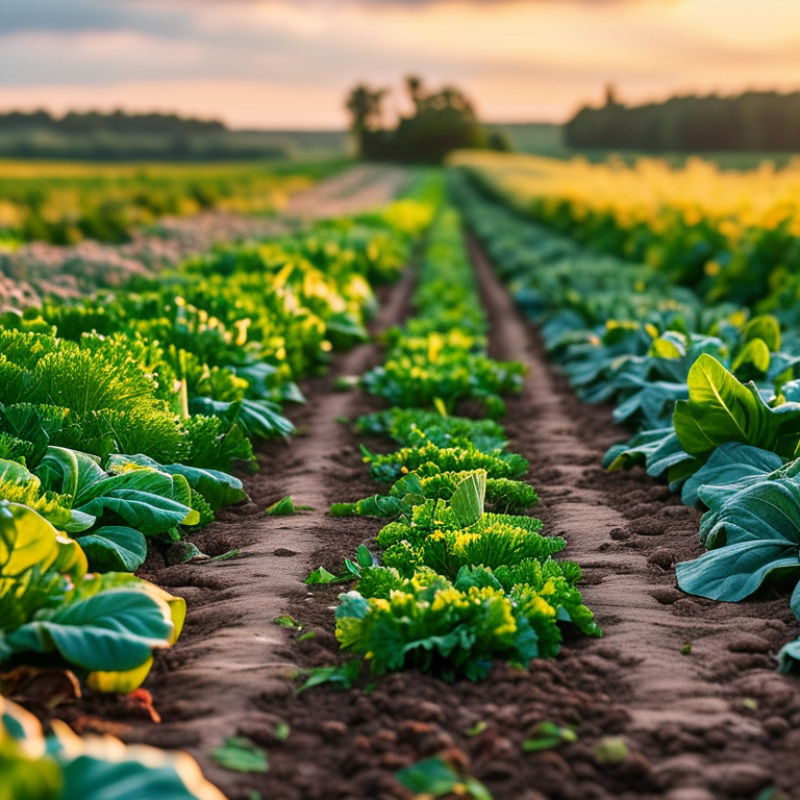
Choosing the right fertilizer is crucial for crop yield. Different crops have unique nutritional needs. Understanding these needs is essential for a successful harvest. Nutrient deficiencies can lead to poor growth. For instance, leafy greens typically require more nitrogen, while root vegetables benefit from phosphorus.
Soil type is another factor to consider. Sandy soils drain quickly and may need frequent fertilization. Clay soils retain nutrients but can become compacted. Testing your soil can provide insight into its nutrient content. This information helps determine the correct type and amount of fertilizer to use.
Timing also plays a role. Some crops thrive when fertilized early, while others do better with late-season applications. Observing your plants can reveal their responses to fertilization. Experimenting with different approaches may refine your methods. Successful farming often involves making adjustments based on previous seasons.
| Crop Type | Primary Nutrients | Recommended N:P:K Ratio | Application Method | Best Time to Apply |
|---|---|---|---|---|
| Corn | Nitrogen, Phosphorus, Potassium | 30:10:10 | Broadcast or side-dress | Early spring and mid-season |
| Tomato | Nitrogen, Phosphorus, Potassium | 5:10:10 | Soil application or foliar spray | Before planting and during flowering |
| Wheat | Nitrogen, Phosphorus | 20:10:10 | Banding and top-dressing | Fall and early spring |
| Potato | Nitrogen, Phosphorus, Potassium | 12:24:24 | Soil incorporation | Before planting and at tuber formation |
| Carrot | Nitrogen, Phosphorus | 4:10:10 | Side-dressing | During early growth stages |
: The right fertilizer boosts crop yield. Each crop has unique nutritional needs affecting its growth and harvest.
Soil type affects nutrient retention. Sandy soils require frequent fertilization, while clay soils retain nutrients longer but may compact.
Testing your soil reveals its nutrient content. This information helps determine the correct fertilizer type and amount.
Timing is crucial. Some crops thrive with early applications, while others benefit from late-season fertilization.
Micronutrients like iron and zinc support plant development. Deficiencies can lead to lower yields and poor crop quality.
Research shows only about 30% of farmers test micronutrient levels. This gap may limit crop performance.
Discoloration of leaves or poor root growth are common signs. Farmers should address these issues promptly.
Incorporating organic matter can boost soil health. This practice helps address micronutrient shortages in crops.
Many farmers may ignore soil health best practices, leading to ongoing nutrient deficiencies and poor crop yields.
Monitor plant responses and adjust fertilization approaches. Learning from previous seasons can improve future yields.
Choosing the right fertilizer for crops involves understanding various factors that impact soil health and crop quality. It is crucial to consider the specific nutrient requirements of different crops, focusing on the macronutrients—nitrogen, phosphorus, and potassium—and their appropriate ratios. Additionally, micronutrients play a significant role in enhancing soil health and overall crop performance.
Interpreting soil test results is essential for making informed decisions on fertilizer application, ensuring that crops receive the nutrients they need at the right time and in the right amounts. Implementing best practices for fertilizer application, including timing and method, can further maximize crop yields. By understanding these elements, farmers can effectively determine how to choose the right fertilizer for crops, leading to healthier plants and improved harvests.

 Lenavax Nutrition