In the quest for optimal health, protein stands out as a crucial nutrient. But what is the best protein source for daily nutrition? According to Dr. Jane Smith, a renowned nutritionist, "A well-rounded diet should prioritize diverse protein sources." Understanding the variety of available protein options is essential for achieving balanced nutrition.
Daily protein needs can vary significantly based on individual lifestyle and activity levels. For some, animal sources like chicken and fish may be ideal. For others, plant-based proteins from beans or nuts could be more beneficial. Many individuals might overlook how these sources can impact overall health in both short and long terms.
While the debate on the best protein sources continues, exploring different types allows for flexibility in meal planning. Individuals must reflect on their dietary choices. It is essential to ask: are we making the best protein choices for our bodies? As we delve into the top 10 protein sources, let's remember that balance and variety lead to improved well-being.
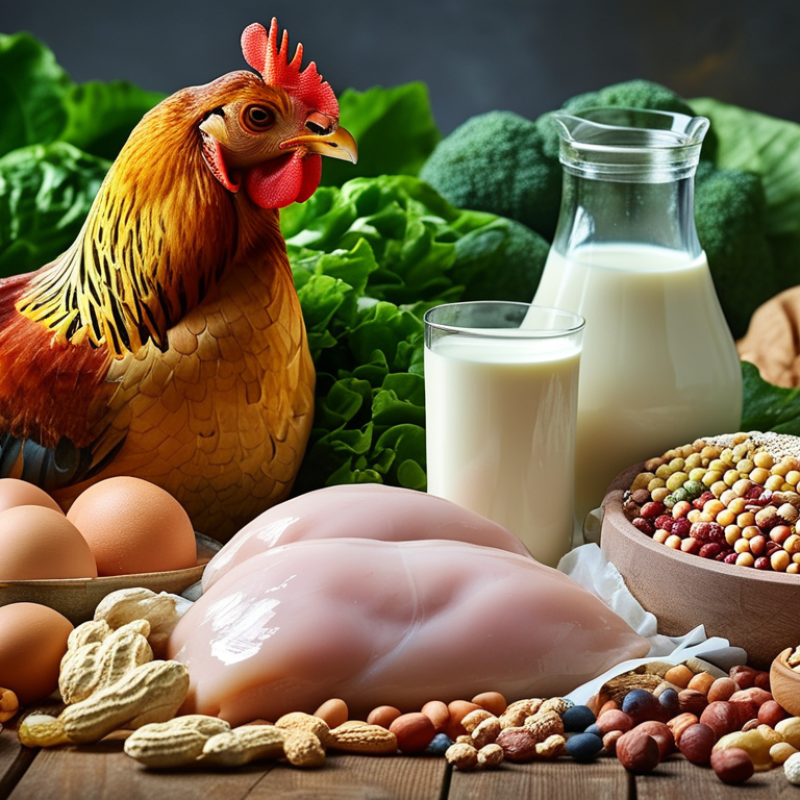
Understanding Protein: Its Importance in Daily Nutrition
Protein plays a crucial role in daily nutrition. It is a vital macronutrient necessary for growth, repair, and overall health. According to the Dietary Guidelines for Americans, adults should aim for 10-35% of their daily caloric intake from protein sources. This translates to about 46 grams for women and 56 grams for men. However, many people struggle to meet these recommendations.
The quality of protein matters. Not all protein sources contain all essential amino acids. Animal proteins, such as meat, eggs, and dairy, are complete proteins. They provide the full spectrum of amino acids needed by the body. In contrast, many plant-based proteins may lack one or more essential amino acids. Still, combining different sources, like rice and beans, can create a complete amino acid profile.
Protein intake is critical for muscle maintenance, especially as we age. The American Journal of Clinical Nutrition suggests that older adults require more protein to preserve muscle mass. There is still debate on the best sources of protein. Some advocate for more plant-based diets, while others promote animal proteins. Balancing these options often leads to better health outcomes. This reflects a need for personalized nutrition approaches. Being aware of one’s dietary preferences can also influence protein choices across lifestyles.
Top 10 Best Protein Sources for Daily Nutrition
| Protein Source |
Protein Content (grams per 100g) |
Type |
Additional Nutrients |
| Chicken Breast |
31 |
Animal |
B vitamins, Selenium |
| Eggs |
13 |
Animal |
Choline, Vitamin D |
| Greek Yogurt |
10 |
Dairy |
Calcium, Probiotics |
| Lentils |
9 |
Plant |
Fiber, Iron |
| Quinoa |
4 |
Plant |
Magnesium, Antioxidants |
| Tofu |
8 |
Plant |
Calcium, Iron |
| Almonds |
21 |
Nut |
Vitamin E, Magnesium |
| Chickpeas |
8 |
Plant |
Folate, Fiber |
| Fish (Salmon) |
25 |
Animal |
Omega-3 Fatty Acids, Vitamin D |
| Peanuts |
25 |
Nut |
Niacin, Folate |
Top Animal-Based Protein Sources for Optimal Health
When it comes to animal-based protein sources, variety is key to optimal health.
Meat is a staple for many. Lean cuts of beef provide essential amino acids.
Chicken is versatile and easy to cook in numerous ways.
Fish, like salmon, is rich in omega-3 fatty acids.
These are important for heart health and brain function.
Eggs are another excellent choice. They pack a protein punch along with vitamins.
Dairy products also play a significant role in animal-based nutrition.
Greek yogurt is creamy and high in protein.
It supports muscle recovery and gut health.
Milk is a classic source. It provides calcium and can enhance bone strength.
However, some people struggle with lactose intolerance. It's essential to consider personal dietary needs.
Each protein source contributes something unique.
Diets rich in these proteins can enhance overall well-being.
Yet, balance is necessary.
Too much saturated fat from certain meats can be harmful.
Always aim for diversity in your protein intake to maximize health benefits.
Exploring Plant-Based Proteins for Vegetarians and Vegans
Exploring plant-based protein sources is essential for vegetarians and vegans. These proteins provide the necessary nutrients for daily nutrition.
Legumes are a great choice. They are rich in protein and fiber. Lentils, chickpeas, and black beans are versatile options. You can use them in soups, salads, or stews.
Nuts and seeds also play a crucial role. They add healthy fats along with protein. Almonds, chia seeds, and hemp seeds are excellent additions to meals. You can sprinkle them on oatmeal or blend them into smoothies. However, portion control is necessary. Nuts are calorie-dense, which can lead to overconsumption.
Tofu and tempeh are popular soy products. They can be grilled, stir-fried, or added to soups. These sources are often high in protein but can vary in quality. However, the nutritional content can sometimes be inconsistent. It’s vital to choose organic and non-GMO options when possible. Relying solely on one type of protein might neglect other nutrients. Diversifying your sources ensures a well-rounded intake.
Comparing Protein Quality: Complete vs. Incomplete Proteins
Protein quality is a crucial aspect of daily nutrition. Protein can be classified into two main types: complete and incomplete.
Complete proteins contain all nine essential amino acids. Examples include eggs, dairy, and meats. On the other hand, incomplete proteins lack one or more essential amino acids.
Many plant-based sources fall into this category, including beans, nuts, and grains. This distinction is vital for individuals aiming for a balanced diet.
Studies indicate that approximately 10-35% of daily calories should come from protein. The Protein Digestibility-Corrected Amino Acid Score (PDCAAS) measures protein quality.
It ranges from 0 to 1.0, with higher values indicating better quality. For instance, eggs score 1.0, marking them as a premier choice.
Meanwhile, many legumes score between 0.5 to 0.8. Though they provide essential nutrients, these sources may lead to deficiencies if relied upon solely for protein intake.
Users often overlook the importance of varying protein sources. A diet that relies excessively on incomplete proteins may not fulfill all amino acid requirements. This approach can lead to gradual deficiencies.
Therefore, it’s essential to combine different protein sources, like pairing rice with beans. Thoughtful choices can make protein intake both varied and nutrient-dense.
Recognizing the quality of protein in your diet is a step toward better health.
How to Incorporate Protein into Every Meal for Balanced Nutrition
Incorporating protein into every meal can significantly enhance your daily nutrition. Research shows that adults should aim for about 0.8 grams of protein per kilogram of body weight. This means that a 70 kg individual should consume roughly 56 grams of protein daily. To achieve balanced nutrition, include protein sources in breakfast, lunch, and dinner.
For breakfast, consider adding Greek yogurt or eggs to your meal. Greek yogurt has about 10 grams of protein per 100 grams. Similarly, two large eggs provide about 12 grams of protein. For lunch, lean meats or legumes can elevate your protein intake. Grilled chicken offers around 31 grams of protein per 100 grams, while lentils provide about 9 grams per half-cup. As for dinner, fish is an excellent option. Salmon, for example, delivers around 25 grams of protein per 100 grams.
It's essential to think critically about protein sources. While red meat is rich in protein, it can also be high in saturated fat. Additionally, many processed protein snacks may contain added sugars or artificial ingredients. Being mindful of these choices can lead to a more balanced diet. Always aim for whole food sources and consider plant-based proteins to diversify your intake. Each protein addition should contribute to your overall nutrient balance, leading to better health outcomes.
FAQS
: Lean beef, chicken, fish, eggs, and dairy are excellent choices. They provide essential amino acids and nutrients.
Different proteins offer unique nutrients. A diverse intake supports overall health and prevents nutrient gaps.
Dairy products like yogurt and milk are high in protein and calcium, beneficial for muscle and bone health.
Lactose intolerance affects many people. It’s important to consider personal dietary needs when including dairy.
Legumes, nuts, seeds, tofu, and tempeh provide essential protein. They help meet dietary needs without animal products.
Yes, but they are calorie-dense. Portion control is vital to avoid overeating and gaining excess weight.
Add lentils, chickpeas, or black beans to soups, salads, or stews for a nutritious boost.
Their nutritional quality can vary. Always choose organic and non-GMO options for the best health benefits.
Yes, it may neglect vital nutrients. A mix of protein sources is important for balanced nutrition.
Balance is crucial. Too much saturated fat from certain meats can be harmful, affecting overall health.
Conclusion
Protein is an essential macronutrient that plays a critical role in daily nutrition. Understanding its importance helps us make informed dietary choices. The article discusses various animal-based protein sources, such as lean meats, dairy, and seafood, known for their high-quality protein content essential for optimal health. It also explores plant-based proteins, highlighting options suitable for vegetarians and vegans, including legumes, nuts, and seeds.
When comparing protein quality, the article distinguishes between complete and incomplete proteins, emphasizing the need for a balanced intake. To ensure adequate protein consumption, practical strategies for incorporating protein into every meal are also discussed. Ultimately, the question of what is the best protein source for daily nutrition depends on individual dietary preferences, lifestyle needs, and overall health goals, ensuring a diverse and balanced approach to nutrition.

 Lenavax Nutrition