What is Animal Nutrition and Why It Matters for Your Business?

Time:2026-06-07 Author:Oliver
0%

Animal nutrition plays a critical role in the success of agricultural businesses. Understanding "what is animal nutrition and why does it matter" is essential for maximizing productivity and profitability. The animal feed market is projected to reach $500 billion by 2025, according to industry reports. This growth highlights the importance of providing quality nutrition to livestock.

Proper nutrition affects growth rates, reproduction, and overall health. Inadequate nutrition can lead to poor production performance and increased veterinary costs. Reports indicate that up to 20% of livestock production losses stem from nutritional deficiencies. This underscores the need for owners to prioritize sound nutritional practices.

Investing in animal nutrition is no longer optional. It requires awareness of the latest research and trends. Many businesses still struggle to implement effective nutritional strategies. It’s crucial to assess current practices and seek expert guidance. Doing so can differentiate your business in a competitive marketplace. The focus must shift toward understanding specific nutritional needs to ensure optimal animal welfare and business sustainability.
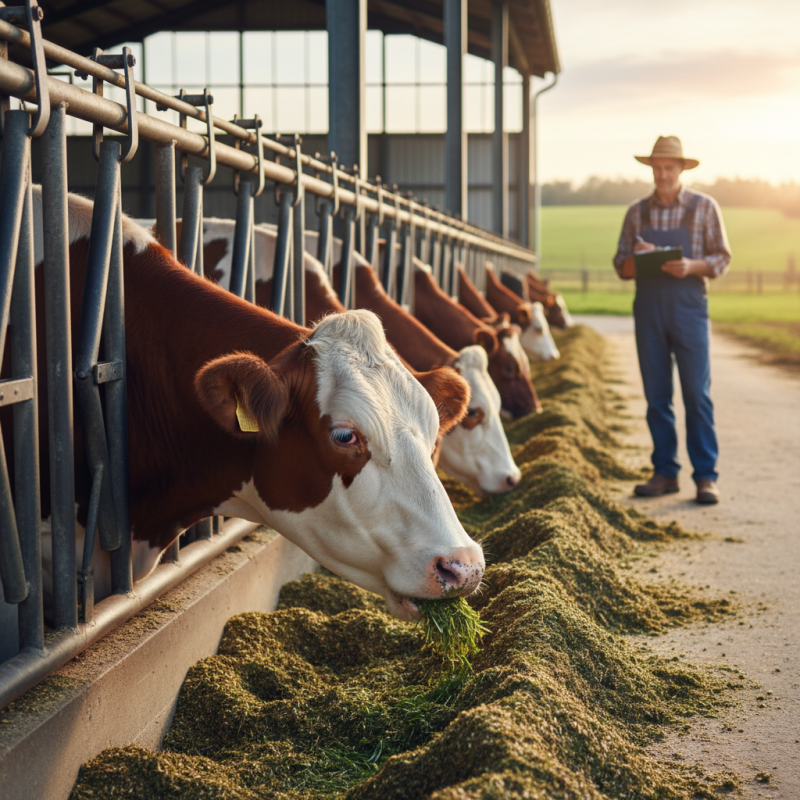
What is Animal Nutrition and Why It Matters for Your Business?

Understanding Animal Nutrition: Key Concepts and Definitions

Animal nutrition is an essential aspect of livestock management. Understanding key concepts is vital for success. Nutrition influences growth, reproduction, and overall health. A balanced diet affects productivity in animals significantly. Knowledge of macronutrients and micronutrients is crucial. Protein, fats, and carbohydrates serve as energy sources. Minerals and vitamins support metabolic functions.

Focusing on the specifics helps enhance animal performance. For instance, deficiencies in essential nutrients can lead to diseases. Symptoms may include reduced appetite or poor growth. It's important to analyze feed quality regularly. Inconsistent feeding practices can disrupt digestion. Integrating supplements might be necessary for optimal health.

Veterinary guidance should be sought in questionable cases. Awareness of nutritional requirements varies across species. Each animal has unique needs based on age and activity level. This complexity demands ongoing research and adaptation. Ignoring these factors can lead to financial losses. Maintaining a proactive approach to animal nutrition is crucial for business sustainability.

The Importance of Proper Nutrition for Animal Health and Productivity

Proper nutrition is crucial for maintaining the health and productivity of animals. When animals receive balanced diets, their immune systems become stronger. This helps prevent disease and improves overall well-being. Healthy animals tend to grow faster and produce more milk or meat. These factors are vital for businesses in agriculture.

However, achieving optimal nutrition is not always straightforward. Many factors influence animal dietary needs, including age, species, and environment. It can be challenging to formulate the right diet that meets these varied requirements. Businesses often struggle to find the right nutritional balance, which can lead to inefficiencies.

Regular monitoring of animal health and productivity is essential. Keeping track of weight, growth rates, and overall behavior can provide insights into nutritional effectiveness. If animals are not thriving, it prompts a need for change. Every farm has unique challenges. Therefore, seeking expert advice can often lead to better nutrition strategies. Emphasizing proper nutrition is an ongoing process that requires attention and adaptation.

Nutritional Requirements for Different Animal Species

Understanding the nutritional requirements of different animal species is crucial for ensuring their health and productivity. Each species has unique dietary needs shaped by its biology and environment. For instance, ruminants like cattle require high fiber content for effective digestion. In contrast, monogastric animals such as pigs thrive on a diet rich in easily digestible carbohydrates and proteins.

Feeding practices also vary widely. Poultry needs a balanced intake of vitamins and minerals for optimal growth. A deficiency in essential nutrients can lead to poor performance and health issues. It's essential to regularly assess these diets based on changing needs, especially during different growth phases or production cycles.

Businesses must invest in research and expert advice to formulate the right diet. Misinterpretations can lead to serious consequences, such as reduced fertility and increased mortality rates. Monitoring animal health and adjusting nutrition accordingly can significantly enhance outcomes. The importance of ongoing education in animal nutrition cannot be overstated, as it directly impacts profitability and sustainability in the industry.

Nutritional Requirements for Different Animal Species

This chart displays the daily nutritional requirements (in grams) for various animal species including dogs, cats, cows, and pigs. Understanding these requirements can help businesses optimize feed formulas and improve animal health.

Impact of Animal Nutrition on Business Performance and Profitability

Animal nutrition plays a critical role in the success of agricultural businesses. Proper nutrition influences growth rates, reproductive performance, and overall health of livestock. When animals receive a balanced diet, they perform better. This boosts the bottom line through higher production rates and lower veterinary costs. On the flip side, neglecting nutritional needs can lead to poor performance and financial loss.

Understanding animal nutrition can enhance profitability. Farmers can optimize feed formulations to reduce waste and improve feed conversion ratios. Effective management of nutrition can ensure animals are healthier. Healthier animals often lead to increased milk, meat, or egg production. Yet, some businesses fall short by relying solely on traditional practices. They overlook the nuances of individual animal needs, which can compromise outcomes.

Investing in animal nutrition requires careful consideration. It’s not just about the quantity of feed; quality matters too. Some may hesitate to adjust feeding strategies due to perceived costs. However, the long-term savings from improved animal health can outweigh initial investments. Businesses must reflect on their practices and stay informed to thrive in a competitive market.

Best Practices in Implementing Effective Animal Nutrition Programs

Implementing effective animal nutrition programs is vital for any business in the agricultural sector. A recent report by the Animal Nutrition Association states that optimizing animal diets can improve productivity by 15–25%. Better nutrition boosts growth rates, enhances feed efficiency, and reduces healthcare costs. Businesses that invest in nutrition programs can see significant returns on investment.

It's essential to assess the nutritional needs of specific breeds and species. Regularly updating nutrient formulations based on research can drive better outcomes. For instance, the National Research Council highlights that tailored diets improve milk production in dairy cows by up to 20%. However, many producers often overlook the importance of regular testing and adjustments, which can lead to imbalances and reduced performance.

Engaging with animal nutritionists can enhance program effectiveness. Experts can guide the use of feed additives and supplements, optimizing diets for energy, protein, and minerals. However, challenges remain in ensuring consistent feed quality. Issues like contamination and variable ingredient quality require constant attention. Relying solely on suppliers without thorough checks may introduce risk.

FAQS

: Why is animal nutrition important?

: Animal nutrition is crucial for livestock management. It affects growth, reproduction, and overall health.

What nutrients are essential for animals?

Key nutrients include macronutrients like protein, fats, and carbohydrates, plus vitamins and minerals.

How does poor nutrition impact animals?

Deficiencies can lead to diseases, reduced appetite, and poor growth. It affects productivity significantly.

Why should feed quality be analyzed regularly?

Consistent feed quality ensures proper digestion. Inconsistent feeding can disrupt animal health.

How can nutritional needs vary?

Each species has unique needs based on age and activity level. Ongoing research is necessary for accurate understanding.

What is the financial impact of ignoring nutrition?

Poor nutrition can lead to financial losses in agricultural businesses. Neglecting needs reduces performance and increases costs.

How can farmers enhance profitability through nutrition?

By optimizing feed formulations, farmers can reduce waste and improve feed conversion ratios, leading to healthier animals.

Why might farmers hesitate to invest in nutrition?

Some fear costs associated with adjusting feeding strategies. They may not see immediate benefits.

How does animal health relate to production?

Healthier animals often produce more milk, meat, or eggs. Proper nutrition enhances overall productivity.

What should businesses reflect on regarding their practices?

They need to stay informed and adapt to individual animal needs. Traditional practices may not suffice.

Conclusion

Animal nutrition is a crucial aspect of livestock management that directly impacts animal health, productivity, and overall business performance. Understanding the key concepts and definitions of animal nutrition helps in tailoring dietary plans that meet the nutritional requirements of different species. Proper nutrition not only fosters better growth and reproduction rates but also enhances the immune system, ultimately leading to healthier animals.

What is animal nutrition and why does it matter? The answer lies in its significant influence on profitability. Effective animal nutrition programs not only boost the performance of the animals but also optimize resource use and reduce costs, resulting in enhanced business efficiency. Implementing best practices in animal nutrition can lead to tangible advantages, paving the way for sustainable and profitable farming practices.

Oliver

Oliver

Oliver is a seasoned marketing professional with a wealth of expertise in driving brand awareness and engagement. With a deep understanding of our company's product offerings, he consistently delivers high-quality content that enriches our professional blog. His insights not only shed light on......