Minerals rarely work alone. Sodium, potassium, calcium, magnesium, iron, and zinc interact through fluid balance, nerves, muscles, blood, and bone health. This 2026 guide explains how to balance mineral intake in diet without chasing excessive supplements. The goal is steadiness, not perfection.
The World Health Organization’s Global Report on Sodium Intake Reduction (2023) estimates global average sodium intake near 4.3 grams daily. That exceeds WHO’s recommended limit of 2 grams. WHO also recommends at least 3.5 grams of potassium daily for adults. These figures reveal a common pattern: processed foods may provide too much sodium, while fresh produce remains underused. A salty instant noodle cup beside a banana shows the contrast clearly.
The National Academies’ Dietary Reference Intakes provide age- and sex-specific targets for calcium, magnesium, and other nutrients. The NIH Office of Dietary Supplements adds evidence-based guidance on iron, zinc, and supplement safety. USDA FoodData Central can help compare mineral values in ordinary foods, such as beans, yogurt, spinach, seeds, seafood, and whole grains. Still, databases have limits. Portion sizes vary, and labels may not reflect personal absorption.
A reliable approach begins with a varied plate, regular meals, and careful label reading. People with kidney disease, pregnancy, anemia, or prescribed medications need individualized advice. More is not always better. I have sometimes underestimated how quickly sodium accumulates across sauces, breads, and packaged snacks. That mistake deserves attention. This guide combines established research with practical reflection, while acknowledging that mineral needs differ between bodies, diets, and health conditions.
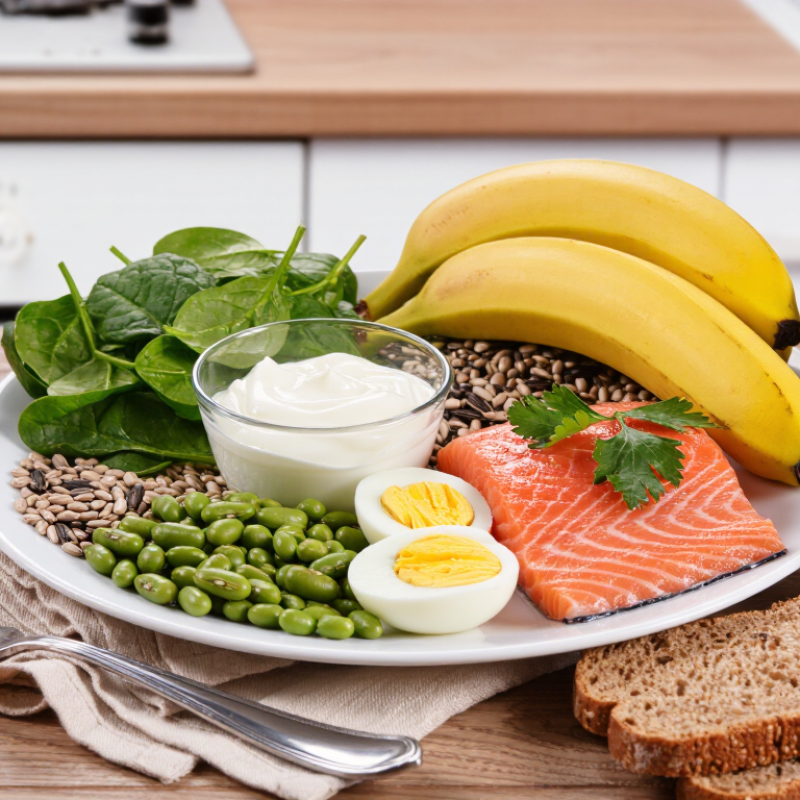
Minerals support nerve signals, muscle contraction, oxygen transport, and bone structure. Their value extends beyond isolated nutrient targets. The National Academies’ Dietary Reference Intakes recommend 1,000 milligrams of calcium daily for most adults aged 19–50. Iron needs differ sharply. Men generally need 8 milligrams, while premenopausal women need 18 milligrams daily. That difference matters.
WHO recommends less than 2,000 milligrams of sodium daily, equal to under 5 grams of salt. It also recommends at least 3,510 milligrams of potassium for adults. A baked potato, lentils, yogurt, spinach, and fruit can move a meal toward that balance. Yet food preparation changes the picture. Sauces, preserved foods, and frequent restaurant meals can quietly raise sodium intake. Real meals are messier.
The 2020–2025 Dietary Guidelines for Americans identify calcium, potassium, and dietary fiber as dietary components of public health concern. This signals a food-pattern problem, not simply a supplement shortage. Pairing plant-based iron sources with vitamin C-rich vegetables may improve absorption. Tea and coffee near meals may reduce non-heme iron absorption, especially for vulnerable individuals. Personal needs still vary with age, pregnancy, kidney function, medication use, and medical history. I would not treat a generic mineral chart as a diagnosis. A registered dietitian or qualified clinician can interpret blood tests and dietary patterns more safely.
Mineral needs change with age, body size, activity, and health status. Children need calcium, phosphorus, and zinc for growing bones and tissues. Teenagers may require extra iron, especially during menstruation. Adults often need steady calcium, magnesium, potassium, and iron from varied foods. Older adults may absorb less calcium and vitamin B12, while medication use can affect sodium or potassium levels.
Pregnancy increases the need for iron, iodine, and calcium. People with kidney disease may need to limit potassium, phosphorus, or sodium under medical supervision. Those with digestive disorders may absorb fewer minerals, even when meals appear nutritious. Heavy sweating can increase sodium losses, but replacing it blindly can be unsafe. A clinician can use symptoms, diet history, and blood tests to guide changes.
Build meals with visible variety: beans, leafy greens, dairy or fortified alternatives, fish, eggs, nuts, seeds, fruit, and whole grains. Add less salt, rather than removing it completely. That distinction matters. A common mistake is treating supplements as harmless insurance; excessive iron, zinc, or selenium can cause harm. I would also question one-size-fits-all mineral charts, because individual needs rarely fit perfectly. Keep a three-day food record and review it with a qualified healthcare professional when fatigue, muscle cramps, unexplained weakness, or major dietary changes occur.
A balanced diet begins with variety, not a perfect food list. Each meal can combine vegetables, whole grains, protein, and a calcium-rich food. Leafy greens and beans provide magnesium and iron. Nuts, seeds, and whole grains add zinc and selenium. Seafood, eggs, and dairy foods can support iodine and calcium intake. Potassium-rich choices include potatoes, bananas, beans, and yogurt.
Tips: Use iodized salt sparingly, rather than adding large amounts. Pair beans or lentils with tomatoes, oranges, or peppers. Vitamin C may improve the absorption of plant-based iron. Keep tea and coffee away from iron-focused meals if absorption is a concern. Drink water regularly. Small choices matter.
Mineral needs vary with age, pregnancy, activity, medications, and health conditions. A registered dietitian or qualified healthcare professional can interpret symptoms and laboratory results more safely than online checklists. Supplements are not automatically better. Excess iron, iodine, or selenium can create problems. Even experienced meal planners miss variety during busy weeks. I do too. A simple weekly check can help: count different vegetables, protein sources, whole grains, and mineral-rich snacks. Adjust gradually, not dramatically.
2026 Top Guide: How to Balance Mineral Intake in Diet?
Mineral balance depends on absorption, interactions, and meal timing. The National Academies’ Dietary Reference Intakes list adult calcium needs near 1,000 mg daily, while magnesium needs range from 310 to 420 mg. These targets are not equally absorbed. Phytates in bran, legumes, and seeds can reduce mineral uptake. Soaking, sprouting, or cooking may help, although results vary.
Iron deserves careful planning. The NIH Office of Dietary Supplements reports an 18 mg daily recommendation for many menstruating adults, compared with 8 mg for adult men. Pair plant-based iron with citrus, peppers, or tomatoes. Vitamin C can improve non-heme iron absorption. Avoid taking iron-rich meals with large calcium supplements or strong tea. Calcium and iron can compete. Yet individual responses differ, and meal timing is not magic. I once treated timing too rigidly; that was an oversimplification.
Tips: Keep coffee and tea away from iron-focused meals by about one hour. Spread calcium across meals instead of taking it all at once. Check labels for sodium, because the World Health Organization recommends less than 2,000 mg sodium daily. Potassium-rich foods, including beans, potatoes, and leafy greens, can support dietary balance. People with kidney disease need medical guidance before increasing potassium. Food records can reveal patterns, but they cannot replace blood tests or professional assessment.
| Mineral | Typical Adult Reference Intake | Important Food Sources | Factors That May Improve Absorption | Potential Interactions | Practical Meal-Timing Guidance | Key Balance Consideration |
|---|---|---|---|---|---|---|
| Iron | 8 mg/day for adult men and postmenopausal women; 18 mg/day for premenopausal women. Adult upper limit: 45 mg/day. | Meat, seafood, poultry, beans, lentils, tofu, spinach, and fortified grains. | Vitamin C-rich foods can enhance non-heme iron absorption. Cooking acidic foods in cast iron may add small amounts of iron. | Tea, coffee, calcium, and phytates can reduce absorption when consumed with an iron-rich meal. Iron supplements can interact with some medicines. | Pair plant-based iron with peppers, citrus, tomatoes, or other vitamin C foods. If using an iron supplement, follow clinician or product instructions. | Iron needs are higher during pregnancy and menstruation. Do not use high-dose supplements without testing or medical advice. |
| Calcium | 1,000 mg/day for most adults; 1,200 mg/day for women aged 51–70 and adults over 70. Adult upper limit: generally 2,000–2,500 mg/day, depending on age. | Milk, yogurt, cheese, calcium-set tofu, canned fish with bones, kale, and fortified beverages. | Vitamin D supports calcium absorption. Calcium absorption is generally better when intake is divided into portions of about 500 mg or less. | Large supplemental doses may compete with iron, zinc, and magnesium absorption. Calcium can also interfere with absorption of some medicines. | Spread calcium-containing foods across meals. Calcium carbonate is usually taken with food; calcium citrate can be taken with or without food. | Prioritize food sources and avoid routinely exceeding the upper limit from supplements and fortified products combined. |
| Magnesium | 400–420 mg/day for adult men and 310–320 mg/day for adult women. Upper limit from supplements and medications: 350 mg/day for adults. | Nuts, seeds, legumes, whole grains, leafy greens, and selected seafood. | A varied diet provides magnesium in forms that are generally well tolerated. Soaking or sprouting legumes may reduce some phytates. | High-dose supplemental magnesium can cause diarrhea. Magnesium may reduce absorption of certain antibiotics and osteoporosis medicines. | Take magnesium supplements with food if they cause stomach upset. Separate them from interacting medicines according to professional guidance. | Food-based magnesium is preferred. Kidney disease can impair magnesium excretion and requires medical supervision. |
| Zinc | 11 mg/day for adult men and 8 mg/day for adult women. Adult upper limit: 40 mg/day. | Oysters, meat, poultry, seafood, dairy foods, beans, nuts, and whole grains. | Animal foods generally provide highly bioavailable zinc. Soaking, fermenting, or sprouting plant foods may reduce phytate content. | High-dose zinc can reduce copper absorption and may affect iron status. Zinc also interacts with some antibiotics. | Take zinc with food to reduce nausea. Separate zinc supplements from competing minerals or medicines when advised. | Avoid long-term high-dose zinc unless prescribed, because copper deficiency can develop. |
| Potassium | Adequate intake: 3,400 mg/day for adult men and 2,600 mg/day for adult women. | Potatoes, beans, lentils, tomatoes, leafy greens, fruit, dairy foods, and fish. | Including vegetables, fruit, legumes, and dairy foods throughout the day supports adequate intake. | Potassium supplements and salt substitutes may be unsafe with kidney disease or certain blood-pressure medicines. | Distribute potassium-rich foods across meals rather than relying on supplements. Ask a clinician before using potassium-based salt substitutes. | A higher potassium intake from food often accompanies a healthier dietary pattern, but medical conditions may require restriction. |
| Sodium | Limit sodium to less than 2,300 mg/day for most adults; lower targets may be recommended for some individuals. | Table salt, breads, sauces, soups, cured foods, snack foods, and many packaged meals. | Use herbs, spices, citrus, and unsalted foods to improve flavor without adding sodium. | Excess sodium can increase fluid retention and blood pressure in salt-sensitive individuals. Sodium and potassium balance is influenced by overall dietary pattern. | Check packaged-food labels and compare sodium per serving. Balance the day rather than focusing only on one meal. | Most sodium comes from processed and restaurant foods, not the salt shaker alone. |
| Iodine | 150 mcg/day for adults. Pregnancy requires 220 mcg/day and lactation requires 290 mcg/day. Adult upper limit: 1,100 mcg/day. | Iodized salt, seafood, dairy foods, eggs, and some fortified products. | Using iodized salt in modest amounts can help meet needs. Seafood and dairy foods can also contribute. | Both deficiency and excess can affect thyroid function. Seaweed iodine content varies widely and may be very high. | No special timing is generally required. Avoid combining multiple iodine-containing supplements without professional advice. | People who avoid dairy, seafood, eggs, and iodized salt may need individualized dietary guidance. |
| Phosphorus | 700 mg/day for adults. Adult upper limit from food and supplements is 4,000 mg/day, with a lower limit for adults over 70. | Dairy foods, meat, poultry, fish, eggs, beans, nuts, and whole grains. | Phosphorus from animal foods is generally well absorbed; absorption from many plant foods is lower because of phytate binding. | Phosphate additives in processed foods are highly absorbable. Excess phosphorus is a particular concern in chronic kidney disease. | Review ingredient lists for phosphate additives if advised to limit phosphorus. Timing of phosphate binders must follow medical instructions. | Healthy adults usually obtain enough phosphorus; supplementation is rarely needed without a specific indication. |
2026 Top Guide: How to Balance Mineral Intake in Diet?
Minerals support blood formation, nerve signals, muscles, bones, and fluid balance. However, deficiency and excess can look surprisingly similar. Fatigue may reflect low iron, poor sleep, or another health issue. Restrictive diets, heavy menstrual bleeding, pregnancy, digestive disorders, and limited food variety can raise deficiency risks. A pale plate and frequent dizziness deserve attention, not guesswork.
Excess intake is also possible. Too much sodium may worsen blood pressure, while excessive iron can damage organs. High-dose zinc may reduce copper absorption. Large calcium doses can contribute to kidney stones in some people. Food sources are usually easier to balance: lentils, leafy greens, eggs, fish, dairy foods, nuts, fruit, and lightly salted meals. I once assumed that “more nutrients” meant better health. That idea needs correcting.
Tips: Check supplement labels and avoid stacking similar products. Ask a qualified healthcare professional about blood tests before treating suspected deficiencies. Increase mineral-rich foods gradually, and drink enough water. Keep a simple three-day food record, including fortified foods and supplements. Be honest about your diet. Perfect tracking is unrealistic, but vague estimates can hide problems. People with kidney, liver, or heart conditions need individualized advice before changing mineral intake.
Compare selected adult daily reference values with established upper limits. Values vary by age, sex, pregnancy status, and health condition. A balanced diet is preferred, while excessive supplementation may increase risk.
Reference values are based on U.S. National Academies and NIH Office of Dietary Supplements guidance. Magnesium upper limit applies to supplements and medications only; potassium has no established upper limit for healthy adults.
Combine vegetables, whole grains, protein, and one calcium-rich food. Think lentils, brown rice, greens, and yogurt.
Beans and leafy greens provide iron and magnesium. Nuts, seeds, eggs, seafood, dairy, potatoes, and bananas add other minerals.
Pair beans or lentils with tomatoes, oranges, or peppers. Vitamin C may help the body absorb plant-based iron.
Keep tea and coffee away from iron-focused meals if absorption concerns exist. Timing may help, but individual needs differ.
Use iodized salt sparingly instead of adding large amounts. Lightly salted meals are usually easier to balance.
Fatigue, dizziness, or pale skin can deserve attention. These signs have many possible causes, so avoid guessing from symptoms alone.
Yes. Excess iron, iodine, or selenium may harm health. High-dose zinc can reduce copper absorption, and large calcium doses may contribute to kidney stones.
People who are pregnant, menstruating heavily, very active, or following restrictive diets may need guidance. Kidney, liver, and heart conditions require extra care.
Keep a simple three-day food record, including supplements and fortified foods. Review vegetable, protein, grain, and snack variety weekly. Perfect tracking is unrealistic.
This guide explains how to balance mineral intake in diet by showing why minerals such as calcium, iron, magnesium, potassium, zinc, and iodine are essential for strong bones, healthy blood, nerve function, muscle activity, and immune support. Because mineral needs vary with age, activity level, pregnancy, medical conditions, and lifestyle, a balanced eating plan should be adjusted to individual health status rather than relying on a single universal target.
The article also presents practical ways to obtain minerals from varied foods, including vegetables, fruits, legumes, whole grains, nuts, seeds, dairy or suitable alternatives, seafood, eggs, and lean protein. It highlights how preparation methods, nutrient combinations, and meal timing can influence absorption, while certain minerals and supplements may compete with one another. Finally, it explains how to recognize potential deficiency risks, avoid excessive intake, and seek professional guidance when symptoms, restricted diets, or health conditions may affect mineral balance.

Lenavax Nutrition