2026 Best Balanced Animal Feed Why Is It Important?

Time:2026-06-19 Author:Isabella
0%

Balanced animal feed plays a crucial role in the agricultural sector. It impacts animal health and productivity significantly. But what is the importance of balanced animal feed? It isn't just about filling stomachs. Proper nutrition enhances growth rates and improves overall well-being.

Inadequate or unbalanced feed can lead to serious health issues. Animals may suffer from deficiencies or excesses of vital nutrients. For example, a lack of protein can hinder muscle development. Conversely, too much fat can lead to obesity and other complications.

Farmers must understand these dynamics thoroughly. The right mix of ingredients can maximize performance and minimize health risks. Investing in quality animal feed is not just a choice; it is a necessity for sustainable farming. Balancing costs and quality requires knowledge and careful planning from producers.
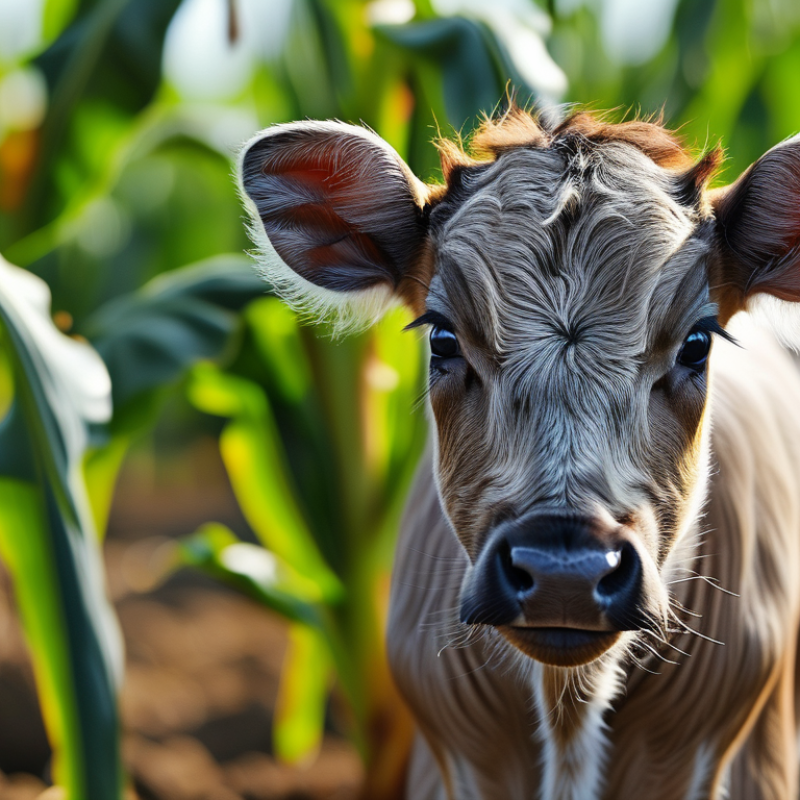
2026 Best Balanced Animal Feed Why Is It Important?

What is Balanced Animal Feed and Its Key Components

Balanced animal feed is essential for the well-being and productivity of livestock. It consists of several key components, including proteins, vitamins, minerals, and fiber. These elements help animals grow, reproduce, and maintain health. Farmers strive to provide their animals with a diet that meets these nutritional needs.

Proteins are crucial in animal feed. These macronutrients support muscle development and overall growth. They vary based on the type of livestock. For instance, poultry relies heavily on specific protein sources. Vitamins and minerals also play vital roles. They promote immune function and prevent deficiencies. Yet, many livestock operations still struggle with nutrient balance.

Fiber contributes to digestion. It helps maintain gut health in animals. However, obtaining the right mix can be challenging. Some blends may lack adequate fiber or protein levels. Regular assessments of the feed's composition are necessary. This ensures that animals receive what they need. Refining feed formulations is an ongoing process in animal husbandry. Managing these components effectively supports healthier livestock.

2026 Best Balanced Animal Feed - Why Is It Important?

Component Importance Recommended Daily Intake
Protein Supports growth and muscle development 18-25% based on animal type
Fiber Aids in digestion and gut health 15-20% for ruminants
Vitamins Essential for metabolic processes Varies by species, generally provided in mg/kg
Minerals Important for bone health and enzymatic functions 0.5-1% of total diet
Fats Provide energy and support skin health 5-10% based on energy needs

The Importance of Nutrition in Animal Health and Growth

Nutrition is crucial for animal health and growth. A balanced diet impacts not just physical development but also overall well-being. Animals require essential nutrients to thrive. Proteins, carbohydrates, fats, vitamins, and minerals all play unique roles. Each nutrient contributes to bodily functions and energy levels. When these elements are unbalanced, health issues can arise.

Poor nutrition can lead to various problems. Animals might experience stunted growth, weakened immune systems, or reproductive issues. Animals in farming systems are particularly vulnerable. A farmer's choice of feed can affect livestock performance directly. It’s essential to monitor dietary intake closely. Many animals may show subtle signs of nutrient deficiencies. Not all deficiencies are easy to spot. Observing behavior and growth patterns can provide valuable insights.

Food quality should not be overlooked. Even good intentions can lead to imbalanced diets. It’s important to review ingredient sources. This process can sometimes be messy and challenging. Inconsistent feed supplies can also disrupt nutritional balance. Ongoing education and research help improve feeding strategies. Understanding animal needs is a continuous journey for owners and breeders.

Impact of Balanced Feed on Livestock Productivity and Profitability

Balanced animal feed plays a crucial role in livestock productivity and profitability. Studies indicate that livestock fed with balanced nutrition exhibit 10-15% higher milk and meat production. For instance, research from the Journal of Animal Science highlights that feeding dairy cows with optimized feed formulations can increase milk yield significantly while improving overall health.

Properly balanced diets support livestock immune systems, reducing disease incidence. According to the Feed Conversion Efficiency Report, farms using balanced feed saw a 20% decrease in veterinary costs. Healthy animals produce better quality products, which translates to higher market prices. Moreover, the nutritional consistency in balanced feed fosters faster growth rates, directly impacting profitability. Livestock raised on quality feed often require less time to reach market weight, enhancing overall operational efficiency.

However, achieving a balanced feed can be challenging. Many farmers face difficulties in sourcing quality ingredients. Inconsistent quality can undermine productivity. It's essential for farmers to seek reliable nutrition sources and stay informed about seasonal variations in feed availability. Regular monitoring and adjustments are necessary to maintain livestock health. Careful attention to feed formulations will support both animal well-being and economic viability, but the path to balance is not always straightforward.

Factors Influencing the Formulation of Balanced Animal Feed

Formulating balanced animal feed is a complex process. Several factors play a significant role in creating effective formulas. The nutritional needs of different animals vary greatly. This inconsistency requires careful adjustment of ingredients.

The age and species of the animal are crucial considerations. Young animals often need more protein and calcium for growth. In contrast, adult animals might require higher fiber levels. The environment and climate also influence dietary requirements. For instance, animals in colder climates often need extra energy to maintain body heat.

Another factor is the quality of available feed ingredients. Variability in nutrient content can affect the overall balance. Farmers must work with local suppliers to ensure consistency. Regular testing of feed components is essential for ensuring all nutrient needs are met. Balancing cost and quality can also challenge producers. Often, cheaper ingredients may lack vital nutrients. This could lead to health issues in animals down the line. Feeding practices must evolve with changing knowledge and research in animal nutrition.

Factors Influencing the Formulation of Balanced Animal Feed

Recent Advances in Balanced Feed Technology and Research

The importance of balanced animal feed cannot be overstated. Recent advances in technology have enhanced feed formulations, ensuring animals receive essential nutrients. Precision nutrition has emerged as a vital area of research. This involves tailoring diets to meet specific animal requirements based on growth stages and health status.

New research explores the use of alternative protein sources. These alternatives can reduce dependence on traditional ingredients. Incorporating insects or plant-based proteins offers sustainable options. It’s crucial to ensure these new sources are digestible and nutritionally adequate. While these innovations are promising, they also require careful evaluation.

There are challenges to consider in balanced feed development. Variability in raw materials can affect nutritional consistency. Quality control becomes essential in large-scale production. Ultimately, striking a balance between nutritional quality and sustainability is key. Continuous research and innovation in feed technology will shape the future of livestock nutrition.

FAQS

: Why is nutrition important for animal health?

: Nutrition impacts physical development and overall well-being. Essential nutrients are needed for animals to thrive.

What can poor nutrition lead to in animals?

It can cause stunted growth, weakened immune systems, and reproductive issues in animals.

How do dietary needs vary among animals?

Different species and ages require unique nutrient levels. Young animals often need more protein and calcium.

What affects the formulation of balanced animal feed?

Ingredient quality, environment, and specific animal needs influence feed formulations significantly.

How can farmers ensure feed quality?

Regular testing of feed ingredients and sourcing from reliable suppliers are essential for balanced nutrition.

What are the recent advances in feed technology?

Recent technology improves feed formulations. Precision nutrition tailors diets to specific animal needs.

What role do alternative protein sources play?

They offer sustainable options, reducing reliance on traditional ingredients. Digestibility and nutritional adequacy must be ensured.

What challenges exist in balanced feed development?

Variability in raw materials and maintaining quality control can complicate production processes.

How can nutrition practices evolve?

Ongoing education and research improve understanding of animal dietary needs. Feeding practices must adapt over time.

What is the importance of observational insights?

Subtle signs of nutrient deficiencies may not be obvious. Observing behavior and growth patterns is crucial.

Conclusion

Balanced animal feed plays a crucial role in livestock management, as it encompasses the essential nutrients required for optimal health and growth. The key components of balanced feed include proteins, carbohydrates, vitamins, and minerals that collectively support an animal's metabolic processes. Understanding what is the importance of balanced animal feed is vital, as it significantly influences both the health of the animals and their productivity. Proper nutrition can lead to enhanced growth rates, better reproduction, and overall improved livestock performance, ultimately translating into increased profitability for farmers.

Several factors affect the formulation of balanced animal feed, including animal species, age, and specific nutritional needs. Recent advancements in feed technology and research are enhancing our understanding of these components and improving feed formulations. This proactive approach allows producers to create more effective feeding strategies, ensuring that their livestock receive the nutrients necessary for peak performance and sustainable production, which is essential in meeting the demands of the growing global population.

Isabella

Isabella

Isabella is a dedicated marketing professional with a sharp focus on driving brand growth and engagement through strategic content creation. With an extensive background in digital marketing, she combines her passion for storytelling with her keen understanding of industry trends to deliver......